TRAVEL FIELD NOTES · SOUTH AMERICA
South America Travel Guide: Big Adventures, Sensible Plans
A glacier, a jungle and three capital cities? Your map may say yes. Your holiday allowance would like a word.
By Rob Wheatley – Program Director & traveler.
Practical information checked October 21, 2026.
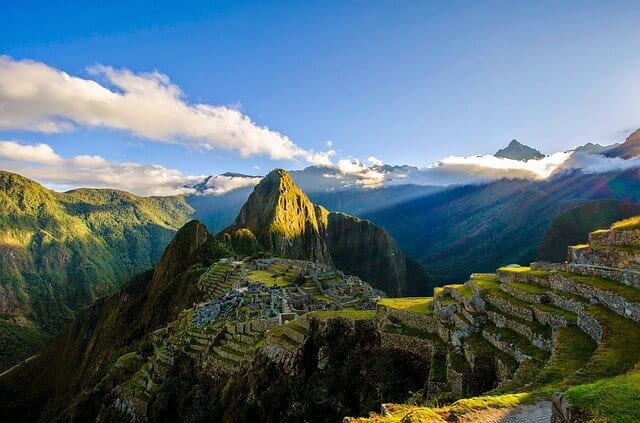
Plan South America around a focused route, rather than a continent-wide checklist. This guide compares destinations, suggests manageable itineraries and explains seasons, transport, food and budgeting. It also covers the less glamorous realities: crime, altitude, entry rules, long distances and disruption, so you can choose a trip that suits you.
South America is a continent, not a fortnight
South America has a dangerous effect on an otherwise sensible traveller. You open a map to plan a holiday and, twenty minutes later, you have added a glacier, a jungle, three capital cities and a mountain your knees have not agreed to.
Then you notice the distances.
This South America travel guide starts with a modest suggestion: choose the journey before collecting the highlights. With two weeks, I would usually concentrate on one country or a well-connected pair of regions. A longer trip allows more variety, but extra borders do not automatically make it better.
The attraction is the contrast. You can explore Inca history in Peru, café culture in Buenos Aires, Brazil’s coast or the vast landscapes of Patagonia. However, these are different trips, with different seasons, costs and demands. Pick the one that makes you curious enough to slow down.
Where should you go on a first trip?
Start with what you want your days to feel like. Then check the season, transport and current advice for the exact places you are considering. These are starting points, rather than a league table of “best” countries.
| If you want… | Consider… | The trade-off |
|---|---|---|
| Archaeology, mountain scenery and memorable meals | Peru: Lima, the Sacred Valley and Cusco region | Altitude, timed tickets and busy landmark sites need planning. |
| City life with a dramatic nature extension | Buenos Aires plus Iguazú or part of Argentine Patagonia | Those extensions involve substantial travel; choose rather than squeeze. |
| Desert landscapes or southern wilderness | Chile’s Atacama region or Patagonia | Long distances, tour costs and weather can shape the whole budget. |
| Beaches, music and a lively urban stay | A focused region of Brazil | City safety, seasonal prices and internal distances matter. |
| Wildlife as the main event | Galápagos or a carefully chosen Amazon lodge | Transfers, conservation charges and guiding make these substantial trips. |
| A city-and-coast journey at a gentler pace | Montevideo, Colonia and part of Uruguay’s coast | Check seasonal demand and complete costs; smaller does not mean cheap. |
If several rows appeal, keep a second trip in reserve. It is a happier solution than spending your first one in departure lounges.
Peru: give the mountains time
Peru can combine excellent food, archaeology and Andean scenery without needing to cross an international border. Lima gives you a coastal city introduction; the Sacred Valley and Cusco region bring a very different landscape and history.
Machu Picchu deserves its reputation. Nevertheless, avoid treating it as something you can casually slot between flights. Check the available entry date, time and circuit before committing to the surrounding arrangements. Use the official Ministry of Culture ticket platform, linked by Peru’s tourism board, and coordinate trains, accommodation and local transfers.
Meanwhile, leave room to adjust to altitude. A gentle first day is more useful than proving how many steps you can climb after landing. Mountain scenery should take your breath away figuratively; the literal version needs attention.
For a first visit, I would rather explore this route comfortably than bolt on an Amazon excursion solely because it appears in the same country. Add the rainforest when you have enough time and budget to enjoy it.
Argentina and Chile: choose your kind of drama
Buenos Aires offers neighbourhood wandering, architecture, cafés, food and tango. From there, Iguazú Falls makes a powerful nature contrast. Patagonia offers another, but it is a separate commitment in travel time and planning.
Across the Andes, Chile gives you equally tempting choices. Santiago can anchor a city stay, while the Atacama region and Patagonia pull you in very different directions. Do not let a narrow-looking country on the map fool you into thinking the journeys are short.
For Torres del Paine, check Chile Travel’s access guidance and book park entry through the official system. Accommodation, trail arrangements and transfers need attention too. A photograph of an empty trail tells you nothing about availability.
Nor must every Patagonia visit involve a demanding trek. Ask operators about driving time, walking surfaces, steps and shorter excursions. However, avoid assuming that a sightseeing tour is automatically accessible just because it does not call itself a hike.
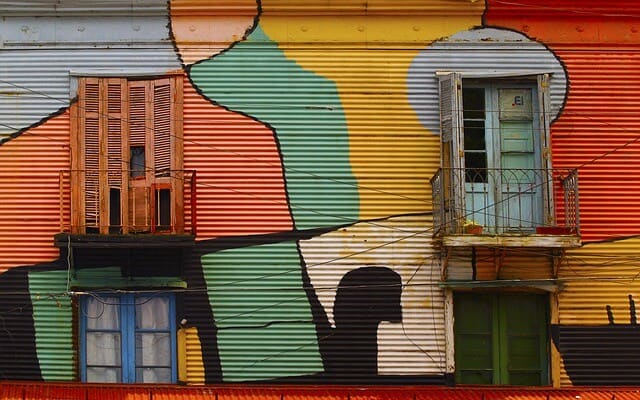
Leave room for the ordinary pleasures
The headline sights earn their place. Yet a neighbourhood café, a market lunch or a conversation over a meal can give the trip its character.
Build in time when you are simply somewhere, rather than continually on the way to somewhere else. Buenos Aires is a very good argument for that approach.
Brazil: one country can fill the whole holiday
Rio de Janeiro’s mountains and beaches make an obvious starting point. However, Brazil’s official tourism site also opens the door to regional food, heritage, wildlife and Amazon journeys. Treat those as choices, rather than additions that will somehow fit.
For example, a city-and-coast visit is a different holiday from a rainforest lodge stay. Compare flights, transfers and the actual days available before combining them. The country’s size can quietly consume both your money and your time.
Safety also belongs in the planning. The US State Department warns about high crime in many Brazilian urban centres. Choose your exact base carefully, arrange dependable transport and take local advice about routes and times of day.
Brazil’s main language is Portuguese. A little Spanish may help elsewhere on the continent, but it is not a universal key. Learning a few Portuguese greetings is a better introduction than speaking Spanish more loudly.
Wildlife trips: pay for care, not promises
The Amazon is not a single destination with one airport and one standard experience. Decide which country and gateway suit your route, then compare lodges on guiding, habitat, transfer time and what happens when weather changes the programme. My Amazon rainforest guide explores that travel idea further.
Ask whether community visits are locally led and how residents benefit. Likewise, avoid wildlife encounters built around handling or baiting animals for photographs. “Authentic” is easy to put in a brochure; specific answers are more useful.
Galápagos needs its own budget and itinerary. Flights, island transfers or a cruise, guiding and protected-area charges all count. Consult the Galápagos National Park authority for current rules and fees, rather than treating the islands as a quick extra to mainland Ecuador.
Above all, wildlife is not a performance with a guaranteed cast list. Choose a responsible operator and enjoy the habitat as well as the sightings.
And the places beyond the familiar shortlist?
Bolivia’s high-altitude landscapes, Colombia’s coffee country, Uruguay’s cities and coast, and the less frequently included journeys through Paraguay, Guyana and Suriname can all prompt further research. Their appeal does not make them interchangeable, or equally straightforward.
For Colombia, the Coffee Cultural Landscape is one possible focus. However, the current US advisory says to reconsider travel and identifies areas with greater risk. Attractive photographs are not a substitute for that assessment.
Meanwhile, Uruguay’s tourism ministry highlights Montevideo, historic Colonia and the Atlantic coast. Those can form a more focused itinerary than another cross-continent dash.
Venezuela requires particularly careful consideration of current official advice. I would not present it as a casual extension to a beginner’s route. For any less familiar destination, research entry, transport, health and local support before paying deposits.
How much can you fit into two weeks?
Count usable days after international flights, arrival recovery and onward connections. Then choose a small number of bases. The following are planning suggestions, not tested timetables or promises that every connection will work.
| Route idea | What it gives you | Leave space for… |
|---|---|---|
| Lima → Sacred Valley → Cusco region | Food, Andean culture and a planned Machu Picchu visit | Altitude adjustment, ticket availability and transport buffers |
| Buenos Aires → Iguazú → Buenos Aires | A substantial city stay and a spectacular waterfall visit | Flight days and separate entry checks if crossing to Brazil |
| Santiago → one Patagonia base → return gateway | City time and a focused southern landscape trip | The right season, weather disruption and long transfers |
With a month, deepen the route or add a compatible region. If you have several months, you can build more slowly. Even then, check border crossings and onward transport rather than drawing an elegant line across a map and hoping buses admire it.
When to go: there is no continent-wide best month
South America includes tropical lowlands, high mountains, deserts and the far south. Consequently, “summer” does not describe one consistent experience.
For many Patagonian outdoor trips, the Southern Hemisphere spring and summer offer more workable conditions and services. Chile Travel broadly identifies October to March for Patagonia, though the best window depends on the activity and location. Wind and cold still belong in your packing.
In Peru, mountain and coastal weather differ, while the Amazon has its own rainfall patterns. Use Peru’s regional climate guidance for the route you actually intend to take. A good beach month is not automatically the best month for a mountain walk.
Finally, check festivals, school holidays and seasonal closures. A famous celebration can be wonderful if you want to attend, and an expensive surprise if you only wanted a quiet room.
Budget for the journeys, not just the bed
I would be wary of any single “South America costs this much per day” figure. It can hide the very items that make your itinerary possible: domestic flights, guided outings, park entry and remote transfers.
Instead, price your biggest commitments first. Then add accommodation, meals, local transport, insurance and a contingency. Compare total trip costs in your own currency, using current payment and exchange information.
- Keep the route compact. Saving one internal flight can matter more than finding a slightly cheaper breakfast.
- Check what a tour includes. Equipment, entry, meals and pickup may be separate.
- Allow for luggage and airport transfers. The advertised fare rarely describes the entire journey.
- Use current local prices. Old blog budgets can be especially misleading where inflation or exchange arrangements have changed.
For the broader method, see my world travel planning guide. Spend on the experiences that brought you here, rather than on recovering from an overcomplicated itinerary.
The honest part: crime, disruption and physical demands
There is no useful single answer to “Is South America safe?” Risk varies by country, neighbourhood, road, activity and time. Read the full official advisory for each country, including regional exclusions, before booking and again before departure.
For instance, Peru’s advisory identifies crime, unrest and areas with greater risks. Ecuador’s advice also distinguishes particularly high-risk areas. A reassuring account from a different city does not cancel those details.
Arrange your first arrival, choose accommodation by exact location and use transport recommended by a dependable local source. Keep phones and valuables discreet, and have a backup way to access money. For solo travellers, check the return journey before accepting the evening invitation.
Roadblocks, demonstrations, weather and cancelled services can disrupt an otherwise sensible route. Therefore, avoid tight connections to a long-haul flight and keep some flexibility. If an outing requires you to ignore advice or rush an unsafe transfer, change the outing.
Altitude, health and access deserve a place in the plan
Altitude is a real consideration in parts of the Andes. Fitness does not make you immune. The CDC advises gradual ascent; discuss your route with a travel-health professional, especially if you have an existing condition. If you feel unwell at altitude, seek advice rather than pushing through to keep the itinerary intact.
Similarly, vaccination advice and mosquito precautions depend on your destinations and activities. Get advice for the actual route, including onward countries, rather than a generic “South America package.” Check insurance for hiking altitude limits, activities and evacuation.
For mobility needs, ask specific questions: how many steps, what surfaces, how long without a seat, and whether a vehicle can reach the entrance. Historic centres, boats, remote lodges and archaeological sites may present very different obstacles.
The aim is to choose an experience you can enjoy with confidence. Nobody awards extra travel points for being miserable halfway up a mountain.
Entry requirements: check every border
There is no single South America visa. Requirements depend on your passport, destination, purpose and route, including transit stops.
For US passport holders, Brazil is an important check: Brazil’s consular guidance confirms a visa requirement for tourist visits. Do not rely on an old account of visa-free entry.
Before paying, verify passport validity, visa arrangements, permitted stay and any health documentation with the relevant official authority. Also check a border crossing separately from an airport arrival; procedures may differ.
My travel documents checklist will help organise the paperwork. Keep accessible copies, but remember that a saved screenshot is not a replacement for the required original document.
Food and drink: give the table some attention
Leave room for regional food rather than expecting one continental menu. Consider ceviche in Lima, an Argentine parrilla, Brazilian regional dishes or a Colombian coffee-farm visit. Ask what belongs to the place you are in and what is in season.
Markets and modest lunch spots can be rewarding. However, price alone does not tell you whether food has been handled well. Ask trusted local hosts, consider hygiene and check drinking-water guidance for your location.
Wine, pisco, cachaça and coffee each have their place, but you need not turn every meal into a tasting event. Sometimes lunch followed by absolutely nothing is the best itinerary item of the day.
For more ways to make eating part of the journey, explore my food tourism guide.
South America travel: common questions
Which country is best for a first visit?
There is no universal winner. Start with your interests, available time and preferred season, then assess the practical demands and current advice. Peru, a focused Argentina route or one region of Chile or Brazil offer very different experiences.
Is two weeks enough?
It can be enough for a focused trip with a few bases. It is not enough to experience the whole continent comfortably. Count transfer days before adding destinations.
Should I use buses or flights?
Compare the full journey, including terminals, transfers, road conditions and arrival time. A short regional bus ride and a long overnight crossing are different decisions. Use flights selectively when distance would otherwise consume the trip.
Can I travel independently?
Many routes can be arranged independently. Guided help may be useful for remote areas, unfamiliar transport, wildlife or activities requiring local expertise. Check operator credentials, safety arrangements and inclusions.
Do I need Spanish?
Basic Spanish helps in many countries, while Brazil mainly uses Portuguese. The continent also includes other official and Indigenous languages. Learn useful greetings and keep an offline translation tool available.
Is South America cheap?
Some routes can be affordable, but remote excursions, famous attractions and multiple flights can change the total quickly. Price your actual itinerary rather than borrowing a continent-wide daily budget.
Choose less. Experience more.
South America offers enough possibilities to make choosing feel like a small personal crisis. Fortunately, you do not need to settle the whole continent in one booking.
Pick the region that draws you in, understand its demands and leave space to enjoy being there. The glacier, jungle and additional three capitals can wait their turn.
Start with three decisions
1. Choose your main experience. Mountains, cities, coast or wildlife?
2. Check your dates. Match the season to that experience.
3. Price the route. Include travel days and every transfer.
One Response
I do not even know how I ended up here, but I thought this post
was good. I do not know who you are but certainly you’re going to a famous
blogger if you are not already 😉 Cheers!