TRAVEL FIELD NOTES · THE AMAZON
Amazon Rainforest Travel: You Want to Go Where?!
Everyone had a horror story they’d never lived. I wanted to understand what lay beyond the raised eyebrows.
By Rob Wheatley – Program Director & traveler.
Practical information checked October 21, 2026.
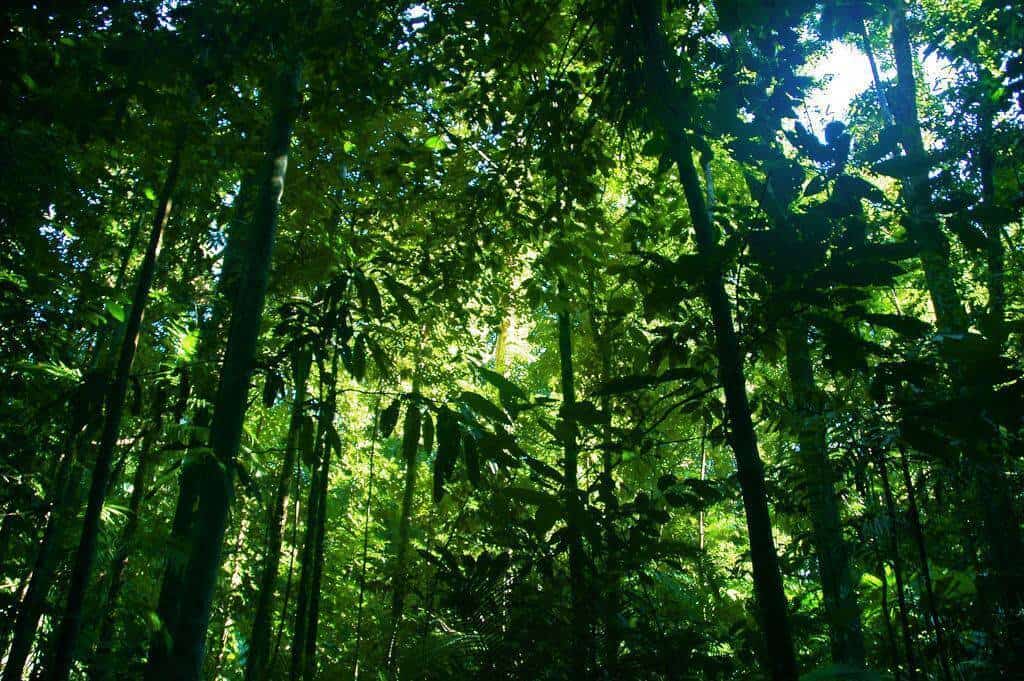
An Amazon trip can mean a forest lodge, a river cruise or a shorter guided visit. Choose the gateway, comfort level and guiding that suit you, then check health advice and local conditions. This guide covers those decisions, alongside costs, wildlife ethics and the real challenges of heat, remoteness and unpredictable water levels.
Everyone had a horror story they’d never lived
The first time I told people I wanted to see the Amazon rainforest, I got the same reaction every time. A pause. A raised eyebrow. Then: “You want to go where!?”
Piranhas, snakes, insects the size of my hand. Everyone had a horror story they’d never lived.
But here’s what nobody mentions: the Amazon is disappearing, and the window to see it as it is won’t stay open forever.
That is a reason to care, rather than a reliable countdown. Deforestation, mining, fire and climate change threaten the forest, as WWF explains. However, “go before it’s gone” is not enough of a travel plan. Where you go, who guides you and where your money ends up matter.
This Amazon rainforest travel guide starts with those choices. You can experience the forest from a lodge, a river vessel or a shorter guided excursion. You do not have to audition for a survival programme, although you should be willing to get up early, sweat a little and let nature set the timetable.
What an Amazon trip actually offers
The Amazon is a vast region of forests, waterways, towns and communities across several countries. The river, its tributaries and the wider rainforest are connected, but they are not the same thing. Choosing “the Amazon” still leaves quite a lot to decide.
For a visitor, the experience might include a dawn boat outing, a guided forest walk, birdwatching or simply listening from a shaded deck. Yet this is not a wildlife park where the animals wait beside a nameplate. Dense vegetation makes spotting difficult, and a good guide may notice things you would walk straight past.
That is part of the appeal. You begin paying attention to movement, sound and small details. Meanwhile, the big sightings remain possibilities rather than promises.
If you need guaranteed animals, consistently cool rooms and a rigid schedule, think carefully before booking. There are comfortable ways to travel here, but even luxury cannot negotiate with the river.
Where should you start?
Choose a gateway that fits your wider journey. Then compare the actual lodge or vessel, habitat and transfer arrangements. A country name alone will not tell you how remote or comfortable the experience will be.
| Gateway | Why consider it? | Ask before booking |
|---|---|---|
| Puerto Maldonado, Peru | A starting point for lodge trips in the Madre de Dios region, including the Tambopata area. | How long are the road and boat transfers, and which activities are included? |
| Iquitos, Peru | A gateway for northern Peruvian Amazon lodges and river itineraries. | Where does the trip actually depart, and how far is the boarding point from the airport? |
| Manaus, Brazil | A city base for forest stays and river journeys, including the Rio Negro region. | How much of the programme is city sightseeing, travel time or forest exploration? |
| Coca or Tena, Ecuador | Different approaches to Ecuador’s Amazon, with varying road and river connections. | What are the current access conditions and the precise location of the accommodation? |
Peru’s Tambopata information, Visit Brasil’s Manaus guide and Ecuador’s official planning resources are useful starting points. Nevertheless, confirm every connection directly with the operator before buying flights.
For the bigger route, use my South America travel guide. The Amazon deserves time in that itinerary, rather than being squeezed into the gap before your flight home.
Lodge, river cruise or day trip?
| Option | What works well | The compromise |
|---|---|---|
| Forest lodge | A fixed base with guided outings and time to notice the same surroundings at different hours. | Room facilities, power and transfer demands vary widely. |
| River cruise | A moving base with meals and excursions coordinated around a river itinerary. | Small-boat boarding, steps and daily excursions may still be demanding. |
| Day excursion | An introduction when time is limited or you prefer a city hotel. | More time may go into transfers, with less opportunity for early or late forest activity. |
I would choose on the strength of the guiding and the daily programme first. A beautiful bedroom is welcome, but it does not make a rushed outing better.
Likewise, ask what “luxury” means in writing. Air conditioning, screened windows, hot water, private bathrooms and reliable charging are separate questions. Some stays deliberately limit facilities; others offer substantial comfort. Neither description tells you what your particular room includes.
On a cruise, check the vessel’s size, cabin location and excursion boats. A comfortable main ship does not remove the need to climb into a smaller craft.
An Amazon introduction with Viking
Viking’s From the Caribbean to the Amazon combines Caribbean ports with Amazon river sailing on a 22-day round trip from San Juan. The published itinerary includes Santarém and Manaus. This is a Viking Ocean itinerary, rather than a Viking Expedition cruise.
It is an option if you want a comfortable ocean-ship base and a broader journey that includes the Amazon. However, it offers a different experience from several nights at a rainforest lodge or a dedicated small river vessel: your time ashore follows the port schedule and the excursions you choose.
Check the selected sailing’s route, excursion descriptions and physical demands before booking. Departure dates, availability and shore excursions can change.
How many days should you allow?
For a first visit, I would start by comparing trips with three or four nights in the forest or on the river. That is a planning preference, not a universal minimum. The important question is how many usable outings remain once you subtract arrival and departure transfers.
A “three-day Amazon adventure” might include one full day between two travel days. Before paying, request a sample schedule with pickup times, expected transfer durations and the number of guided outings.
With extra time, you can tolerate a rainy afternoon or a quiet wildlife morning without feeling cheated. However, a longer trip only helps if the activities and comfort level suit you.
Also allow a sensible buffer before an international flight. Weather, river conditions and local transport can change the plan. Your onward airline will not be impressed by a photograph of the boat that made you late.
When to go: ask about water levels as well as rain
There is no single best month for the entire Amazon. Rainfall and river levels vary across the basin, while unusual droughts or flooding can alter the expected pattern.
Broadly, higher water can open some flooded-forest routes to small boats. Lower water may expose walking routes while restricting access through shallower channels. Consequently, the same operator may offer a different experience at different times of year.
Ask three specific questions: what water levels usually mean for this route, what conditions are like now, and what activities change if levels are unusual. A generic “dry season” label is not enough.
Heat and humidity remain part of the bargain. Brazil’s official climate guidance describes the northern Amazon as hot and humid year-round. Even during a relatively drier period, pack for rain rather than interpreting “drier” as “dry.”

Small discoveries count
It is tempting to arrive with a shopping list of headline animals. However, a butterfly, a strange leaf or the sound of birds beyond the trees can be just as absorbing.
Give your guide time to explain what you are seeing. The forest becomes more interesting when you stop asking it to behave like a television documentary.
Wildlife: look closely, keep your distance
Monkeys, birds, reptiles and river dolphins are among the reasons people come. Yet no responsible operator should need to promise every species or manufacture an encounter to satisfy the brochure.
World Animal Protection has documented the harm behind Amazon wildlife selfies, including animals captured and handled for tourists. A smiling visitor can conceal a very unhappy animal.
My rule is straightforward: no holding sloths, posing with captured snakes, or paying to feed and touch dolphins. Watch animals behaving naturally, from a distance set by your guide and the relevant rules. An animal that can leave is giving you a much better encounter than one being passed around.
Ask operators about their wildlife policy before booking. Also check whether outings involve feeding, baiting or handling. If the answer is vague but the photographs show guests cuddling wildlife, you already have useful information.
For swimming, do not assume an attractive stretch of river is suitable. Currents, submerged obstacles and water quality matter. Seek current local and health advice rather than treating a swim as a standard Amazon activity.
People live here. Visit on their terms.
The Amazon is home to contemporary communities, not a stage set preserved for travellers. A thoughtful visit can offer insight into food, livelihoods, language and relationships with the forest. However, it should be something residents choose to host.
Ask who owns or runs the experience, how hosts are paid, and whether photography is welcome. Buy directly from local makers where appropriate, and let the community decide what is shared. A visit does not entitle you to someone’s home or private ceremony.
Traditional plant knowledge can be fascinating to learn about. Nevertheless, cultural interpretation is different from medical treatment. I would not recommend unfamiliar remedies as substitutes for qualified healthcare.
Nor would I treat ayahuasca or kambo as casual holiday activities. The US State Department warns against their use, citing serious illness and deaths, alongside risks including assault and robbery. Respect for a culture does not require taking a substance offered to visitors.
Health preparation: make it specific to your route
Arrange travel-health advice well before departure and bring the exact itinerary, including rural stays and onward countries. Recommendations for yellow fever, malaria prevention and other measures depend on the location and your health.
Use the CDC destination pages as a starting point. For example, its Peru guidance identifies malaria transmission in Amazonian areas including Iquitos and Puerto Maldonado. A stay in Lima or Cusco does not have the same risk profile.
Discuss yellow fever vaccination with a clinician, particularly if you are older or have relevant medical conditions. Vaccination recommendations and border certificate requirements are different questions; check both for your route.
Pack appropriate repellent and lightweight covering clothing, and confirm whether rooms have intact screens or mosquito nets. Meanwhile, ask about safe drinking water and the nearest realistic medical support.
If you develop a fever during or after travel in a malaria-risk area, seek prompt medical care and explain where you have been. Do not dismiss it as the price of an adventurous holiday.
The uncomfortable bits the brochure may hurry past
Expect heat, damp clothes and insects. Depending on your accommodation, you may also encounter limited power, weak connectivity, little sound insulation and a room that never feels entirely cool. Ask about these details before discovering your personal limits at midnight.
Boat rides can be long, toilets may be basic during excursions, and forest paths can be muddy or uneven. For mobility needs, ask about boarding steps, handrails, walking distances, seating and assistance. “Suitable for all ages” does not answer any of those questions.
Then consider security beyond the forest. Gateway cities, remote waterways and border areas have different risks. Read the current country advisory and its regional warnings, arrange dependable transfers and avoid assuming every lodge reachable from a city is in the same security environment.
Finally, remote travel complicates emergencies. Ask how the operator communicates, what evacuation would involve and who pays. Check that your insurance covers the destination and activities. A vague promise that “we can get help” deserves a more precise follow-up.
What does an Amazon trip cost?
A useful comparison starts with the complete package, not a nightly room price. Transfers and guiding can be a substantial part of the trip, especially when the accommodation is remote.
- Price the journey: flights, gateway hotels, airport pickup and road or boat transfers.
- Compare the programme: guide-to-guest ratio, excursion frequency, meals and park entry.
- Check extras: drinks, equipment, gratuities and optional outings.
- Read disruption terms: what happens if a flight is delayed or a route cannot operate?
Private guiding and greater comfort usually affect the quote, but a high price is not proof of good practice. Ask the same questions of an expensive cruise as you would of a small lodge.
For independent travellers, being independent need not mean going unguided into the forest. Arrange your own transport and accommodation if that suits you, then use appropriately qualified local guides for outings. The saving is less attractive if it removes the expertise you came for.
Pack for damp, not for an expedition film
Start with the operator’s list and luggage limits. Then favour practical items you can carry comfortably between vehicles and boats.
- Lightweight long sleeves and trousers, plus spare clothing that can dry reasonably quickly.
- Rain protection, suitable footwear and socks; confirm whether boots are supplied and in your size.
- Repellent, sun protection and your prescribed medicines.
- A dry bag or reliable waterproof protection for documents and electronics.
- A head torch, binoculars if available, and a power bank that meets airline rules.
- A reusable bottle where safe refill water is provided.
Keep essential medication and documents accessible during transfers. Meanwhile, leave unnecessary valuables behind. You will enjoy the outing more if you are watching the trees rather than checking whether your expensive equipment is still dry.
Can your visit help the forest?
Tourism can support local jobs and forest-based livelihoods, but it is not automatically conservation. A lodge calling itself “eco” is making a claim, not presenting evidence.
Ask about local ownership, employment, waste, wastewater and how any conservation contribution is used. Also check whether the operator can explain its relationship with nearby communities and protected areas. Specific answers are more persuasive than a green logo.
The forest’s threats are larger than tourism alone. However, you can choose where your money goes, avoid damaging wildlife encounters and treat the place as someone’s home rather than a disappearing attraction to collect.
That gives the urgency in my opening a practical purpose. If you go, go thoughtfully. My ecotourism guide looks further at the questions behind those promises.
Amazon rainforest travel: common questions
Which country is best for an Amazon trip?
Choose the gateway and operator that fit your wider route, budget and interests. Peru, Brazil and Ecuador offer different starting points, and the specific lodge or vessel matters more than a country ranking.
Do I have to camp?
No. Lodges and river vessels offer a range of comfort levels. Confirm the actual room facilities and excursion demands before booking.
Can I explore the rainforest alone?
For a first visit, use qualified local guides for forest and river outings. Arranging your own holiday is different from navigating unfamiliar forest or waterways without local expertise.
Will I see pink river dolphins?
They are a possibility on suitable routes, but sightings are not guaranteed. Choose observation without feeding, touching or staged encounters.
Are mosquitoes a reason not to go?
They are a reason to prepare properly. Seek route-specific medical advice, use suitable bite protection and check the accommodation’s screens or nets. Your health and risk tolerance should guide the decision.
Is a luxury cruise an accessible option?
Possibly, but check the individual vessel and outings. Steps, uneven landings and small-boat transfers may remain significant obstacles despite a comfortable cabin.
Go curious. Go prepared.
The raised eyebrows are understandable. The Amazon is a bigger departure from ordinary life than a city break with slightly different coffee.
However, fear borrowed from someone else’s imagination is a poor reason to dismiss it. Choose the right trip, respect the real risks and give the forest your attention. It has rather more to offer than a horror story.
Before you book
Ask about guiding. Group size, language and wildlife policy.
Confirm comfort. Screens, cooling, power and bathroom facilities.
Check the transfer. Duration, boarding demands and flight buffers.
Plan for health. Take your exact route to a travel clinic.