Rob’s Blog · East Asia
Tokyo: Where the Future Bows Politely
By Rob Wheatley
Nothing prepares you for Tokyo. Not the photos, not the movies, not the friend who swore it was “just like any big city, but cleaner.”
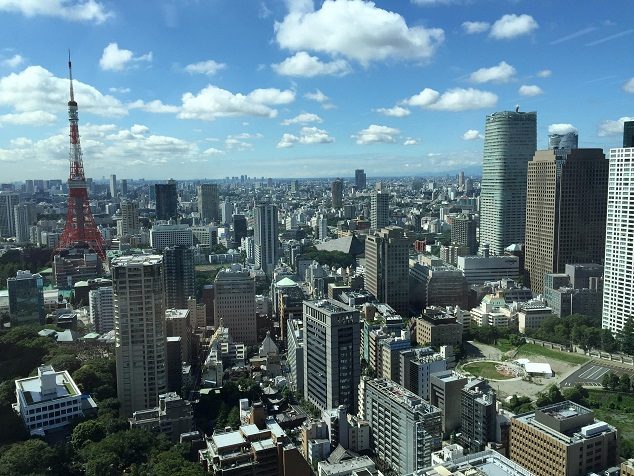
Tokyo is one of the world’s largest cities, yet it has the manners of a much smaller place. The train pulls in when you expect it, the streets look remarkably clean for a place where finding a bin can feel like a side quest, and you can buy a hot coffee from a machine on the corner. The future is here, and it’s remarkably well mannered.
Let’s walk through it, jet lag and all.
Touchdown and the first hour
At Narita, the first thing you may notice is the hush. Then there’s the ride in. Rice fields give way to rooftops, rooftops give way to towers, and before you know it the sky is a patchwork of wires, signs and glass.
The fastest Narita Express takes 53 minutes to Tokyo Station. Allow extra time for the next leg to your hotel. Haneda is closer to central Tokyo, so compare the whole journey when you’re choosing flights. JR East’s Narita Express guide
In summer the heat wraps around you like a wet towel. Light fabrics, a small hand towel and a portable fan earn their place in your bag.
Culture shock in room 1204
Some Tokyo hotel rooms are small, clever and weirdly comforting. Every inch has a purpose. The kettle disappears into a cupboard and the toilet comes with a control panel that wouldn’t look out of place on a spaceship. Heated seat, built-in sounds and more buttons than a TV remote. My advice is to finish what you came to do before pressing anything you can’t read.
The quiet can take a little getting used to. On trains, keep conversations low and save phone calls for the platform or the street.
Neon, screens and the great billboard blur
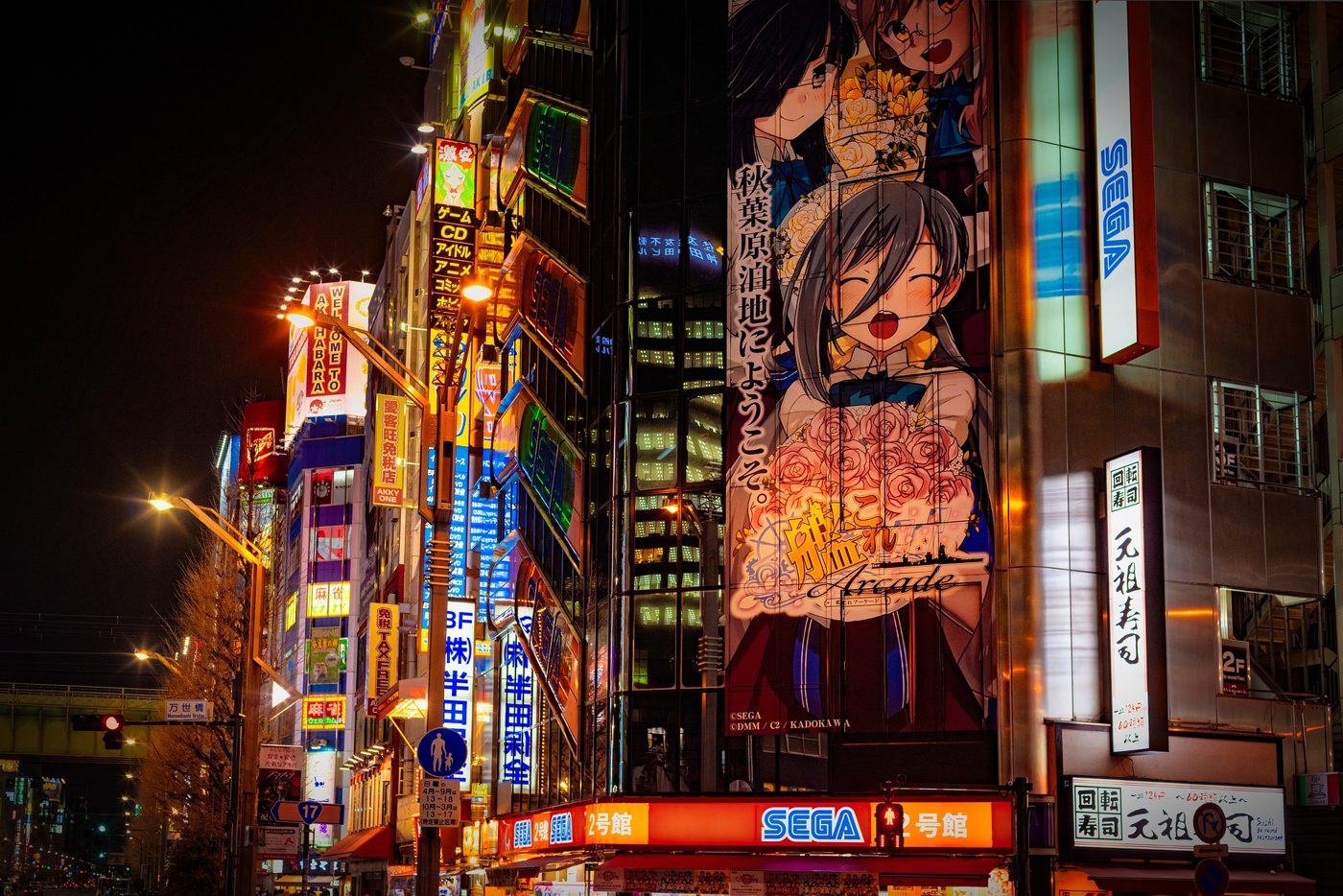
Come nightfall, Tokyo turns the volume up on light. In Shinjuku, a giant 3D cat has become a minor celebrity. I’ve already written about the moment the cat looked straight at me. At Shibuya Crossing, watch one wave of people cross and then join the next. The pavement gives you a perfectly good view for free.
Then there’s Akihabara, where arcades flash and chirp and shops sell everything from vintage consoles to tiny gadgets you hadn’t realised you needed. I’d give this its own stop if games, anime or electronics are your thing.
Day one · Old Tokyo
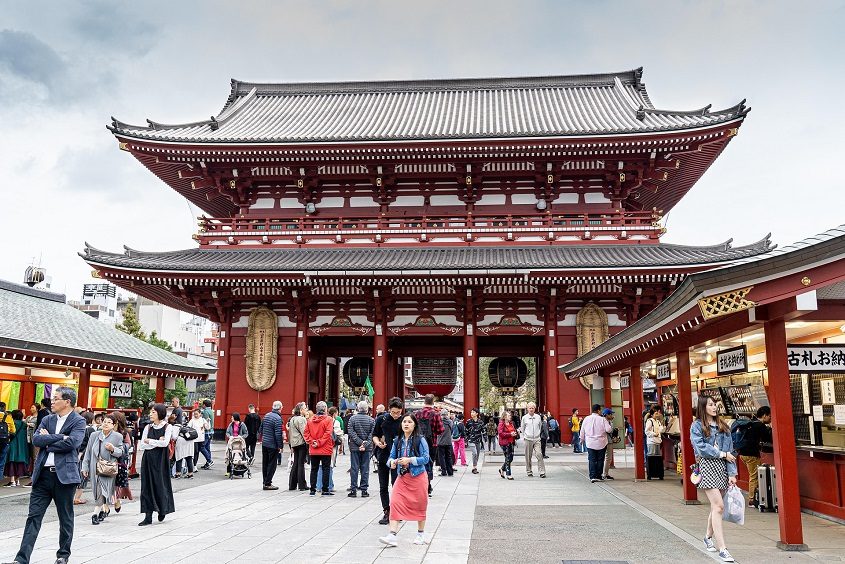
Start in Asakusa at Sensō-ji, Tokyo’s oldest temple, with roots in the seventh century. Walk past the giant red lantern at Kaminarimon and along Nakamise toward the main hall. Take a moment by the incense burner, then try a sweet bean treat from one of the shops.
For a change of pace, head across town to Meiji Jingū. The shrine opened in 1920, and its forest was planted with around 100,000 donated trees. Give yourself time to walk in. After the noise and heat, the shade is half the pleasure. Meiji Jingū visitor information
Day two · Tokyo looking up
For seafood, start at Tsukiji Outer Market. I’d go in the morning, while there’s more choice, and leave the afternoon for Tokyo Skytree if the sky is clear. At 634 metres, it’s the world’s tallest tower. From up there, Tokyo spreads out like a circuit board.
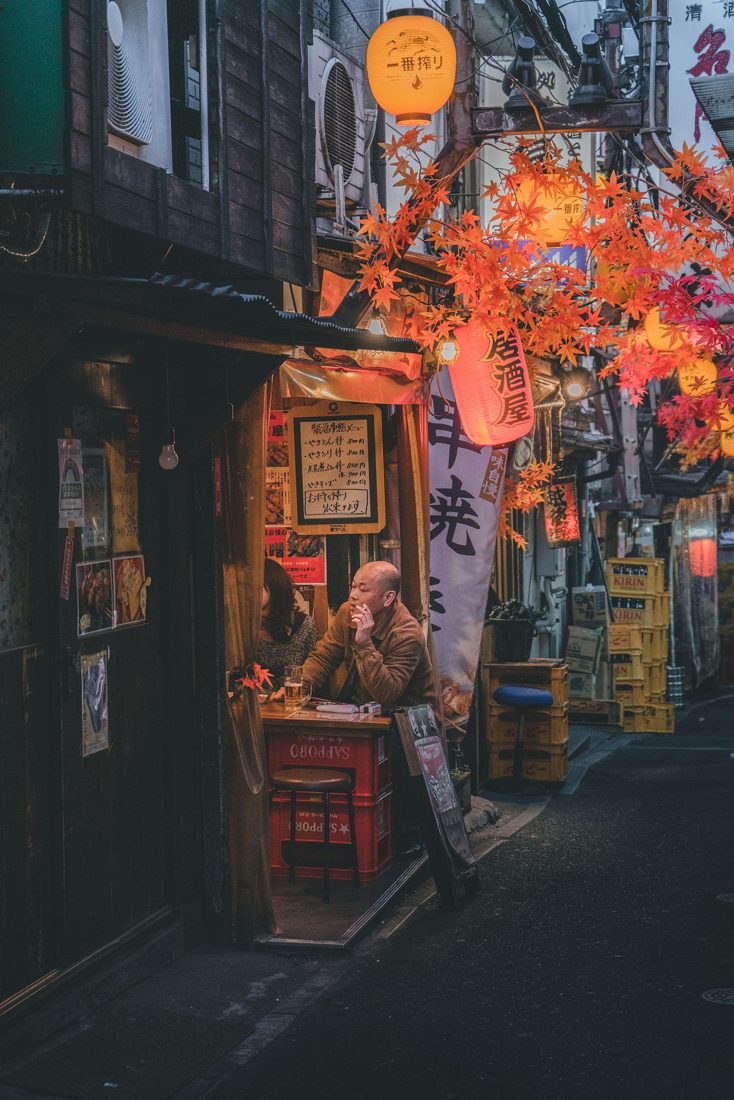
Finish in Shinjuku’s Omoide Yokocho, where little izakayas crowd into a narrow alley. Pick a counter with a seat, order something grilled and see what else looks good. There’s no need to make dinner more complicated than that.
Where I’d stay on a first visit
I’d look at Asakusa for a gentler start and Shinjuku if I wanted dinner and late nights on the doorstep. Before you book, check the station exit and the actual walk to the hotel. A pin close to a big station can still leave you with a surprisingly long walk.
Where should I stay in Tokyo?
Pick up to two priorities and compare three neighborhoods before you book.
Find my Tokyo neighborhoodWalking & access
At Ginza, Tokyo Metro lists a lift route from the Asakusa-bound Ginza Line platform through the Ginza-yonchome gate to exit A7. Check the route for your own line and direction, then map the walk from that exit to the hotel.
Handy tricks for a first visit
- Get a transit card. Suica or PASMO works on much of the local transport network and at many shops. Mobile options depend on your device.
- Skip the tip. It generally isn’t expected.
- Pause for a snack. If there’s a spot by the stall, eat there before carrying on.
- Carry a small bag for rubbish. You can hold on to it until you find a bin.
- Try a konbini. Convenience stores are handy for a quick rice ball, sandwich or late supper.
- Take summer heat seriously. Start early, take breaks indoors and go out again when it cools down.
For the rest of the trip, see my first-timer’s guide to planning Japan.
Questions about visiting Tokyo
Is two days enough for Tokyo?
It’s enough for a first taste. Give Asakusa and the Skytree area a good part of one day, then pick a few stops on the west side. I’d keep an extra day if you also want a long look around Akihabara.
Should I fly into Haneda or Narita?
Haneda is generally closer to central Tokyo. Compare the journey to your actual hotel and the time you’ll land. Check the Narita Express if you’re using Narita.
Should I buy a Suica or PASMO?
Either can be handy for local travel and small purchases. Check mobile compatibility if you plan to use your phone, and check separately whether your train requires a reserved ticket.
Is Asakusa or Shinjuku a better base?
I’d choose Asakusa for a quieter start and Shinjuku for dinner and evenings out. In both, check which station exit you’ll use and how far it is from your room.
What caught you off guard in Tokyo?
A quiet train, an unlikely dinner or a button you wish you hadn’t pressed? I’d love to hear about it.