TRAVEL FIELD NOTES · SLOVENIA
Slovenia: Beyond the Postcard, with Love
My Slovenian friend said the clue was in the name. Lake Bled made a persuasive supporting argument.
By Rob Wheatley – Program Director & traveler.
Practical information checked October 21, 2026.
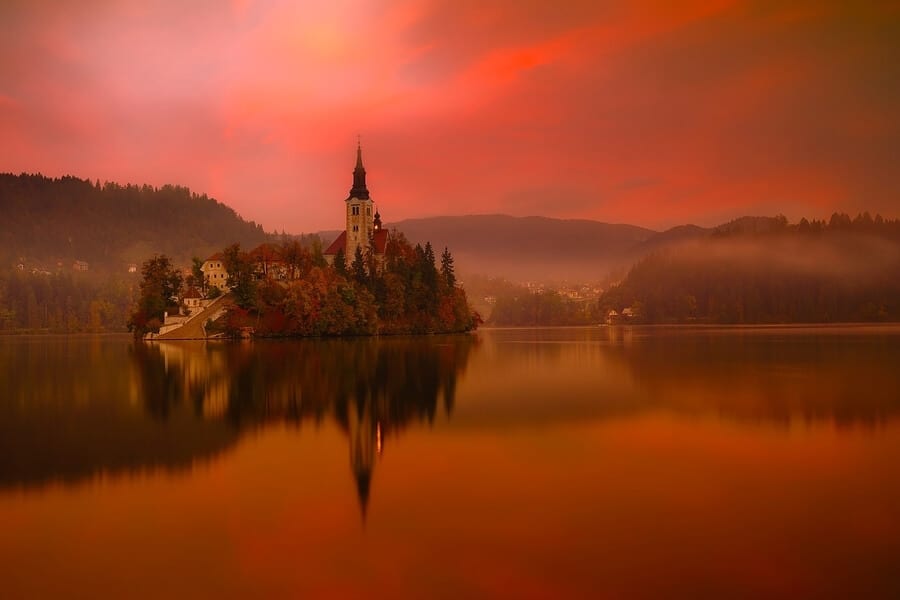
Slovenia combines Lake Bled’s famous scenery with riverside city life, mountain valleys, small towns and an Adriatic coast. This personal guide helps you choose what suits your trip, with food suggestions and honest advice on crowds, costs, transport and outdoor conditions. Follow the deeper destination guide when you are ready to plan.
Slovenia has love in the middle. My friend insisted.
I have a Slovenian friend whose patience wore thin whenever someone confused his homeland with Slovakia. His correction was simple: Slovenia has “love” in the middle.
It always made me chuckle. Then you look at Lake Bled and begin to suspect the tourism department arranged the spelling.
An island church, a castle above the water and mountains behind it: Bled has the sort of setting that makes a camera feel underqualified. However, Slovenia deserves more than one very attractive photograph.
This Slovenia travel guide is my invitation to look beyond that first image. There are riverside city days, mountain landscapes, small towns, food and a little Adriatic coast to consider. Just leave room for the less romantic details too: crowds, changing weather and the occasional bill for the privilege of parking near something beautiful.
For the country planning in greater depth, continue to my Slovenia destination guide. Here, the question is what makes the place worth your time—and how to enjoy it without racing through.
Lake Bled earns the attention. It also attracts company.
I find Bled genuinely beautiful. The water, the island church and the castle on its cliff work together so well that it is tempting to declare the place perfect and stop writing.
Unfortunately, other people have noticed.
In busy periods, that lakeside scene comes with traffic, queues and competition for a pleasant place to sit. Therefore, I would give Bled some time rather than expect a hurried midday visit to deliver the peaceful version from the photograph.
A walk beside the lake can be enough to begin with. Afterwards, choose whether the castle, an island boat trip or a higher viewpoint genuinely interests you. Check current prices and access instead of assuming the whole experience is included in one ticket.
For viewpoint walks, investigate the specific route. A steep or slippery climb is a different outing from a lakeside stroll, even when both appear under “things to do in Bled.” Choose for your ability and the conditions, not just the photograph at the top.
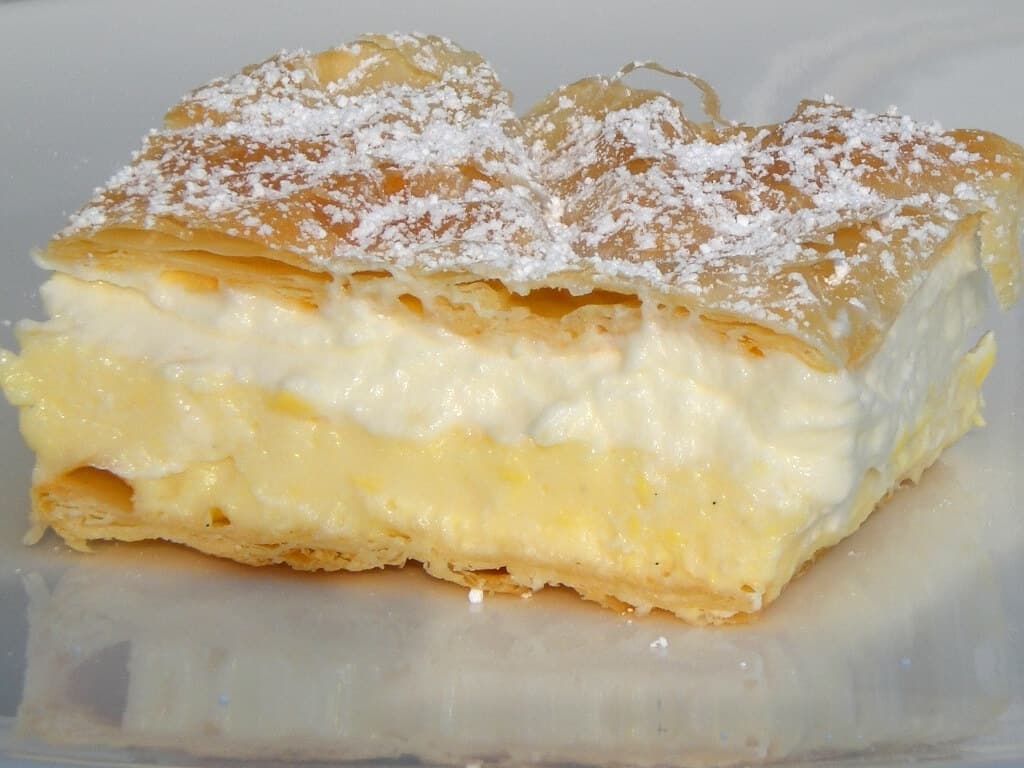
The attraction I am happy to sit down for
Bled cream cake—kremna rezina—is an argument for leaving a little time after your walk. Pastry, custard and cream make a persuasive combination.
I recommended it in my original account, and that recommendation survives the rewrite. The official Bled guide traces the original recipe to the Park Hotel patisserie in 1953.
Ljubljana: let a city day be a city day
Slovenia’s capital deserves time in its own right, rather than serving only as the place where you collect the hire car.
The riverside, bridges, market area and castle give you an easy starting point. Yet I would resist turning the whole visit into a brisk circuit between named sights. Sit down, have something to eat and allow the city to feel like a place where people live.
That does not mean every corner is quiet or every café is a bargain. Compare menus, choose a base that suits your arrival and evening plans, and check the walking route if steps or distance are concerns.
For a short first visit, Ljubljana paired with one landscape base is a more appealing idea to me than a different hotel every night. Slovenia looks compact; your holiday need not become a test of how much movement that permits.
Bohinj and the Soča: choose the experience, not the checklist
Bohinj offers another way into the lake-and-mountain scenery. The Slovenian Tourist Board describes Lake Bohinj as the country’s largest natural lake. It suits time by the water as well as a carefully chosen walk.
However, do not interpret “alternative to Bled” as a guarantee of solitude. Parking, popular paths and summer demand can still shape the day. Check local transport and access arrangements before setting off.
The Soča made a strong impression on me for its vivid colour. After all the disappointment people express about the Danube not being blue, here is a river willing to make an effort.
Nevertheless, colour says nothing about swimming safety. Cold water, currents and changing levels deserve respect. For rafting or kayaking, choose a reputable operator, discuss the demands and follow current instructions. You do not have to enter the river to enjoy the valley.
I would usually choose one of these areas for a deeper stay rather than try to fit both into an already crowded lake day.
Vintgar Gorge: plan the whole visit
Vintgar’s walkways and gorge scenery can make a rewarding outing near Bled. Yet this is an organised visitor experience, not a path you should assume you can enter whenever you arrive.
Use the official Vintgar planning page to check opening, available entry times, transport, parking and the return route. The operator recommends allowing at least three hours for the visit, so do not build the day around the shortest possible walk.
Also ask about surfaces, steps and the complete route if you have mobility or balance concerns. Wet footing and narrow sections can matter more than the distance printed on a map.
Book around current arrangements rather than an old blog timetable. Likewise, a shoulder-season trip needs an opening check, not an assumption that fewer visitors means everything operates as in midsummer.
Small towns and the coast deserve a different pace
Radovljica is worth considering when you want a change from Bled’s waterfront. Its historic centre and museums offer a different sort of afternoon. Choose an interest—architecture, local history or beekeeping—rather than treating the town as another compulsory photo stop.
Meanwhile, Slovenia’s Adriatic coast changes the mood again. Piran, Koper and Izola provide options for coastal town wandering, food and time near the sea. The official Piran guide connects the town’s heritage with salt production.
My preference is to think of this as a coastal-town experience rather than promise a grand beach holiday. Check the kind of shore access you want, parking arrangements and where you will stay.
Summer can bring heat and crowds here too. If your main interest is the Alps, do not add the coast solely because Slovenia happens to have one. Save it for a trip where it improves the route.
The mountains are beautiful. They are still mountains.
Triglav National Park is a major part of Slovenia’s appeal, but it is not a playground with the risks removed. A gentle valley walk and a demanding mountain route are very different propositions.
The park’s current-conditions page is the place to check access and restrictions. Routes may involve uneven ground, falling rocks, changing water levels and rapidly changing weather. Choose an outing suited to your experience and the least confident member of the group.
Before leaving, check the forecast, daylight, route description and any hut opening you rely on. Take suitable footwear and layers, and keep a plan for turning back. A summit is not improved by reaching it too late to descend comfortably.
In my original visit, cycling restrictions surprised me. The more useful advice now is to check the park’s permitted routes and code of conduct: cycling is restricted, rather than something you can assume is allowed on any attractive track.
Use designated accommodation and campsites. Looking peaceful is not permission to pitch a tent.
Eat beyond the cake—eventually
When I was travelling on a budget, burek was a useful friend: filling pastry without the ceremony of a long restaurant meal. However, Slovenia’s food deserves more attention than my economical lunch strategy.
Look for regional dishes and ask what the kitchen recommends. Štruklji, with sweet or savoury fillings, potica and Idrija’s žlikrofi are among the traditions highlighted by the Slovenian Tourist Board.
Slovenia also rewards wine curiosity. Ask about a local glass with a meal, or make a wine-region visit part of the itinerary if that is a genuine interest. Arrange transport so the person enjoying the tasting is not responsible for the drive home.
For vegetarian, vegan or allergy needs, ask about the actual ingredients rather than relying on a dish’s name. Do not assume one traditional menu represents every restaurant in the country.
My food tourism guide has more ways to turn meals into part of understanding a place.
A first trip: choose two bases before choosing ten sights
| Your priority | A possible shape | The trade-off |
|---|---|---|
| A first taste | Ljubljana plus Bled or Bohinj | Leave the coast and longer valley journeys for another time. |
| Outdoor scenery | A lake or valley base with carefully chosen activities | Weather and route conditions need flexibility. |
| Culture and coastal towns | Ljubljana plus part of Slovenian Istria or the Karst | Do not force an alpine circuit into the remaining gaps. |
These are planning suggestions, not fixed itineraries. With roughly a week, I would usually prefer two comfortable bases to a new check-in every evening. With less time, narrow the focus further.
For the fuller country picture, use my Slovenia destination guide. Then price the actual journeys and check which connections work on your travel dates.
Getting around, costs and the less romantic details
A car can be useful for scattered countryside stops, but it also brings parking, fuel, tolls and restrictions. Check your accommodation’s parking before booking, especially in historic centres and popular lake areas.
If driving on tolled roads, consult DARS’s official e-vignette service and confirm what your rental already includes. Take care with the vehicle details and validity period.
Public transport can suit selected routes, including scenic rail journeys. However, check the last connection, the correct station or stop and any seasonal service. The official rail-travel overview is a starting point, not a live timetable.
For money, compare the full stay rather than assume Slovenia is a cheap alternative to its neighbours. Popular accommodation, paid attractions, parking and activities add up. Fewer transfers and a mix of simple meals and selected treats can help.
Finally, protect belongings in busy places and vehicles, and read current official travel advice. A peaceful-looking setting is not a substitute for normal precautions or suitable insurance.
When to go depends on what you want to do
Summer offers long days and outdoor possibilities, but popular places can feel busy. Booking well ahead matters when your dates or accommodation choices are fixed.
I would consider late spring or early autumn for a less hurried sightseeing trip. Nevertheless, that is a preference, not a weather guarantee. Check attraction seasons, transport and the specific walking routes you want.
Higher mountain conditions follow their own timetable. Snow, storms and shorter daylight can change the demands substantially; a route being pleasant beside a lake does not tell you what is happening above it.
Winter can suit a different holiday entirely. Plan for the activity and location, with appropriate skills, equipment and insurance, rather than reusing a summer itinerary with a warmer jacket.
Slovenia: questions before you go
Is Lake Bled worth visiting?
I think so, particularly if you allow time rather than rush through at the busiest point of the day. Decide which paid activities appeal to you and leave room for simply enjoying the setting.
Should I choose Bled or Bohinj?
Bled offers its distinctive island-and-castle scene; Bohinj provides another lake-and-mountain focus. Choose around the activities, accommodation and connections you prefer, rather than assuming either will always be quiet.
Do I need a car?
Not for every trip. Compare current public-transport connections for your chosen bases with the full costs and convenience of driving. Rural or scattered stops may require more planning.
Is Slovenia suitable if I do not hike?
Yes. Cities, small towns, food and selected lakeside or coastal visits can shape the trip. Check access for each attraction instead of assuming a nature destination means a strenuous walk.
Can I swim anywhere that looks inviting?
No. Check local rules and conditions, including currents, water temperature and protected areas. The colour or clarity of the water does not establish that it is safe or permitted.
Where can I find more detailed planning?
Continue to the Slovenia destination guide for the country overview, then use official attraction and transport sources for current arrangements.
The love is in the details
My friend’s spelling lesson remains an excellent introduction. Slovenia gives you plenty of reasons to feel affectionate towards it.
For me, the appeal is the combination: that first glimpse of Bled, the Soča’s remarkable colour and the permission to sit down with something very creamy after a walk.
Go for the scenery. Give the rest of the country—and the practical planning—some attention too.
Go deeper
Before a day outdoors
Check the route. Terrain matters more than a scenic photograph.
Check conditions. Mountain weather can change the plan.
Check the return. Include transport and daylight.