ASIA LANE
Taiwan Travel Guide: Mountain Air, Night Market Energy, and Routes That Stay Balanced
This Taiwan travel guide brings together city food, historic streets and mountain scenery. However, a compact map can hide long travel days.
My framework here: one city anchor, one scenery contrast (mountain or coast), and one proper recovery block every few days.
For example, pair Taipei with a west-coast city and one nature stop rather than rushing around the island.
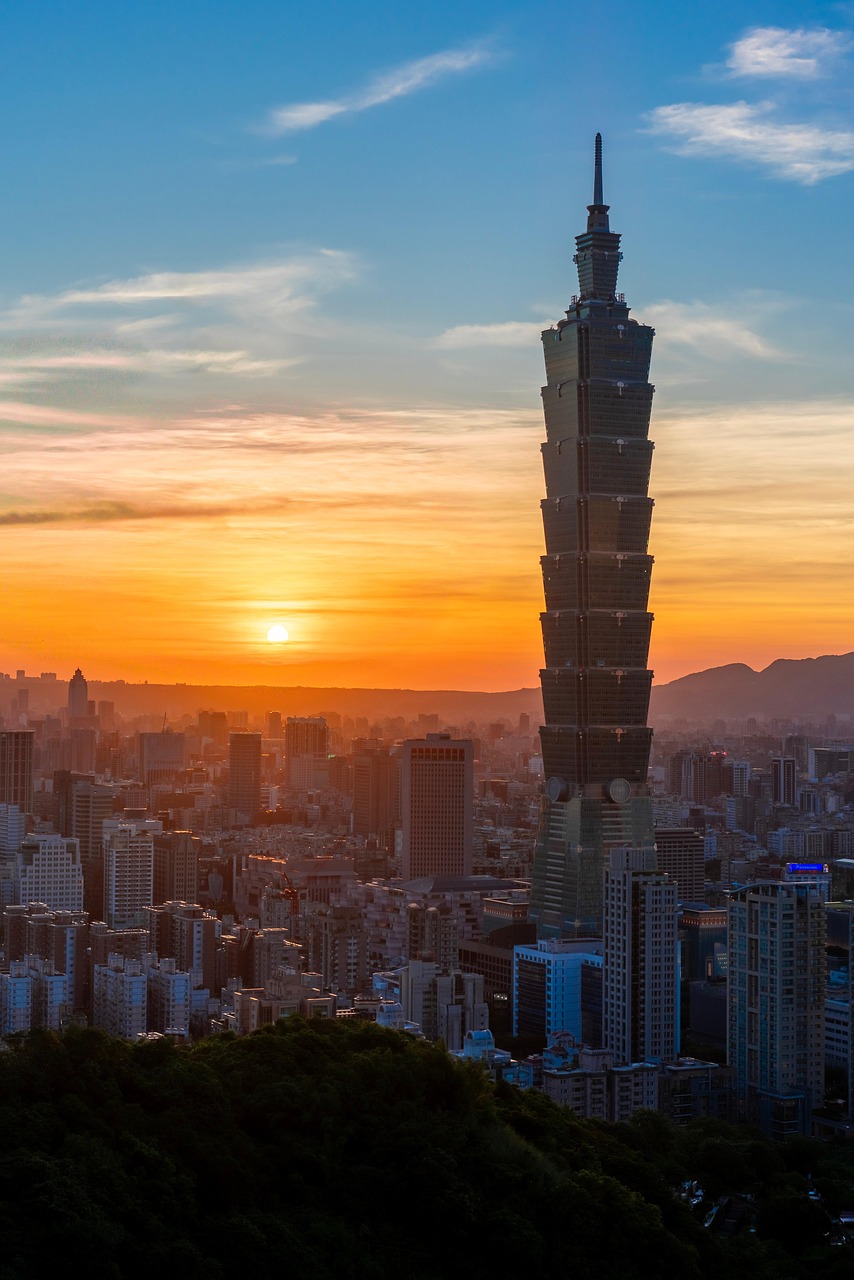
At a Glance (60-Second Scan)
Taiwan is smooth to travel when you respect daily tempo and weather windows.
- Best first move: Start in Taipei, then choose one or two contrasting bases.
- Ideal first trip: Allow eight to twelve days, so you can enjoy each place.
- Classic mistake: Trying to race around the whole island. Instead, choose a smaller route.
- Big win: After a busy night market, plan a quieter nature day.
- My rule: Also, keep transfer days light.
Taiwan’s efficient transport can tempt you to overfill each day. However, leaving breathing space makes a better holiday.
- High-speed rail and local transport help with many trips, but check connections to your chosen stops.
- Food varies by region, so leave time for a night market or local meal.
- Coast, hot springs, and mountains are easy to combine.
- Storms can change plans quickly; therefore, check current weather alerts.
60-Second Fit Check
- Ideal style: Food + city comfort + nature contrast.
- Energy level: Medium, with optional high-effort mountain days.
- First-timer friendly: Yes, especially with 2–3 bases.
- Budget vibe: Strong value if you plan transport and location well.
- Transport spine: HSR + TRA + metro + selective buses.
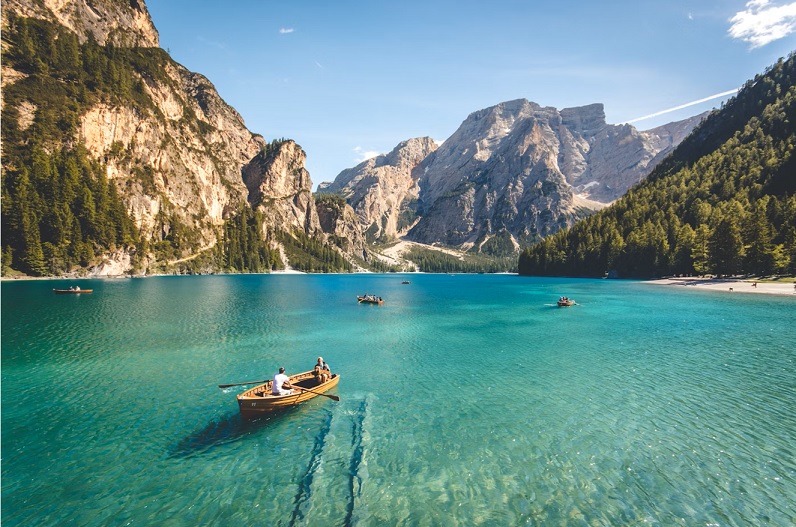
The Taiwan That Clicks: One Urban Core, One Nature Leg, One Buffer Day
The structure that usually works best: Taipei anchor + one west/south culture city + one mountain/coast reset.
Example: Taipei for city flow and food depth, Taichung or Tainan for contrast, then Hualien/east coast or Alishan/sun-moon area for scenery tempo.
My blunt take: you don’t need to “complete” Taiwan in one go. You need a route that feels good while you’re actually living it.
Days 1–4 Taipei, Days 5–7 culture base, Days 8–10 nature/coast, Day 11 buffer, Day 12 departure.
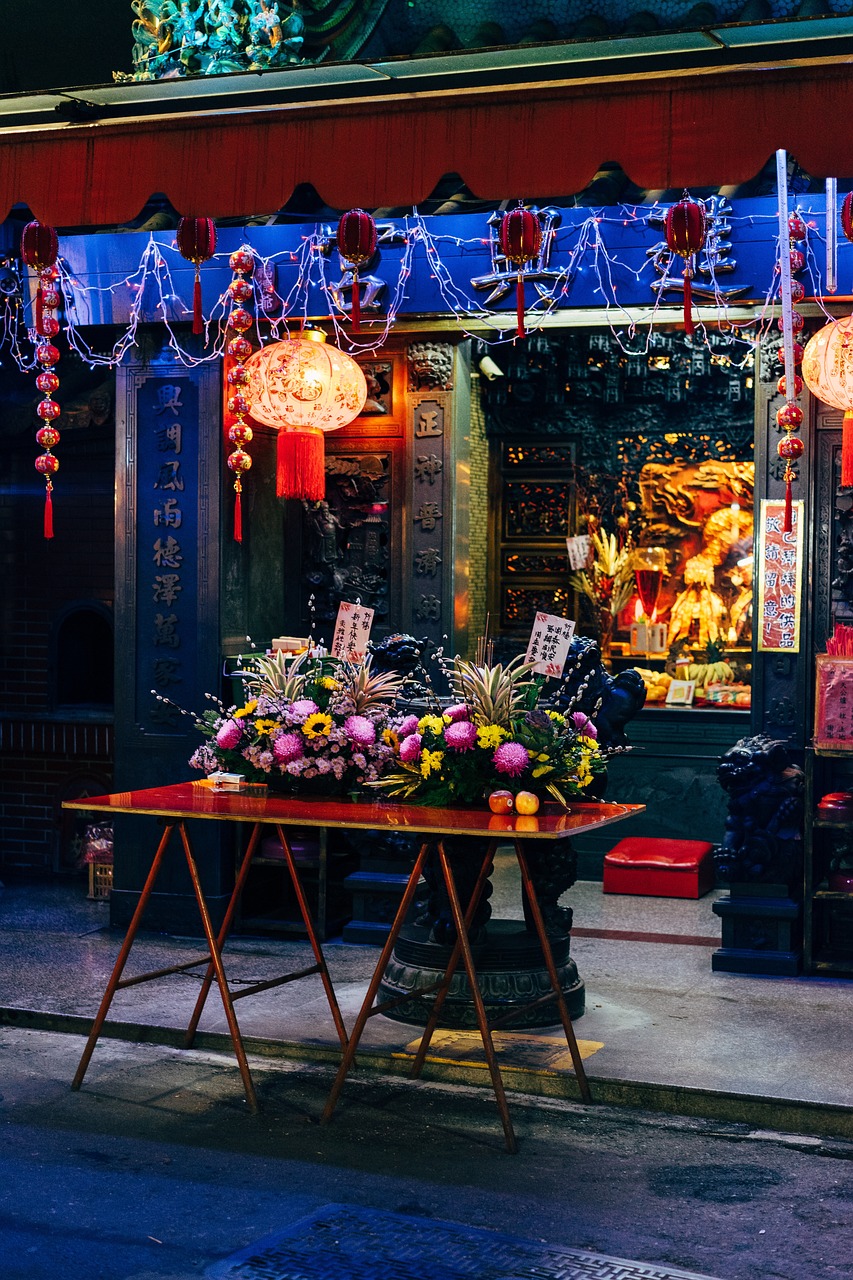
Vibe Check: Which Taiwan Are You Here For?
Choose your dominant lane first, then layer one contrast lane.
City + Food Momentum
Taipei and urban hubs for markets, neighborhoods, design pockets, and late-night food rhythm.
Culture + Heritage Texture
Temple streets, historic districts, tea culture, and region-specific culinary traditions.
Mountain + Coast Reset
Forest rail, gorges, hot springs, and east-coast views when you need breathing space.
Taiwan in Four Seasons (Text + Icons)
Weather varies across the island. For example, mountain conditions can differ sharply from the coast.
Spring
Best for: city walks and mountain outings, although conditions vary by elevation.
Summer
Best for: coastal visits, but plan for heat, humidity and possible storms.
Autumn
Best for: balanced routes and comfortable travel days; however, check local forecasts.
Winter
Best for: city food and hot springs, although mountain weather can be cold.
Weather varies by region and elevation, so keep a flexible alternative each day.
Daily Rhythm Comparison (Taiwan Edition)
Use tempo planning so your trip stays immersive instead of rushed.
City Food Rhythm (Taipei / Taichung)
- Morning: Explore one district, then stop for tea or coffee.
- Midday: Visit a museum or enjoy a longer lunch.
- Late afternoon: Choose a park, temple or neighborhood walk.
- Evening: Visit a night market, then try a dish you have not had before.
- Energy load: Medium.
Culture Rhythm (Tainan / Lukang style days)
- Morning: Explore a historic street.
- Midday: Have lunch, then take a shaded break.
- Late afternoon: Visit a temple or old street.
- Evening: Enjoy dinner, then wind down early.
- Energy load: Low to medium.
Nature Rhythm (East Coast / Highlands)
- Morning: Choose a walk or viewpoint after checking conditions.
- Midday: Rest and drink water.
- Late afternoon: Choose a short scenic stop or hot spring.
- Evening: Have a calm dinner, then get a good night’s sleep.
- Energy load: Medium to high.
Don’t run high-energy city and high-effort nature patterns back-to-back every day.
Rob’s Choice: One Food Win + One Activity Win
One sensory anchor plus one movement anchor makes Taiwan stick in memory.
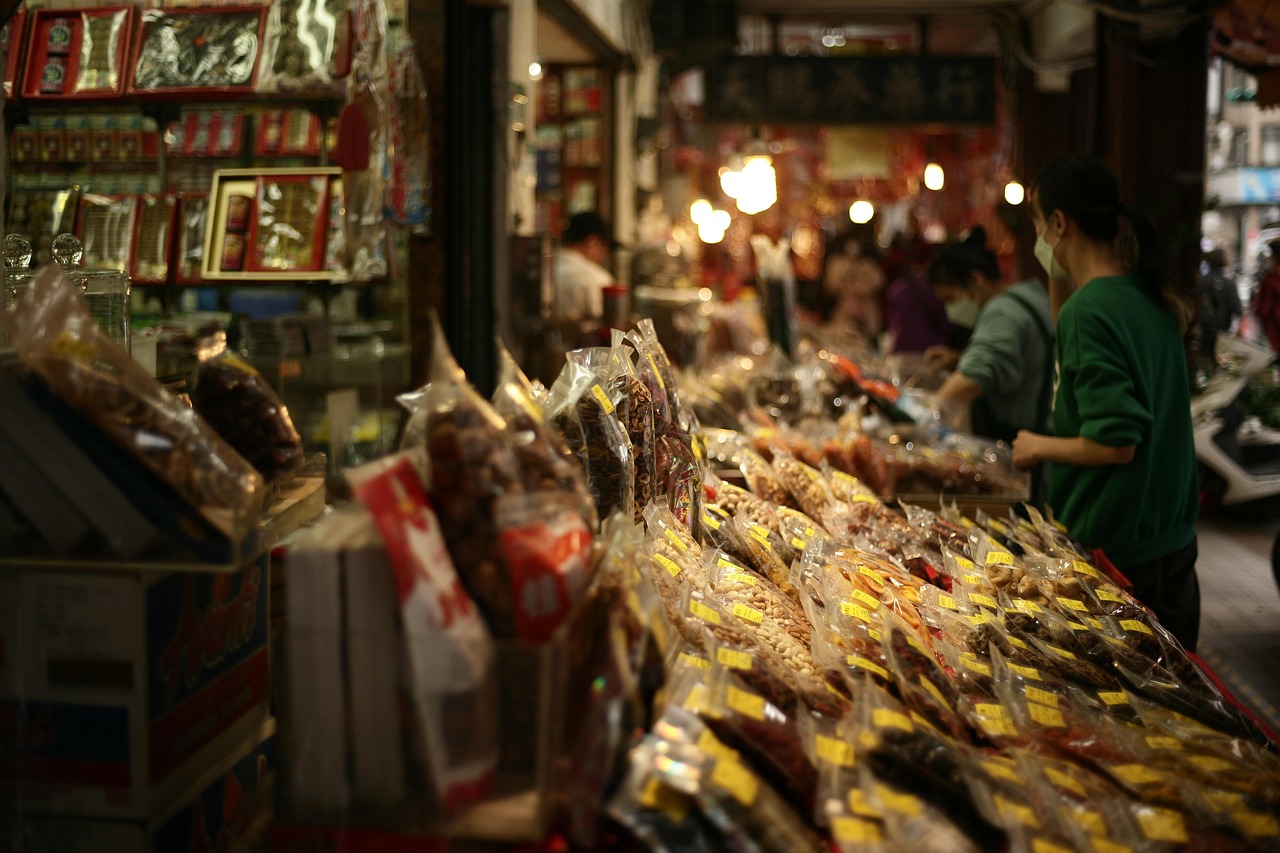
Food pick: One structured night-market circuit
Go in with a shortlist, share portions, and pace it. Taiwan food nights are better when intentional, not chaotic.
Activity pick: Sunset hill trail or riverside ride
Taiwan transitions beautifully at golden hour. A short movement block before dinner improves the whole evening rhythm.
One planned food story + one planned movement story beats twenty rushed check-ins.
Safety: Suggestions, Warnings, and Calm Taiwan Rules
Taiwan is typically very manageable for travelers, but smart planning still matters.
Smart habits
- During storm-prone periods, check weather alerts and transport updates.
- In mountain areas, stay on marked trails and respect closures.
- Also, carry water and a light rain layer.
- Before you go, save emergency contacts and addresses offline.
- Keep a backup card or cash separately from your main wallet.
Warnings worth respecting
- Heavy rain and typhoons can affect mountain and east-coast access, so check conditions locally.
- Heat and humidity can be tiring; therefore, take breaks on city walks.
- For steep trails, wear suitable footwear and allow enough time.
- Night market crowding can slow movement and decision quality.
- Before departure and major route changes, recheck official advice.
Weather and route planning matter, but so do current safety conditions. Check official guidance before and during your trip.
Official checks before departure
Women travelers: confidence plan
- Choose a well-reviewed stay near transport, so getting around is easier.
- After arriving, get to know the neighborhood in daylight.
- For late trips, use licensed transport and keep the route simple.
- If a situation feels uncomfortable, move to a busy public place.
Taiwan Travel Guide: Planning Essentials
Set these once and Taiwan becomes very low-friction.
Entry + pre-arrival checks
Entry rules vary by passport, so check requirements before booking non-refundable travel.
Intercity movement
Plan rail journeys first, then add local buses or day trips.
Money + payments
- Cards are common in cities, but keep cash for smaller vendors and markets.
- Set a daily TWD target and track with a USD overview.
- Also, keep an eye on small daily purchases.
Connectivity + map discipline
- Before a transfer, save hotel addresses in English and Chinese if available.
- Then save ticket codes and platform information offline.
- Also, keep a simple checklist for transfer days.
Base Plans: 3 Taiwan Structures That Work
Taipei, Taichung and Hualien
- This route combines city food and culture with a nature stop.
- For a first visit, check connections and keep the pace manageable.
- Allow nine to twelve days, so there is time to enjoy each stop.
Southern Cities: Taipei to Kaohsiung
- Follow the west coast for food and cultural stops.
- Then compare rail connections between your chosen cities.
- Allow roughly eight to eleven days, depending on your pace.
Mountain and Heritage Route
- Combine a mountain stay with a historic city.
- For a calmer trip, leave a lighter day between transfers.
- Allow roughly ten to thirteen days, then adjust for your interests.
Costs: What Actually Moves the Budget
Where people overspend
- Frequent one-night stays add travel time, so consider a longer base.
- Last-minute changes can cost more; therefore, check the terms before booking.
- Daily snack and café drift without a cap.
- Popular areas can be more expensive at weekends, so compare dates.
- Stacking paid attractions on high-fatigue days.
How to keep it sane (USD-first mindset)
- Set daily USD budget targets, execute in TWD.
- Book core transport/hotels early, keep selective flex.
- Choose the special meals or experiences that matter most, then balance them with simpler days.
- Also, leave lighter days for rest and lower-cost activities.
Taiwan can suit different budgets. However, transport and accommodation choices affect the total.
Un-Googleable Taiwan: Small Moves, Big Difference
Treat transfer mornings as admin blocks
Tickets, baggage plan, weather check, and station mapping before breakfast reduces travel-day stress massively.
Pick one “known good” meal zone per base
It prevents decision fatigue and gives your day a reliable fallback option.
Don’t overbuild east-coast days
On the east coast, leave time for stops and check current road and trail conditions.
Protect final 24 hours before departure
Before departure, avoid unnecessary transfers and leave a buffer.
Gap Analysis: Is Taiwan Right for Your Style?
You’ll love it if…
- You like urban convenience plus easy nature escapes.
- You also care about food as part of the trip.
- You want clear transport systems and route flexibility.
- You enjoy structured planning with room to drift.
Plan around it if…
- You prefer totally static, single-base resort trips.
- If humidity bothers you, compare seasons and plan indoor breaks.
- You tend to overbook days, so leave time for rest.
Taiwan rewards calm route logic, weather-aware flexibility, and balanced day design.
Taiwan FAQs
Short answers to practical planning questions.
How many days do I need for a first Taiwan trip?
Eight to twelve days is ideal for Taipei plus two contrast bases.
Is Taipei enough for a first visit?
Taipei is an excellent anchor, but adding at least one nature or regional leg makes the trip far richer.
Is Taiwan easy for first-time travelers?
Yes—especially if you keep to 2–3 bases and plan intercity transport ahead.
What breaks Taiwan trips most often?
Over-packed day plans and unnecessary hotel switching.
What should I confirm before departure?
Entry rules, weather windows, core transport bookings, and latest official advisories.
Join the conversation
Are you planning Taiwan as city-food first, nature first, or a balanced split? Share your route and timing so other travelers can learn from your setup too.