SOUTHEAST ASIA LANE
Singapore Travel Guide: High-Efficiency City Energy, Green Spaces, and a Route That Still Feels Human
Singapore is ultra-organized, but that doesn’t mean your trip should feel over-engineered.
My planning rule here is simple: one neighborhood anchor per half-day, one food focus each evening, and one recovery window daily.
If you zigzag across the island nonstop, you burn energy for no reason. If you cluster your days by zone, Singapore feels smooth and surprisingly spacious.
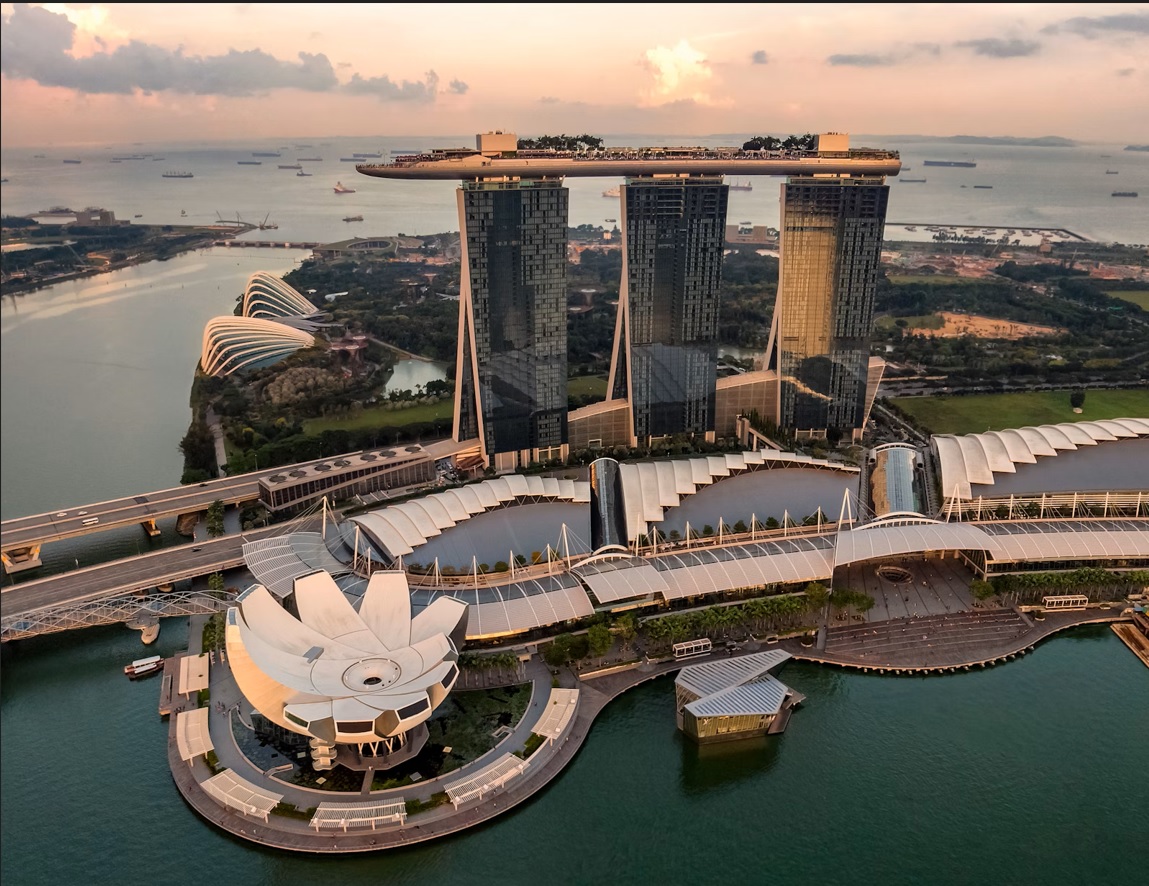
Need the Gist? (60-Second Scan)
Singapore is easy to navigate and super efficient—but your experience depends on rhythm, not speed.
- Best first move: Pick a central base with MRT access and walkability.
- Ideal first trip: 3–5 days for city highlights plus one nature or island contrast.
- Classic mistake: Turning each day into a 12-hour attraction sprint.
- Big win: Zone your itinerary (Marina/City, Culture, Nature, Neighborhoods).
- My rule: One “must-do” + one “nice-to-do” block each day.
Singapore isn’t hard to “do,” but it is easy to overdo. Pacing is the quality lever.
- Exceptionally strong public transport and wayfinding.
- Neighborhood diversity is a major strength of the destination.
- Food culture ranges from hawker centers to premium dining.
- Green spaces are built right into the city structure.
60-Second Fit Check
- Ideal style: Urban comfort + food exploration + clean logistics.
- Energy level: Low to medium (or medium-high if you pack too much in).
- First-timer friendly: Very, especially for solo travelers.
- Budget vibe: Flexible—can be premium, but still manageable with smart choices.
- Transport spine: MRT first, walking second, ride-hailing for time saves.
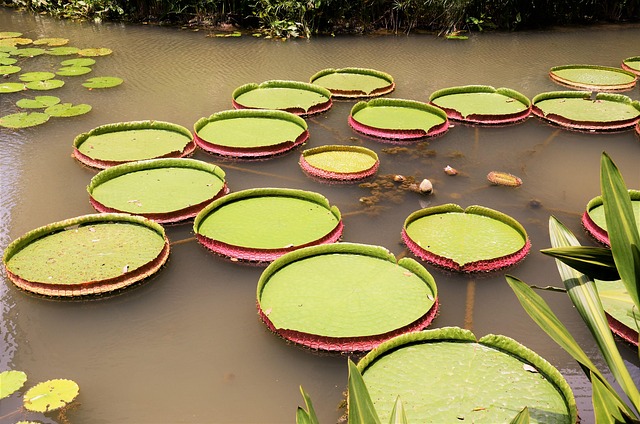
The Singapore That Clicks: Zone Days, Not Endless Cross-Island Zigzags
The structure that works: cluster your day by district, lock one food anchor, and leave white space in the schedule.
Example: Marina Bay + Civic core together, then Chinatown/Tanjong Pagar together, then one nature day.
My blunt take: Singapore is less about “how much” and more about “how intentionally.”
Day 1 Bay + city landmarks, Day 2 culture districts + hawker crawl, Day 3 nature/sentosa choice, Day 4 flexible slow close.
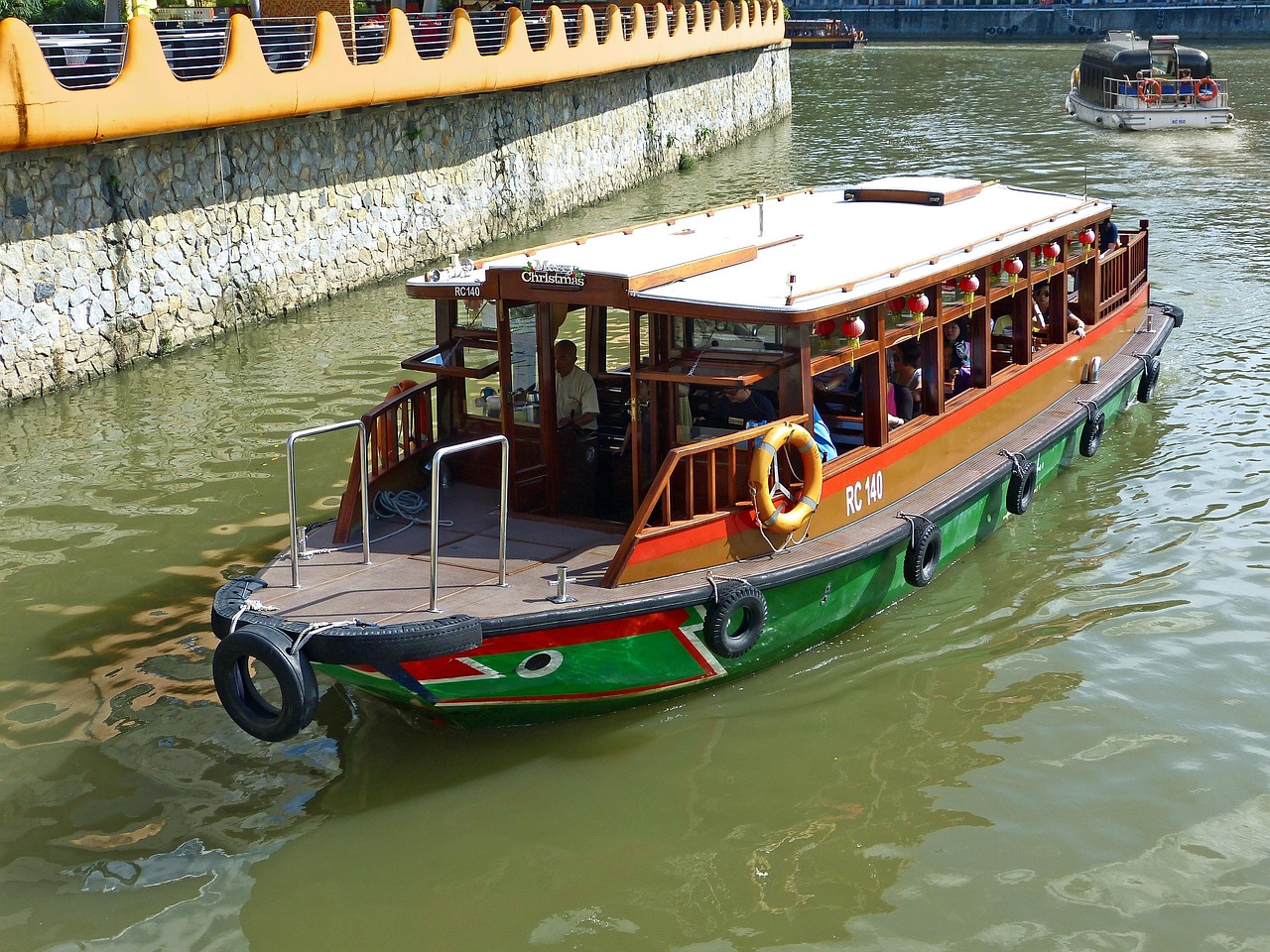
Vibe Check: Which Singapore Are You Here For?
Pick your dominant lane and add one contrast lane.
City Icons + Skyline Energy
Marina Bay, architecture, polished urban design, and big visual landmarks.
Food + Culture District Flow
Hawker rhythm, heritage areas, and district-by-district local texture.
Green Reset + Waterfront Pace
Gardens, parks, boardwalks, and calmer movement between city blocks.
The Major Destinations
In Singapore, think by precincts, not by long transfers: one skyline core, one heritage core, one nature leg, one island reset.
Marina Bay Core
Marina Bay is Singapore’s signature visual district and practical first anchor: Merlion Park, Marina Bay Sands zone, and easy links to major attractions. It gives you a clean orientation loop on day one without wasting energy.
- Best for: first-time orientation, skyline views, iconic city identity.
- Trip logic: start here and branch outward by MRT.
- Pacing tip: do the bay loop in late afternoon into evening for best atmosphere.
You get Singapore’s “big picture” fast, then travel with context.
Gardens by the Bay Precinct
Gardens by the Bay is one of Singapore’s flagship attractions with strong day-to-night payoff (Flower Dome, Cloud Forest, Supertree area). It’s ideal as a deliberate half-day or evening block connected to Marina Bay.
- Best for: architecture + nature contrast in one location.
- Trip logic: pair directly with Marina Bay walk sequences.
- Pacing tip: avoid stacking too many ticketed attractions in one day.
This is a quality stop when you give it real time, not a rushed photo detour.
Singapore Botanic Gardens + Orchard Edge
Singapore Botanic Gardens is Singapore’s UNESCO World Heritage Site and an excellent lower-intensity leg between high-energy urban blocks. It adds historical depth and breathing space to a city-heavy route.
- Best for: slower mornings, heritage landscape, climate-friendly pacing.
- Trip logic: place after a dense city day to rebalance energy.
- Pacing tip: combine with a nearby neighborhood instead of multi-stop cramming.
Singapore’s best rhythm often alternates “iconic urban” with “quiet green.”
Sentosa + Southern Waterfront
Sentosa gives you a lighter, recreation-forward counterpoint to downtown Singapore. It works best as a deliberate reset block rather than an all-day overpacked attraction sprint.
- Best for: families, relaxed tempo, and “switch-off” hours.
- Trip logic: slot before departure day or after heavy city exploration.
- Pacing tip: choose two key experiences max and keep the rest flexible.
Singapore feels richer when you plan it as precinct rhythms, not a checkbox list.
Singapore in Four Seasons (Text + Icons)
No image here by design—just practical weather rhythm planning.
Inter-Monsoon Pattern
Best for: flexible city days with rain-aware indoor/outdoor swaps.
Warmer Stretch
Best for: early starts, shaded midday breaks, and evening exploration.
Rain-Heavy Window
Best for: museum/cultural layering with opportunistic outdoor slots.
Shoulder Balance
Best for: first-time routes that need flexibility, not rigid timelines.
In Singapore, heat and humidity planning matters daily—more than season labels alone.
Daily Rhythm Comparison (Singapore Edition)
Pick one daily tempo and stick to it. Mixing all tempos every day causes burnout.
Urban Icons Rhythm
- Morning: major landmark window while energy is high.
- Midday: indoor/air-con recovery block.
- Late afternoon: second visual landmark or waterfront walk.
- Evening: skyline + dinner anchor.
- Energy load: Medium.
Food & District Rhythm
- Morning: one neighborhood discovery loop.
- Midday: hawker + hydration + short break.
- Late afternoon: second district with lower intensity.
- Evening: dedicated food-focused session.
- Energy load: Low to medium.
Green-Reset Rhythm
- Morning: park/garden block with gentle movement.
- Midday: cool-down + refuel indoors.
- Late afternoon: short urban contrast activity.
- Evening: simple dinner + early finish.
- Energy load: Low.
Singapore rewards clean route logic. Don’t waste your best hours commuting unnecessarily.
Rob’s Suggestions: One Food Win + One Activity Win
Give yourself one taste-memory and one movement-memory every day.
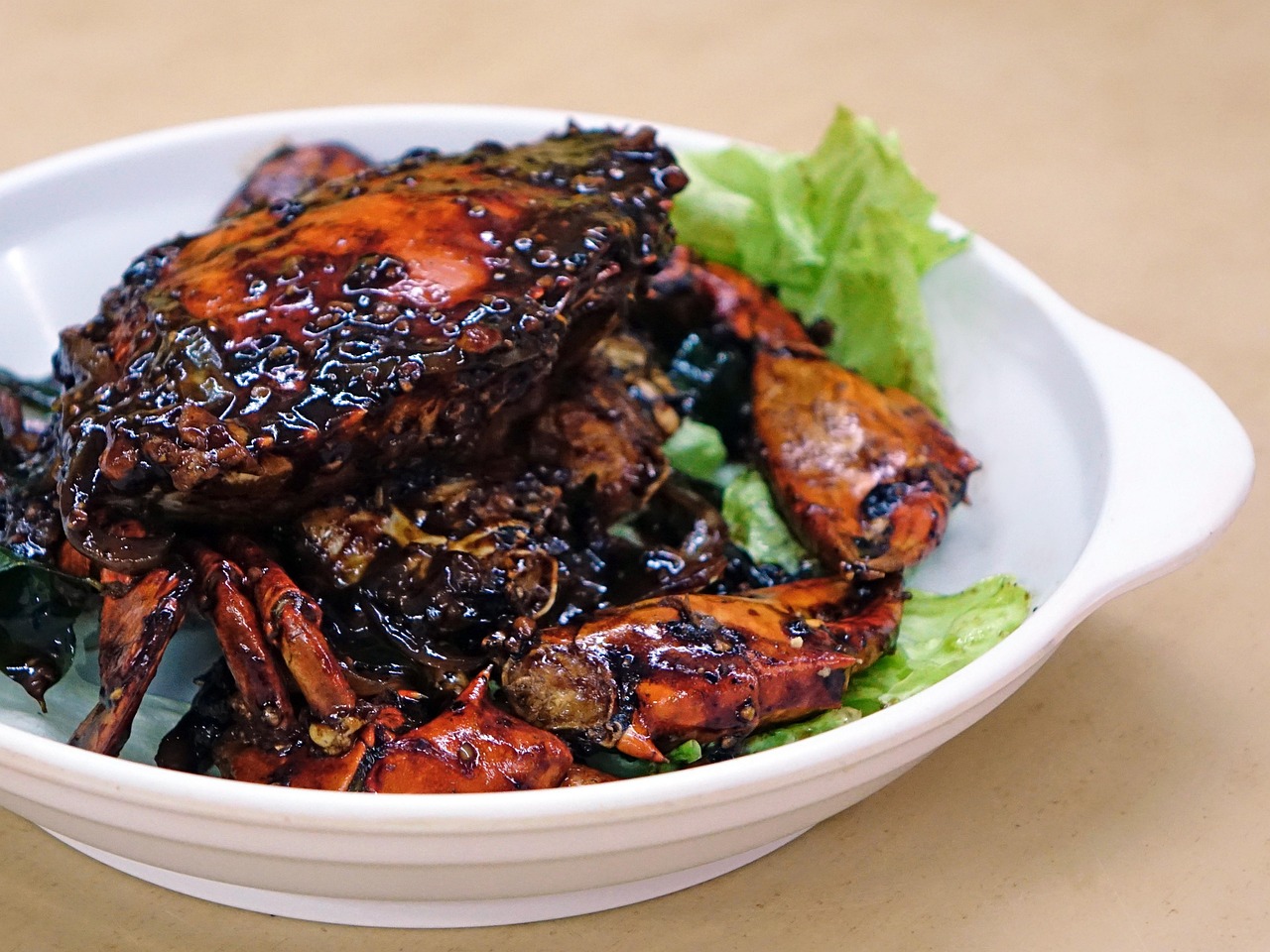
Food pick: One intentional hawker session
Don’t just pass through. Sit, observe, taste with intent, and let that meal define part of the trip. Also consider a sit down Black Pepper Crab plate. Delicious!
Activity pick: Evening waterfront loop
Singapore’s night atmosphere is one of its strengths. A purposeful evening walk gives you city energy without burnout.
One strong food anchor + one strong movement anchor beats scattershot planning every time.
Safety: Suggestions, Warnings, and Smart City Rules
Singapore is generally low-friction and orderly, but practical habits still matter.
Smart habits
- Hydrate consistently and plan shade/air-con resets in humid conditions.
- Use official transit routes and keep key addresses pinned offline.
- Watch pedestrian pace around transport nodes to reduce stress.
- Carry a light rain layer for sudden weather shifts.
- Respect local regulations and signage at all times.
Warnings worth respecting
- Heat fatigue can sneak in when you’re walking long city days.
- Overloaded itineraries reduce enjoyment fast in high humidity.
- Peak-hour transport can eat time if you don’t route smartly.
- Late-night overextension can compromise next-day quality.
- Re-check official advisories close to departure.
In Singapore, safety risk is often less about threat and more about pace, weather, and fatigue management.
Official checks before departure
Women travelers: confidence plan
- Choose central accommodation with strong recent reviews.
- Do a daylight orientation walk in your base area.
- Use MRT/ride-hailing for efficient late transfers.
- If a space feels off, move to busier, brighter zones immediately.
Logistics Lite
Nail these early and your Singapore trip runs effortlessly.
Entry + pre-arrival checks
Entry rules vary by passport. Confirm visa/arrival requirements before locking non-refundable bookings.
Getting around
MRT is the backbone. Cluster activities by station zones and use ride-hailing to save time selectively.
Money + payments
- Card payments are widely accepted; keep a small cash layer anyway.
- Track daily costs because “small premium” add-ons accumulate quickly.
- Use one backup card and keep it separate from day-use wallet.
Connectivity + map discipline
- Save MRT exits and attraction pins before leaving your hotel.
- Screenshot booking confirmations and QR passes.
- Use a short daily plan note to avoid decision fatigue.
Base Plans: 3 Singapore Structures That Work
Plan A: First-Timer Core (4 Days)
- Marina/Civic + Culture Districts + Green Day + Flex Day.
- Balanced depth without overload.
- Great first Singapore rhythm.
Plan B: Food & Neighborhood Arc (3–4 Days)
- District-based route with evening hawker anchors.
- Lower attraction pressure, higher lived texture.
- Excellent repeat-visitor style.
Plan C: Singapore + Regional Connector
- Use Singapore as a clean logistics anchor in multi-country trips.
- Great pre/post long-haul decompression point.
- Ideal for efficient transitions.
Costs: What Actually Moves the Budget
Where people overspend
- Last-minute premium attraction ticketing.
- Too many paid viewpoints/experiences in one day.
- Ride-hailing for every short leg instead of MRT.
- Unstructured café/snack spending.
- Overly expensive accommodation zones without practical need.
How to keep it sane (USD-first mindset)
- Set daily USD targets, track live spend in SGD.
- Pick one premium activity per day max.
- Blend hawker meals with selective premium dining.
- Use MRT as default transport spine.
Singapore can be very manageable when you run a structured, zone-based day design.
Un-Googleable Singapore: Small Moves, Big Difference
Run neighborhood blocks, not attraction chains
You’ll walk less, see more, and finish days with better energy.
Lock a weather pivot every day
One indoor backup option keeps rain/humidity from breaking momentum.
Reserve an evening for “no agenda” wandering
That’s often when Singapore feels most alive and least performative.
Protect your departure eve
A lighter final day keeps the trip ending clean instead of rushed.
Gap Analysis: Is Singapore Right for Your Style?
You’ll love it if…
- You value efficient transport and clean travel infrastructure.
- You enjoy food culture with lots of variety in small distances.
- You want a safer-feeling, first-timer-friendly urban base.
- You like mixing city design with green-space resets.
Plan around it if…
- You want rugged, low-structure backpacker chaos.
- You strongly dislike humidity-heavy climates.
- You expect low costs without budget strategy.
Singapore is premium, practical, and rewarding when you plan by zones and protect your pace.
Singapore FAQs
Short answers to practical planning questions.
How many days do I need for Singapore?
Three to five days works well for first-time travelers.
Is Singapore good for solo travelers?
Yes—its transport, safety profile, and clarity make solo travel straightforward.
Can I do Singapore on a moderate budget?
Yes, if you combine MRT use, hawker meals, and a disciplined activity budget.
What breaks Singapore trips most often?
Overloaded itineraries, poor heat/humidity planning, and too much cross-island zigzagging.
What should I confirm before departure?
Entry rules, current advisories, weather expectations, and key booking windows.
Join the conversation
Are you planning Singapore as a first-timer city break, a food-focused neighborhood trip, or a regional connector stop? Share your route idea so other travelers can learn from your setup.