By Rob Wheatley · Reviewed October 31, 2026 · Currency: USD / PAB
First, give Panama more than a connection
Panama often appears in travel plans as the place where one flight becomes another. That is useful for the airline, but a rather limited introduction to a country. There are historic streets, forest outings, coffee-growing highlands and very different coastal stays beyond the departure gate.
My rule is simple: start with Panama City, then choose the next chapter deliberately. For a short visit, that might mean a nearby coastal or mountain stay. With more time, compare Boquete or Bocas del Toro. However, count the transfer before congratulating yourself on the variety.
Read the regional warnings first
As checked on October 31, 2026, the US advisory is Level 2: Exercise Increased Caution due to crime. It also lists the Mosquito Gulf and specified parts of the Darién Region as Level 4: Do Not Travel. Read the full geographic detail below; these areas do not belong in a casual extension plan.
Read the full official advisoryIn a nutshell: your 60-second Panama scan
First, choose the kind of holiday you want. Then make the transport and accommodation support that decision.
The useful cheat sheet
- First choice: city and Canal, highlands, coast—or a sensible combination?
- Suggested first visit: 7–10 nights with two main bases.
- Language: Spanish; a few friendly phrases help.
- Money: US dollars circulate alongside balboa coins.
Does it fit your holiday?
Panama can suit a city break with nature nearby, a highland escape or a coastal holiday. However, heat, traffic, boat access and longer transfers deserve attention. Before booking, ask what each day involves. An island photograph tells you surprisingly little about the landing stage.
The Panama that clicks: choose the next chapter
This Panama travel guide starts with one useful question: after the capital, do you want cooler highlands, time by the water or a smaller journey nearby?
Panama City and the Canal
Give the capital time for Casco Antiguo, the waterfront and a Canal visit. Also, distinguish a visitor-centre outing from a boat excursion or a full transit. They are different experiences. Check the Canal’s official visitor site for current tickets and ship movements before organising your day around a distant vessel.
Boquete, Bocas or a closer escape?
Boquete offers a mountain base for coffee and outdoor interests, while Bocas del Toro brings Caribbean islands and coastal culture. Alternatively, compare El Valle de Antón or the Pacific Riviera if you want a different pace closer to the capital. Then check the entire connection, including any road, flight or boat segments.
Vibe check: which Panama is calling?
A city with several stories
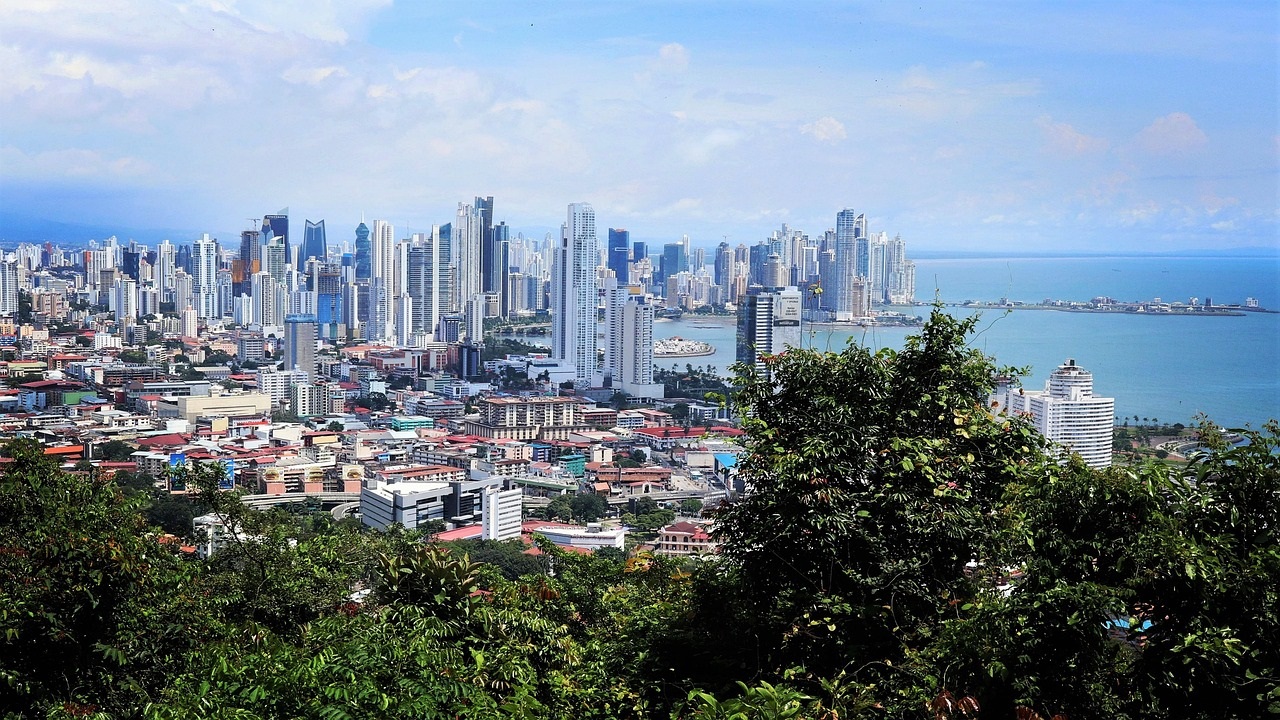
Explore the capital for its food, waterfront and layers of history, rather than using it only as a bed near the Canal. Then leave time between the main sights. However, choose accommodation and evening transport carefully; a lively district and an isolated street can feel very different after dark.
Coffee country and a cooler change
Compare Boquete with Tierras Altas if farms, forest walks and coffee interest you. Next, choose outings for your fitness and curiosity. A coffee experience can explain the grower, processing and tasting without turning lunch into a technical examination. Also, check local weather before committing to exposed trails.
Culture led by the people who live it
Panama’s Afro heritage and Indigenous communities offer more than a colourful background. Therefore, seek locally led experiences and follow your host’s rules on visits and photography. Ask who benefits from the booking. Then listen; a useful cultural encounter leaves room for someone else to shape the conversation.
An island stay with the right expectations
For Bocas del Toro or another coastal base, check the exact property, boat access and surroundings. In particular, distinguish a waterfront deck from a swimming beach. Then ask about meals, electricity, luggage and weather disruption. A remote stay can be wonderfully restful when the practical arrangements suit you.
When to visit Panama: plan for your region
Panama is tropical, but a capital-city forecast cannot describe every mountain or island. Therefore, compare the specific places and activities you want before choosing your dates.
December–February · a popular travel window
The Pacific side generally moves into its drier period around December, making this a popular time to visit. Therefore, secure important accommodation and outings early around holidays. However, Caribbean weather still needs its own check. A dry-season label is not a promise for every coast.
March–May · heat and a seasonal change
Allow shade, water and rests during hot lowland days. Also, check holiday dates before assuming a quiet road or empty hotel. As the wetter period approaches, ask your host about local conditions. The best plan leaves room for both a worthwhile morning and an unhurried afternoon.
June–August · give the weather some room
During the wetter months, keep outdoor priorities flexible and check access before setting out. Rain can affect roads, trails and boat outings. Therefore, compare cancellation terms as well as the attractive photographs. Meanwhile, a city museum, a coffee visit or a slow lunch may fit a changed day.
September–November · check access carefully
Heavy rain can disrupt a neatly drawn route, especially when remote roads or boats are involved. Consequently, ask about current access and avoid tight onward connections after island stays. Also, check local forecasts and alerts. I would protect the flight home before adding one final offshore outing.
Street smarts: small decisions, better days
Choose the neighbourhood and the ride
Keep valuables discreet and arrange reliable transport for unfamiliar evening journeys. Also, ask your accommodation about the immediate area rather than relying on a district name. Avoid demonstrations, which can disrupt transport with little notice. If plans change, a reputable local contact is more useful than stubborn optimism.
Treat every beach as a fresh decision
Both coasts can have dangerous currents and large waves, while few public beaches have lifeguards. Therefore, ask about conditions and follow local warnings before entering the water. Avoid swimming alone or at night. A beautiful sea still deserves a practical conversation.
Remote outings need a real operator
Compare registered guides, equipment, communications and emergency arrangements before paying. Then explain any access or health concern clearly. Medical help may be difficult to reach in remote areas, so suitable evacuation cover matters. Also, check the advisory’s geographic restrictions before accepting an adventurous detour.
Food: leave room for the next plate
Panama’s food reflects several communities and regions. Instead of hunting for one definitive dish, start with a local kitchen and ask what it does well.
A fonda and something worth pausing for
A fonda can offer an approachable introduction to everyday cooking. Look for dishes such as arroz con pollo, carimañolas or hojaldres, then ask about the day’s preparation. Also, explain allergies clearly. A modest-looking plate can still contain an ingredient your stomach would prefer to discuss first.
Caribbean flavours and highland coffee
Around Bocas del Toro and Portobelo, explore food shaped by Afro-Caribbean traditions, including coconut and spice. Meanwhile, Boquete and Tierras Altas offer coffee experiences with a different focus. Ask about local ingredients and producers. Then slow down; the tasting deserves more than the time left before a transfer.
Logistics lite: connect the whole journey
Entry rules need your passport details
Check visa rules for your nationality, passport validity, onward travel and proof of funds. US guidance lists visa-free tourist visits under 180 days, but other passports can have different limits. Also, review current health requirements for your recent travel history. Use official guidance and confirm the permitted stay on arrival.
Check the airport before the connection
An international arrival and a domestic departure may involve different airports. Therefore, check the actual airport codes, transfer time, baggage rules and check-in limits before booking. For highland or island extensions, compare the complete door-to-door journey. A short flight is only one part of the day.
Money, cover and practical backups
US dollars are in everyday circulation, alongside balboa coins. Still, ask about payment options before a remote stay and keep a practical cash backup. Also, check insurance for medical care, evacuation and your planned activities. A card in your wallet is not the same thing as confirmed cover.
Access means asking specific questions
Confirm steps, bathroom layouts, boat boarding and the approach to your accommodation before paying. Outside Panama City, accessible infrastructure can be limited. Therefore, ask about the precise route and available help. Keep booking details offline too; the most useful message is often the one you saved before losing reception.
Panama itinerary ideas: three sensible shapes
These are my suggested planning structures, rather than fixed packages. First, count arrival, transfer and departure days. Then decide how much variety genuinely fits.
About a week: capital plus one change
Compare three or four nights in Panama City with a nearby mountain or coastal stay. Then choose a few worthwhile outings, including the Canal if it interests you. I would keep Boquete and Bocas for a longer trip rather than make a short week revolve around changing bases.
10–14 days: city and highlands or islands
Give the capital several nights, then choose Boquete or Bocas del Toro for the next chapter. Meanwhile, allow space for the return connection and weather changes. If you add a third base, check that it earns its transfer. More place names do not automatically create a richer holiday.
A longer visit: combine with care
With more time, compare city, highlands and islands, giving each stop enough nights to justify moving. Alternatively, deepen one region instead. A Costa Rica extension needs separate entry and transport planning. The Darién is not an overland shortcut into Colombia; follow the official regional warnings.
Panama costs: price the trip between the rooms
Transfers can change the budget
Add flights, road transfers, boat journeys, luggage charges and excursions before comparing accommodation prices. Then ask what each quote includes. A seemingly inexpensive island room can require several paid connections. My blunt take: the route often decides the budget before the breakfast menu gets a vote.
Choose the Canal experience deliberately
A visitor-centre ticket, a guided city outing and a Canal boat trip offer different days and costs. Therefore, choose the experience first, then compare providers. Use the official Canal site for current visitor information. Also, check what happens if weather or operating conditions change your planned excursion.
Give unbooked days somewhere pleasant to happen
Choose a base with meals, shade and something enjoyable nearby. Then leave a little room without an excursion. That space can absorb weather changes while reducing the feeling that every good day needs another payment. Meanwhile, fewer moves can save money and give the holiday a calmer rhythm.
The small Panama moments worth keeping
Watch the Canal with a question
Instead of simply collecting a photograph of a ship, ask how the crossing works and what it means to Panama. Then give the explanation time. A huge vessel moving through a narrow space is impressive; understanding the work around it makes the scene more interesting.
Ask whose recipe it is
When a dish catches your attention, ask about its ingredients and background. Also, notice how the answer changes between regions and communities. A food conversation can introduce a place more naturally than another checklist. However, curiosity works best when it comes with good manners and a little patience.
Let one morning stay local
Keep time for a market, a coffee or a walk without a complicated destination. Meanwhile, that breathing room gives a delayed outing somewhere to move. My rule: leave enough space to enjoy the place you chose, rather than treating it as a platform for the next departure.
Panama travel guide: questions before booking
Is one week in Panama enough?
A week can work well for Panama City and one carefully chosen second base. However, it is short for the capital, western highlands and Caribbean islands together. Count complete transfer days before dividing the nights. A focused route usually leaves more usable time.
Boquete or Bocas del Toro?
Choose Boquete if mountain scenery, coffee and outdoor interests lead the plan. Alternatively, compare Bocas for Caribbean islands and coastal culture. Then check the actual property, access and local conditions. They offer different holidays, so the better choice depends on the days you want.
Can I see the Canal on a short stop?
A short stay can include a Canal visit, but an airport layover needs careful timing. First, check entry permission, airport formalities, road traffic and your return deadline. Then compare those limits with the visitor-centre opening times. I would protect the onward flight before promising myself a sightseeing triumph.
Belize, Panama or Costa Rica?
Compare the holiday you want, then the route and budget. My Belize, Panama or Costa Rica article adds a personal perspective. You can also explore the Belize guide and Costa Rica guide before choosing.
Sources and a useful final check
Official sources reviewed October 31, 2026. Suggested routes and pacing are editorial recommendations. Entry rules, health requirements, transport arrangements and security advice need a fresh check before booking.
Panama Tourism: destinations · Travel requirements · Food and coffee · Official Canal visitor information · US travel advisory and entry guidance
A country worth arriving in
Choose a few experiences that interest you, connect them sensibly and leave room for the ordinary pleasures between them. Panama can offer more than a memorable crossing. The trick is giving yourself enough time to stop on either side.
Back to top ↑