DESTINATIONS · REGION HUB
Central America Travel Guide
Central America is where your trip starts feeling alive: jungle mornings, volcano silhouettes, Caribbean + Pacific coasts, Mayan ruins, and towns that still feel local. It rewards smart routing more than sprinting.
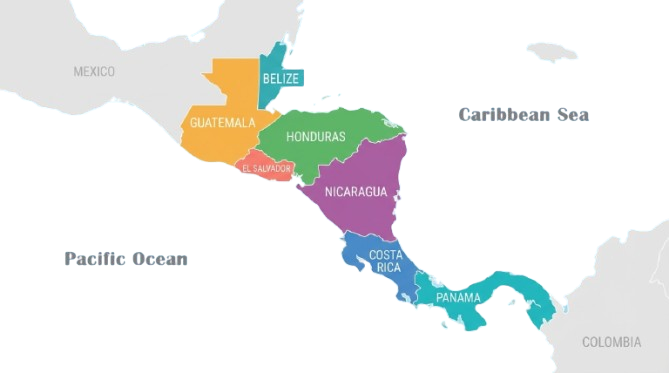
Travel advisory notes (because this varies within each country)
Here’s the honest version: in Central America, the advisory story is usually regional, not national. So a headline like “Country X = unsafe” is often misleading. The smarter move is to check the current advisory for the exact cities, coastlines, and border zones you’ll use — then route-plan around that.
Before you book anything non-refundable, check your government’s travel advice and read the section headings for “Areas to avoid,” “Crime,” “Demonstrations,” and “Transport.” Then double-check again about a week before you fly, because advisories can shift fast.
How to read advisories (without freaking out)
- Search by place: your beach town, your city neighborhood, your border crossing.
- Translate it into routing: avoid night arrivals, choose main corridors, book reputable shuttles.
- Watch border zones: some advisories are basically “avoid these specific areas.”
- Don’t ignore patterns: repeated warnings about the same issue usually matter.
Smart defaults that make trips calmer
- Arrive in daylight whenever you can (especially in new cities).
- Use trusted transport: hotel transfers, reputable shuttle companies, known bus lines.
- Choose accommodation location like you choose shoes: comfort + fit matters.
- Keep documents sensible: copies + cloud backup, originals locked away.
Local reality checks (the missing layer)
Government advisories are the baseline, but they can be broad. The most useful add-on is a local, current check for your exact destination.
- Ask your hotel/host: “Any areas we should avoid at night?”
- Check current transport advice for your route (shuttle vs public).
- Use up-to-date local news and official city pages when relevant.
This page isn’t a substitute for official advice. It’s a planning lens so you build routes that make sense.
Pick your first “anchor” country
In Central America, your best trip usually comes from one anchor (where you slow down), plus one or two add-ons (where you sample a different coast, culture, or landscape).
Belize
Caribbean water, reef days, and a laid-back pace.
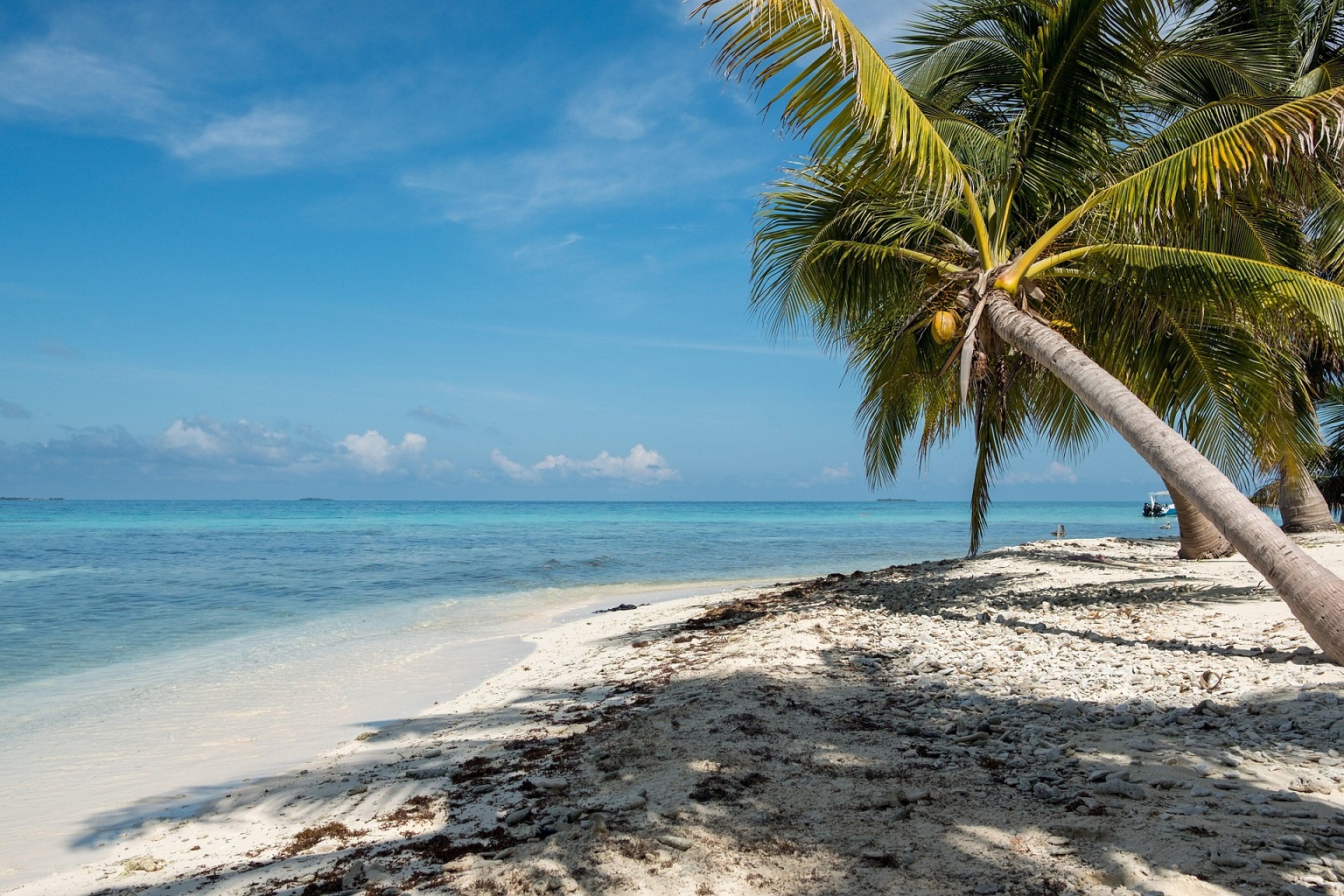
Best if you want sea + snorkel with easygoing towns. It’s a natural pairing with Guatemala (ruins + mountains) if you want contrast without chaos.
- Reef + island time
- Great “rest” country between busier routes
- Easy to combine with Guatemala
Costa Rica
Wildlife, volcanoes, cloud forest, and a polished travel flow.
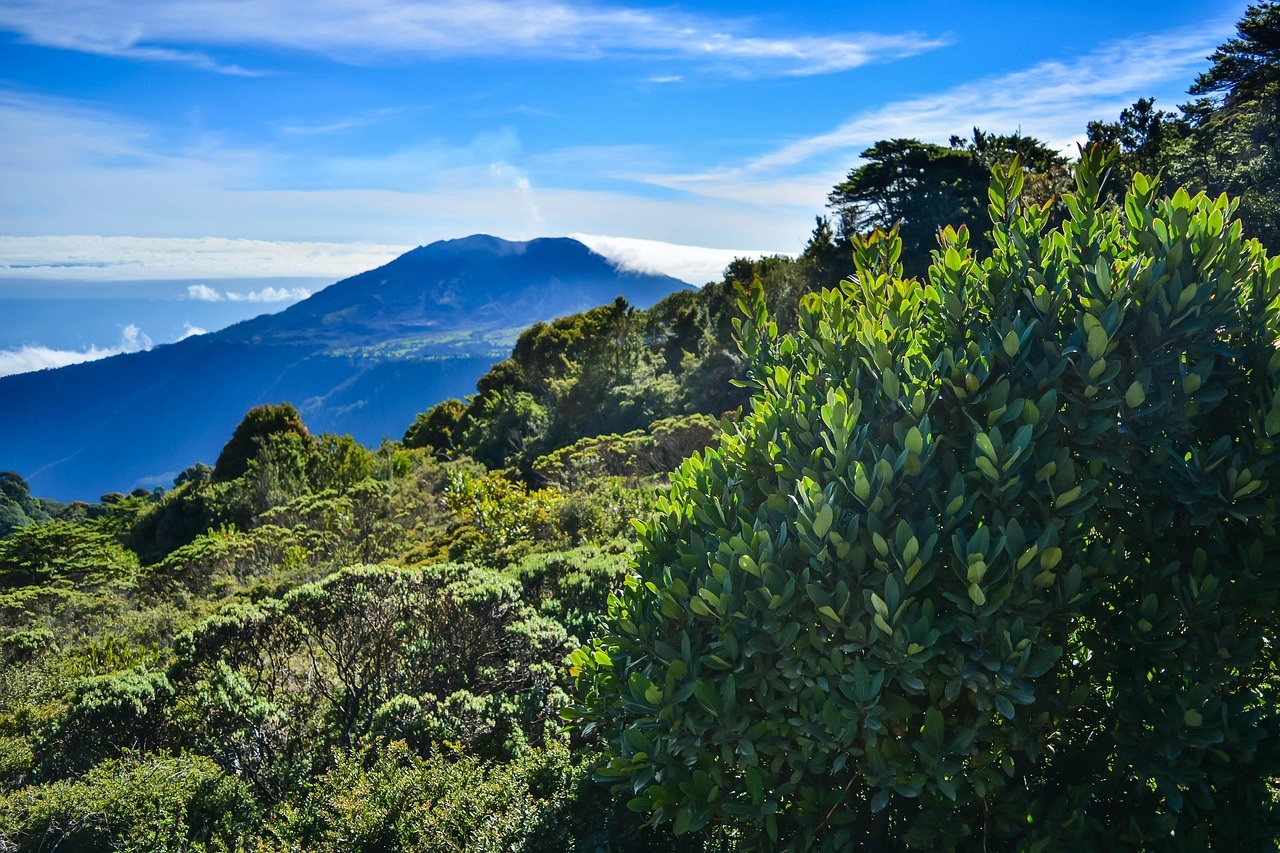
Best if you want nature on rails: you can do jungle, beaches, and volcano towns with solid infrastructure. It’s the “easy confidence” pick for first-timers in the region.
- Big nature with comfortable logistics
- Easy to tailor for comfort vs adventure
- Pairs well with Panama or Nicaragua
El Salvador
Surf coast energy and compact travel days.
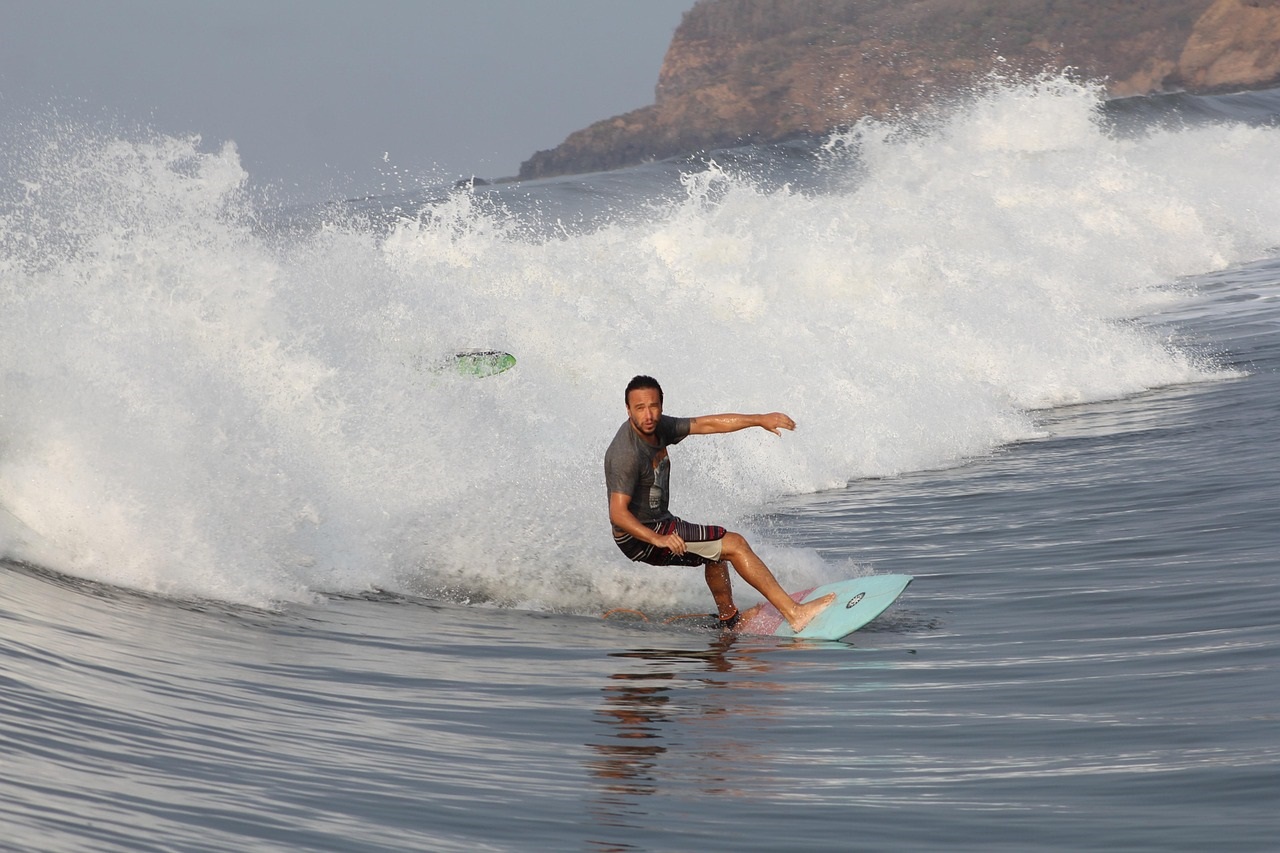
Best if you want a trip that feels tight and efficient: you can base yourself well, keep transit short, and stack beaches + viewpoints without a giant budget.
- Short distances, easy pacing
- Good for surf-first itineraries
- Easy add-on between Guatemala and Honduras
Guatemala
Mayan ruins, highland towns, and big “wow” moments.
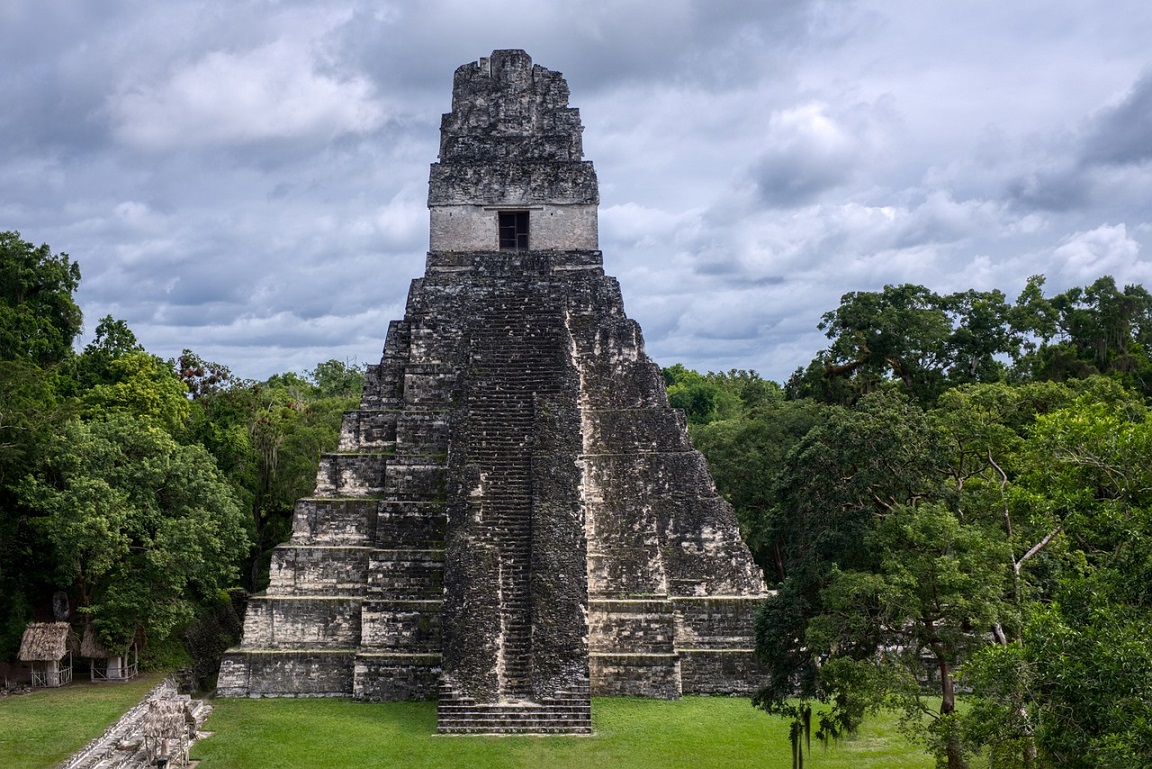
Best if you want culture + landscape in the same week: colonial streets, lakes, volcano hikes, and ancient cities. It’s often the emotional “highlight” country for first trips here.
- Ruins + highlands + lakes
- Great for photographers and history lovers
- Pairs well with Belize and Honduras
Honduras
Caribbean islands and ruins — route-dependent.
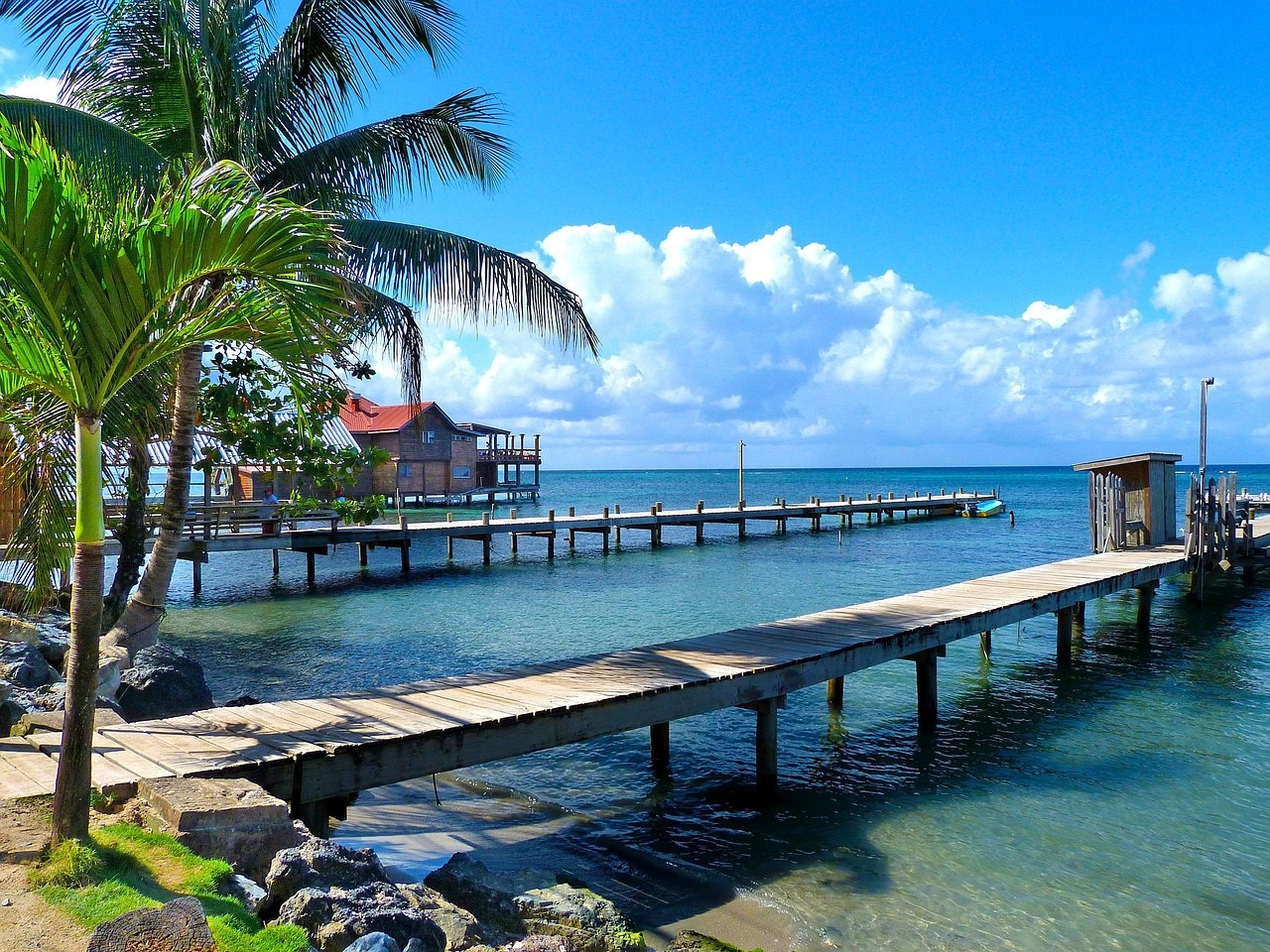
Best if you want reef days plus a dash of history. Honduras can be brilliant — just plan your movement with intention and avoid treating it like a spontaneous hop.
- Roatán = serious Caribbean escape
- Historic sites are a strong add-on
- Works best with clear routing
Nicaragua
Lakes, volcano horizons, and a slower rhythm.
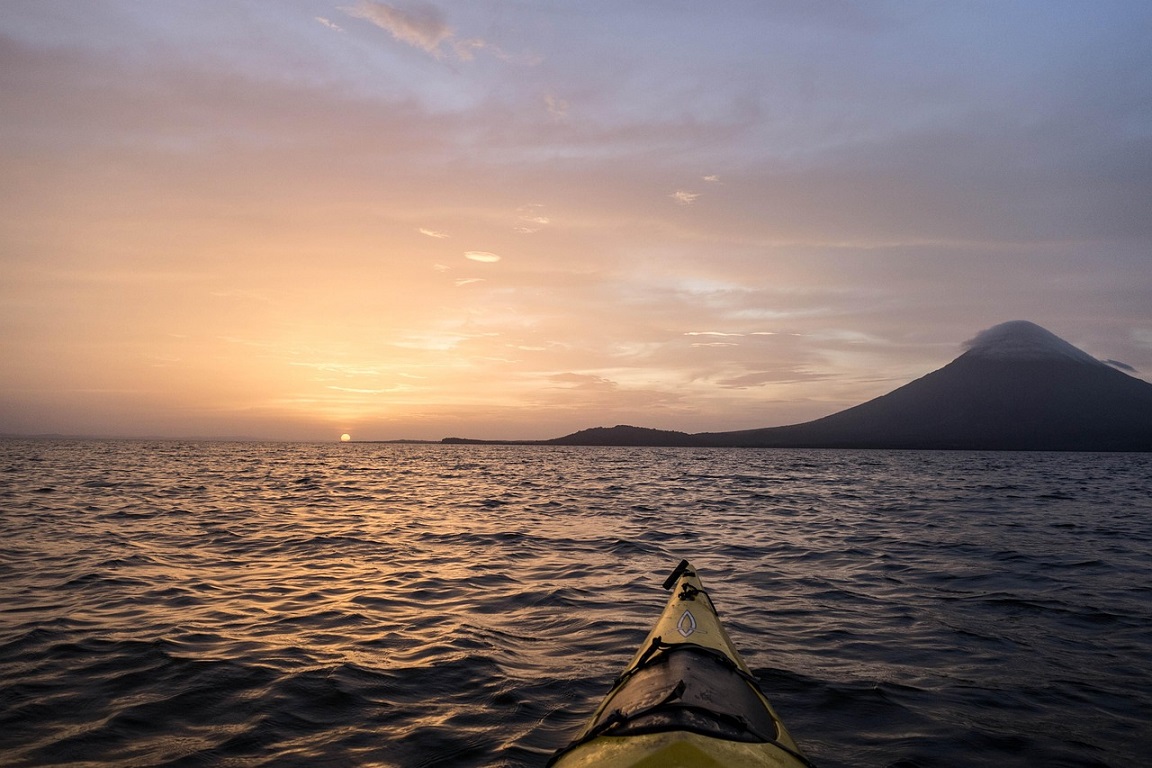
Best if you want volcano-lake-country vibes with room to breathe. It can be a rewarding bridge between Costa Rica and Honduras if you’re building a north–south route.
- Great “slow travel” candidate
- Volcano + lake landscapes
- Pairs naturally with Costa Rica
Panama
City comfort, canal history, and island time on both sides.
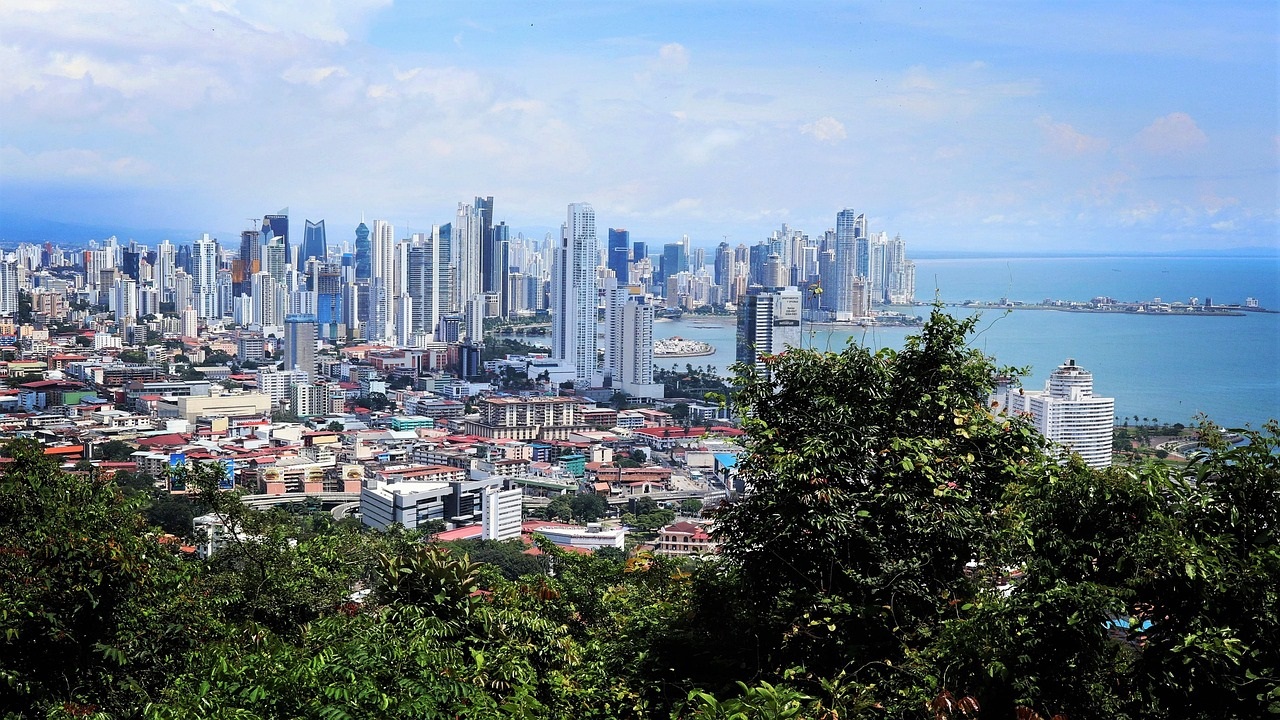
Best if you want a trip that feels modern and easy, with a quick switch into beach/island mode. Panama is a clean finish (or a smooth start) for Costa Rica + Panama pairings.
- Strong flight connectivity
- Great “city + islands” combo
- Pairs naturally with Costa Rica
How Central America works (in real life)
Don’t “collect countries”
This is the classic trap. Instead, pick an anchor and spend real time there. Then add one contrast country (reef, ruins, city, or surf) and call it a win.
Route by coast + terrain
Caribbean vs Pacific can feel like different worlds. Volcano highlands run cooler. Timing and elevation matter more than people expect.
Border days are “admin days”
Plan crossings as their own mini-missions (early start, buffer time, snacks, copies). Do that, and the rest of your days feel effortless.
Simple safety rule: plan by area
Every country here has places that feel easy and places that need more caution. Your job is to plan by region and keep your transport choices sensible.
Want me to build you a sane first route?
Tell me your priority (wildlife, beaches, ruins, volcano hikes, food, comfort, budget), and how many days you’ve got. I’ll point you to the best anchor country and the cleanest add-on — without the “7 borders in 9 days” mistake.
Join the conversation
Which Central America country is calling you first — and what kind of trip are you building? Share a great route (or a mistake you learned from) so someone else can travel smarter.