ASIA LANE
China Travel Guide: Cities, Routes & Trip Planning
This China travel guide helps you compare Beijing, Xi’an, Shanghai and scenic regions without rushing between them. First, choose the places that matter most. Then check entry rules for your passport, transport connections and payment options. Leave enough time in each base to explore beyond the station and recover from long journeys.
My planning rule here is simple: one mega-city anchor, one cultural contrast, and one nature or slower-paced leg. That structure gives you variety without exhaustion.
If you try to “complete China” in one trip, you’ll spend more time in transit than in experience. If you build around energy and recovery, the trip clicks.

Quick Overview (60-Second Scan)
First, compare your travel time with the days you have. Then select fewer bases.
- Best first move: First, choose a city anchor such as Beijing or Shanghai.
- Ideal first trip: for example, compare two or three regions over 10–14 days, including travel and rest time.
- Classic mistake: Instead of switching cities every night, allow time to explore each base.
- Big win: Then compare train and flight schedules, station locations and total transfer time.
- My rule: After a long journey, consider a lighter following day.
China is a depth destination. Do fewer places better, and you’ll remember the trip for the right reasons.
- Because distances are significant, check the full journey between bases.
- For example, high-speed rail may suit some city-to-city routes.
- Also, regional food varies substantially across the country.
- By contrast, a scenic stay may need a different pace from a city visit.
60-Second Fit Check
- Ideal style: Culture + cities + one scenic contrast leg.
- Energy level: Medium to high in cities, lower in nature zones.
- First-timer friendly: Yes, with simple routing and prep.
- Budget vibe: However, costs depend on transport and accommodation choices.
- Transport spine: For example, compare rail with selected flights.

The China That Clicks: One Anchor, One Contrast, One Slowdown Leg
The pattern that works for most travelers is this: City anchor + cultural contrast + nature/slower reset.
Example: Beijing (history + scale), Xi’an (heritage depth), then Guilin/Yangshuo or a calmer water-town leg to balance your energy before departure.
My blunt take: if every day is “major sight + transfer + late dinner,” you’ll flatten the experience and burn out by week two.
Days 1–4 anchor city, Days 5–8 contrast city, Days 9–12 slower scenic leg, then departure buffer.
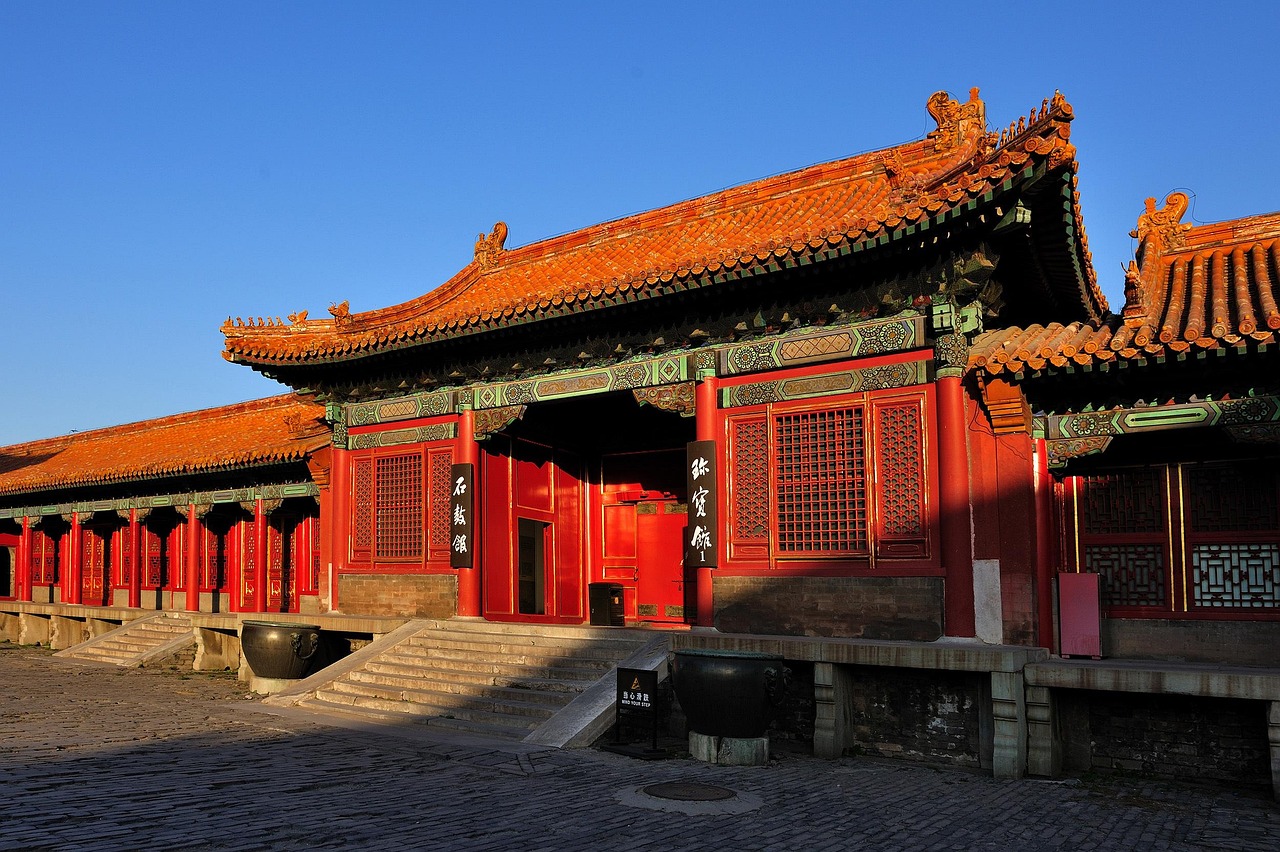
Vibe Check: Which China Are You Actually Here For?
First, choose your main interest; then select places that match it.
Imperial + Historical Depth
For history, compare Beijing, Xi’an and Luoyang before choosing a route.
Modern City Energy
Alternatively, compare Shanghai, Shenzhen and Guangzhou for modern city life and food.
Scenic + Slower Contrast
For scenic contrast, compare Guilin, Yunnan, Hangzhou or Suzhou with your available travel time.
China in Four Seasons (Text + Icons)
China’s climate varies by region and elevation. Therefore, check conditions for each stop rather than relying on one national season.
Spring
Best for: for city walking, check the forecast and local conditions before setting dates.
Summer
Best for: compare mountain options; however, altitude and weather need separate preparation.
Autumn
Best for: often a popular period, so check holiday dates and availability.
Winter
Best for: compare northern winter conditions and opening hours before booking.
China’s climate varies heavily by region—season planning must be city-by-city, not country-wide.
Daily Rhythm Comparison (China Edition)
First, match your daily plan to your energy. Then leave space between major outings.
History-First Rhythm (Beijing / Xi’an)
- Morning: headline heritage site before crowds build.
- Midday: museum/indoor block + meal reset.
- Late afternoon: secondary site or neighborhood walk.
- Evening: calm dinner + next-day prep.
- Energy load: Medium.
City Momentum Rhythm (Shanghai / Shenzhen)
- Morning: district walk + café admin block.
- Midday: one focused attraction, not five.
- Late afternoon: riverfront/viewpoint or market lane.
- Evening: food quarter + light night photography.
- Energy load: Medium to high.
Scenic Reset Rhythm (Guilin / Yunnan)
- Morning: primary scenic activity or nature block.
- Midday: long meal + hydration + recovery.
- Late afternoon: soft activity or town wandering.
- Evening: early wind-down.
- Energy load: Low to medium.
Pick one dominant rhythm per stop. Mixing high-intensity days back-to-back is what breaks good China trips.
Rob’s Suggestions: One Food Win + One Activity Win
Anchor the memory with one dish and one experience you slow down for.
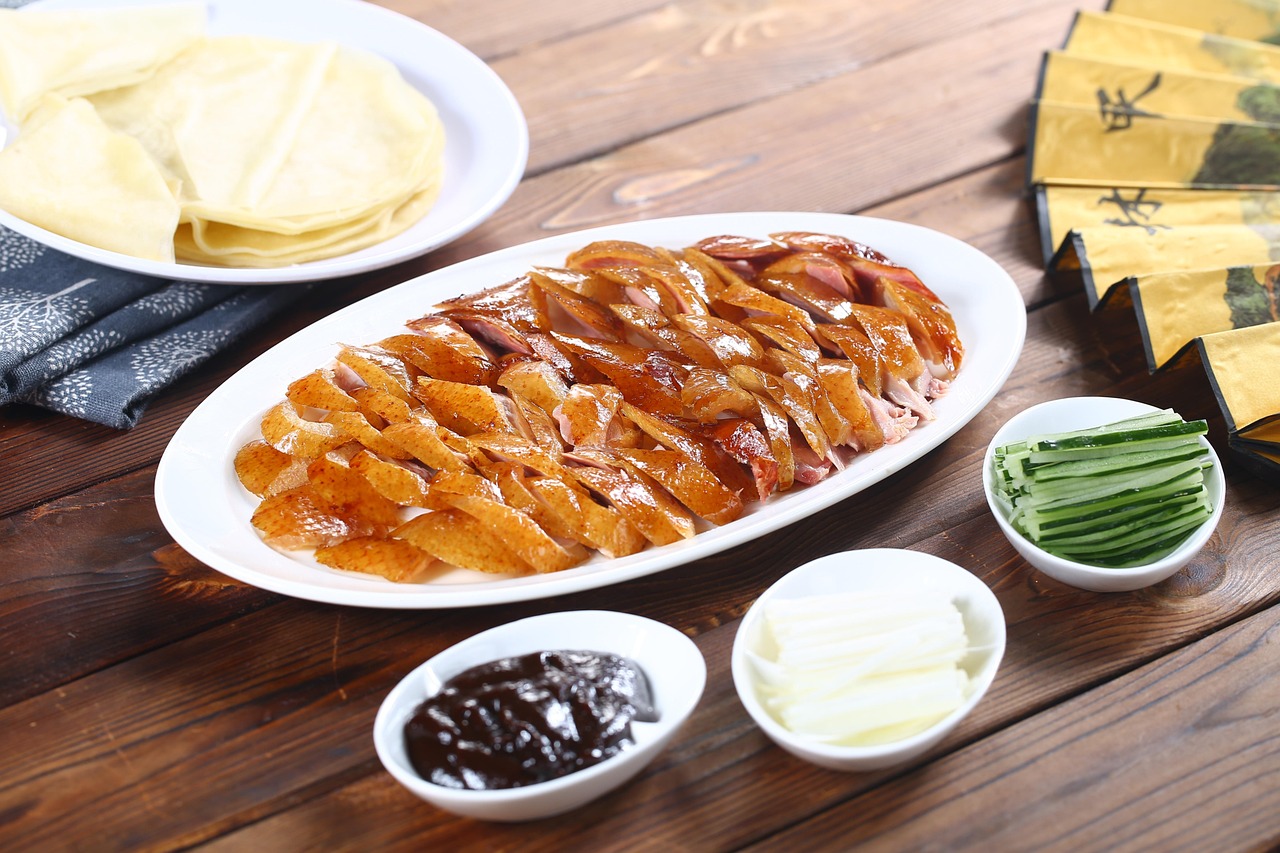
Food pick: A proper regional meal, not generic “Chinese food”
For a memorable meal, explore regional cooking rather than treating the country as one cuisine. In Beijing, do a full Peking duck session; in Chengdu, commit to one proper Sichuan dinner. That one intentional meal often becomes the strongest memory.
Activity pick: Dawn or late-afternoon heritage walk
Historical zones feel very different in softer light and thinner crowds. You’ll notice architecture, ritual, and local rhythm far better than in noon rush.
One food anchor + one movement anchor beats a crowded “top 20 attractions” checklist.
Safety: Suggestions, Warnings, and Calm Rules
Most friction is predictable when you prep documents, transport, and day flow.
Smart habits
- First, keep passport, visa details and bookings backed up offline.
- Then use licensed transport and verify station and terminal names in Chinese and English.
- Also save your hotel address in Chinese for navigation.
- Hydrate and pace walking days—mega-city distances add up fast.
- Finally, reconfirm transport details before departure.
Warnings worth respecting
- Because long transfers consume time, avoid adding cities without checking the full journey.
- Also check holiday periods, when transport and attractions can be busy.
- Language gaps can create small logistics errors—double-check details.
- Rural/weather conditions can change route practicality quickly.
- Finally, re-check official advisories before flying.
In China, routing discipline and documentation discipline are real safety tools.
Official checks before departure
Women travelers: confidence plan
- First, compare well-reviewed stays near suitable transport.
- Then take a daylight orientation walk if conditions suit.
- Also arrange trusted transport after dark.
- Where appropriate, seek help from a trusted local contact.
Logistics Lite
Before booking, check these practical details together.
Entry + visa prep
For official policy, consult China’s National Immigration Administration and the Chinese mission relevant to your passport. Also compare your government’s current travel advice. For a practical checklist, see the visa and entry guide.
Entry requirements vary by passport, travel purpose and date. Therefore, check the relevant Chinese embassy or consulate before booking, and confirm whether a visa exemption actually applies.
Rail-first route logic
Use high-speed rail for core corridors and only fly when distance meaningfully saves energy.
Money + payment readiness
- For example, keep some cash as a backup where practical.
- Before arrival, check whether your cards and chosen payment apps work for your planned purchases.
- Track conversion/ATM/withdrawal friction quietly eating budget.
Connectivity + map discipline
- Before departure, download offline maps for each city.
- Then save station names, hotel addresses and ticket confirmations offline.
- Also keep a transfer-day checklist in your phone notes.
Base Plans: 3 China Structures That Work
Beijing + Xi’an + Shanghai
- For a first trip, compare historic and modern city stops.
- Then check the actual train or flight connections.
- Best for 10–14 days.
Shanghai + Hangzhou or Suzhou + Huangshan
- Alternatively, compare city, garden and mountain stops.
- Lower friction, high aesthetic payoff.
- Great for 8–12 days.
Chengdu + Chongqing + Yunnan
- For food and scenery, compare these destinations carefully.
- However, the longer distances require careful scheduling.
- Therefore, allow rest days between transfers.
Costs: What Actually Moves the Budget
Where people overspend
- For example, frequent flights add transfer time and cost.
- Similarly, repeated one-night stays can increase transport costs.
- Also compare accommodation locations and prices.
- Overloaded attraction stacking with paid fast-track upgrades.
- Finally, include station and airport transfers in the budget.
How to keep it sane (USD-first mindset)
- First, set a budget in your home currency and track local spending in CNY.
- Then compare rail and flight bookings and their change terms.
- For example, choose one special experience in each city rather than paying for every optional upgrade.
- Also leave some lower-cost days without paid attractions.
China can be very efficient when route design is smart and transfer volume is controlled.
Un-Googleable China: Small Moves, Big Difference
Cluster attractions by neighborhood, not fame level
As a result, you may spend less time crossing the city.
Keep one admin hour every 2–3 days
Then use that time to check transport, do laundry and resolve small issues.
Protect arrival evenings
After a long journey, keep dinner simple and allow time to rest.
Avoid “one extra city” syndrome
However, another city also adds a transfer, so compare the time it costs.
Gap Analysis: Is China Right for Your Style?
You’ll love it if…
- Historic sites and modern cities both appeal to you.
- Planning transport and entry before arrival suits your style.
- Regional food is part of the reason you travel.
- Above all, you prefer time in each place to a long checklist.
Plan around it if…
- A completely spontaneous trip is essential to your enjoyment.
- Long-distance travel and advance preparation do not suit you.
- Too many stops would leave little time to rest.
China rewards structured curiosity: plan your framework, then leave room for discovery inside it.
China FAQs
Short answers to practical planning questions.
How many days do I need for a first China trip?
For example, 10–14 days can accommodate a focused route with two or three stops. However, compare the actual journeys before deciding how much to include.
Should I use rail or flights inside China?
Rail can work well on some corridors. However, compare the full journey, including station transfers and check-in, with available flights.
Is China good for first-time Asia travelers?
Yes, if you plan a simple route and prep entry, payment, and transport details before arrival.
What breaks trips most often?
Too many one-night stops can consume your trip. Instead, allow longer stays and recovery time.
What should I confirm before departure?
First, confirm entry requirements for your passport. Then check transport, payments and current official travel advice.
Join the conversation
Are you building your China route around history, modern city energy, or scenic reset time? Share your draft route and timing so other travelers can learn from your setup too.