Where to Go in April, May and June
Where to go in April, May and June depends on the month and the experience you want. Consider the Netherlands for a spring flower trip, Japan for a carefully timed cultural journey, or Norway for the approach of summer. Check bloom windows, national holidays, and mountain access before settling on a route.
By Rob Wheatley – Program Director & traveler
Reviewed 25 October 2026
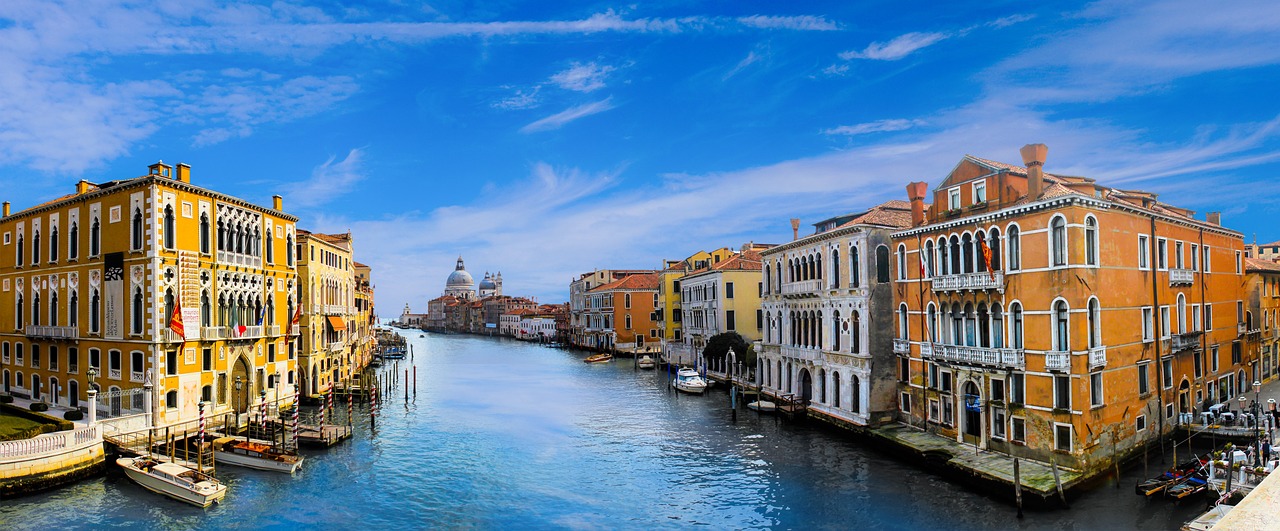
Spring has a very good publicity department. Flowers, café tables, a light jacket tossed casually over one shoulder. Then you arrive during a public holiday and discover that everyone else has seen the same advertisement. A little timing makes this quarter much more rewarding.
April, May and June need different plans
Do not book a three-month label. April can bring spring flowers, May can bring busy holiday periods, and June can change the balance between daylight, heat, and rainfall. My starting point would be the activity you would be most disappointed to miss.
Then give the itinerary a second reason to work. A flower trip should also offer museums, food, or neighbourhood walks. An outdoor trip needs a lower-level alternative if a mountain route is still unsuitable.
The Netherlands: flowers without making them the whole trip
The Netherlands guide is a useful starting point for an April visit. Holland.com places the usual tulip season between late March and mid-May, often with the strongest displays around mid-April. Weather changes the timing, so treat that as a planning window rather than an appointment with a flower.
Base yourself somewhere that also suits your city plans. Book any flower attraction through its official site, check the current opening period, and use visitor areas rather than walking into working fields. Add time for Amsterdam.
Japan: spring appeal, with two important caveats
Japan deserves a regional plan rather than one national weather forecast. April can suit a city-and-culture trip, but peak blossom travel and the late-April/early-May Golden Week holiday period can make popular places busy. Confirm the dates for your actual year.
By June, rainy-season planning becomes relevant in much of the country. That does not cancel the trip; it changes the balance of outdoor plans, museums, and travel days. Avoid building an itinerary that needs perfect weather every morning.
Norway: more daylight does not open every trail
For June, consider Norway if you want coastal scenery and a city-and-nature combination. Longer daylight gives you more flexibility, but it does not make a snow-covered mountain route suitable for a casual stroll.
Choose the exact walking routes before booking remote accommodation. Ask local visitor services about the conditions, access, and transport timetable for your dates. If hiking is the priority, be willing to adjust the region or travel later.
Make the shortlist practical
- Check Easter, school breaks, and national holiday dates.
- Book the one attraction that matters most, then leave gaps around it.
- Compare actual rooms and transport before assuming spring is cheaper.
- Read Best Time to Visit Europe for a closer look at European timing.
For later travel, use the July–September guide. For an easier first European route, start with the Europe starter itinerary.
Mid-April is a useful typical starting point, but flowering changes with weather. Confirm current conditions and attraction opening dates, and include other activities in the trip.
No. Snow and local conditions can limit mountain routes. Select a specific trail and check current local guidance before arranging the rest of the journey.
Official sources and planning checks
Which version of this trip would you choose?
Tell me what appeals to you, what you would change, and the practical question you still need answered. Your dates, pace, and interests matter more than copying somebody else’s itinerary.
Keep exploring
Want a structured way to plan?
The World Travel Course is a separate learning path. Explore it when you want to work through your plans in more depth.