TRAVEL LIFESTYLE · UPDATED OCTOBER 2026
Digital Nomad Jobs and Lifestyle: Work Anywhere, Live Somewhere
Working from a beach sounds glorious until the glare hits your screen, the Wi-Fi collapses and your client expects a meeting in a different time zone. The digital nomad lifestyle can be wonderfully liberating—but the freedom works best when the work, money and paperwork are already sorted.
In brief: Build reliable remote income first, confirm where you may legally work, plan for tax and insurance, then travel at a pace that leaves time to enjoy the place you’re living in.
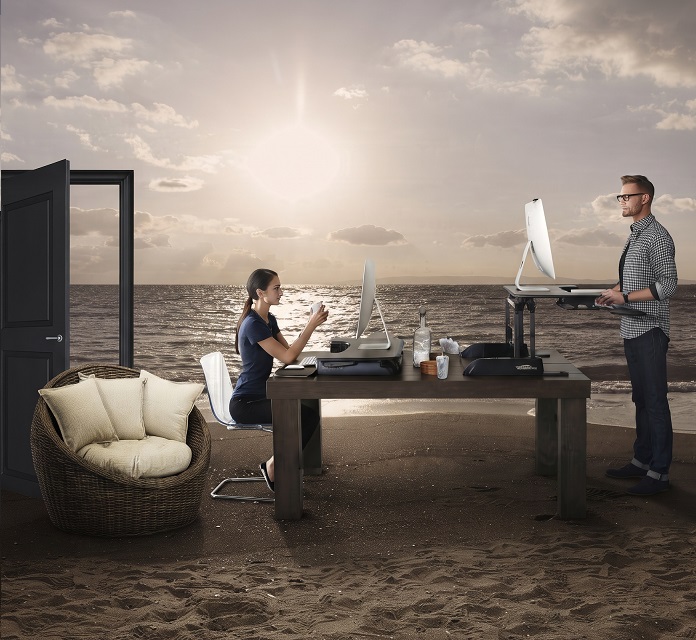
What is a digital nomad?
A digital nomad earns income through work that can be done online while living temporarily in different places. Some are employees, others freelancers, consultants or business owners. Not every remote job is location-independent: a company may allow home working but prohibit working abroad.
The attraction isn’t simply cheaper rent or better scenery. It’s the chance to design your days differently. But the laptop is not a magic passport, and an ordinary tourist stay does not automatically permit paid remote work.
Digital nomad jobs: which ones really work?
The strongest starting point is usually a skill you already possess. Software, design, marketing, bookkeeping, project management, customer support, editing, online teaching and specialist consulting can all be remote-friendly. What matters is whether clients or employers will pay you consistently—and whether you can deliver from your chosen location.
| Work model | Why it appeals | Reality check |
|---|---|---|
| Employee with remote permission | Reliable salary and benefits | Employer may restrict countries, time zones and tax exposure |
| Freelance specialist | Flexibility and varied clients | You handle sales, contracts, invoicing and quiet months |
| Consultant or fractional expert | Higher-value work built on experience | Requires a proven track record and dependable client pipeline |
| Online teacher or coach | Portable sessions and repeat clients | Scheduling, credentials and platform rules matter |
| Creator or digital product seller | Potentially scalable income | Often slow and unpredictable to establish |
The remote-job market in 2026
There are genuine opportunities, but competition is real. FlexJobs reported a 22% quarter-on-quarter rise in remote postings in its Q2 2026 index, particularly in technology, engineering and operations. That is a measure of listings in its own database—not a guarantee that jobs are easy to obtain.
How to become a digital nomad without gambling your savings
- Choose your income model. Test demand while you’re still at home.
- Secure permission. If employed, get written approval for the countries and dates you intend to work.
- Build a cash buffer. Allow for flights, deposits, medical care, broken equipment and gaps between contracts.
- Trial the routine. Work remotely for a week or two before committing to months abroad.
- Choose a slow first base. Stay long enough to establish work hours, local connections and a routine.
Visas, tax and insurance: the unromantic essentials
Immigration: Check the destination’s official rules for remote work and the visa category that fits your situation. A digital nomad visa in one country does not grant permission to work across an entire region. Schengen short-stay limits generally remain 90 days in any 180-day period.
Tax: Working abroad may create tax obligations in your home country, destination or both. There is no universal 183-day loophole; residence, treaties and the nature of your work all matter. Employer payroll and social-security rules may also apply.
Insurance: Confirm medical, evacuation, equipment and work-related exclusions. Ordinary holiday cover may not fit long-term residence or professional activity.
For authoritative checks: European Commission visa policy, EU tax guidance and IBA cross-border remote-work report.
The lifestyle: freedom needs a routine
Choose accommodation for reliable internet, a proper desk, quiet calls and access to everyday essentials—not only a photogenic balcony. Agree on working hours, protect rest days and budget for coworking when needed. Moving every three days may sound adventurous; it is often a dreadful productivity strategy.
For many travellers, a slow-travel rhythm or a semi-nomad lifestyle offers more freedom than constant motion.

Avoid remote-job scams and digital headaches
Be wary of employers who demand upfront fees, ask you to receive or forward money, or request bank details before legitimate onboarding. Verify company domains, contracts and independent contact details. Protect client information with approved devices, multi-factor authentication and secure connections.
Is the digital nomad lifestyle right for you?
Try three questions: Can my income continue reliably from another country? Can I legally work and manage tax and insurance there? Will this arrangement improve my life, rather than simply relocate my stress?
If you answer ‘not yet’ to any of them, you have a planning task—not a reason to abandon the idea. Explore your travel style or use the Start World Travel guide to build a realistic next step.
Frequently asked questions
Can I become a digital nomad without working in tech?
Yes. Writing, teaching, administration, bookkeeping, consulting, design and many other services can work remotely. A marketable skill and dependable customers matter more than the industry label.
Can I work remotely on a tourist visa?
Not necessarily. Rules vary by country and by the nature of the work. Check official immigration guidance before you travel.
Do digital nomads pay tax?
Usually somewhere, and sometimes in more than one jurisdiction before treaty relief. Obtain advice based on your residence, citizenship, employment and destinations.
What is the best first destination?
One where your work is permitted, your budget is realistic, the internet is dependable and the time zone suits your commitments. The right answer is personal.
The point is to live differently, not just work elsewhere
A good digital nomad life is not measured by passport stamps or the number of cafés you’ve worked in. It’s measured by whether your work is sustainable and whether the places you visit become more than a background for your laptop.
Tell me: If you could take your work anywhere for three months, where would you go—and what would you actually do when you closed the laptop?