Germany · Destination guide
Regensburg Travel Guide: Stone Bridge, Medieval Streets and Sausages
Regensburg’s Stone Bridge began taking shape in the twelfth century and still looks considerably more dependable than my knees. I’d start there, then follow the old streets towards the cathedral—with a possible sausage interruption on the way.
By Rob Wheatley · Traveller and Viking Program Director
Explore the Germany destination guide →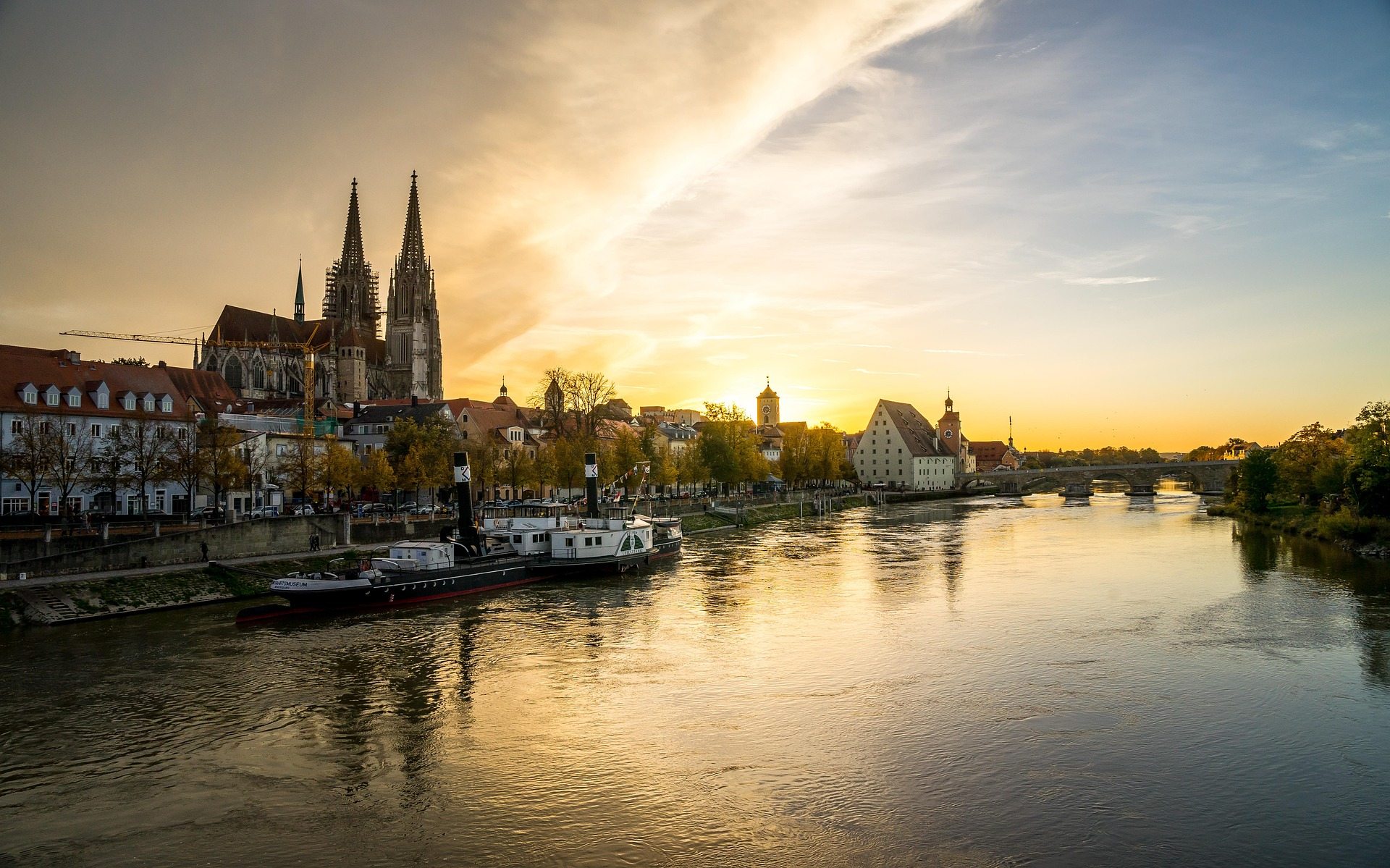
Regensburg at a glance
- My starting point
- Connect the Stone Bridge, Old Town and St. Peter’s Cathedral.
- If time is short
- Choose the bridge area and nearby streets. Add the cathedral interior or visitor centre according to time and interest.
- Walking and access
- A compact historic centre still means cobbles, standing and uneven surfaces. The bridge adds distance if you cross it.
- Somewhere to pause
- The historic sausage kitchen by the bridge is an obvious temptation; nearby cafés offer a quieter alternative.
Why the old centre matters
Regensburg’s Old Town and Stadtamhof form a UNESCO World Heritage site. The city preserves a remarkable medieval streetscape, with older Roman traces woven into it.
It would be misleading to say the whole city escaped wartime damage. The useful point is that much of the historic centre survived, allowing you to appreciate substantial original fabric rather than imagine everything from a reconstruction panel.
Begin with the Stone Bridge
Construction started in 1135. The bridge remains one of the city’s defining sights and a good place to understand its relationship with the Danube.
Cross if the distance suits you, then look back at the skyline. If time is short, you can enjoy the bridge from the Old Town side without turning the visit into a compulsory there-and-back march. Wind and rain can change how pleasant a riverside stroll feels.
Cathedral, lanes and a little context
St. Peter’s Cathedral gives the centre its Gothic landmark. Check visitor access around worship before planning an interior visit. From there, explore streets and squares that catch your attention.
The World Heritage Visitor Center is a useful introduction to how Regensburg developed. I’d consider it early in an independent visit: a little explanation can make the rest of the walk more rewarding than a succession of handsome buildings.
The sausage kitchen stop
The historic Wurstkuchl beside the bridge is part of the city’s visitor experience as well as its food story. Its long history is interesting enough without needing to settle every claim about the oldest restaurant in the world.
Join the queue if it suits your day, but do not give your entire free afternoon to it out of obligation. Choose another place if the wait is too long. Regensburg will still count as visited if lunch happens elsewhere.
How much time would I give it?
A few hours can cover the bridge, cathedral area and a food stop. A full day allows more wandering, a museum and time across the river. Overnight visitors can enjoy the city after the busiest excursion periods without expecting empty streets.
For independent arrival, compare current train connections and your walk from the station. Ask about accessible routes when booking accommodation: historic-centre charm can involve awkward paving and stairs. Choose a manageable area rather than assuming compact means effortless.
Make a day of Regensburg
Time: A full day gives the bridge, cathedral, lanes and a museum room to breathe. Half a day covers the central walk; an overnight buys you the old town after excursion groups leave. The main station sits outside the historic core, so include the walk into town in your timings.
When: My first choice would be May, June or September for a walking visit. Summer suits the riverside, while Advent makes for a very different, busier short break. A cathedral or museum is a useful wet-weather anchor; the whole plan needn’t depend on blue sky.
Food: The sausage kitchen is already an obvious stop. For another local version, the Regensburger Knackersemmel is a sausage in a roll; a longstanding local producer explains its version. Choose one proper snack and enjoy it. There is no requirement to conduct comparative sausage research, although I can see the argument.
For river cruise guests
Visiting with Viking?
Included excursion: Regensburg by Foot; the checked Viking programme also lists Historic Regensburg & Jewish Heritage as an included alternative. This is the listing on the official programme checked for this guide; your booked sailing confirms the available version.
Optional tours and extra costs: Compare the two included walks before paying for an extra outing. They share substantial sightseeing, with the Jewish-heritage version adding that historical focus. Other paid options depend on your departure; use My Viking Journey rather than assuming a fixed menu.
A more structured day: Your guided visit provides the structure. Ask where it finishes, whether cathedral entry is independent and how much time remains before returning to the ship.
My suggestion: use the guided visit for context, then pick one realistic extra for any free time. Check meeting points, the ship’s location and return instructions before going independently.
Tour choices, prices and arrangements vary. Check Viking’s official excursion listing and My Viking Journey for your departure.
Explore Rob’s Viking destination collection →Keep exploring
For a wider trip, use my Germany destination guide to connect this visit with other places, transport and practical country planning.
Useful official information
Visitor and excursion information checked 7 November 2026. Use the operators’ current information for opening times, tickets and access. Viking notes are Rob’s own guidance as a Viking employee, not an official company statement.
Have a question or something to add?
What would get your extra hour in Regensburg—a museum, the bridge or somewhere to eat?
Join the conversation below ↓