WEST AFRICA LANE
Nigeria Travel Guide: Big-City Energy, Cultural Depth, and Route Logic That Actually Works
This Nigeria travel guide explores the country’s cities, culture and heritage. Currently, however, the U.S. advises travelers to reconsider travel. It’s a country of powerful contrasts: coastal intensity, cultural heritage corridors, and calmer nature windows.
For future planning when conditions allow, my approach is pick one anchor base first (Lagos or Abuja), then add one contrast leg (heritage, coast, or nature) instead of moving every night.
You’ll enjoy Nigeria more when you protect recovery time, respect local pacing, and treat traffic/time buffers as part of the real itinerary.
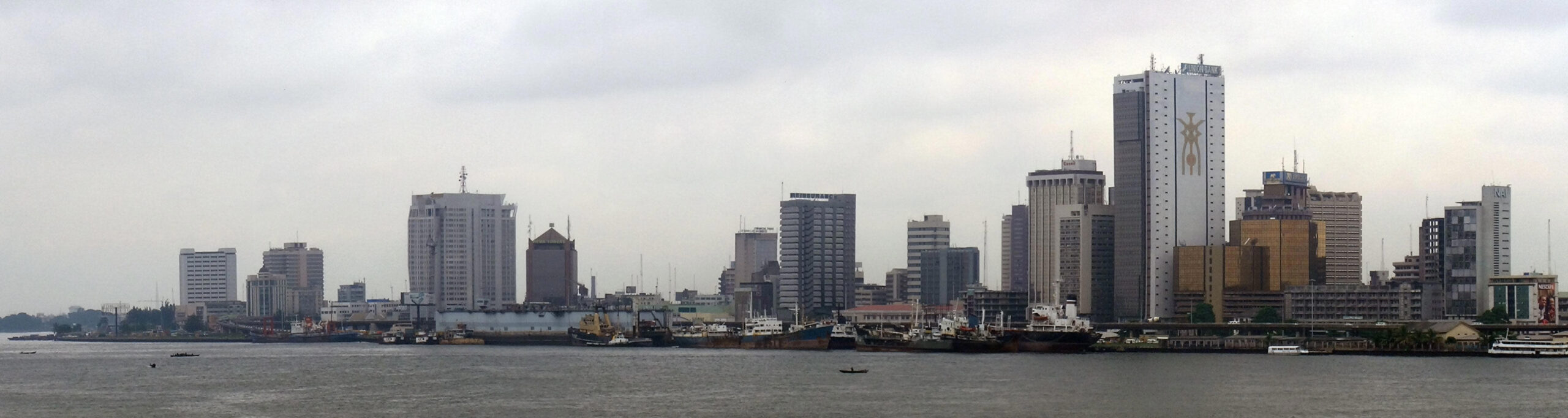
At a Glance (60-Second Scan)
Nigeria works when you keep one stable base, add one contrast lane, and plan your day around realistic movement windows.
- Best first move: For future research, consider Lagos or Abuja as a starting point.
- Ideal first trip: For a future trip, seven to ten days could allow time for a few stops.
- Classic mistake: Because traffic and transfers take time, avoid an overpacked route.
- Big win: Instead, leave some lighter periods for rest.
- My rule: After two active days, allow a slower half-day.
For a future visit, a measured pace can leave more time to enjoy each place.
- For example, Nigeria has two UNESCO World Heritage Sites: Sukur and Osun-Osogbo.
- The local currency is the Nigerian naira (NGN).
- Because wet and dry seasons vary by region, check the forecast for each stop.
- English is official. In addition, many local languages are spoken.
60-Second Fit Check
- Ideal style: Culture + food + urban energy + selective nature.
- Energy level: Medium to high in city-heavy routes.
- First-timer friendly: The U.S. currently advises reconsidering travel. Check the latest official guidance.
- Budget vibe: Flexible; transport decisions drive spend.
- Transport spine: Domestic flights + pre-planned road segments.
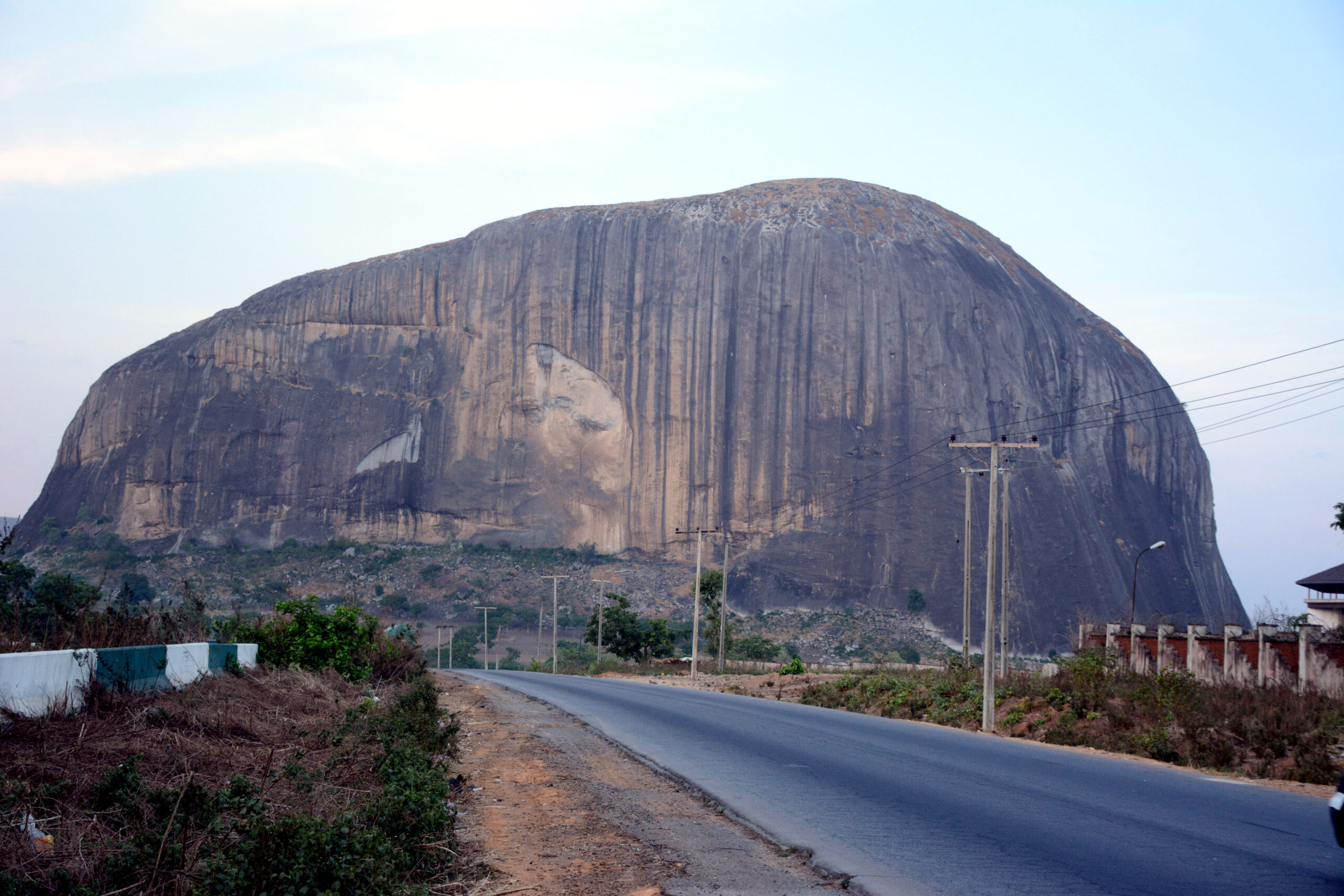
The Nigeria That Clicks: Anchor Base + Contrast Leg + Recovery Window
For future planning when conditions allow, consider one anchor base, one contrast leg, one recovery window. That way, a future trip could leave time to rest.
For example, a future route could include Lagos city depth + Osogbo heritage day + coastal or cultural reset. Or Abuja base + curated day legs with deliberate buffer time.
My view is simple: Don’t try to “cover Nigeria.” Build one strong version of Nigeria and run it well.
Day 1–3 anchor immersion, Day 4 contrast lane, Day 5 reset, Day 6–7 quality over quantity.

Vibe Check: Which Nigeria Are You Here For?
First, choose what interests you most. Then explore the relevant guides.
City Energy + Food Culture
For example, Lagos offers food, music and urban culture.
Heritage + Sacred Landscapes
Alternatively, learn about Yoruba culture and heritage sites.
Nature Windows + Reset Pace
For a different perspective, explore Nigeria’s natural landscapes.
Nigeria in Four Seasons (Text + Icons)
Weather varies by region, so check local conditions for each destination.
Spring (Mar–May)
Best for: changing seasonal conditions. However, heat can build in many areas.
Summer (Jun–Aug)
Best for: greener landscapes. In addition, southern areas can experience heavier rain.
Autumn (Sep–Nov)
Best for: mixed itineraries, although conditions vary by region.
Winter (Dec–Feb)
Best for: drier conditions in many areas. However, some northern regions may experience haze and dust.
Seasons vary by region. Therefore, check the forecast for your exact route.
Daily Rhythm Comparison (Nigeria Edition)
This is the same rhythm-planning lens we used in the Europe series: match your energy to the place, not the other way around.
Lagos (Coastal Metro Rhythm)
- Morning: For a future visit, an early start can leave more time for the day.
- Afternoon: In the afternoon, heat and traffic may slow journeys.
- Evening: Later, local food and music can offer another perspective.
- Best for: Travelers who enjoy high-energy city flow.
Abuja (Structured Capital Rhythm)
- Morning: First, allow enough daylight for planned journeys.
- Afternoon: Then leave time for a break.
- Evening: Afterward, a quieter evening allows time to recover.
- Best for: Route-first travelers who prefer cleaner logistics.
Osogbo / Heritage Corridor
- Morning: For example, choose one cultural or heritage focus.
- Afternoon: Then allow time to learn about its context.
- Evening: In the evening, consider a relaxed meal.
- Best for: Culture-first routes with fewer base changes.
Calabar-Style Reset Leg
- Morning: For an outdoor day, check conditions before setting out.
- Afternoon: Because heat and humidity can be tiring, allow time for rest.
- Evening: After an active day, keep the evening light.
- Best for: Travelers needing a calmer contrast segment.
If your itinerary ignores daily rhythm, Nigeria feels hard. If it respects rhythm, Nigeria feels rich and workable.
Rob’s Suggestions: One Food Win + One Activity Win
Build one sensory anchor and one movement memory into your route.
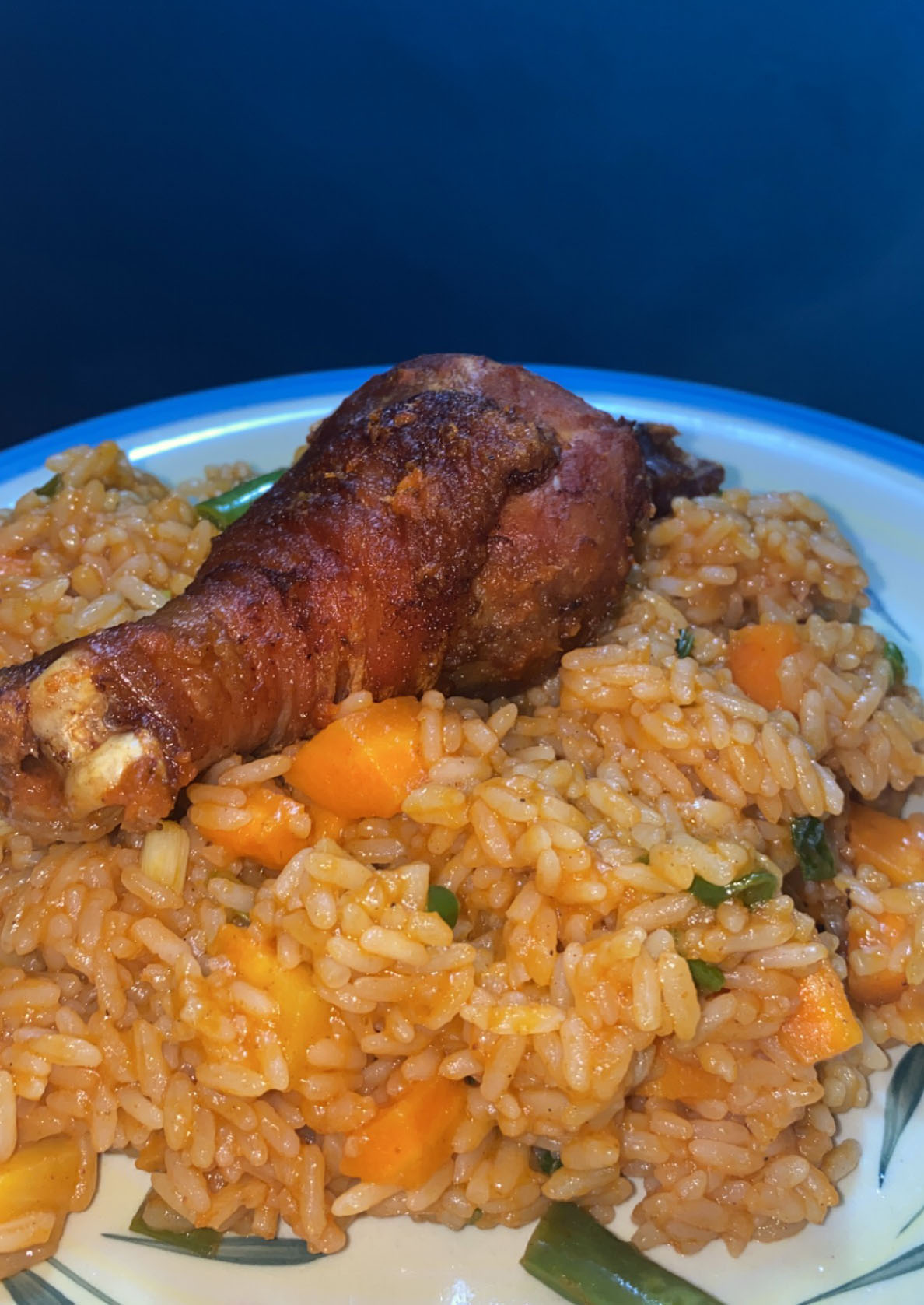
Food pick: Jollof and grilled dishes
Jollof rice is a tomato-based rice dish enjoyed across West Africa. In Nigeria, it often accompanies grilled meat or fish.
For example, you might find it served alongside suya, a seasoned grilled meat. Recipes differ between cooks, so ask what is available locally.
When conditions permit a future visit, allow time to enjoy the meal and the conversation around it.
Activity pick: Early neighborhood walk + market window
Do one early movement session before the day peaks. You’ll read the city better and feel more grounded.
Together, one meal and one activity can give a future day structure without rushing.
Safety: Suggestions, Warnings, and Calm Street Rules
Safety conditions vary by state and route—check official updates right before travel.
Smart habits
- For future travel, research verified transport and pickups before arrival.
- During daylight, ask trusted local contacts about neighborhood conditions.
- In addition, keep valuables discreet and separate backup payment methods.
- Before a journey, share your plans with someone you trust.
- Above all, check official state-level advice before considering any route.
Warnings worth respecting
- Because risks vary by state, do not assume conditions are the same everywhere.
- At night, avoid unfamiliar travel routes.
- In addition, allow for disruptions rather than relying on tight connections.
- Before any travel, review the current official advisory.
Good preparation is the difference between confident travel and reactive travel.
Official checks before departure
Women travelers: confidence plan
- For a future trip, research well-reviewed accommodation and verified transfers.
- After arrival, seek trusted local guidance in daylight.
- In addition, keep a backup plan for evening movement.
- If a situation feels unsafe, leave and seek a safer place.
Logistics Lite
Set these once and your route gets much smoother.
Entry + visa rhythm
Requirements vary by passport and purpose. Therefore, check official entry rules before non-refundable bookings.
Air + intercity backbone
For multi-city routes, use flight anchors and avoid overstuffed same-day transfer chains.
Money + payments
Nigeria uses the naira (NGN). In addition to a card, consider a practical cash backup.
- For example, smaller notes may help with everyday purchases.
- Also, keep backup cash and cards separate.
- Finally, check currency conversion and ATM fees.
Weather + route timing
- Before a future journey, check seasonal forecasts for each region.
- Because conditions vary, adjust packing and travel plans by region.
- In addition, allow flexibility for changing weather.
African Region Currencies (Quick Reference)
Useful if your Nigeria route extends into other African lanes. Nigeria itself uses NGN.
North Africa
Common lane codes: MAD, DZD, TND, LYD, EGP
- Planning tip: Exchange per border segment; avoid over-converting.
West Africa
Primary in Nigeria: NGN
- Also common: XOF, GHS, SLL, LRD, GMD, CVE.
- Planning tip: Confirm cash/card practicality by country leg.
Central Africa
Shared bloc: XAF
- Also common: CDF, AOA, STN.
- Planning tip: Carry backup cash for remote transfers.
East Africa
Common lane codes: KES, TZS, UGX, ETB, RWF
- Planning tip: Mobile money strength varies by destination.
Southern Africa
Regional anchor: ZAR
- Common lane codes: BWP, NAD, LSL, SZL, ZMW, MZN.
- Planning tip: Some currencies are closely linked to ZAR in practice.
For multi-country Africa routes, treat currency as a logistics layer: withdraw by segment, keep a small hard-currency backup, and avoid leftover cash drag.
Base Plans: 3 Nigeria Structures That Work
Lagos as a Base
- For example, a future itinerary might focus on city culture and food.
- After active days, allow time to rest.
- However, follow current advisories before considering any route.
Abuja as a Base
- Alternatively, research a route focused on Abuja.
- Before travel, check conditions for each planned stop.
- In addition, allow enough time for rest.
Culture and Heritage Route
- For example, a future trip could combine a city, heritage and rest.
- Instead, consider fewer bases and longer stays.
- That way, there may be more time to learn about each place.
Costs: What Actually Moves the Budget
Where people overspend
- For example, last-minute transport changes can add cost.
- In addition, frequent base changes can increase costs.
- Because delays can happen, allow for them in the budget.
- In addition, frequent premium meals can increase costs.
- During busy periods, late-booked flights may be more expensive.
How to keep it sane (USD-first mindset)
- Set a daily USD target, then track actuals in NGN.
- If travel advice permits a future visit, compare key transport options early.
- For example, choose one premium experience that matters most to you.
- Finally, leave regular free time for rest and changes.
Nigeria can offer a range of experiences and costs. However, current security advice must come before any budget planning.
Un-Googleable Nigeria: Small Moves, Big Difference
Run a “soft launch” first day
Short local radius, early finish, then scale the trip once your bearings settle.
Build one fixed reset café/spot
For a future visit, a familiar base may reduce the number of decisions each day.
Respect movement windows
Because traffic can affect journey times, check local conditions when planning.
Protect day-3 momentum
After several busy days, allow a lighter half-day.
Gap Analysis: Is Nigeria Right for Your Style?
You’ll love it if…
- For example, Nigerian cultural history and food interest you.
- You also appreciate allowing time to learn about a place.
- In addition, food and music are important to your travel interests.
- You prefer depth and narrative over checkbox travel.
Plan around it if…
- You want ultra-predictable movement with minimal variance.
- You dislike transport buffers and flexible timing.
- You’re trying to stack too many regions in one short trip.
Nigeria rewards intentional, informed travelers. It punishes rushed assumptions.
Nigeria FAQs
Here are common questions. First, check current official travel advice.
How many days do I need for a first Nigeria trip?
For future planning, seven to ten days could allow time for several stops. However, the U.S. currently advises reconsidering travel.
Do I need a visa for Nigeria?
Requirements depend on nationality and purpose. Therefore, check Nigeria’s official immigration guidance before booking.
Is Nigeria expensive for travelers?
Costs vary by destination and travel style. For example, last-minute transport can increase the budget.
Is Nigeria safe for visitors?
The U.S. currently advises travelers to reconsider travel to Nigeria. Some states have a do-not-travel warning. Check the latest official advisory before making plans.
What should I check 48 hours before departure?
Entry documents, official advisories, route-specific weather, and all transfer confirmations.
Join the conversation
Are you building Nigeria around Lagos energy, Abuja structure, or a culture-first corridor? Share your route logic and what still feels unclear so others can sharpen their plans too.