Malta Travel Guide: Valletta, Gozo & Mediterranean Island Life Done Right
This Malta travel guide helps you choose between Valletta, Gozo and island travel. First decide which experiences matter most, then build a route with time to enjoy them. Compare bases, seasons and transport before booking, and leave room for a slower day rather than filling every gap with another transfer.
Malta is tiny on the map — and then you arrive and realise it’s basically a
history museum, a limestone beach club, and a living harbour city
all stacked on top of each other.
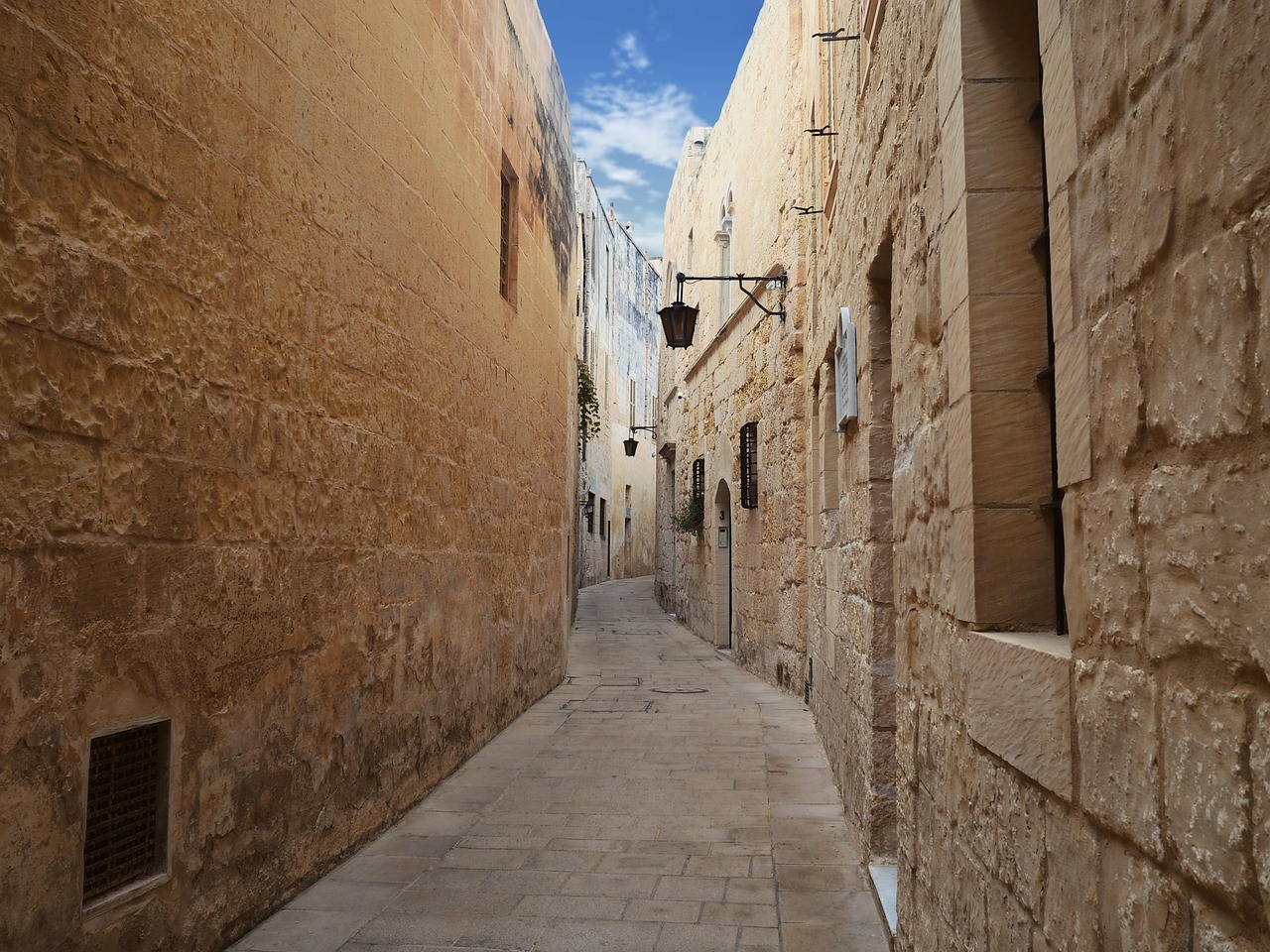
You get walled streets and baroque drama in Valletta, a “silent city” mood in Mdina,
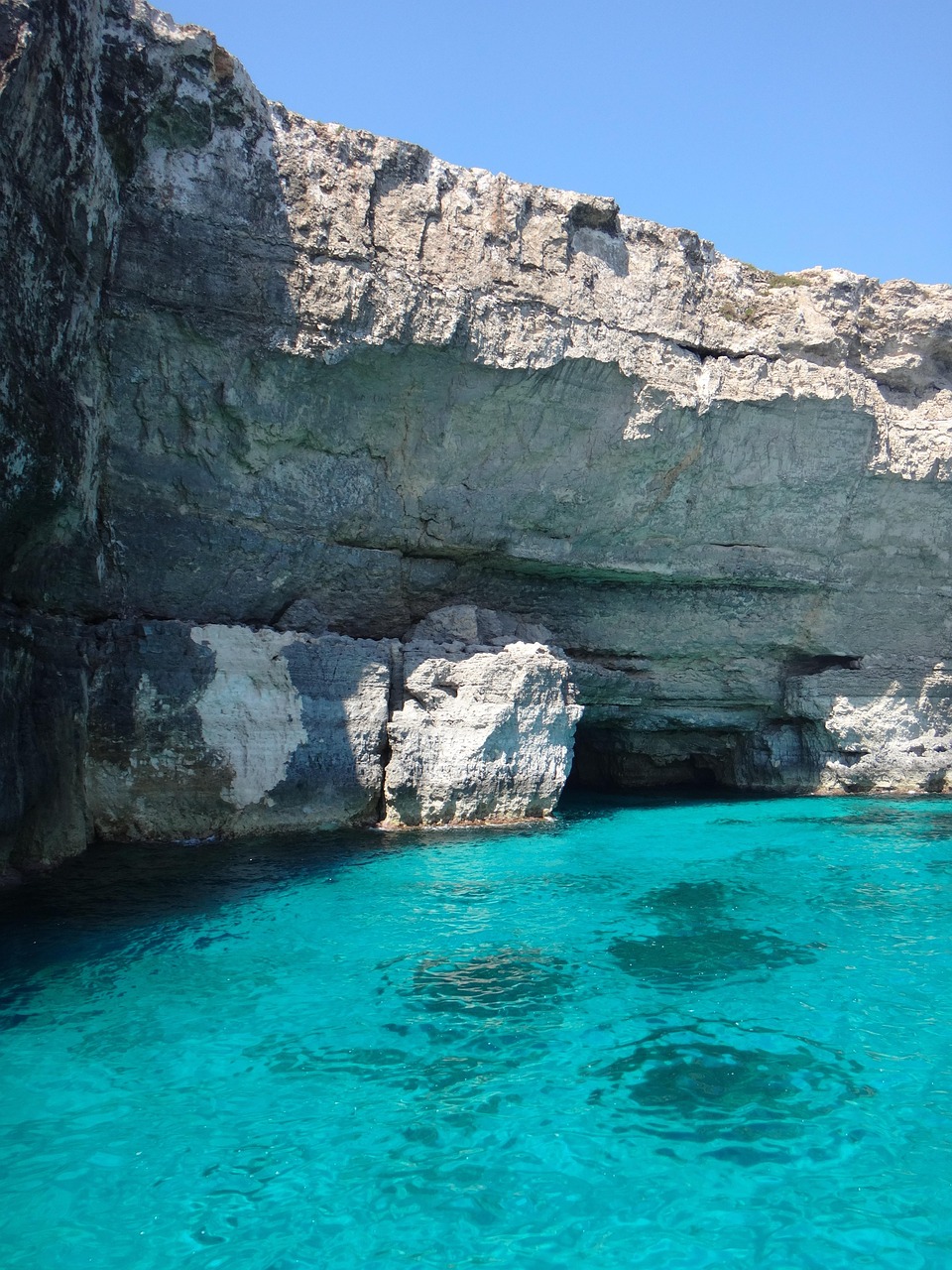
and then you’ve got Gozo for slower days and Comino for that wild-blue water people won’t shut up about.
My Malta approach is simple: don’t treat it like a checklist island.
Pick one base that suits your style (Valletta / Sliema / the Three Cities),
then add Gozo as a chapter (day trip if you’re tight on time, overnight if you want the real vibe).
Malta is at its best when your days have room to breathe.
Straight talk: Malta can feel completely different depending on timing.
Summer is gorgeous… and also hot, busy, and sometimes crowd-heavy in the most famous swim spots.
If you want Malta with better value and better calm, aim for late spring or early autumn.
By RobLast updated: February 2026~16–20 min readCurrency: EUR (€)
Malta is compact, walkable in the core, and ridiculously layered — but it gets better the moment you stop trying to do “everything” in three days.
Best first move: Base in Valletta / Sliema / Three Cities, then add Gozo (day trip or 2–3 nights).
When it clicks: When you treat Malta like a rhythm: harbour ferry → long lunch → swim → golden-hour bastions → late dinner.
Money truth: Malta isn’t “cheap island Europe” in peak summer — timing and accommodation choices matter.
Easy win: Do Valletta at night. It’s calmer, cooler, and honestly prettier.
Classic mistake: Trying to do Malta + Gozo + Comino as three separate “base moves” on a short trip.
Quiet flex: Book one hard-to-get thing early (like the Ħal Saflieni Hypogeum) and let the rest stay flexible.
Key Takeaway
Malta rewards this formula: 1 base + 1 Gozo chapter + 1 boat/swim day.
Less rushing, more “I actually enjoyed this.”
60-Second Fit Check
Ideal trip length: 5–8 days (7 is the sweet spot if you want Gozo without rushing).
Best energy level: Low-to-medium — lots of walking, but short distances and plenty of “sit and stare at the sea” time.
First-timer friendly: Yes — especially if you base smart and keep your route simple.
Budget vibe: Mid-range by default; can be value-friendly in shoulder seasons.
My simple rule: Malta is small. Your plan should be small too.
Quick Fact
The best Malta moments aren’t always “big sights.” They’re the tiny ones:
harbour light, warm stone under your hands, and the exact café where you accidentally stayed an hour too long.
The Malta That Clicks: Valletta + Gozo + One “Blue Water” Day
Malta is small enough that you can technically see a lot fast — but that’s not the point.
The best first trip has three anchors:
Valletta (and the harbour cities) for history and atmosphere,
Gozo for slower island texture,
and one blue-water day (a boat trip, a swim mission, or a Comino plan that you time smartly).
Valletta is your “fortress-city” hit: bastions, steep lanes, cafés, museums, and views that make you stop mid-sentence.
Then Gozo gives you breathing room: villages, coastline, and a slower pace that feels more like “this could be a life” than “this is a weekend.”
And for the blue-water day, you can chase the famous spots — just do it with tactics: go early, go late, or go midweek.
What I’d do
Day 1–2: Valletta + Three Cities + one evening harbour ferry.
Day 3: Mdina & Rabat day (quiet streets, old stone, slow lunch).
Comino water is the headline — just don’t go at the exact same time as everyone else.
Vibe Check: What Kind of Malta Are You Actually Here For?
Malta isn’t one trip. Decide your primary mood first — then choose days that match it.
Fortress + History Malta (Valletta, Mdina, ancient sites)
You want old stone, layered stories, and places that feel carved from time.
Build around Valletta, add Mdina/Rabat, and choose one “big history” site you actually commit to.
Plan like: Valletta base + 2 history days + 1 Gozo day.
Blue Water Malta (swims, boat days, coves)
You’re here for the colour: coves, snorkels, boat time, and that Mediterranean “sun on stone” feeling.
Timing and tactics matter more than a long itinerary.
Plan like: 2 swim days + 1 boat day + easy evenings.
Slow Island Malta (Gozo texture, villages, calm)
You want a softer pace: a little countryside, small towns, coastal walks, and dinners without rush.
Gozo is the move — ideally as an overnight chapter.
Plan like: Malta base + 2–3 nights Gozo + one “float day.”
Malta in Four Seasons: Timing Changes Everything
Malta’s seasons aren’t just “weather.” They change crowds, prices, and how easy it feels to enjoy the famous swim spots.
🌸 Spring (March–May): Best All-Rounder
Weather: Comfortable for walking cities and ruins; sea warms gradually.
Crowds: Manageable — you can actually enjoy Valletta without shoulder-to-shoulder moments.
Why it’s great: The island feels “open” and alive, without peak-season pressure.
Watch for: Early spring swim days can still be chilly for some people.
☀️ Summer (June–August): Heat + Peak Everything
Weather: Hot, bright, and strong sun — plan shade breaks like a professional.
Crowds: High, especially in the most famous water spots.
Why it works: Pure swim-and-boat season with long golden evenings.
Watch for: Prices + busy beaches. Go early or go late for the best experience.
Weather: Softer sun and often great swim conditions in early autumn.
Crowds: Drop after peak summer — more “normal life” energy.
Why it’s great: Better value, easier bookings, and less chaos.
Watch for: Later autumn can get windier; boat days may depend on conditions.
❄️ Winter (December–February): Cities + Museums, Not “Beach Malta”
Weather: Milder than much of Europe, but cooler and often windier.
Crowds: Low — great for Valletta, Mdina, and slow days.
Why it works: Budget-friendly and calm; the island feels more local.
Watch for: Swim plans become “if the day feels right,” not guaranteed.
Keep in Mind
If you want the best blend (walkable days + swim options + less pressure),
late spring and early autumn are Malta’s sweet spots.
Street Smarts: Small Malta Rules That Save Big Stress
Book one “limited” thing early. If the Hypogeum matters to you, lock it in before anything else.
Gozo day trip vs overnight: Day trip is fine, but overnight is when Gozo actually feels like Gozo.
Expect rocky swims. Malta has lovely water, but many entry points are rock/ladder style, not endless sandy beaches.
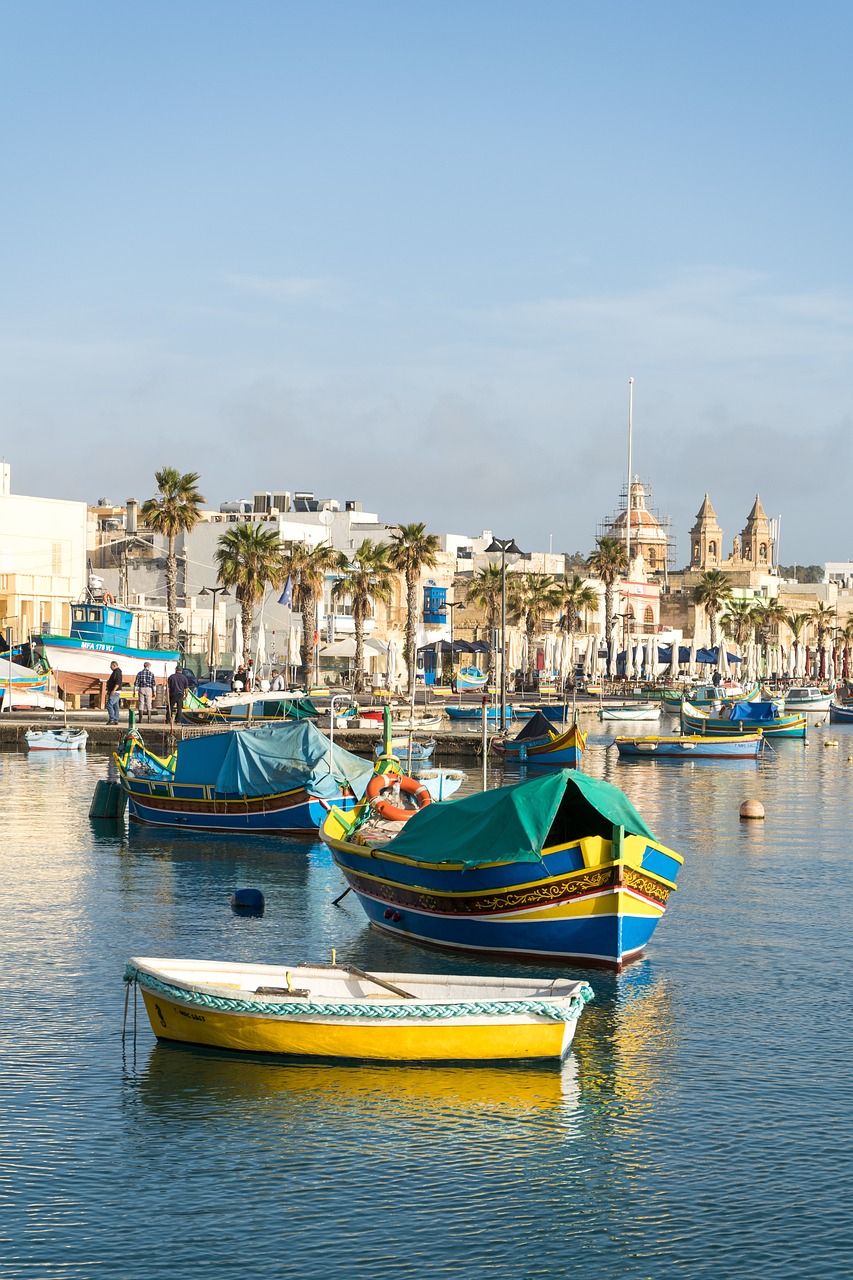
Use the harbour ferries. They’re practical and they make you feel like you’re doing Malta properly.
Heat tactics: Walk early, shade at midday, golden hour later — the island rewards timing.
Bus reality: Great value, sometimes slow. Plan fewer “must-do” hops per day.
Driving: Left-side driving. Roads can be narrow. If driving stresses you out, skip it.
Footwear matters. Polished stone can be slippery, and old streets are uneven.
Water: Generally safe, but many visitors prefer bottled for taste — ask locally and do what feels right.
Language comfort: English is widely spoken — Malta is easy mode for communication.
Reality Check
Malta is small — so it’s tempting to over-plan.
Don’t. Your best day might be a “simple day”: harbour walk, pastizzi, swim, sunset, long dinner.
That’s not wasted time. That’s Malta.
Mdina is a mood. Go early morning for quiet streets and soft light.
Logistics Lite
Malta is easy once you handle the basics: entry rules, transport style, power plugs, and how to move between Malta and Gozo.
Entry rules (the short version)
Malta is in the EU and the Schengen zone, so Schengen short-stay rules apply for many travelers.
Requirements vary by passport, so confirm your exact entry rules before booking anything non-refundable.
Malta uses the Euro (€). Cards work widely, but small cash is still useful for cafés, snacks, and small shops.
Prices swing by season — peak summer can be noticeably more expensive.
Malta uses Type G plugs (UK-style), 230V / 50Hz. Pack a universal adapter if you’re coming from outside the UK/Malta plug world.
For emergencies, 112 is the general EU emergency number.
Public buses are the main island network. Harbour ferries help you hop between Valletta, Sliema and the Three Cities.
For Gozo, the main ferry route is straightforward — and the crossing is short, so it’s an easy add-on.
Malta has strong mobile coverage. WiFi is common in hotels and cafés. For short trips, eSIMs are easy.
For longer stays, local prepaid SIMs can be better value.
If the Hypogeum is on your list, book it early. It’s one of those places that doesn’t forgive procrastination.
Everything else in Malta can stay more flexible.
Base Plans: 3 Simple Ways To Build a Malta Trip That Works
Pick one and commit. Malta is small — clarity beats complexity every time.
Plan A: First-timer classic (7 days)
Why: Best blend of cities + Gozo + swim time.
Do: Valletta base (4–5 nights) + Gozo (2–3 nights) + one boat/swim day.
Rule: Don’t move bases more than once on a one-week trip.
Who it’s for
First-timers, couples, and anyone who wants “history + water” without living in a transport schedule.
Plan B: History-heavy Malta (5–6 days)
Why: You want old stone, museums, and sites.
Do: Valletta + Three Cities + Mdina/Rabat + one ancient-site day (choose one big commitment).
Rule: Keep your days walkable; don’t stack “long travel” with “big sights.”
The win
Malta feels deeper when you stop speed-running and let the places speak.
Plan C: Quick hit (3–4 days)
Why: You’re pairing Malta with another destination.
Do: Valletta base + one day trip (Mdina or Gozo) + one swim day.
Rule: Choose Gozo or Comino. Not both, unless you enjoy rushing.
Why it works
Even a short Malta trip can feel complete if you keep it tight: city + stone + sea.
Costs & Pace: What Actually Moves the Needle in Malta
Malta costs are mostly driven by season, where you sleep, and how “popular” your swim days are.
The good news: distances are short — so you don’t bleed money on long transfers unless you choose to.
Malta can be surprisingly reasonable in shoulder season, and noticeably pricier in peak summer.
Your biggest levers are accommodation (and location), timing, and how you structure days.
If you keep one base and build “cluster days” (Valletta day, Mdina day, Gozo chapter), your trip feels calmer and your budget behaves.
Accommodation strategy: Stay put longer. One good base beats three “okay” bases.
Food strategy: Malta is kind to you if you do simple lunches and choose dinner spots intentionally.
Transport strategy: Buses + harbour ferries keep costs low. Taxis are fine when used as a tool, not a lifestyle.
Activity costs: The best things (views, swims, bastions, old streets) are often free.
Daily average (rough): Budget €55–85/day, Mid-range €90–145/day, Comfortable €155–240+/day (peak summer + prime locations can push higher).
Straight Talk
Malta isn’t hard. The only way you make it hard is by over-scheduling.
Keep one base, plan in clusters, and give yourself at least one “do nothing properly” afternoon.
🏰 One “big thing” (Valletta lanes OR Mdina wander)
2:30 PM
🥗 Long lunch + shade break
5:00 – 7:30 PM
🌊 Swim mission + sit-and-stare time
9:00 PM
🍷 Dinner (no rush, ever)
Example spend: €65–105/day
Energy:
Moderate
4–5 stops
8:30 AM
☕ Early start + plan set
9:00 AM – 1:30 PM
🏛️ Valletta sights + harbour hop
2:30 PM
🍴 Lunch + “I’ll rest 20 minutes”
5:00 – 8:00 PM
🌅 Swim or sunset viewpoint + wander
10:00 PM
🍽️ Dinner + dessert because island life
Example spend: €105–155/day
Energy:
Intensive
6+ stops
7:30 AM
☕ Coffee on the move
8:30 AM – 2:00 PM
🏃 “See everything” city sprint
2:30 PM
🥪 Fast lunch + heat survival tactics
4:00 – 9:30 PM
⛴️ Gozo/boat plans + crowds + “we’re late” energy
11:00 PM
🍽️ Late dinner + “tomorrow we rest” promises
1:00 AM
🌙 Tired, but triumphant
Example spend: €155–240/day
Energy:
Prices are illustrative (EUR / €) to show how pace tends to affect spending. Always check current rates and seasonal spikes.
Un-Googleable Malta: Tiny Choices That Change the Whole Trip
These aren’t “hidden gems.” They’re the small behaviors that make Malta feel real instead of rushed.
Do Valletta after dark
Valletta at night is calmer, cooler, and more cinematic. The day-trippers fade, the stone warms into gold,
and suddenly you’re not “touring” — you’re just there.
Use the harbour like locals do
Take a harbour ferry not just because it’s useful — but because it teaches you how Malta works:
water is not scenery here. It’s the street.
Choose one “commitment” and protect it
Pick one thing that needs planning (like the Hypogeum), lock it in, then let the rest breathe.
Malta is small; your schedule should be too.
Eat one snack like it’s a tradition
Make one local snack your daily ritual. Not because you need food tips —
but because little routines are how a place becomes yours.
Go early, then go late
Malta rewards timing. Do the “walk-and-see” stuff early morning,
then bring your day back to life at golden hour when the heat drops.
Treat Gozo as a mood shift
Gozo isn’t “another checklist.” It’s a pace change.
Overnight if you can — that’s when it stops feeling like a day tour.
Gap Analysis: Is Malta Right for Your Kind of Trip?
Malta is brilliant — but it shines hardest for certain travel personalities. Here’s the honest read (with fixes).
You’ll love it if…
You like dense history without long travel distances.
You enjoy walking old streets, harbour views, and “stone + sun” atmosphere.
You want a trip that can be slow without being boring.
You’re happy with rocky swims and coves (not only big sandy beaches).
You want a “Gozo chapter” for calmer island life.
You like mixing sightseeing with long meals and unplanned time.
Plan around it if…
You hate crowds (solution: shoulder seasons + early/late timing).
You need constant quiet (solution: choose your base carefully; some areas are nightlife-forward).
You want endless sandy beaches (solution: research swim spots; Malta is often rocky/ladder-entry).
You need tight schedules (solution: fewer “must-do” hops per day).
You’re driving-averse (solution: base smart and use buses/ferries/taxis as tools).
Bottom Line
Malta is best for travelers who value atmosphere and compact variety.
If you keep your plan clean and let the island set the pace, it’s an easy win.
Explore Malta with Rob
For a closer look, choose one of these guides and stories before building the rest of your trip.
Quick answers to the questions people actually stress about before Malta.
How many days do I need in Malta?+
A great first trip is usually 5–8 days. If you want Gozo without rushing, 7 days is the sweet spot:
Valletta base + Gozo chapter + one boat/swim day. If you only have 3–4 days, keep it tight: one base and one big day trip.
Should I stay in Valletta or Sliema?+
Valletta is atmosphere and walkability. Sliema is practical, with lots of accommodation and easy connections.
If you want “old stone + evenings,” choose Valletta. If you want “base camp convenience,” Sliema works.
Is Gozo worth it?+
Yes — especially if you want a slower pace. A day trip is good. An overnight stay is better.
Gozo feels like a mood shift, not just another “place to tick.”
Do I need a car in Malta?+
Not always. You can do a strong Malta trip using buses, harbour ferries and occasional taxis.
A car can add flexibility, but if driving stresses you out, you won’t “win” by forcing it.
When is the best time to visit Malta?+
Late spring and early autumn are usually the best blend of walkable weather, swim potential, and calmer crowds.
Summer is gorgeous but busier and hotter, especially in the most famous water spots.
Do I need to book the Hypogeum in advance?+
If it matters to you, yes — treat it as a “book early” priority.
It’s one of Malta’s most limited-availability experiences.
Is Malta safe for tourists?+
Generally yes. Use normal city awareness in busy areas, and be smart around cliffs and rocky swim entries.
Most Malta problems are “timing and crowds,” not danger.
Join the conversation
Are you going to Malta for fortress cities and history — or for blue water and slow island days?
Share your rough route and what you’re most excited (or nervous) about. And if you’ve got hard-won Malta lessons
(best base choices, Gozo vs day trip advice, or your favourite harbour ferry moment), drop them in — it helps the next traveler do Malta smarter.
Join the conversation
Are you going to Malta for fortress cities and history — or for blue water and slow island days? Share your rough route and what you’re most excited (or nervous) about. And if you’ve got hard-won Malta lessons (best base choices, Gozo vs day trip advice, or your favourite harbour ferry moment), drop them in — it helps the next traveler do Malta smarter.