DESTINATIONS · SOUTH ASIA
Maldives Travel Guide: Island Rhythm, Smart Splits, and Routes That Actually Work
The Maldives looks simple on Instagram, but planning it well is all about transfer logic, island choice, and pacing. I’d rather help you pick the right 2–3 islands than burn days and money jumping around without a clear rhythm.
What Makes Maldives Different
This isn’t one destination with one transport system. It’s a scattered island nation where speedboats, ferries, and seaplanes shape your entire trip.
The key is choosing your trip style first: local-island budget route, resort reset, or a split trip that gives you both.
The payoff: when logistics are clean, Maldives becomes effortless — clear water, calmer days, and no transfer chaos.
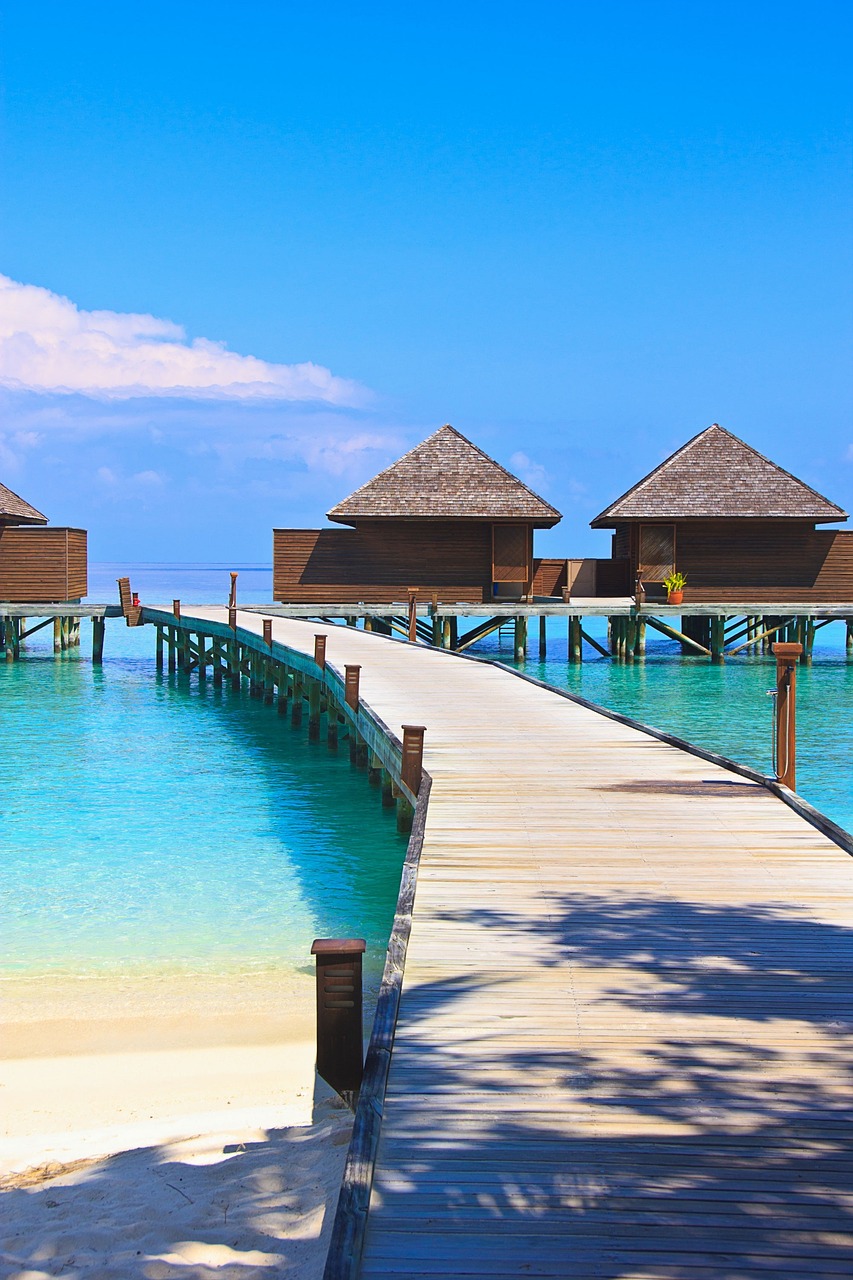
Maldives in 60 Seconds
- Best for: beach-first travelers, honeymooners, calm reset trips, and snorkel/diving-focused routes.
- Trip style: one base done well, or a clean 2-stop split (local island + resort).
- Ideal first route: Malé arrival → local island base (e.g., Maafushi) → optional resort finish.
- Reality check: transfer times and schedules can shape your whole trip more than map distance.
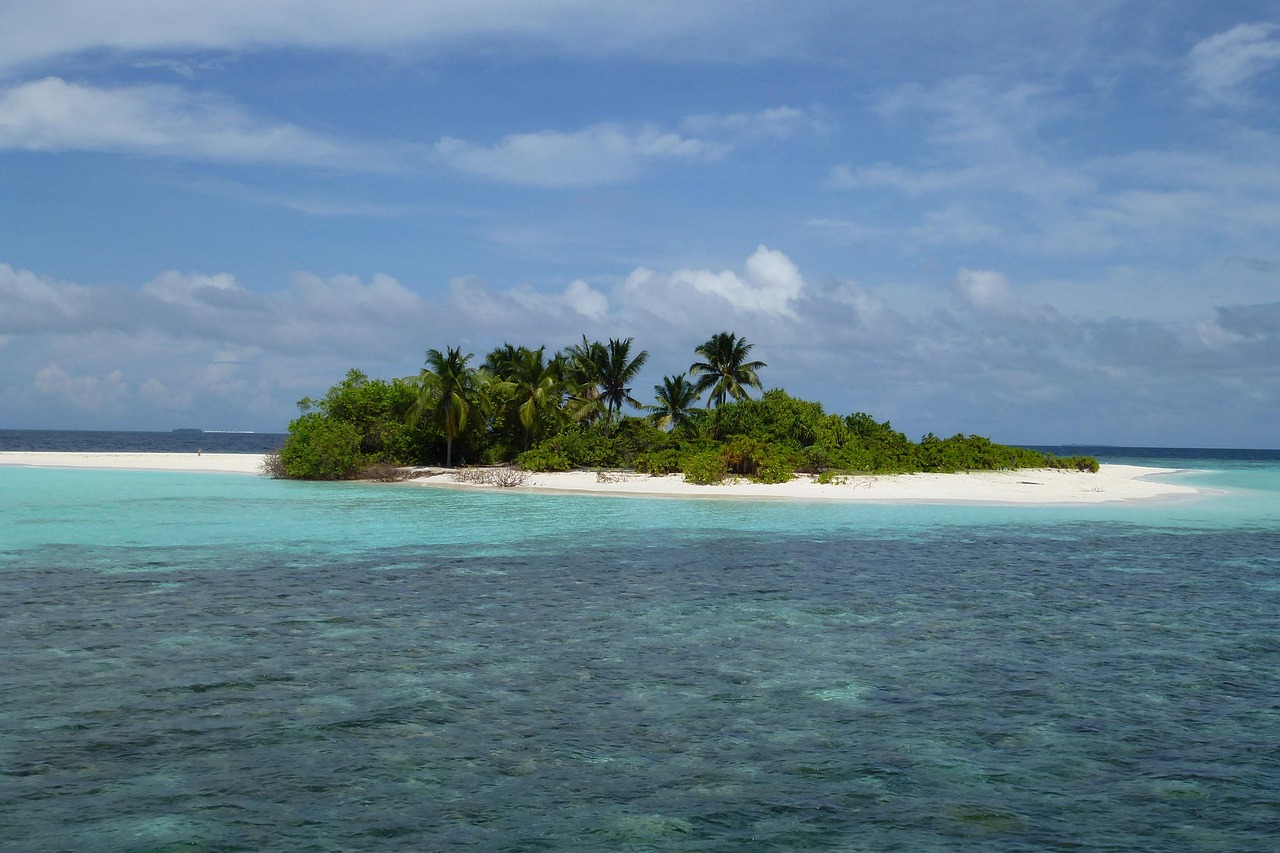
Trip Fit Snapshot
Best time to go
December to April is the easiest planning window for sunshine and calmer sea conditions in many areas.
Budget feel
Wide range: local-island travel can be manageable; private-resort style pushes quickly into premium spend.
Ideal trip length
5–8 days for a first trip. Longer works if you want a slow split across two different island styles.
Effort level
Low to moderate. Physically easy trip, but planning effort rises if you combine multiple transfer types.
The Major Destinations
If you’re planning your first Maldives trip, these anchors give you strong route logic without wasted transfer days.
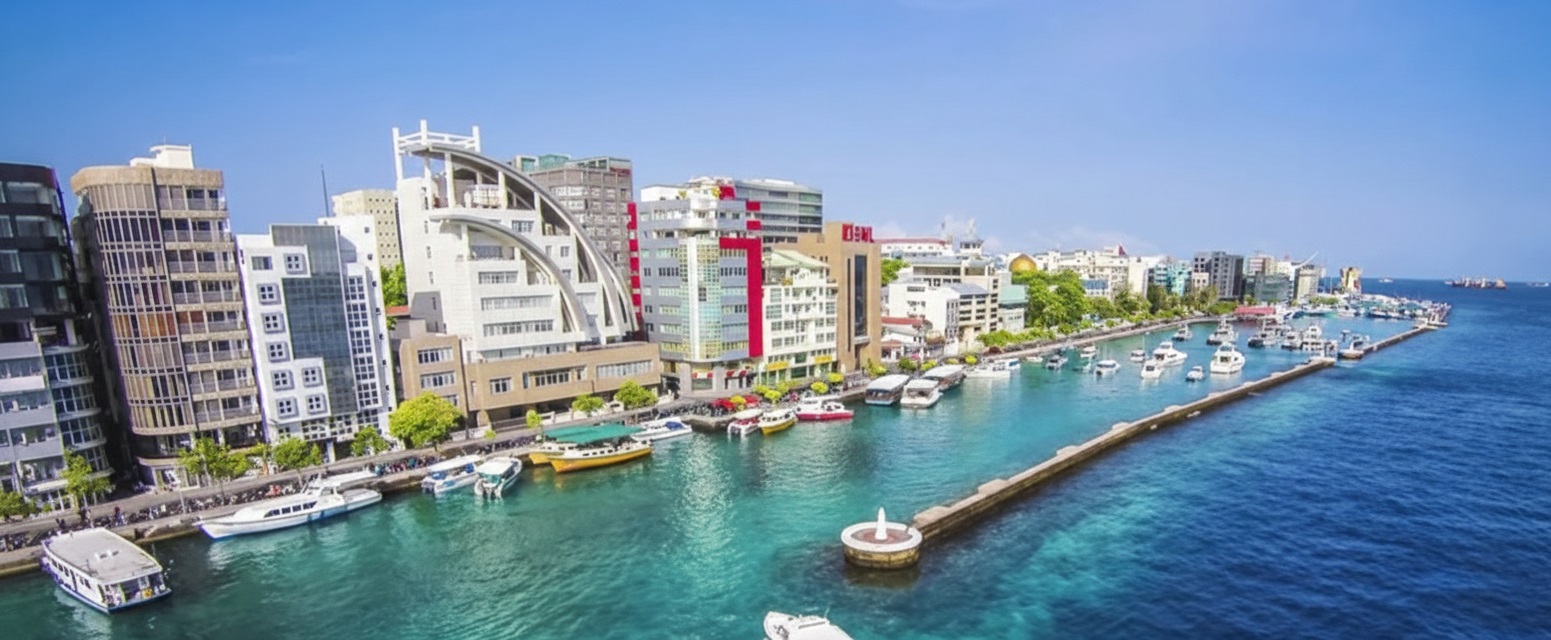
Malé
Arrival and transfer hub. Useful for logistics, short city time, and connecting to ferries, speedboats, or seaplanes.
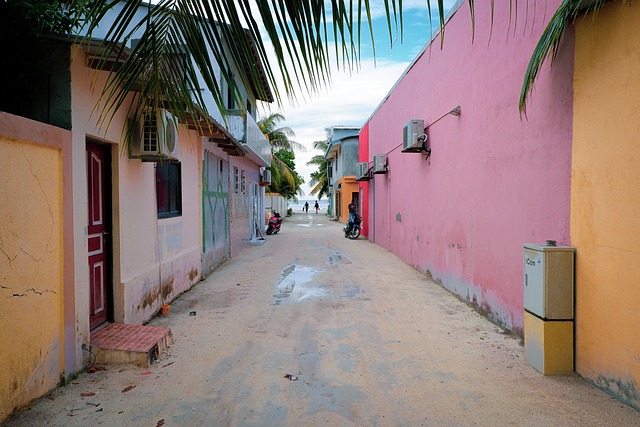
Maafushi
Popular local-island base with broad activity options and easier budget control compared with private resorts.
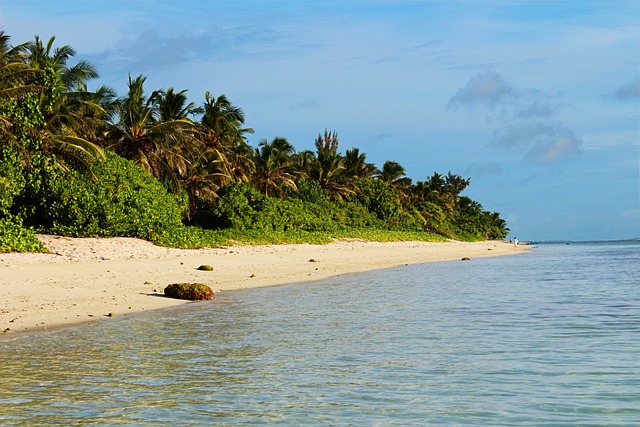
Hulhumalé
Practical pre/post-flight base near the airport. Helpful for cleaner timings on late arrivals and early departures.
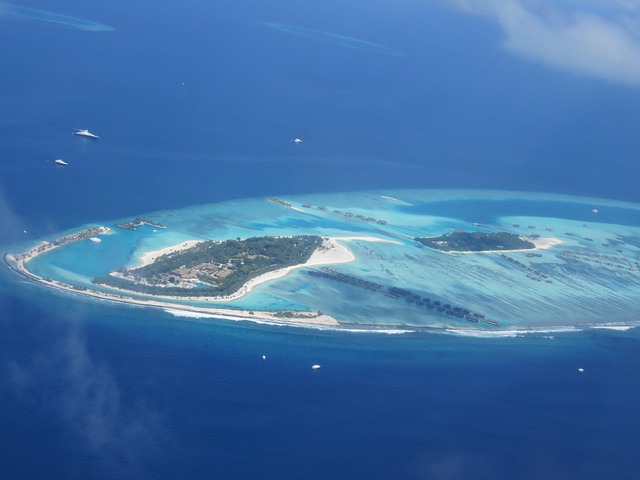
Ari Atoll
Strong for marine life experiences and classic postcard scenery. Good choice for snorkel/diving-focused stays.
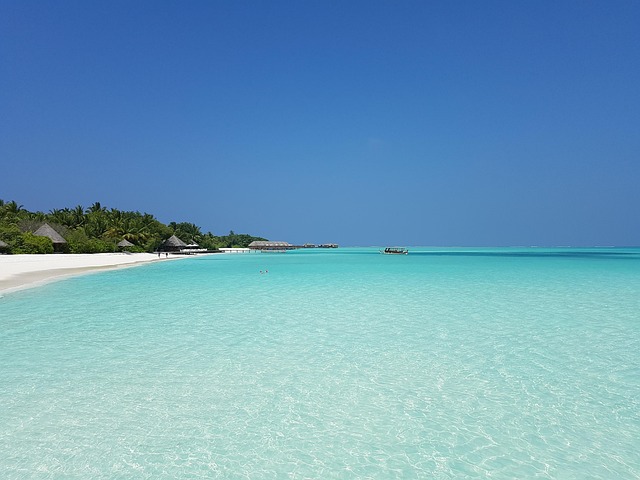
Baa Atoll
Known for premium resort clusters and polished service. Great if your goal is comfort, water, and downtime.
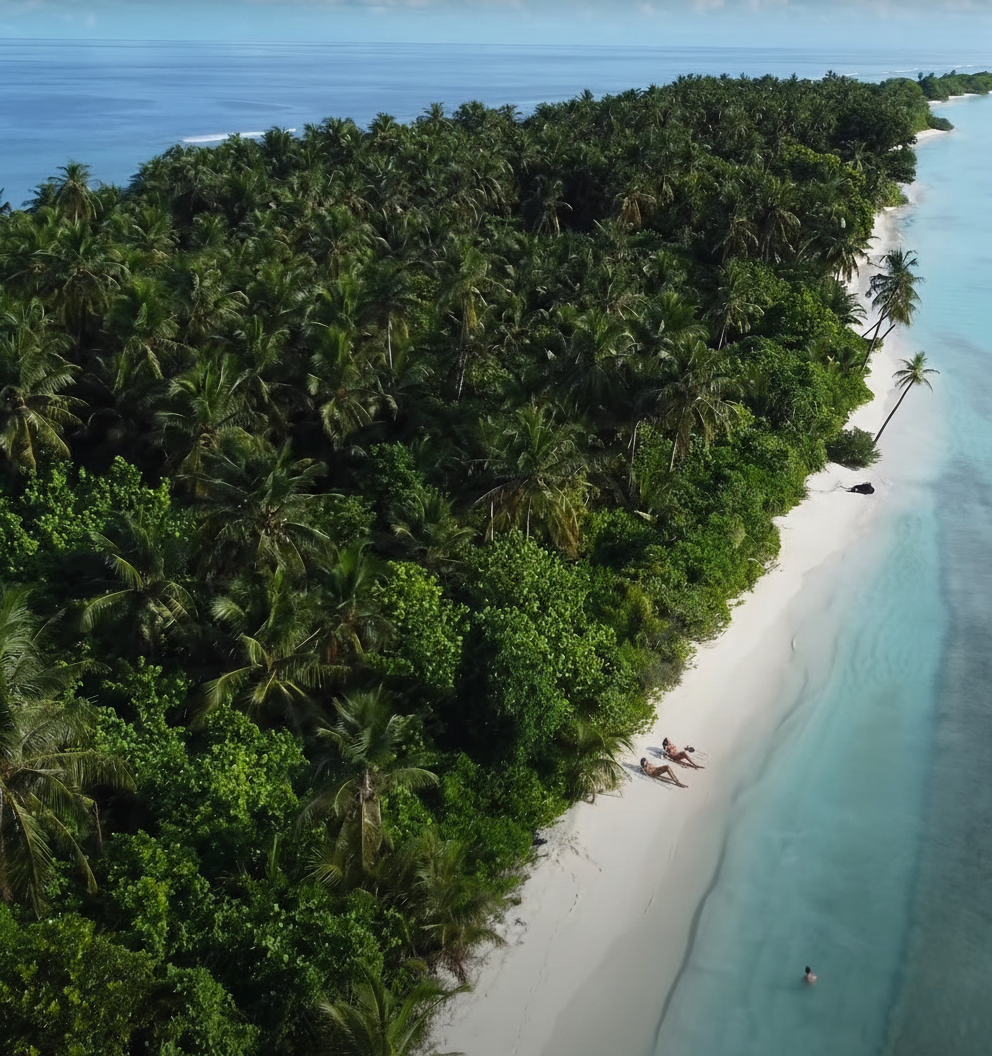
Dhigurah
Local-island feel with dramatic beaches and good ocean excursion potential for travelers avoiding overbuilt resort zones.
Daily Rhythm Comparison
| Route style | Who it suits | Typical pace | Risk of burnout |
|---|---|---|---|
| Single-island stay | Most first-timers and short trips | Very calm | Low |
| Two-island split | Travelers wanting contrast | Balanced | Low to moderate |
| Three+ island hop | Experienced planners | Transfer-heavy | Moderate |
Safety & Comfort: What Matters in Maldives
- Sea conditions: always confirm excursion viability with local operators on the day.
- Sun and hydration: heat and UV are intense; pace activity and keep water intake consistent.
- Transfer reliability: leave timing buffers around international flights.
- Local island etiquette: dress and behavior expectations differ from private resort norms.
- Insurance cover: include marine activity cover if snorkeling/diving excursions are planned.
Costs at a glance
- Budget: possible via local islands, guesthouses, and controlled excursion choices.
- Midrange: strong sweet spot with good comfort and manageable transfer structure.
- Treat mode: premium resorts and seaplane-heavy routes scale up quickly.
In Maldives, transfer design is the biggest budget lever after accommodation.
Seasons
- ☀️ Dec–Apr: drier conditions and easier first-time planning window.
- 🌦️ May–Nov: more variability and occasional rain bursts, often with lower pricing.
- 🌊 Ocean conditions: can vary by atoll and day, so keep plans flexible.
- 🧭 Shoulder timing: can offer strong value if you tolerate occasional weather changes.
Logistics Lite
- Entry rules: verify current visa/arrival requirements before flights.
- Getting around: speedboat, public ferry, domestic flight, or seaplane depending on island.
- Connectivity: generally good near hubs; quality varies by island and property.
- Packing: light breathable layers, reef-safe sun essentials, and water-ready kit.
Maldives FAQs
Is Maldives only for luxury travel?
No. You can do local-island routes at lower cost, especially if you keep transfers simple and avoid over-hopping.
How many days do I need for a first Maldives trip?
Five to eight days works well for most first routes, especially if you keep to one or two bases.
Should I stay on one island or split?
If it’s your first trip, one island is easiest. Two islands can work great if transfer timings are clean.
What is the simplest first itinerary?
Malé/Hulhumalé arrival night, local-island base, then optional resort finish before departure.
Join the conversation
Planning Maldives now? Share your island shortlist and number of days in the comments so travelers can compare route logic and transfer timing tips.