LUXEMBOURG, WHEN YOU WANT A STORYBOOK CAPITAL + CASTLES + FOREST AIR… WITHOUT BIG-CITY CHAOS
Luxembourg Travel Guide: Castles, Canyons, and a Capital You Can Walk Like a Story
This Luxembourg travel guide helps you choose between Luxembourg City, castles and countryside visits. First decide which experiences matter most, then build a route with time to enjoy them. Compare bases, seasons and transport before booking, and leave room for a slower day rather than filling every gap with another transfer.
Luxembourg is small, calm, and quietly impressive.
The trick is that it doesn’t behave like a “tiny country” once you’re on the ground —
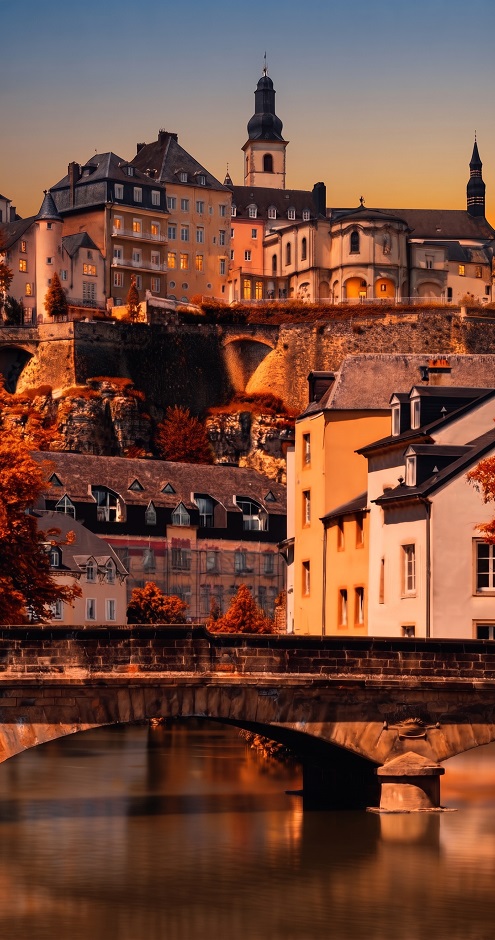
because the capital is built on cliffs, bridges, and layers.
My favorite way to do Luxembourg is simple: start high, drop low, then come back up.
Begin in the upper town (views and old streets), descend into the gorge neighborhoods (Grund / Pfaffenthal),
and then ride your way back up using the lifts, funicular, and free public transport.
That up-down rhythm is the whole magic.
Also, Luxembourg is one of the best “small base” countries in Europe:
you can do one strong capital day, then add a castle day (Vianden is the classic),
and a nature day (Mullerthal “Little Switzerland” energy) — without changing hotels every night.
By RobLast updated: February 2026~12–16 min readCurrency: EUR (€)Transport: Free (2nd class)
If you only read one part, read this. Luxembourg feels “easy” when you travel it in layers: high city → low gorge → back up.
Best first move: Do the Upper Town → Grund → Pfaffenthal loop (views, gorge streets, then ride back up).
When it clicks: The moment you realize the capital is built on cliffs and bridges — not flat streets.
Money truth: Luxembourg can be pricey, but free public transport and “one proper meal” pacing keeps it sane.
Easy win: Base in Luxembourg City, then add one castle day (Vianden) or one nature day (Mullerthal).
Classic mistake: Only walking the upper town. You’ll “see” it, but you won’t feel the gorge neighborhoods.
Quiet flex: Early morning in Grund, then a slow sunset return on the viewpoints (Corniche mood).
Key Takeaway
Luxembourg rewards a simple formula: one viewpoint loop + one “down in the gorge” wander
+ one deliberate meal. Everything else is bonus.
60-Second Fit Check
Ideal trip length: 2–3 days (sweet spot). 4–6 days if you’re adding nature + wine + slow villages.
Best energy level: Low to medium — perfect for walkers who like a “civilized pace.”
First-timer friendly: Yes. Clear, safe, compact, and extremely manageable.
Budget vibe: Mid to treat-yourself — but you can travel smart with picnics, free transport, and day trips.
My simple rule: If your plan is “all museums” or “all castles,” you’ll miss the balanced Luxembourg rhythm. Mix city + outside air.
Quick Fact
Luxembourg is one of Europe’s great “small connectors” — you can hop between cities, regions, and borders quickly…
without living your life on a suitcase.
The Luxembourg That Clicks: Upper Town + Corniche + Grund + Pfaffenthal (The “Cliffside Loop”)
Luxembourg City isn’t big — but it’s layered.
And the fastest way to feel that is to walk it like a loop that changes altitude:
start in the old streets and viewpoints up top, then drop into the gorge neighborhoods and let the mood shift.
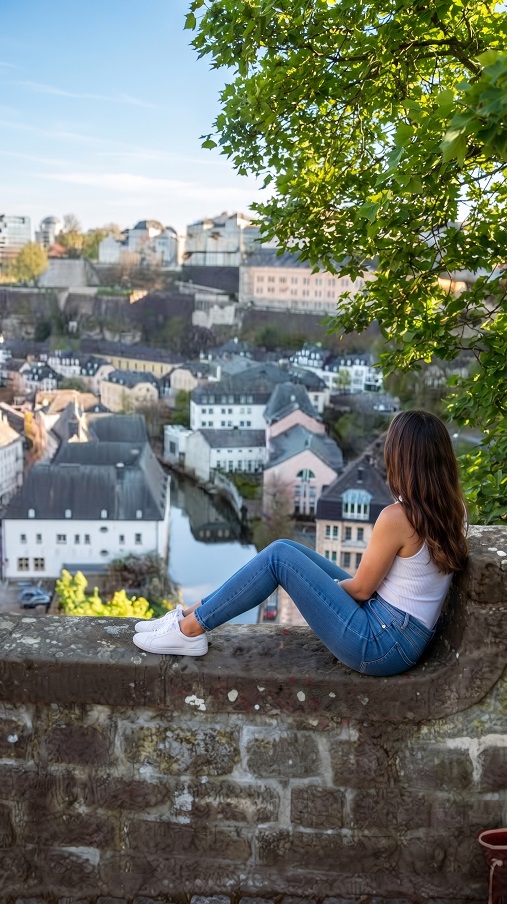
The upper town gives you the postcard: historic lanes, viewpoints, and that “fortress capital” feeling.
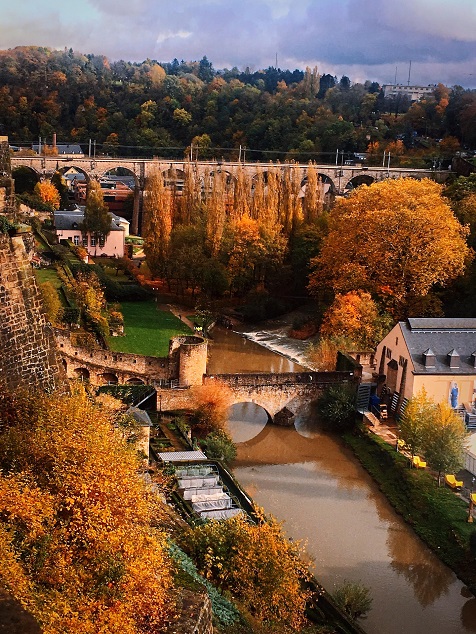
Then Grund and Pfaffenthal give you the lived-in version: quieter streets, riverside corners, and a pace that feels human.
Once you do both in the same day, Luxembourg stops feeling “small”… and starts feeling complete.
This is also where Luxembourg’s identity shows up:
it’s a modern European hub with deep history beneath it.
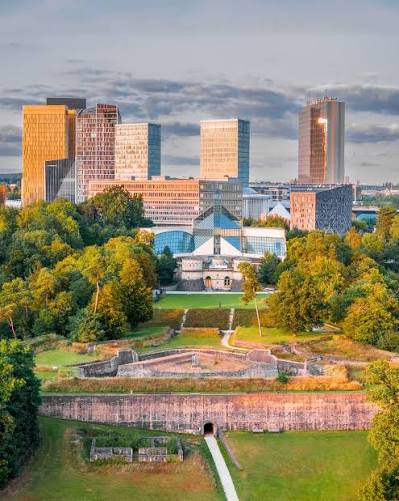
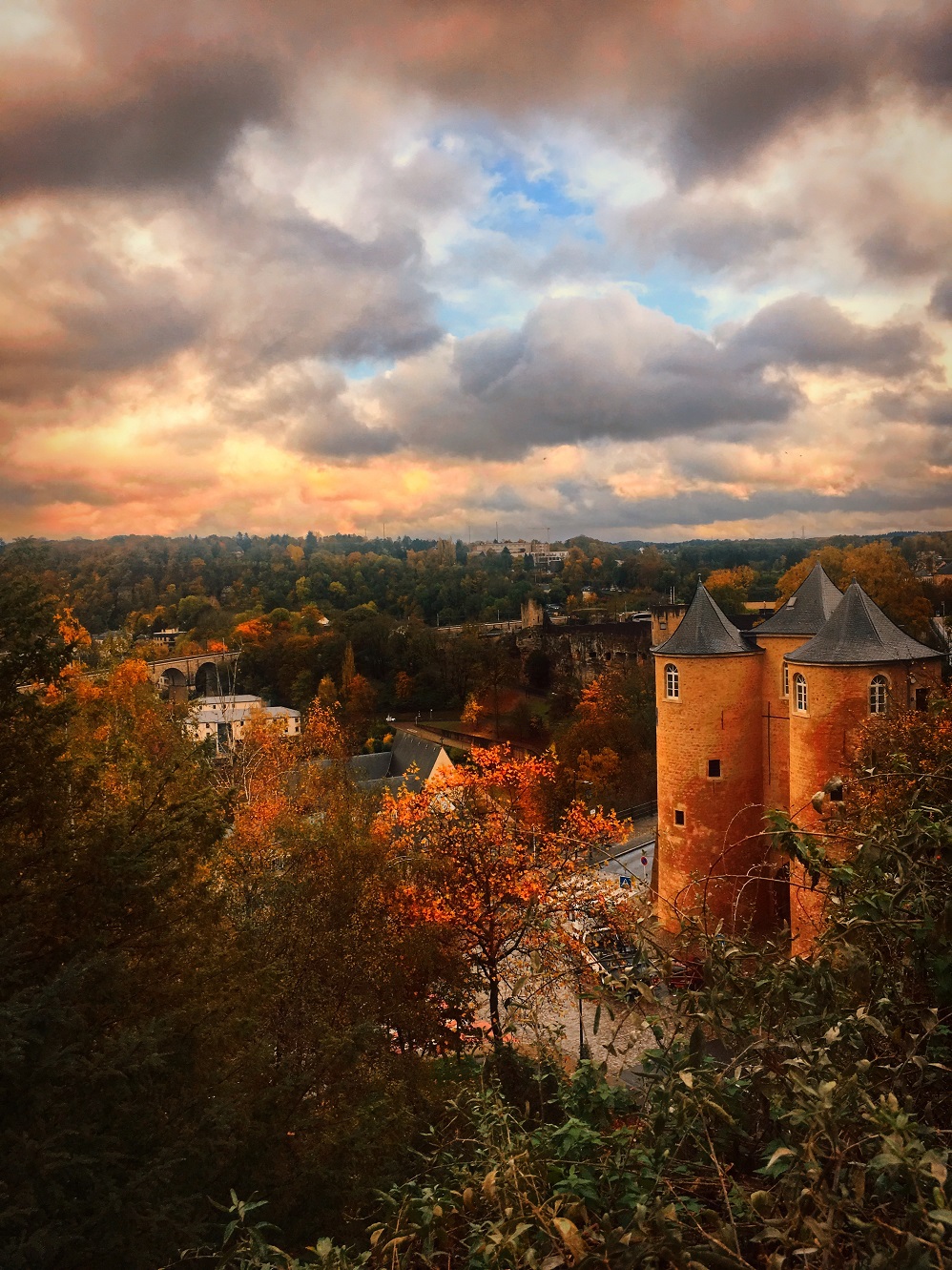
The old quarters and fortifications are UNESCO-listed, and the city’s defensive story is built into the walking experience.
What I’d do
Morning: viewpoints + old streets. Midday: drop into Grund for a slow lunch.
Afternoon: ride back up and reset your legs (lift/funicular/tram), then finish with a sunset viewpoint loop.
Do Luxembourg City in layers and it feels like three places in one — not one place you “finish” in a morning.
Vibe Check: What Kind of Luxembourg Are You Actually Here For?
Luxembourg is small enough to feel easy, but varied enough to feel personal — depending on which lane you choose.
The Cliffside City (history + viewpoints + gorge streets)
You want a capital that feels scenic and walkable, with real “wow” moments built into the streets.
Luxembourg City is perfect for slow wandering with sudden panoramic payoffs.
Plan like: one viewpoint loop + one “down in the gorge” wander.
The Forest & Rock Luxembourg (Mullerthal + Ardennes energy)
You’re here for trails, mossy rocks, quiet woods, and that “Europe but outdoors” reset.
This is Luxembourg at its most calming.
Plan like: one big trail day + one gentle town stop (Echternach is a classic pairing).
The River & Wine Luxembourg (Moselle + Schengen story)
You want riverside towns, vineyards, and the “Europe story” in a place that feels grounded.
The Moselle side is slow, scenic, and surprisingly satisfying.
Plan like: one riverside afternoon + a sunset dinner + a short winery detour.
Luxembourg in Four Seasons: Same Country, Different Personality
Spring: Crisp air, fresh green, and comfortable city walking — ideal for Luxembourg City + light hikes.
Summer: Longer evenings for viewpoints and riverside dinners. Also: book ahead for popular weekends.
Autumn: My favorite for trails and vineyard mood — cooler air, richer colors, and calmer crowds.
Winter: Shorter days but cozy energy — city lights, museums, and “warm drink after a cold walk” satisfaction.
Keep in Mind
Luxembourg weather can flip quickly. Pack layers and a light rain plan —
because the country is at its best when you keep walking anyway.
Street Smarts: Small Luxembourg Rules That Save Big Stress
Use the vertical shortcuts. Lifts, funicular, and bridges exist for a reason — Luxembourg City is a “cliff capital.”
Public transport is your superpower. It’s free in 2nd class, so use it like a “pace reset” tool, not only as transit.
Sunday can feel quiet. Some places slow down. Plan one “soft day” (views, parks, a long coffee) and you’ll love it.
Languages are mixed. You’ll see French/German/Luxembourgish — but you can get by easily as a visitor (English is common).
Book the headline stuff if timing matters. If you have one must-do (casemates, a specific museum, a tour), reserve early and relax.
Cross-border days are tempting. Luxembourg makes it feel easy — just keep your day count realistic so you’re not commuting for a brag.
Reality Check
Luxembourg’s “stress” isn’t danger — it’s overplanning.
Choose fewer anchors, then let the city’s layers do the work.
Luxembourg feels best when you move slowly enough to notice the “layer shifts.”
Logistics Lite
Luxembourg travel becomes effortless when you handle the basics up front: Schengen rules, money, power, emergency numbers, and how to move.
Entry rules & the Schengen reality
Luxembourg is in the Schengen Area, so your short-stay time in the region matters if you’re doing a longer Europe route.
If you’re visa-exempt, the common rule travelers hit is the 90/180 limit — but always confirm your own situation.
For border procedures and any travel authorisation applying on your dates, check the official EU EES and ETIAS website. Then verify the requirements for your passport before departure.
Luxembourg uses the euro (€).
It’s a wealthy country, so food and accommodation can land on the higher end —
but you can keep costs in check with pace, picnics, and choosing one deliberate “nice” meal.
Good to Know
If you’re doing museums and headline sights, look at the LuxembourgPass to bundle entry.
Don’t buy it automatically — buy it when your plan actually matches it.
Expect standard European power (230V / 50Hz) and common plug styles (often listed as Type C / F).
Pack a real adapter and you’ll never think about it again.
Luxembourg is a dream for low-stress movement: trains, buses and trams are free in 2nd class,
and in the capital you can combine walking with “reset rides” so you don’t burn your legs too early.
Driving & parking: possible, but don’t make it harder
A car can help for deep countryside days, but Luxembourg City is easier without “parking chess.”
If you’re driving, look for Park+Ride options and treat the capital as a walk + transit day.
Reminder
If your route includes multiple countries, double-check driving rules for each one.
Luxembourg itself is easy — your cross-border day is where people get sloppy.
Base Plans: 3 Simple Ways To Build a Luxembourg Trip That Still Feels Good at 3pm
Pick one. Luxembourg is compact — so your “base plan” is really a choice about what you want your days to feel like.
Plan A: Luxembourg City base (2–3 nights)
Why: You get the capital properly — day and night — and day trips stay easy.
Do: One “cliff loop” city day + one castle day (Vianden) + one nature/wine half-day.
Rule: Use free transport to reset your pace instead of forcing extra steps.
Who it’s for
If you want maximum variety with minimum logistics.
Plan B: Nature base (Mullerthal / Ardennes)
Why: You want trails, forests, and real “exhale” days.
Do: One big hike day + one gentle village day + one capital day as a change of texture.
Rule: Don’t “commute hike.” Stay close to your trail days.
The win
Luxembourg feels like a small, clean nature reset — without remote drama.
Plan C: Moselle base (wine + river towns)
Why: You want slow lunches, vineyards, and riverside evenings.
Do: One river day + one Schengen story day + one capital day.
Rule: Keep it slow — the Moselle is about mood, not mileage.
Why it works
It’s the gentlest Luxembourg rhythm — and it pairs beautifully with the capital.
In Luxembourg, your budget is often decided by your pace — and how many “convenience purchases” you trigger.
Costs & Pace: What Actually Moves the Needle in Luxembourg
Luxembourg can feel expensive if you travel in “rush mode”:
quick taxis, convenience meals, and paying top prices in the most obvious spots.
However, the good news is: Luxembourg is also one of the easiest places to manage with smart pacing —
because transport is free (2nd class) and the country is compact.
Biggest cost lever: accommodation. If you’re budget-sensitive, choose location + season carefully.
Meal strategy: one proper sit-down meal per day, then keep the rest simple (bakeries, picnic, light lunches).
Movement strategy: walk the scenic parts, then “reset” with transit to avoid fatigue-spending.
Value strategy: bundle sights with LuxembourgPass when your plan matches it — not out of habit.
Free wins: viewpoints, bridges, gorge neighborhoods, riverside loops, and forest air cost nothing.
Straight Talk
Luxembourg doesn’t get expensive because it’s small.
It gets expensive when you buy speed and convenience all day.
🌙 You “cover” Luxembourg… but you don’t really enjoy it
Example spend: €420–€900/day
Energy:
Prices are illustrative (€) to show the relationship between pace and spend — not a quote.
Un-Googleable Luxembourg: Tiny Choices That Change the Whole Trip
These aren’t “hidden gems.” They’re the small behaviors that make Luxembourg feel like a country — not a quick stop.
Walk one bridge twice — once midday, once at sunset
Luxembourg is compact, so repetition is powerful.
Re-walk a bridge or viewpoint loop when the light changes.
Suddenly your photos improve and the city feels deeper.
Use free transport as a “mood switch,” not just transit
Hop a tram or train for one stop simply to reset your legs and head.
That small reset keeps your day calm — and reduces “tired spending.”
Eat in the gorge neighborhoods at least once
Upper town is pretty, but the gorge neighborhoods feel more lived-in.
One slow lunch down there changes the whole trip’s texture.
Do a “Europe story” half-day in Schengen
Schengen isn’t just a name — it’s a real place on the Moselle.
If you like travel with meaning, this is a surprisingly satisfying detour.
Gap Analysis: Is Luxembourg Right for Your Kind of Trip?
Luxembourg is lovely — and it’s not for everyone. Here’s the honest part (with fixes, not judgement).
You’ll love it if…
You like compact countries where you can build a full “story arc” in a few days.
You enjoy scenic city walking, viewpoints, and calm European order.
You want castles and nature without remote logistics or big travel friction.
You’re happy doing less — but doing it properly.
Plan around it if…
You need ultra-budget travel every day (solution: picnic more + stay a little outside prime zones).
You only feel satisfied by huge “bucket list” cities (solution: use Luxembourg as a calm reset between them).
You’re trying to cover multiple countries in one weekend (solution: pick one lane and do it well).
Bottom Line
Luxembourg is best as a designed small trip.
If you treat it like a drive-by, you’ll miss the layers that make it special.
Explore Luxembourg with Rob
For a closer look, choose one of these guides and stories before building the rest of your trip.
Quick answers to the stuff people actually worry about.
Is public transport really free in Luxembourg?+
Yes — public transport is free in 2nd class (buses, trains, trams). First class and cross-border travel aren’t covered, so check the details for your specific route.
How many days do I need in Luxembourg?+
Two to three days is the sweet spot: one strong Luxembourg City day, then one castle/nature day, plus one flexible half-day for wine, villages, or museums.
What languages are used in Luxembourg?+
You’ll see Luxembourgish, French, and German in daily life. As a visitor, you can usually get by comfortably, and English is widely used in tourism settings.
Do I need a car in Luxembourg?+
Not usually — especially for Luxembourg City. A car helps for deeper countryside trail-hopping, but many day trips work fine with trains and buses.
Is Luxembourg expensive?+
It can be, especially for accommodation and sit-down meals. The good news is that free transport, picnics, and a “one proper meal” pacing approach can keep the trip very manageable.
What emergency numbers should I save in Luxembourg?+
Save 112 for ambulance/fire emergencies and 113 for police emergencies.
Join the conversation
Are you planning Luxembourg as a calm city break, a castle-and-trails mini adventure, or a Moselle slow trip?
Drop your rough plan and what you’re unsure about — and if you’ve got practical tips (especially budget-smart ones),
help the next traveler build a better Luxembourg loop.
Join the conversation
Are you planning Luxembourg as a calm city break, a castle-and-trails mini adventure, or a Moselle slow trip? Drop your rough plan and what you’re unsure about — and if you’ve got practical tips (especially budget-smart ones), help the next traveler build a better Luxembourg loop.