SOUTHEAST ASIA LANE
Laos Travel Guide: Slow River Rhythm, Sacred Cities, and Mountain Adventure
Laos rewards travelers who go slower. Keep your route clean, protect transfer days, and you’ll get far more depth from every stop.
My simple framework: one cultural base, one adventure base, and one buffer day for weather, transit, or pure breathing room.
If you rush this country, it feels underwhelming. If you pace it, it becomes unforgettable.
The difference shows up in small moments—an extra morning to watch the Mekong from a cafe instead of racing to catch a bus, an afternoon free to stumble into a weaving cooperative you didn't plan for, an evening where you're not too exhausted to actually enjoy dinner. Laos doesn't have the density of temples like Cambodia or the beach infrastructure of Thailand, so trying to maximize stops per day misses the point entirely.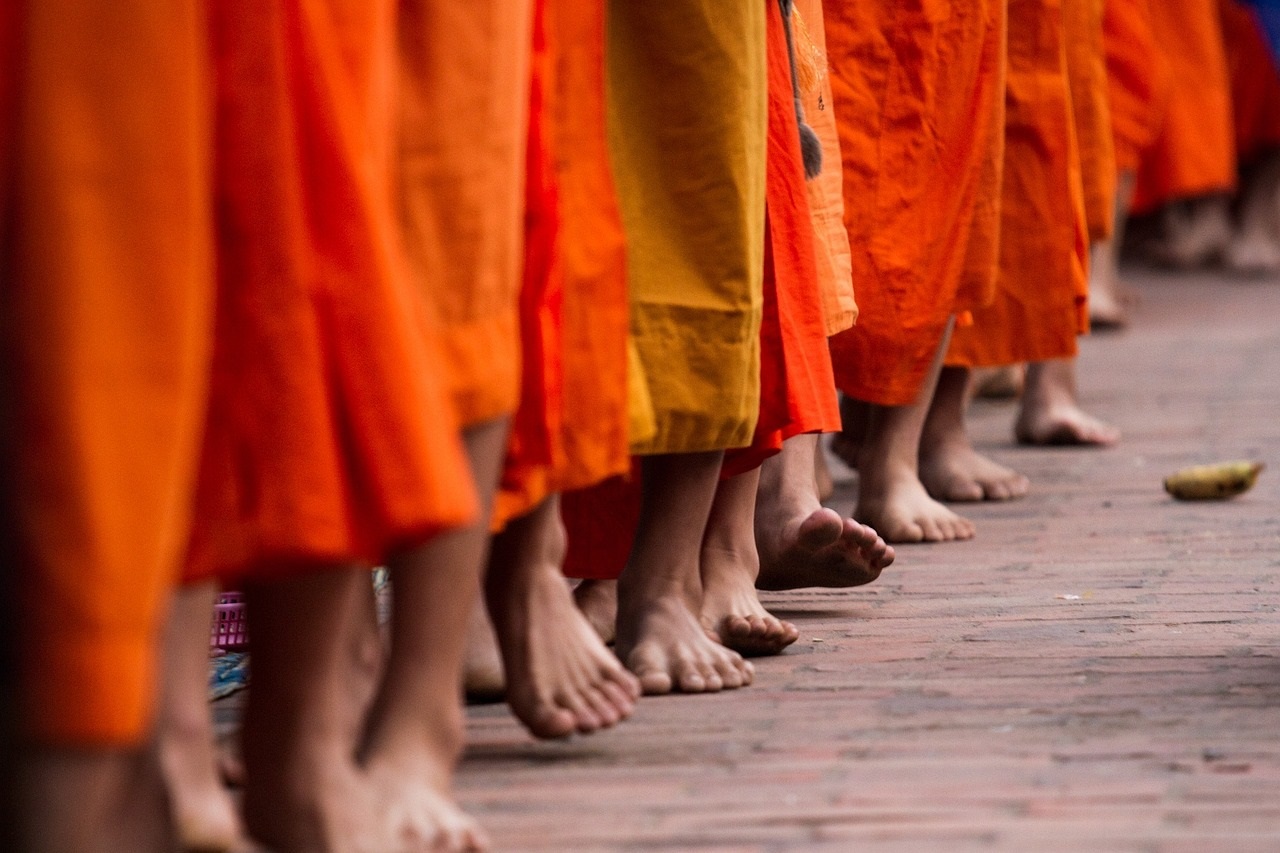
At a Glance (60-Second Scan)
Laos works best when you keep it simple, scenic, and structured.
- Best first move: Start with Luang Prabang or Vientiane—both have international airports and lower-friction arrivals.
- Ideal first trip: 8–12 days for balanced pacing and genuine recovery time.
- Classic mistake: Overpacking long road transfers through mountain routes.
- Big win: Add one no-plan buffer day for weather, rest, or spontaneous detours.
- My rule: Every transfer day = lighter activity on arrival.
- Optional slow-boat add-on: Houayxay to Luang Prabang is scenic and meaningful if you have 10+ days and want journey over speed.
- ATM strategy: Withdraw in cities (Vientiane, Luang Prabang, Vang Vieng). Smaller towns and rural areas are still heavily cash-based. Cards work in nicer hotels and restaurants, but street food, tuk-tuks, and guesthouses expect kip or dollars.
- The train game-changer: The new China-Laos railway (opened 2021) connects Vientiane to Luang Prabang in under three hours—faster, smoother, and more comfortable than the old minibus grind. Book tickets in advance during peak season.
Laos is not about speed. You get the best trip when you deliberately under-schedule.
Trip Fit Snapshot
- Ideal style: Culture + nature + slow travel rhythm.
- Energy level: Low to medium.
- First-timer friendly: Yes, with clean routing.
- Budget vibe: Good value if you avoid transport chaos.
- Transport spine: Rail + road + river.
The Major Destinations
These are the core Laos anchors I’d build around first before adding secondary towns.
Luang Prabang
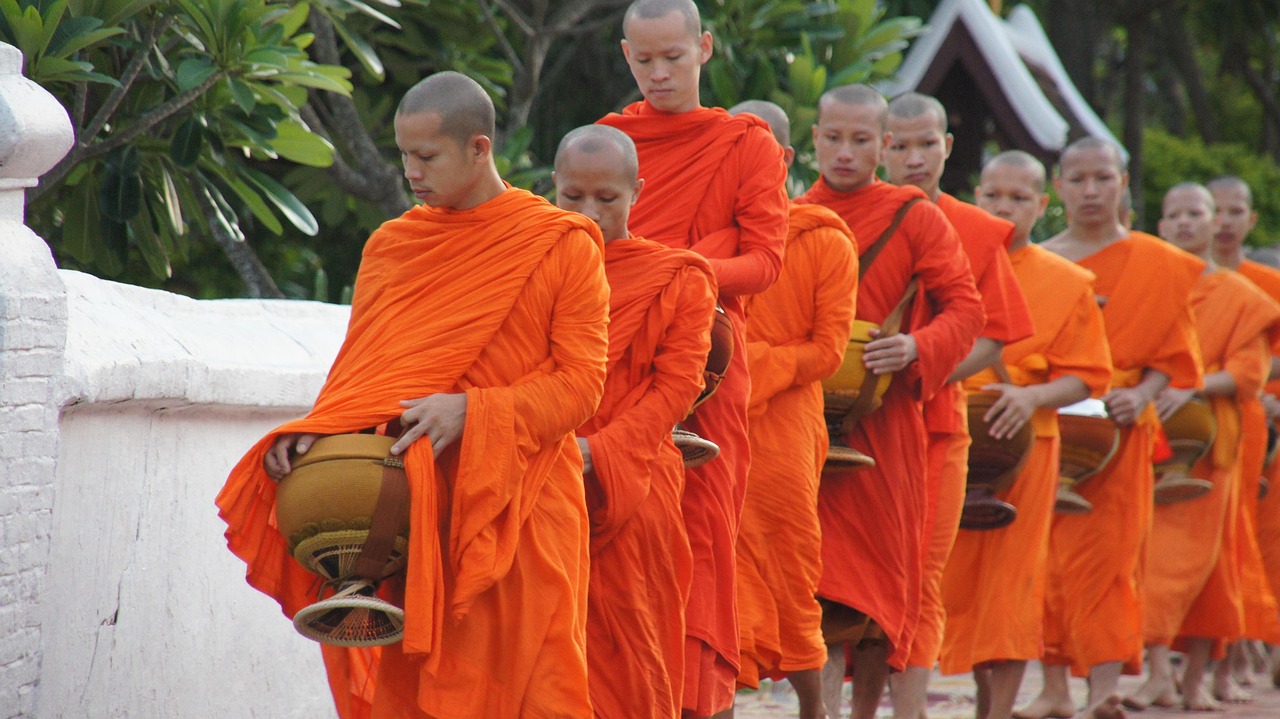
Often called the “jewel in the crown” of Laos, this UNESCO World Heritage town is the country’s cultural and spiritual heart. It is known for its well-preserved blend of traditional Lao and French colonial architecture, numerous gilded temples including Wat Xieng Thong, and the daily morning alms-giving ritual.
Vientiane
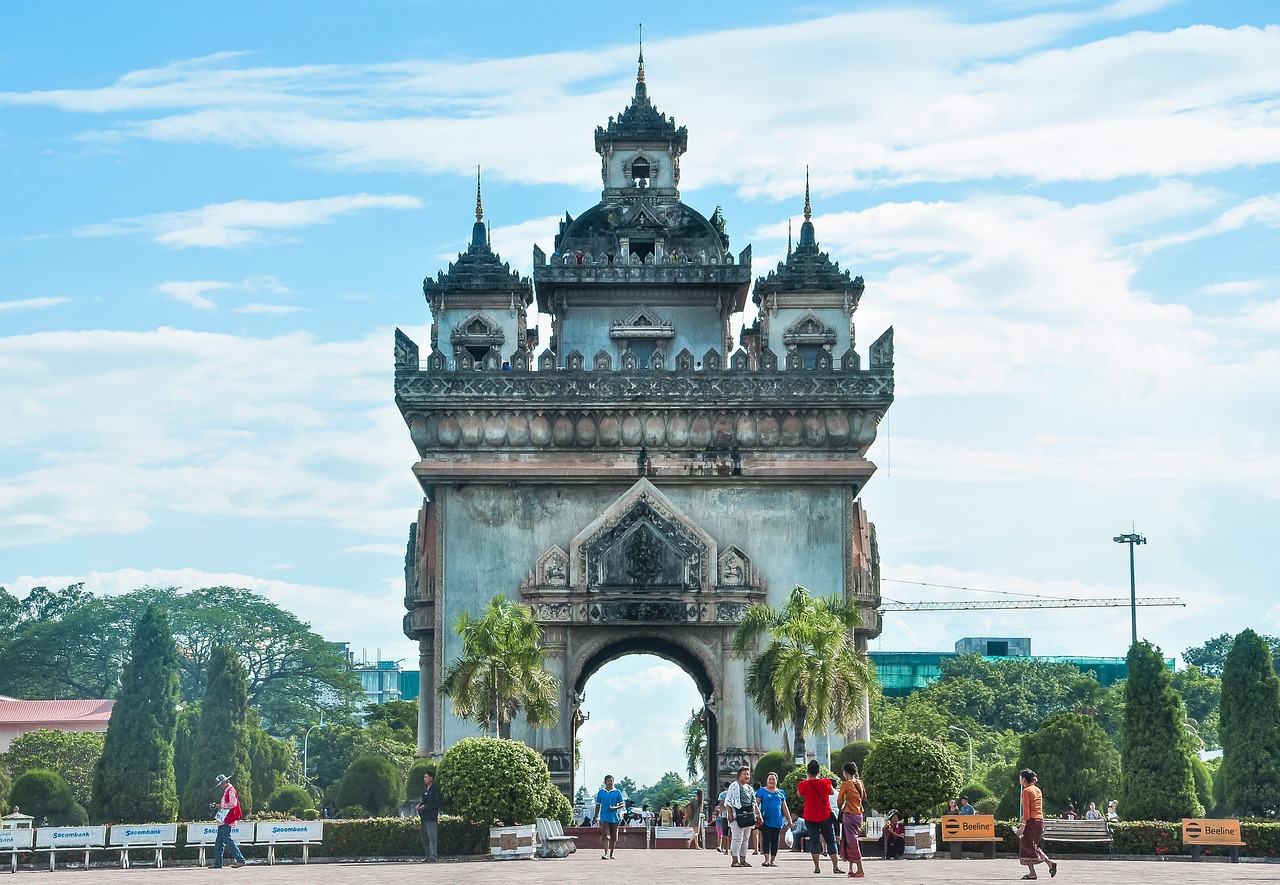
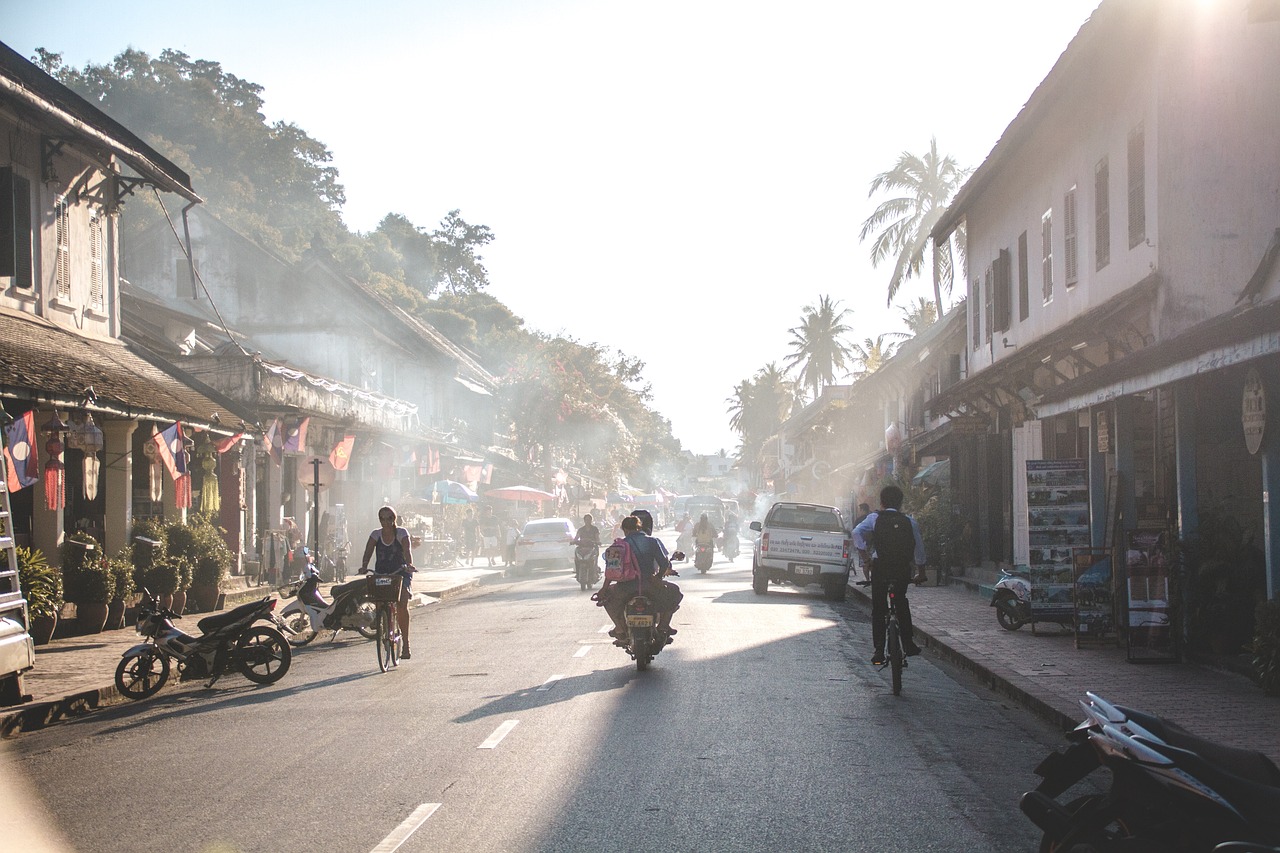
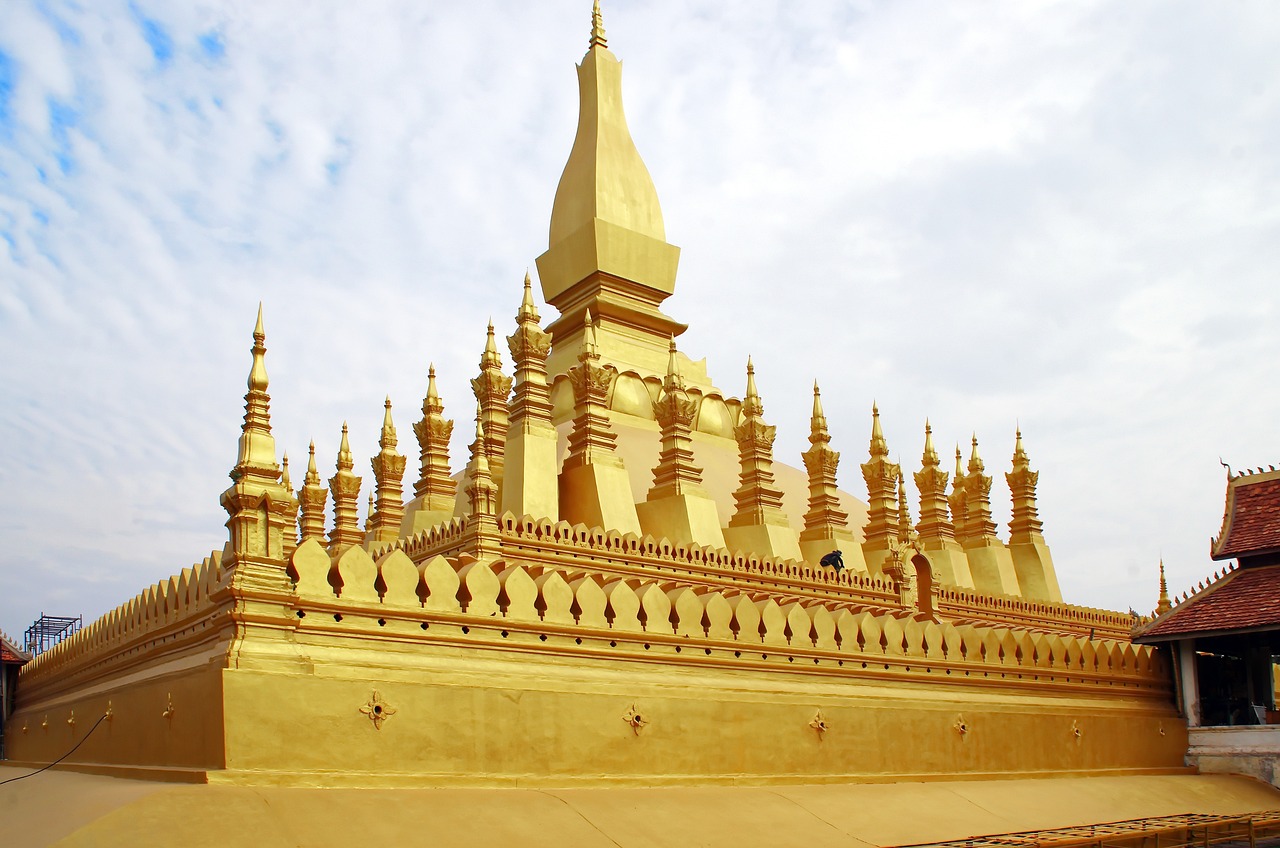
Though it is the national capital, Vientiane keeps a laid-back riverside-town feel. It houses Laos’ most significant national monument, the golden Pha That Luang, along with major landmarks like the Patuxai (Victory Gate).
Vang Vieng
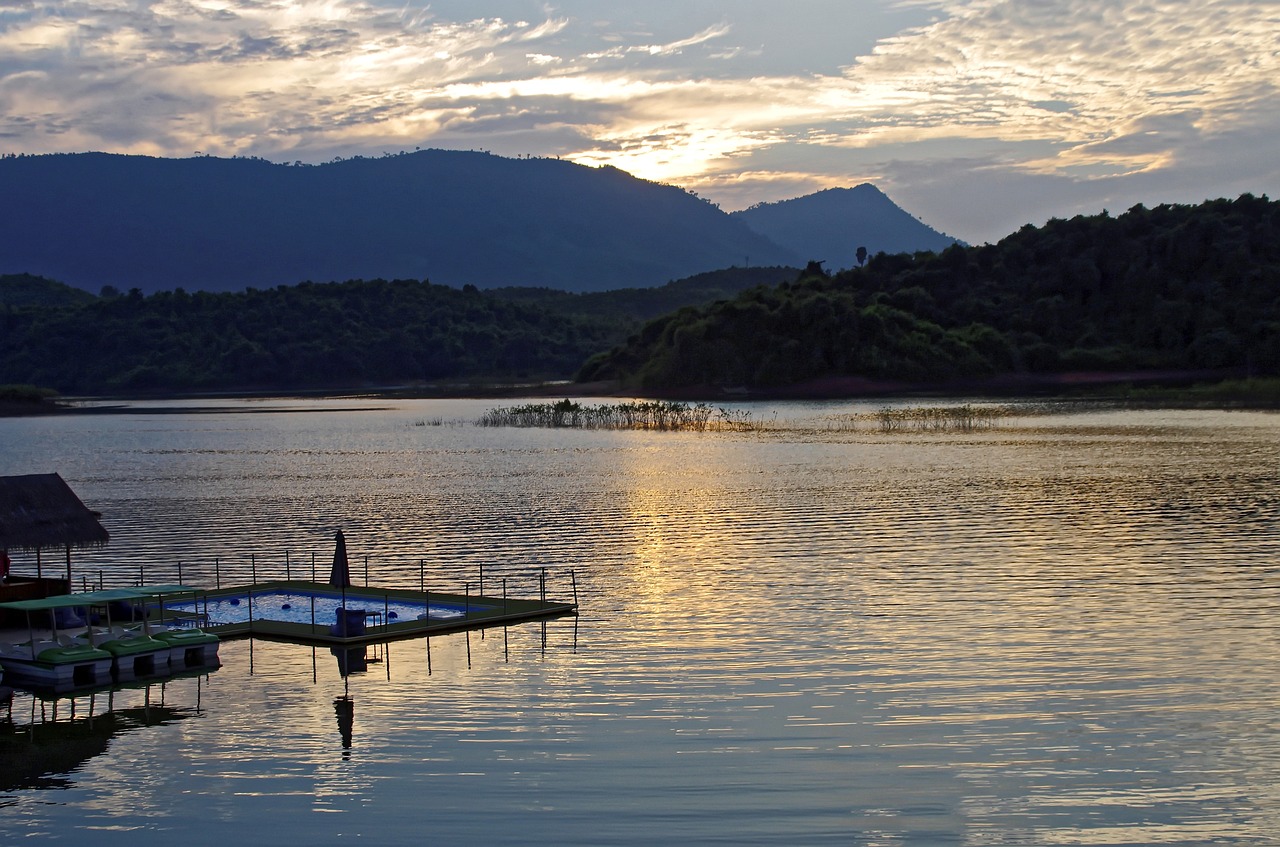
Once known mainly as a backpacker party hub, Vang Vieng has evolved into an adventure capital. It sits in a dramatic limestone karst landscape and is famous for river tubing, kayaking, blue lagoons, and cave exploration.
- Reinvented identity: from party stop to adventure base.
- Landscape pull: karst mountains shape the whole experience.
- Main draws: tubing, kayaking, lagoons, caves.
How to combine the three
- Culture first: Luang Prabang → Vang Vieng → Vientiane.Start with Laos at its most refined—alms giving, temple walks, French colonial charm. Move through adventure in the middle when your energy is highest. End in the capital when you're ready for slower rhythms, good coffee, and easy airport access.
- Low-friction first-timer: Vientiane + Luang Prabang (skip overstacking).Two bases, no stress. Fly into Vientiane, spend 2 nights adjusting to the pace, then take the express train north to Luang Prabang for 3-4 nights. This gives you temple culture, night markets, waterfalls, and Mekong sunsets without the logistical overhead of a third stop.
- Adventure-balanced: Vang Vieng in the middle, never on arrival day.Vang Vieng demands energy—kayaking, rock climbing, cave exploration, and yes, tubing. Dropping your jet-lagged self there on day one is a recipe for injury or exhaustion. The ideal placement is days 4-6 of a 10-day trip: you've acclimatized in Luang Prabang or Vientiane, you're hitting peak trip energy, and you still have recovery time afterward.
Two anchors done well beats three anchors done tired.
Notable Regional Towns
These towns are where Laos gets deeper once your core route is stable.
Pakse
In southern Laos, Pakse is a major transport hub and the gateway to the Bolaven Plateau (coffee + waterfalls) and the 4,000 Islands (Si Phan Don).
Phonsavan
Capital of Xieng Khouang province and main gateway to the Plain of Jars, the mysterious UNESCO-listed archaeological landscape.
Nong Khiaw
Rustic and incredibly scenic northern town, set between limestone cliffs on the banks of the Nam Ou River.
Champasak
A quiet historic southern town that once served as a royal seat. It is the gateway to Wat Phou, an ancient Khmer Hindu temple complex.
Luang Namtha
Near the Chinese border, this is a classic base for trekking and eco-tourism in Northern Laos.
How to use these towns smartly
- Add one regional town to your first trip, not three.
- Use Pakse for south loops, Nong Khiaw for north-nature texture.
- Protect extra transit time in rainy periods.
Vibe Check: Which Laos Are You Here For?
Temple + Heritage Rhythm
Early mornings, historic streets, and soft evening pace.
Karst + River Adventure
Kayak, caves, viewpoints, and movement days with intention.
South Loop Explorer
Coffee plateau, waterfalls, river islands, and less-crowded flow.
Laos in Four Seasons (Text + Icons)
No image in this section by design—quick scan, cleaner planning.
Spring
Best for: mixed routes and shoulder-season flexibility.
Summer / Hot Window
Best for: early starts + longer midday breaks.
Rainy / Green Season
Best for: lush landscapes and slower itineraries.
Cool-Dry Window
Best for: broad comfort across major routes.
Daily Rhythm Comparison (Laos Edition)
Cultural Day
- Morning temple/street walk
- Midday café + shade
- Late afternoon riverfront loop
- Early dinner + recovery
Adventure Day
- Morning primary activity
- Midday cooldown/hydration
- Short sunset add-on
- Early sleep block
Transfer Day
- Move first, admin early
- Arrival orientation
- Minimal evening plans
- Protect tomorrow’s energy
Rob’s Tips: One Food Win + One Activity Win
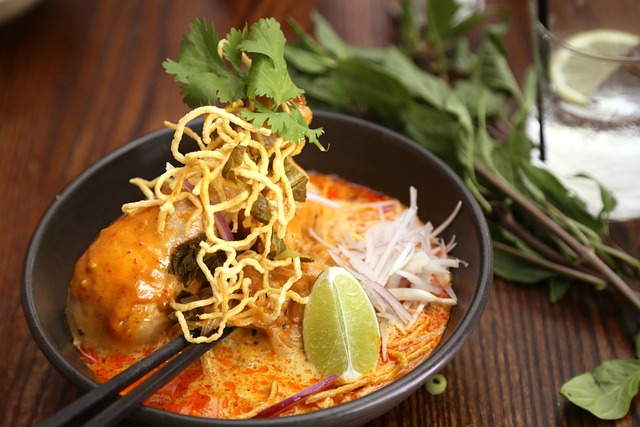
Food pick: Khao soi / larb session with context
Pick one intentional meal experience in a trusted local spot and let that become your food anchor.
Activity pick: Sunset Mekong walk + viewpoint sunrise
This combo gives you both the calm and the scale that define Laos without draining your trip energy.
One good food memory + one movement memory is better than ten rushed activities.
Safety: Suggestions and Warnings
Smart habits
- Keep unknown road movement in daylight.
- Use reputable transport providers.
- Carry split cash/card backups.
- Hydrate aggressively in hot months.
- Save offline maps and booking screenshots.
Warnings worth respecting
- Transit times can run longer than expected.
- Night moves add fatigue and risk.
- Seasonal weather can disrupt road plans.
- Check latest official advisories before travel.
Logistics Lite
Entry + visa
Route design
Use a two-base structure first. Add one regional town only if your time allows.
Money
Use LAK day-to-day, with a backup card plan and practical cash layering.
Tech prep
Costs: What Actually Moves the Budget
Where people overspend
- Too many one-night stops
- Reactive transport bookings
- Stacked paid activities without recovery
How to keep it sane
- Set a daily USD guide, spend in LAK
- Pre-book core legs, keep edges flexible
- Plan one premium experience per base
Laos FAQs
How many days are ideal for Laos?+
Eight to twelve days works best for a calm first route.
Should I do many towns on a first trip?+
No. Two anchors plus one optional regional town is usually the sweet spot.
Best first-time destination combo?+
Luang Prabang + Vientiane, with Vang Vieng as an optional middle stop.
Join the conversation
Which Laos structure are you considering: culture-first, adventure-first, or a balanced two-base plan? Share your draft route and timing so other travelers can learn from it.