Croatia Travel Guide: Adriatic Islands, Ancient Walls & Mediterranean Living Done Right
This Croatia travel guide helps you choose between historic cities, the Adriatic coast and island stays. First decide which experiences matter most, then build a route with time to enjoy them. Compare bases, seasons and transport before booking, and leave room for a slower day rather than filling every gap with another transfer.
Croatia is the Adriatic's surprise package: thousand-year-old walled cities, impossibly blue water,
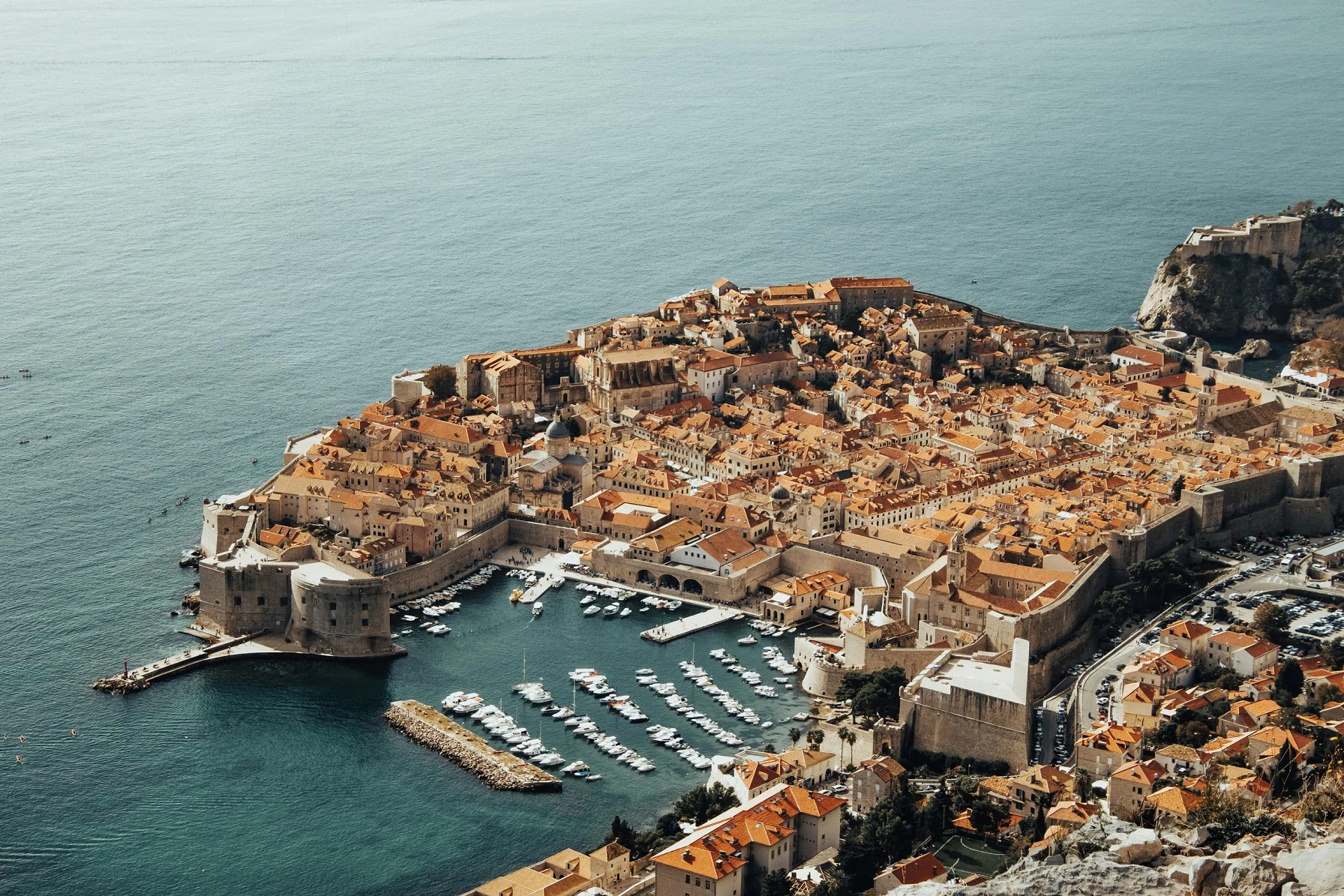
and over 1,000 islands that feel like they've been waiting just for you. You've got Game of Thrones drama in
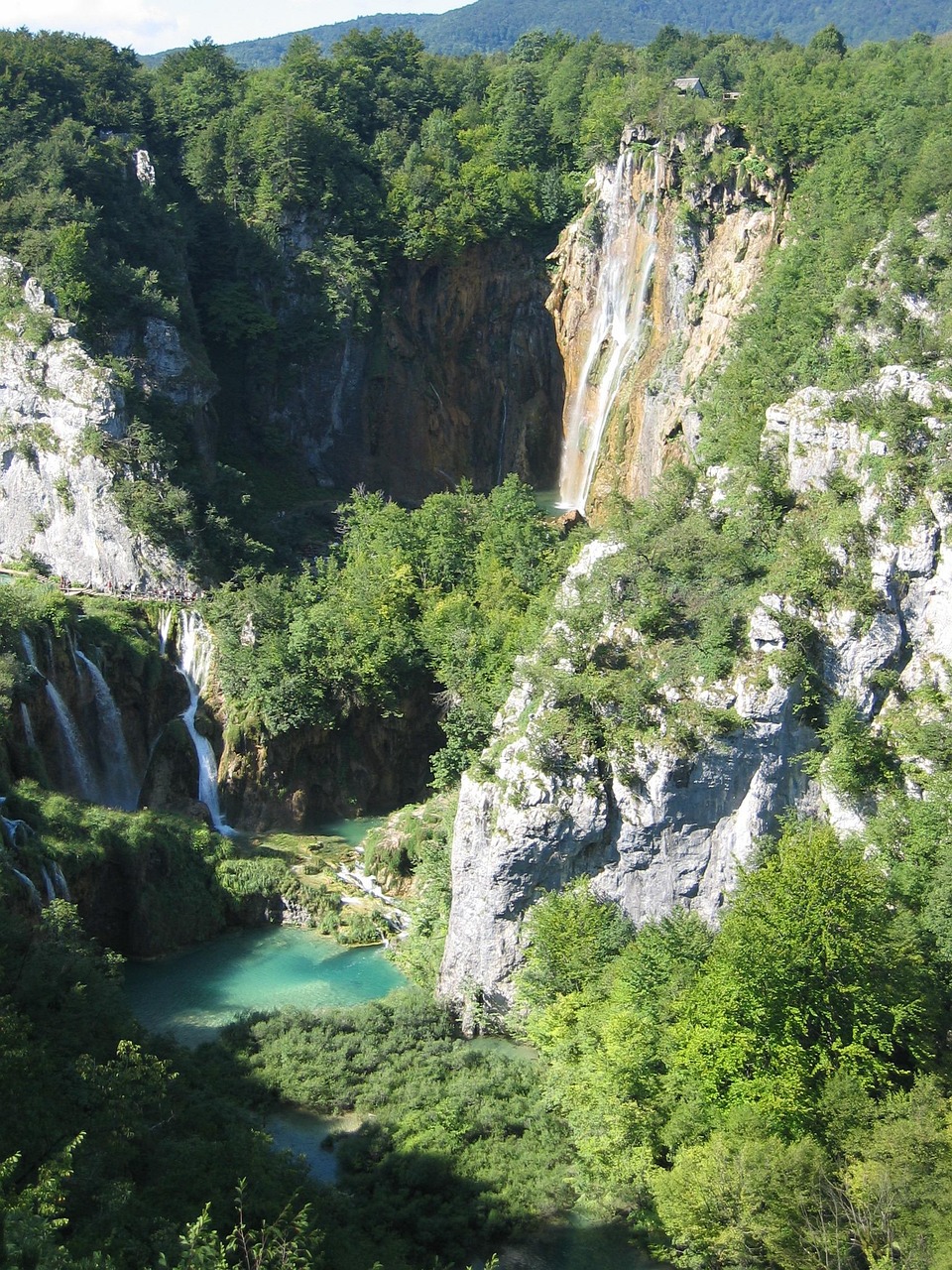
Dubrovnik, Roman history you can walk through in Split, and waterfalls
at Plitvice that don't look real until you're standing in front of them.
My Croatia approach is straightforward: choose one or two bases, then give them time. Before adding an island or national park, check the extra journey. Also, leave room for a long seaside dinner. The coastline will still be there if you fail to inspect every kilometer.
Before choosing dates, compare conditions and accommodation for the places you want to visit. Then decide how much bustle suits you. However, do not build the trip around a promise of empty streets or bargain prices. Choose a route you would enjoy even with company.
By RobLast updated: February 2026~18–22 min readCurrency: EUR (€)
First, choose your balance of historic towns, nature and the sea. Then plan a few manageable bases. Rather than collecting islands, leave time to experience the places you choose.
Best first move: Dubrovnik (2–3 days) + Split (2 days) + Plitvice Lakes (1 day) + one island base (3–5 days).
When it clicks: When you're swimming in water so clear you can count pebbles at 20 feet, then eating grilled fish caught that morning.
Money truth: Croatia isn't the "budget Balkan secret" it once was, but it's still better value than Italy or Greece—especially outside July-August.
Easy win: Base in Split for a few days and day-trip to islands, beaches, and Roman ruins without changing hotels constantly.
Classic mistake: Trying to see Dubrovnik, Split, Plitvice, Zagreb, Istria, AND three islands in 7 days. Pick a region.
Quiet flex: Croatia's northern Istria region is like a less-crowded Tuscany—hilltop towns, truffles, world-class wine, and virtually no tour buses.
Key Takeaway
Croatia rewards this formula: 2 coastal bases + 1 natural wonder + selective island time.
Less ferry panic, more long lunches overlooking impossibly blue water.
60-Second Fit Check
Ideal trip length: 10–14 days (Dubrovnik + Split + Plitvice + one island). 7 days works if you choose coast OR islands, not both frantically.
Best energy level: Medium—old towns mean cobblestone hills, but islands are pure chill once you arrive.
First-timer friendly: Absolutely—once you resist the urge to island-hop like it's a competitive sport.
Budget vibe: Mid-range sweet spot—cheaper than Western Europe, more developed than the Balkans, with luxury options if you want them.
My simple rule: If you want maximum "Croatia magic," prioritize water quality over island quantity.
Quick Fact
For a memorable trip, give an afternoon room to unfold. Then a waterfront walk, an unhurried meal or a swim can become more than the gap between famous sights. You do not need an archaeological discovery beneath your feet to justify enjoying the water.
The Croatia That Clicks: Dubrovnik + Split + Plitvice + One Island Base
For a first visit, compare Dubrovnik, Split, Plitvice and an island stay as possibilities rather than compulsory stops. Dubrovnik brings historic walls, while Split offers a different kind of city base. Before adding a national park or island, check how it fits your route. A smaller selection can also make a richer trip.
First, decide what draws you to each city. Dubrovnik’s old streets may be the attraction, while Split’s Roman heritage may deserve more time. Then compare those interests with the nature visits you want. However, leave enough space to enjoy a place beyond its best-known photograph.
For an island stay, compare the actual base, accommodation and ferry connection before choosing. Then consider the evenings you want: busy, quiet or somewhere between. However, resist adding another island just because it looks nearby. A short line on the map can still consume a useful part of the day.
What I'd do
Begin with days 1–3 in Dubrovnik (walls walk, old town, sunset drinks on the harbor).
Next, spend days 4–6 in Split + day trip to Krka waterfalls or Trogir.
For day 7, consider Plitvice Lakes (long day trip or overnight).
Finally, allow days 8–12 for one island base (swim, eat, day-trip to neighboring islands, repeat).
Plitvice Lakes is non-negotiable. Go early to beat the crowds and catch the morning light on the waterfalls.
Vibe Check: What Kind of Croatia Are You Actually Here For?
Croatia isn't one trip. Decide your primary craving first—then choose places that actually deliver it.
The Medieval Postcard Croatia (Dubrovnik, old towns, history)
You want the walled cities, the marble streets worn smooth by centuries, and the feeling that you've
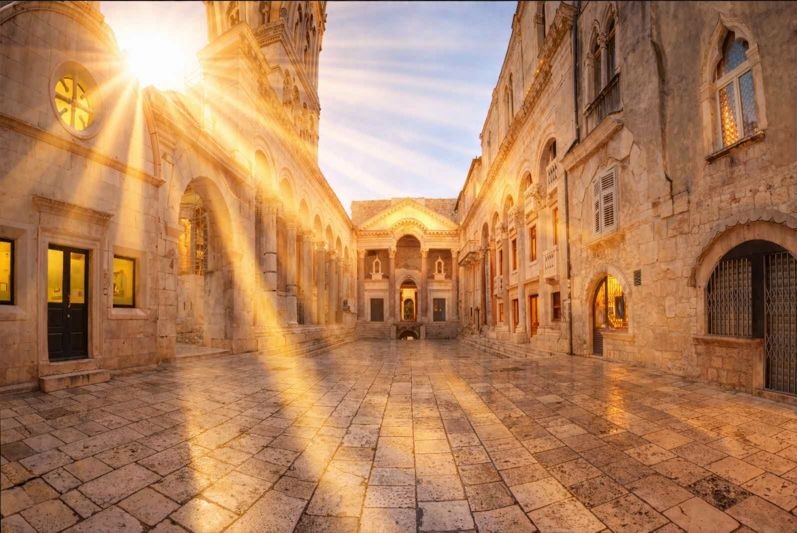
stepped into a different era. Focus on Dubrovnik, Split's Diocletian's Palace, and smaller gems like
Trogir and Korčula Town. Don't rush—these places are best savored slowly.
Plan like: 2–3 days per major old town + day trips to smaller historic spots.
The Island Paradise Croatia (clear water, beach days, boat life)
You're here for that Adriatic water clarity, lazy beach days, and the kind of boat trips where you
jump off into hidden coves. Pick one or two islands (not six) and settle in. The magic is in staying
long enough to find "your" beach and "your" konoba (family tavern).
Plan like: One island base + day-trip boat tours + absolutely zero rushing.
The Nature-First Croatia (Plitvice, Krka, national parks)
For a nature-focused trip, compare Plitvice, Krka and Paklenica according to the experience you want. Then check the official routes, access conditions and visitor rules. Before packing swimwear for a park, confirm where swimming is permitted rather than assuming every waterfall comes with a bathing invitation.
Plan like: Mainland focus + early morning park visits + at least one overnight near nature.
Croatia in Four Seasons: When You Go Changes Everything
Croatia has become wildly popular, which means timing is everything. Your experience—crowds, prices,
ferry schedules, even water temperature—shifts dramatically by season.
🌸 Spring (April–May): The "Local Secret" Season
Weather: Warm days (18–24°C), cooler evenings. Perfect for old towns and hiking Plitvice.
Crowds: Low to moderate. You can actually walk Dubrovnik's walls without sardine vibes.
Why it's great: Better prices, locals are friendlier, and the coastline feels like it's yours.
Watch for: Sea is still chilly (16–19°C)—swimmable for some, wetsuit weather for others.
Weather: Hot (28–35°C). Old towns become outdoor saunas. Islands are more bearable with sea breezes.
Crowds: High. Dubrovnik can feel like a theme park. Popular islands get packed.
Why it works: Best beach season. Water is bathwater-warm (24–26°C). Every ferry runs. All restaurants open.
Watch for: Prices spike hard. Book months ahead. Dubrovnik has daily cruise ship invasions (10am–4pm).
🍂 Autumn (September–October): The Sweet Spot Season
Weather: Still warm (20–26°C in Sept). By October, it's cooler but lovely for walking.
Crowds: Drop significantly after mid-September. By October, you might have beaches to yourself.
Why it's great: Sea is still warm (20–23°C). Better prices. Locals exhale after summer madness.
Watch for: Some island businesses start closing by late October. Ferry schedules reduce.
❄️ Winter (November–March): Off-Season = Off-Limits for Islands
Weather: Mild but rainy (8–15°C). Not freezing, but not beach weather either.
Crowds: Virtually none. Dubrovnik and Split are still worth visiting for city/culture focus.
Why it works: Rock-bottom prices. You can explore old towns in peace. Zagreb does Christmas markets beautifully.
Watch for: Many islands essentially close—hotels, restaurants, ferries scale way back. This is NOT island season.
Keep in Mind
First, choose your region and activities. Then compare weather, ferry services and accommodation for your dates. Also, allow for seasonal differences in what is open. A pleasant city break and an island swimming trip do not necessarily need the same month.
Street Smarts: Small Croatia Rules That Save Big Headaches
Plan the journeys before the extras
Check ferry times. Before booking, confirm your particular sailing and terminal.
Leave a buffer. Then allow for delays before flights or other important connections.
Plan park visits. First, check official tickets and routes rather than treating a park as a quick roadside stop.
Compare driving needs. If a car improves the route, check parking and access at each base.
Make the day comfortable
Check beach access. Before setting out, look at the surface, facilities and conditions.
Carry a payment backup. Also, ask what is accepted when visiting smaller businesses.
Try a greeting. Start with Dobar dan and Hvala, then ask for help if needed.
Look after belongings. In crowds and on transport, keep bags closed and valuables within reach.
Reality Check
Before visiting a popular town, check the attractions you want and plan a manageable time there. Then leave room for a quieter street or a longer meal. However, avoid building the day around a supposedly universal cruise-ship timetable. Conditions vary by place and date.
Split's Diocletian's Palace isn't a museum—it's a living neighborhood. Explore early morning for the best light and fewer crowds.
Logistics Lite
Croatia is genuinely easy to visit once you handle the basics: entry rules, transport, power, and money.
Entry rules (the short version)
Croatia joined the EU Schengen zone in 2023, so standard Schengen short-stay rules apply
for many travelers. Most visitors get 90 days within 180 days visa-free, but always confirm your specific
passport rules before booking non-refundable plans.
Croatia switched to the Euro (€) in 2023. Cards work almost everywhere in cities and tourist
zones, but cash is still king in small konobas and villages. Croatia is cheaper than Italy/France but pricier
than Albania/Bosnia—call it mid-range Adriatic pricing.
Croatia uses European plugs (Type C/F), 230V / 50Hz. Pack a universal adapter if you're
coming from outside Europe. For emergencies, 112 is the EU-wide emergency number.
First, compare buses and ferries for your specific route. Then check the terminal, baggage arrangements and time needed at each end. For rural stays or a park visit, compare a car with the other available options. Also, leave a buffer before a flight or another important connection.
Croatia has excellent mobile coverage. WiFi is standard in hotels, cafés, and restaurants. For short trips,
eSIMs are easy (Croatia is part of EU roaming). For longer stays, grab a local prepaid SIM from T-Mobile or A1.
Best "don't waste time" booking tip
Before choosing a Plitvice visit, check the park’s official booking options and available routes. Then plan the journey and the rest of the day around your confirmed entry.
Base Plans: 3 Simple Ways To Build a Croatia Trip That Works
Pick one structure and commit. Croatia rewards focus over frantic island-hopping.
Plan A: First-timer classic (10–14 days)
Why: Best blend of old towns, nature, and island life without losing your mind.
Do: Dubrovnik (2–3 days) → Split (2 days) → Plitvice Lakes (1 day) → One island base (4–6 days).
Rule: Choose ONE island base. Add day-trip boat tours instead of changing islands constantly.
Who it's for
First-timers, couples, "I want the full Croatia experience" travelers, and anyone who values sleep over FOMO.
Plan B: Island-focused summer (7–10 days)
Why: Maximum beach time, minimum historical overload.
Do: Fly into Split (1–2 days for the city) → Ferry to one island base (5–7 days of pure Adriatic life).
Rule: Pick an island with good ferry connections for day trips (Hvar, Brač, or Korčula work best).
The win
You get sun, sea, and social dinners without the pressure of "seeing everything." This is vacation-vacation.
Plan C: Northern alternative (7–10 days)
Why: You want Croatia without the Dubrovnik crowds—and you're curious about Istria.
Do: Fly into Pula or Zagreb → Istria loop (Rovinj, Pula, hill towns, wine tasting) → Plitvice Lakes → Optional: quick Split detour.
Rule: Rent a car. Istria is best explored by driving between hilltop towns and coastal gems.
Why it works
You avoid 90% of Croatia tourists, get incredible food and wine, and still swim in that ridiculously clear Adriatic water.
Costs & Pace: What Actually Moves the Needle in Croatia
Before setting a daily allowance, compare accommodation, transfers and activities for your dates. Then add food and a little unallocated spending.
Start with the location and room you actually want. Then compare complete costs across dates and bases. However, do not assume a quieter address is cheaper once transport is included. A useful budget belongs to your trip rather than someone else’s inexpensive holiday.
Accommodation strategy: Island apartments are often better value than hotels. Book direct when possible. Staying 4+ nights usually gets you discounts.
Food strategy: Konobas (family taverns) are your friend—better food, better prices, better atmosphere than touristy waterfront spots.
Transport strategy: Buses are cheap. Ferries add up if you hop constantly. Rental cars are surprisingly affordable (and parking is mostly free outside old towns).
Activity costs: Many best things are low-cost: swimming, old town wandering, sunset watching, hiking. Boat tours and national park entries are your bigger spends.
Daily average (rough): Budget €50–75/day, Mid-range €80–130/day, Comfortable €140–220+/day (peak summer in popular spots pushes higher).
Straight Talk
For savings, compare longer stays with frequent moves, then count the ferry and transfer costs you would avoid. Also, read menus and booking conditions before deciding what offers value. Finally, leave space for a few pleasures you did not plan. The cheapest itinerary is not automatically the one you want to take.
🍷 Dinner + gelato because Croatia does it surprisingly well
Example spend: €100–145/day
Energy:
Intensive
6+ stops
7:00 AM
☕ Coffee to-go + first ticket entry
8:00 AM – 2:00 PM
🏛️ Walls + palace + museum + old town sprint
2:30 PM
🥪 Fast lunch + logistics planning
3:30 – 8:00 PM
⛴️ Ferry to next island + settle in + beach squeeze-in
9:30 PM
🍽️ Late dinner + planning tomorrow's 6am start
11:30 PM
🌙 Exhausted but satisfied (for now)
Example spend: €155–230/day
Energy:
Prices are illustrative (EUR / €) to show how pace affects spending. Always check current rates and seasonal pricing.
Un-Googleable Croatia: Tiny Choices That Change the Whole Trip
These aren't secret beaches (those don't exist anymore). They're the small behaviors that separate
"I saw Croatia" from "Croatia changed how I travel."
Ask locals "Gdje je vaša plaža?" (Where's your beach?)
For a beach recommendation, ask your host or someone who knows the area. Then check access, conditions and facilities before setting out. However, do not assume a local recommendation guarantees an empty cove. A good beach can be worth sharing.
Master the "early + late" rhythm for old towns
Before exploring an old town, check opening times for any visit that matters to you. Then leave time to wander beyond it. If the busiest streets feel tiring, take a break rather than forcing another attraction. The town does not have to be empty to be enjoyable.
Order "what's fresh today" at konobas
For a meal, ask what is fresh today, then check the preparation, portion and price. Also, mention any dietary needs before ordering. A conversation about the menu can be part of the pleasure rather than a test of how spontaneously you eat.
Stay long enough to become a "regular"
A longer stay gives you another chance at the same streets and shoreline. Then you can return to somewhere you liked rather than starting from scratch each day. However, there is no required number of nights before a place becomes meaningful. Choose a pace you enjoy.
Jump off boats on purpose
Before joining a boat outing, check the itinerary, conditions and operator’s guidance. If a swim stop appeals, ask about the access and arrangements. However, staying aboard is also a perfectly good choice. A holiday does not require passing somebody else’s courage test.
Embrace the afternoon "mrtvo vrijeme" (dead time)
Before setting out for a shop or meal, check its actual opening hours. Then use any gap in the day for a rest, a walk or something else you enjoy. Also, leave enough flexibility that one closed door does not undo the afternoon.
Gap Analysis: Is Croatia Right for Your Kind of Trip?
Croatia is stunning—but it works best for certain travel personalities. Here's the honest assessment.
You'll love it if…
Historic towns and time beside the sea both appeal to you.
Rather than collecting islands, exploring one base more fully sounds inviting.
For variety, combining a town with a nature visit suits your interests.
Also, leaving time for food, walks and unplanned pauses feels like part of the holiday.
Plan around it if…
Crowds: Before booking, consider how a popular base fits your preferred atmosphere.
Transport: Check the actual ferry or bus connections, then choose bases that work together.
Beaches: If access or facilities matter, check the particular beach rather than relying on a photograph.
Season: First compare services and conditions for your dates.
Budget: Then price accommodation and transfers together before deciding what you can comfortably include.
Bottom Line
If Croatia’s towns, scenery and coast appeal, choose the places that suit your interests. However, be realistic about transfers, busy periods and your own pace. Then leave some ordinary hours unclaimed. They may become the part of the trip you most want to repeat.
Croatia FAQs
Quick answers to the questions people actually stress about before Croatia.
How many days do I need in Croatia?
+
First, choose your priorities rather than a minimum number of days. A shorter trip can work well with one base and a nearby outing. With longer, consider a second base or island stay. However, count transfer days honestly before adding more stops.
Which Croatian island should I visit?
+
Before choosing an island, compare its ferry connection, your accommodation and what you want to do there. Then decide whether it deserves a stay or a day trip. Also, check the schedule for your actual dates. The right island is the one that fits your journey.
Is Croatia expensive?
+
Costs vary with dates, location and your preferred room. Therefore, compare actual quotes before deciding whether Croatia suits your budget. Then allow for transfers, food and activities. Also, check what is included so smaller extras do not quietly become the largest surprise.
Do I need a car in Croatia?
+
First, compare public transport for the route you want. Then look at a car only where it improves access or flexibility. For an island stay, check whether bringing one is useful and permitted by your rental arrangements. However, avoid paying for days when it mostly needs parking.
When is the best time to visit Croatia?
+
First, decide whether the trip centers on towns, parks or the sea. Then compare conditions and available services for your dates. Before booking an island stay, check the ferry timetable and what will be open. Also, keep a weather alternative for outdoor plans.
Is Dubrovnik worth the hype?
+
If Dubrovnik interests you, allow time for the old town beyond a quick stop. Then choose a manageable set of visits rather than trying to fit everything into one afternoon. Before walking the walls, check the official opening hours and conditions. However, expect other visitors at a popular destination.
Should I skip Plitvice Lakes?
+
Plitvice may be worthwhile if the landscapes appeal and the journey fits your route. First, compare the travel time and available park visits. Then decide whether an overnight stay would improve the day. However, it is an option to choose thoughtfully rather than a compulsory detour for every Croatia trip.
What's a konoba and why does everyone mention them?
+
When choosing a konoba, start with the menu and the kind of meal you want. Then ask your host for recommendations if that helps. Also, check prices, ingredients and portions before ordering. A welcoming setting matters more than a promise that one label always means better food.
Join the conversation
Are you coming to Croatia for the old towns and history—or for island life and that ridiculously clear Adriatic water?
Share your rough plan and what you're most excited (or nervous) about. And if you've already been and have hard-won
Croatia wisdom (best konoba finds, island recommendations, or Plitvice timing tips), drop them below—it genuinely helps
the next traveler avoid rookie mistakes.
Join the conversation
Are you coming to Croatia for the old towns and history—or for island life and that ridiculously clear Adriatic water? Share your rough plan and what you're most excited (or nervous) about. And if you've already been and have hard-won Croatia wisdom (best konoba finds, island recommendations, or Plitvice timing tips), drop them below—it genuinely helps the next traveler avoid rookie mistakes.