THE HEART-SHAPED LAND OF THE BALKANS
Bosnia and Herzegovina Travel Guide: Bridges, Coffee Culture
& Resilient History Done Right
This Bosnia and Herzegovina travel guide helps you choose between Sarajevo, Mostar and a focused first route. First decide which experiences matter most, then build a route with time to enjoy them. Compare bases, seasons and transport before booking, and leave room for a slower day rather than filling every gap with another transfer.
Bosnia and Herzegovina rewards a slower look. In Sarajevo, Ottoman and Austro-Hungarian influences sit within a walk of one another, while mountains frame the city. Then there is the pleasure of finding a seat and ordering coffee. You do not need to turn every hour into another historical appointment.
My approach is simple: give the country more than a hurried stopover. First, compare Sarajevo and Mostar as bases. Then check the connections before adding another region. Also, leave time for ordinary streets and an unplanned meal. A journey feels different when you are not already preparing to leave.
The recent history can make parts of a visit emotionally demanding. However, leave room for the country beyond its wartime story too. Before choosing dates, compare the weather and activities for your route. Then build a trip with enough time to listen, look and take a break.
In a Nutshell (60-Second Scan)
First, choose what draws you: city history, rivers, fortresses or mountain scenery. Then connect a few places that suit those interests rather than trying to cover the whole map.
- Best first move: Sarajevo (3–4 days) + Mostar (2 days) — don't rush the commute.
- When it clicks: When you sit for 45 minutes over one Bosnian coffee and nobody asks you to leave.
- Money truth: Possibly the best value in Europe. You can dine like a king for €15.
- Easy win: Take the train from Sarajevo to Mostar. It’s one of Europe's most scenic rail routes.
- Classic mistake: Only visiting Mostar as a 3-hour day trip from Dubrovnik.
- Quiet flex: The waterfalls at Una National Park rival the famous ones in Croatia but with half the crowds.
For a more rewarding trip, give Sarajevo enough time before adding more distance. Then decide what a second base would bring to the journey.
60-Second Fit Check
- Ideal trip length: 7–10 days (Sarajevo, Mostar, and a mountain detour like Jajce).
- Best energy level: Medium — Sarajevo is hilly, but the rhythm of life is delightfully slow.
- First-timer friendly: Mostly. Language is rarely an issue for the basics, though transport requires patience.
- Budget vibe: Budget-friendly. It is significantly cheaper than neighboring Croatia or Slovenia.
The Bosnia That Clicks: Sarajevo + The Neretva Canyon + Mediterranean Soul
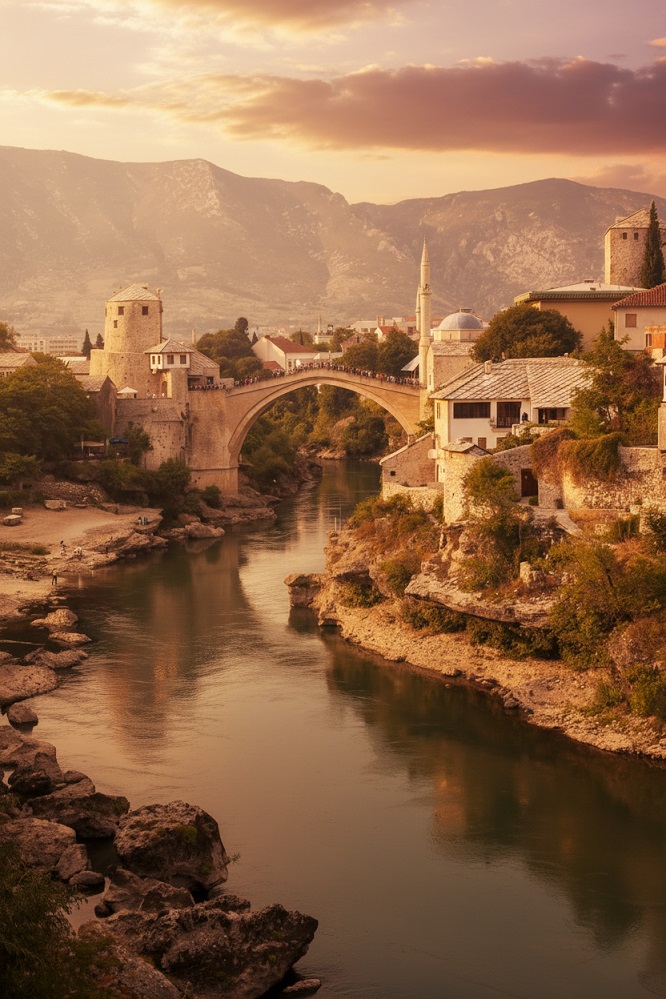
For a balanced route, start with Sarajevo’s city life and compare a stay in Mostar. Then consider the Neretva scenery and nearby Herzegovina outings. However, choose the connections from current timetables rather than assuming every attractive stop fits the same day.
In Sarajevo, begin with Baščaršija, then walk toward the Austro-Hungarian streets to notice the change in surroundings. Also, give the museums and places of remembrance the attention they deserve. Before traveling onward to Mostar, check the available services and allow time to enjoy the journey.
This train journey is genuinely one of Europe's most underrated scenic routes—book early, sit on the right side for river views, and bring snacks since the journey takes 2+ hours.In Herzegovina, compare Mostar with an outing to Blagaj or Počitelj. Then decide whether staying another night would improve the visit. However, leave enough time to be in Mostar itself rather than using it only as the place where your suitcase waits.
Begin with a few days in Sarajevo, then choose among the Old Town, museums and a Trebević outing according to your interests. Before adding more, leave some time unclaimed.
Day 5: The scenic train to Mostar. Day 6–8: Mostar base + day trips to Blagaj, Kravica Waterfalls, and Počitelj.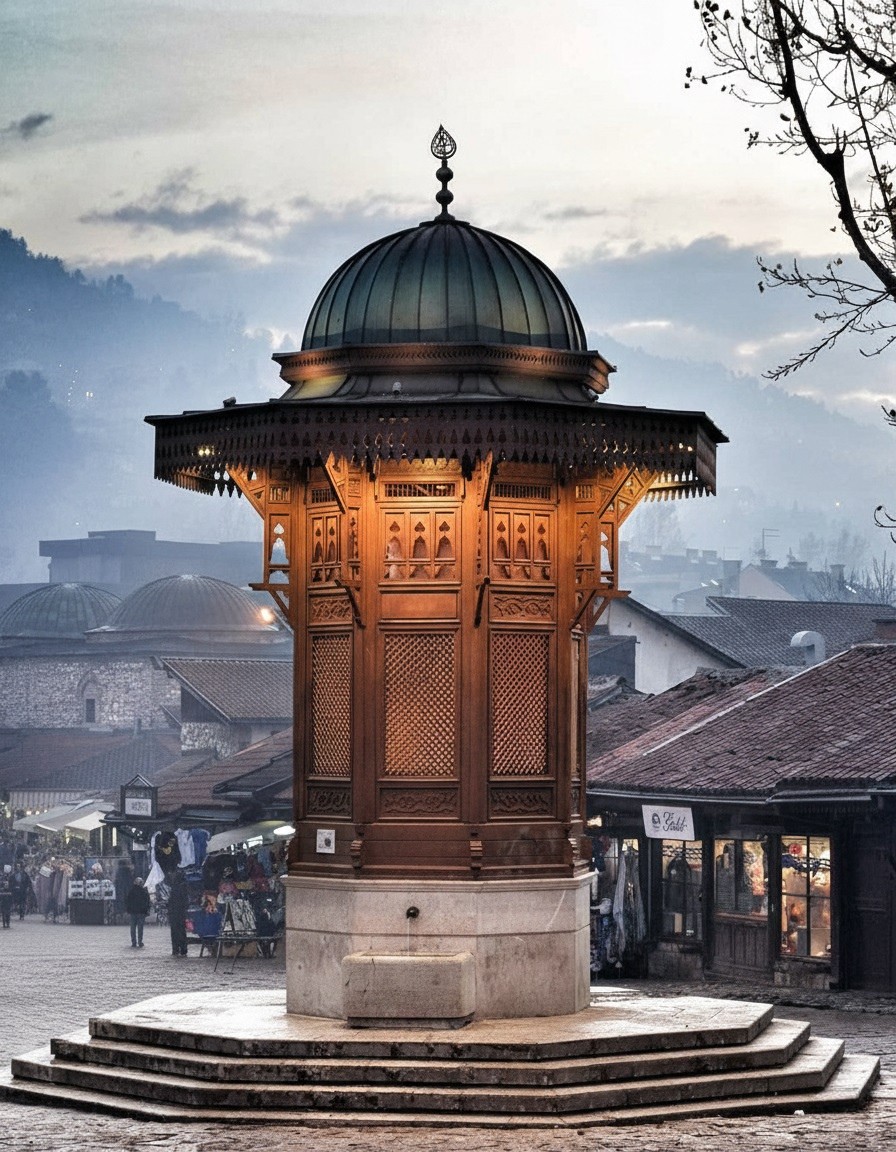
Vibe Check: What Kind of Bosnia Are You Here For?
The History + Resilience Bosnia (Sarajevo, War Tunnel)
If Sarajevo’s history is your main interest, give the museums and memorial visits time. Then balance those experiences with the living city around them. Also, consider a knowledgeable guide if you want help understanding the context.
Plan like: 4 days in Sarajevo + a guided war tour.
The Scenic + Stone Bosnia (Mostar, Blagaj, Počitelj)
For scenery and historic streets, compare Mostar, Blagaj and Počitelj. Then choose the places that fit your route. However, give each visit enough time beyond the best-known photograph.
Plan like: Mostar base + renting a car for Herzegovina loops.
The Deep Green Bosnia (Jajce, Una, Bihać)
For a greener route, compare Jajce and the Una area before choosing your bases. Then check the journeys and the activities you want. A focused northern trip can also be a reason to leave another region for a return visit.
Plan like: North-Western loop + National Park hiking.
Bosnia in Four Seasons
🌸 Spring (April–June): High Water, Green Hills
- Weather: Fresh and blooming. Waterfalls are at their most powerful.
- Why it’s great: Perfect for hiking and Sarajevo city walks without the heat.
☀️ Summer (July–August): Festival Fever + Heat
- Weather: Mostar can be scorching (40°C+). Sarajevo is cooler.
- Why it’s great: The Sarajevo Film Festival (August) brings an electric energy.
🍂 Autumn (September–October): Rob’s Favorite
- Weather: Crisp air, warm days. The hills turn incredible colors.
- Why it’s great: Fewer tourists in Mostar, and the harvest season means great food/wine.
❄️ Winter (December–March): Olympic Slopes
- Weather: Cold and snowy. Sarajevo is famous for its nearby ski resorts (Jahorina/Bjelašnica).
- Why it’s great: Very cheap skiing and a cozy, "winter-wonderland" city vibe.
Street Smarts: Small Bosnia Rules
- Coffee is a ritual. Don't call it "Turkish." It's Bosnian coffee. Wait for the grounds to settle before pouring.
- Smoking is standard. Indoors. If you hate smoke, look for the very few non-smoking cafés or sit outside.
- Stay on the paths. When hiking in remote areas, stay on marked trails due to the legacy of landmines.
- Cash is king. Especially for bakeries (Pekara), small shops, and many guesthouses. Carry BAM.
- Learn 3 phrases: Hvala (Thank you), Dobar dan (Good day), Živjeli (Cheers!).
First, allow some flexibility between plans. Then a delayed journey or a longer coffee need not undo the whole day. Also, leave a little time without a booking attached. It is considerably easier to enjoy a pause when you have not scheduled it out of existence.

Rob’s Recommendations: The Sarajevo Ćevapi Showdown
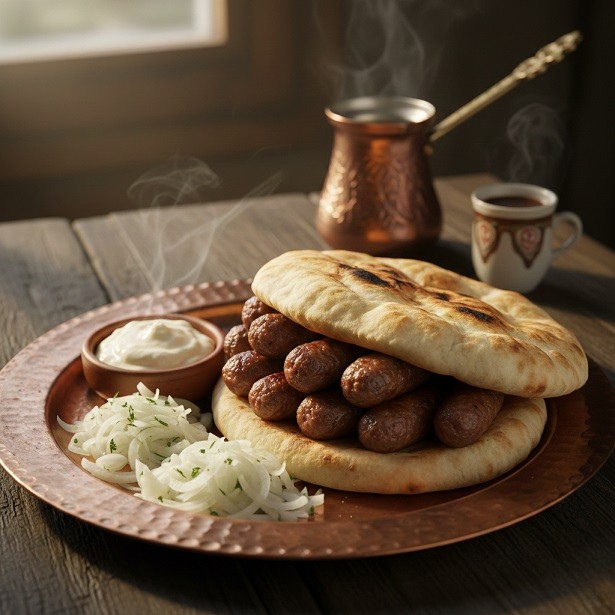
In Sarajevo, ćevapi can become a lively subject of conversation. Rather than treating one recommendation as a final verdict, compare the places below and their current menus. Then choose somewhere you want to sit and enjoy the meal.
1. Ćevabdžinica Željo (I & II)
Željo is one of the names to consider in Baščaršija. Before ordering, check the portions and what comes with them. Then decide whether yogurt or another drink suits your meal.
2. Ćevabdžinica Hodžić
Hodžić is another option in Baščaršija. First, look at the menu, then choose the portion and accompaniments you want. Also, ask about ingredients if you have dietary needs.
3. Ćevabdžinica Petica (Ferhatović)
Petica, also known as Ferhatović, gives you another place to compare. However, you do not need to visit every recommendation to have eaten well. Choose the setting and meal that appeal to you.
Before adding sauces or accompaniments, ask how the dish is served. Then try it in the way that interests you. Also, leave room for a conversation about the food rather than treating lunch as an etiquette examination.
Logistics Lite
Entry & Money
EU, US, and many other passports are visa-free. The currency is the Convertible Mark (BAM), pegged to the Euro (1.95 BAM = 1 EUR). ATMs are everywhere in cities.
Getting Around
First, compare bus and rail services for your particular route. Then check the current timetable and station or terminal details. If driving would improve access, allow for the roads and realistic journey times rather than judging distance from the map alone.
Costs & Pace
Before setting a daily budget, compare accommodation, meals and transport for your dates. Then add the visits and experiences you actually want. Also, keep a little spending unallocated for the pleasures you discover along the way.
🇧🇦 Bosnia Daily Rhythm Comparison
Bosnia FAQs
Is Bosnia safe?+
How many days do I need?+
Do I need to worry about landmines?
In cities and major tourist areas, no. However, if you are hiking or exploring rural, off-the-beaten-path locations, it is essential to stay on marked paths and never enter abandoned buildings. De-mining is ongoing, but "The Rule of the Path" is the local standard for safety.
How does the Sarajevo-Mostar train work?
Before planning around the Sarajevo–Mostar train, check the current operator timetable and ticket arrangements. Then confirm the departure station and arrival requirements. Also, keep an alternative in mind if a particular service is essential to the rest of your route. The scenery deserves a plan that does not depend on an old schedule.
What is the "dual-entity" system I keep hearing about?
The country’s political structure can seem complicated at first. However, a visitor does not need to master every institution before arriving. Start with the places on your route, then use reliable sources or a knowledgeable guide when you want to understand their history and context.
Can I drink the tap water?
Yes, especially in Sarajevo. The city is famous for its public fountains (like the Sebilj). The water is cold, fresh, and perfectly safe. In fact, drinking from the fountain in the Old Bazaar is a local rite of passage—legend says if you drink it, you are destined to return to Sarajevo.
Plan your next step
Compare the Europe travel hub and the Southern Europe guides, then use the trip-planning guide to work through dates, connections and budget.
Explore the country’s UNESCO World Heritage information, and select your destination in the U.S. State Department’s current travel advice before booking.
Join the conversation
Are you heading to Bosnia for the coffee culture or the mountain hiking? Drop your route below!