Around the World with Rob
Bonaire travel guide: the reef is the beginning
What would make a good day on Bonaire for you? Shore diving with your equipment ready, a snorkelling outing, or a slower look at the island above water? My Bonaire travel guide starts with those choices, then covers bases, transport and the separate fees to check. A diver carrying kit and someone walking to dinner may have very different ideas about the perfect address.
By Rob Wheatley · Practical details checked October 2026

Bonaire in 60 seconds
Decide how much time you want in the water, then choose a base, check the costs and leave room for a day on land.
My takeaway Plan around the shore entry you’ll actually use.
Want the full picture? Head to the Chapter Index.
Chapter Index
Bonaire, above and below water
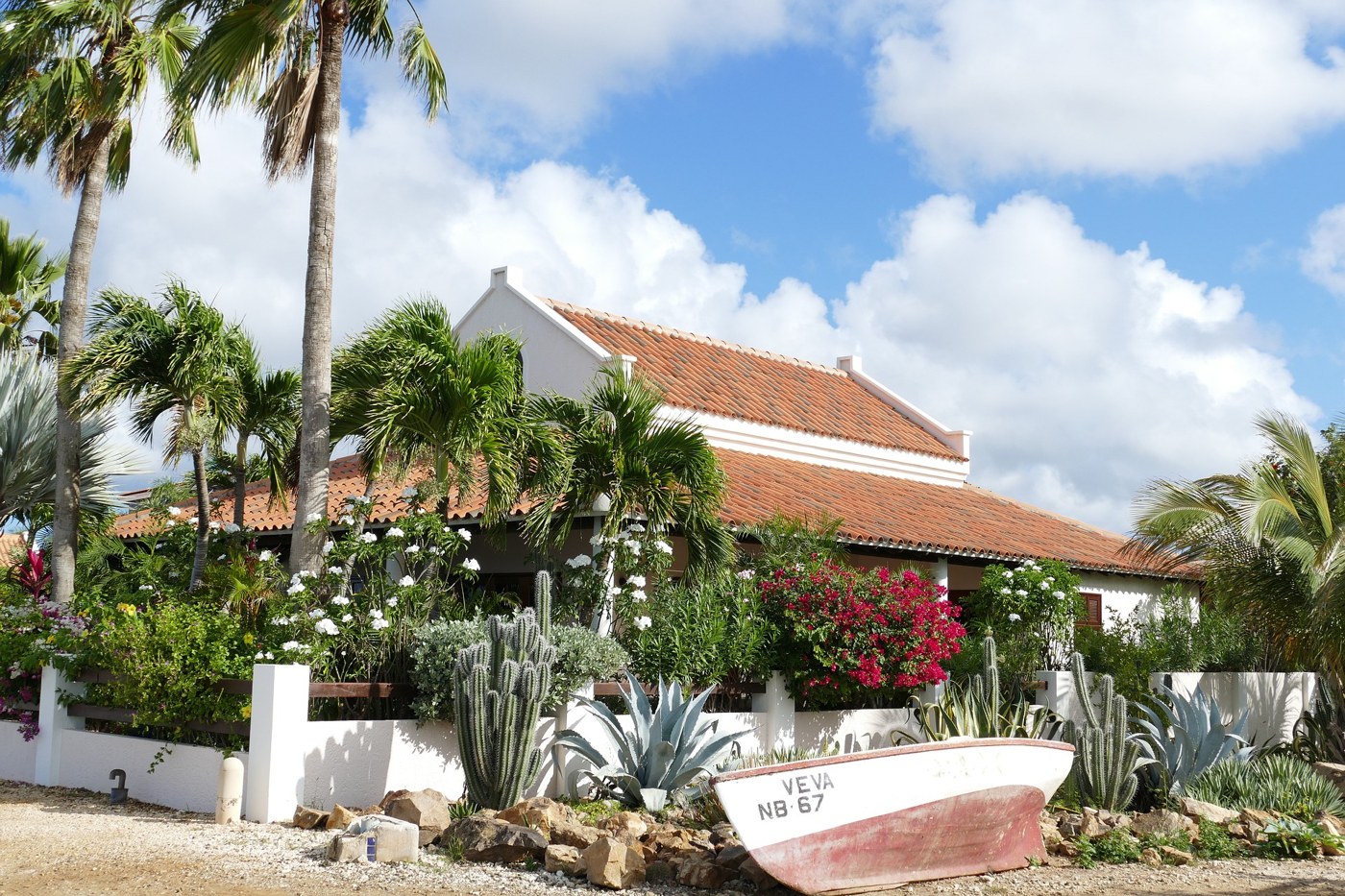
Settle on a baseCompare the places to stay and how they fit your plans.Read chapter →✓ Viewed
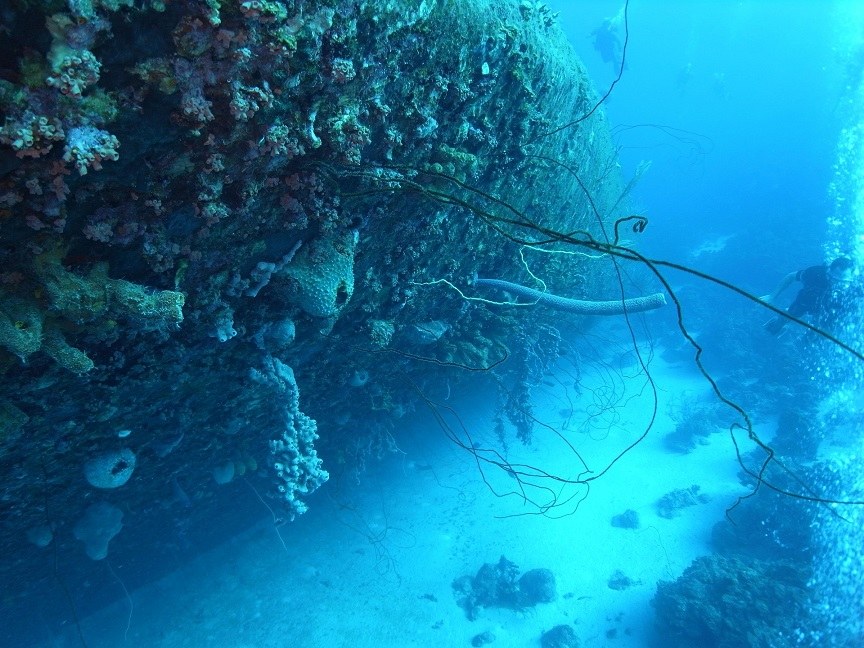
The reef and how to reach itRead the diving, snorkelling and nature-fee details.Read chapter →✓ Viewed
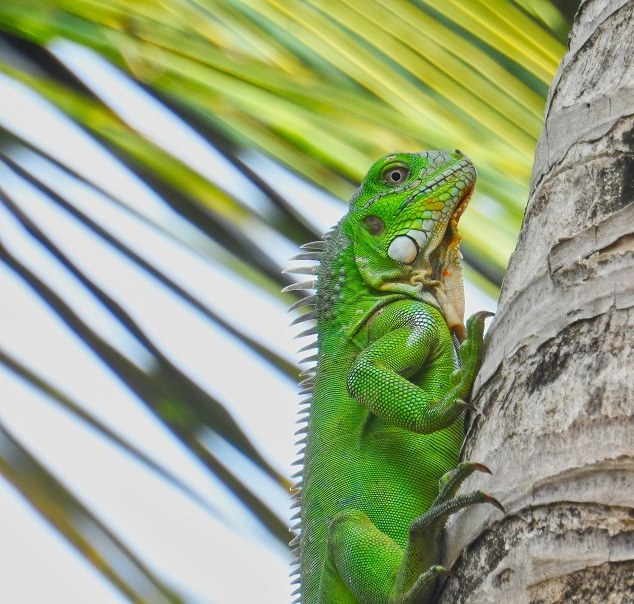
Give the island a dayExplore the landscapes, wildlife and places to eat.Read chapter →✓ ViewedGetting there and getting aroundCheck arrival, transport and what will affect the budget.Read chapter →✓ ViewedBefore you goCheck timing, safety and official sources.Read chapter →✓ ViewedRob’s take
Start with the activities, then see what the room and transport need to do for you. The reef may be the reason for coming, but consider an afternoon ashore too. Give yourself time to notice the island between the moments you came to photograph.
Is Bonaire right for your kind of holiday?
First, be honest about what makes a good day. Then decide how much of the trip belongs underwater.
For divers
Shore diving is a major attraction, but easy independence needs preparation. Choose a suitable operator, arrange the required orientation and discuss sites that match your experience. Also, compare equipment, air or nitrox arrangements and transport.
Freedom works best with a sensible plan.
For snorkellers and swimmers
You can enjoy the sea without scuba equipment. However, rocky entries, currents and facilities vary. Ask a knowledgeable operator which sites suit your confidence and the conditions, rather than copying a diver’s route.
A beautiful reef is not automatically an easy entry.
For time on land
Rincón, the salt landscape, birdlife and Washington Slagbaai National Park give you reasons to dry off. Also, make time for local food and the island’s history. A non-diver should have a holiday, rather than an extended wait for everyone else.
Plan land days as deliberately as water days.
Where should you stay on Bonaire?
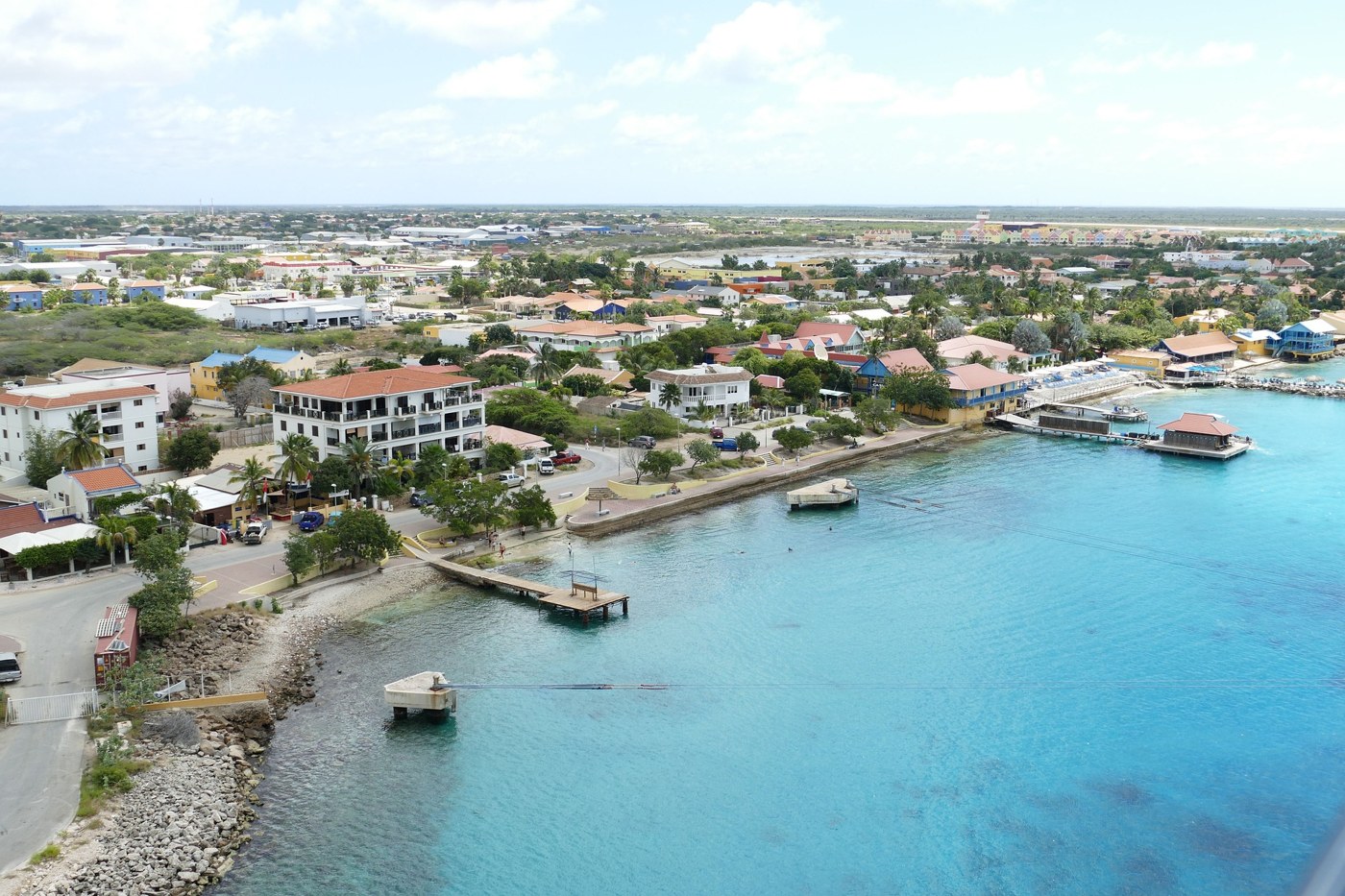
Start by comparing Kralendijk-area accommodation with properties farther from the town. Then locate the actual restaurants, water access and parking you intend to use.
For a dive stay, ask about secure equipment storage, rinse facilities, shore access and the operator’s arrangements. Also, establish what the package means by “unlimited” before treating it as unlimited everything.
For a mixed group, I’d look for a pleasant day without a vehicle or dive schedule. However, a quiet location can work beautifully when everyone understands the transport it requires.

Shore diving: independence with preparation
STINAPA requires an orientation dive on arrival. First, arrange that with a suitable operator and check the latest site restrictions and reef-health guidance.
Then match each dive to qualifications, recent experience and the conditions. Shore access can mean carrying equipment over uneven ground; ask about entry and exit before committing.
Also, discuss buddy arrangements, emergency procedures and the insurance needed for your diving. STINAPA describes east-coast diving as advanced and recommends an experienced guide.
I’d use local knowledge even when independence is the attraction. There is a difference between having your own schedule and declining useful advice.

Two fees to understand before you travel
The visitor entry tax and STINAPA nature fee are separate. Paying one does not automatically settle the other.
Nature fee: STINAPA’s current guidance lists US$40 per calendar year for visitors using the marine park, including swimming and snorkelling. It also provides access to Washington Slagbaai National Park. Exemptions apply; check the current rules for your party.
Then save the payment confirmations. Also, recheck rates before travel, particularly when a group includes children or qualifying residents. These are October 2026 checks, rather than permanent prices.
Snorkelling, swimming and Klein Bonaire
First, ask which entry suits your ability that day. Then check the return or exit as carefully as the way in. A route that looks inviting from shore can be less convenient when you are tired.
Klein Bonaire is reached by boat services. Also, establish the drop-off, return collection, available facilities and what you need to bring before setting out.
For an organised snorkel trip, ask about supervision, flotation and an alternative if you prefer to stay aboard. However, don’t treat another traveller’s confidence as a measure of your own.
Keep clear of coral, leave wildlife undisturbed and follow current marine-park rules. The reef is the reason to come; it deserves to survive the visit.
What can you do when you are not diving?
Washington Slagbaai National Park offers a rugged northern landscape and land-based exploration. First, check opening, access and current vehicle requirements with STINAPA. Then allow a proper outing rather than squeezing it into a spare hour.
Also, consider Rincón and a guided nature or photography trip. The tourist board highlights birdlife, viewpoints and historic places across the island.
The surviving slave huts beside the salt landscape deserve a thoughtful visit. They are evidence of enslaved labour, rather than decorative beach cottages. Read their history before turning the stop into another photograph.

A note from Rob
Bonaire has a wonderfully pink problem
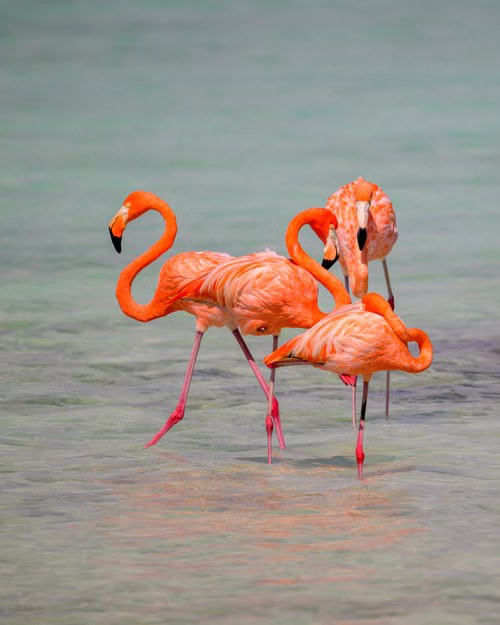
Flamingos with serious wardrobe confidence
Bonaire has a flamingo problem, and I mean that in the best possible way. Thousands of wild Caribbean flamingos make this island a gloriously pink place to look around. People still outnumber them, but the birds are clearly winning on wardrobe. Frankly, standing on one leg has never looked so smug.
The neon pink water is alive
Those electric pink salt ponds look like someone spilled a giant strawberry milkshake. However, much of that colour comes from pigments in salt-loving microorganisms. Brine shrimp are part of the wider salty food web, too.
Here’s the best part: the flamingos get their brilliant colour from pigments in their food. You really are what you eat, and they eat very well.
Admire the birds from permitted viewing areas. The Pekelmeer sanctuary is closed to visitors; binoculars beat trying to become part of the flock.
— Rob
Flamingos and viewing access ↗ · Why the salt ponds turn pink ↗ · Flamingo colour and diet ↗

Fried fish, funchi and something slow-cooked
Look for piska hasa, fried fish often served with funchi, a cornmeal accompaniment. Also, investigate kabritu stobá, a slowly cooked goat stew with vegetables and seasoning.
First, ask what the kitchen has that day. Then check the sides and ingredients rather than assuming every local plate follows the same recipe.
Rincón’s Cadushy Distillery offers another way into the island’s food-and-drink story through its cactus liqueur and local spirits. However, arrange the driving before a tasting. The designated driver deserves lunch, not a negotiation.
Passports and practical arrival checks
Bonaire uses the U.S. dollar, but it is not a U.S. territory. First, check passport, visa and entry requirements for your nationality and the whole flight route.
Official tourism guidance requires a passport valid throughout the stay. Also, check any onward-ticket, accommodation and other supporting-document requirements that apply to you.
Then deal with the visitor entry tax through the government channel. Keep the confirmation accessible offline as well as in your email.
For a dive trip, check the airline’s equipment allowance and your operator’s schedule before booking. Also, plan the end of the diving programme with the operator’s appropriate pre-flight advice.
Do you need a pickup?
Not everyone does. A dive-focused trip may make a pickup practical, while a town-based stay with selected excursions could need something else.
First, ask about the roads and parking on your actual itinerary. Then confirm the vehicle’s suitability and rental permission for park visits. STINAPA makes access decisions according to conditions.
Driving is on the right. Also, reserve an automatic explicitly if you need one, and confirm licence, insurance and deposit arrangements.
For Klein Bonaire, compare the current boat operators and collection points. However, don’t confuse a marine excursion with a substitute for everyday land transport.

A note from Rob
I came for the flamingos. The donkeys won.
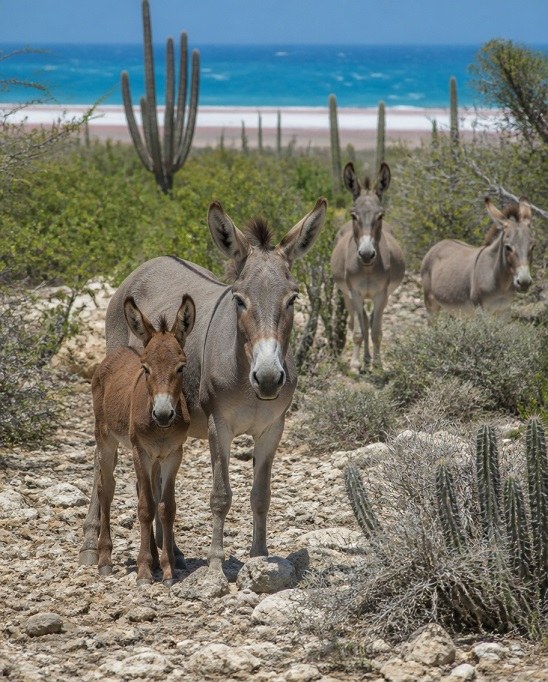
Bonaire’s donkeys descend from working animals brought to the island centuries ago. When motorised transport took over, many were left to fend for themselves. These days, Donkey Sanctuary Bonaire gives more than 800 donkeys a safe home, including injured, orphaned and abandoned animals.
You can drive through the sanctuary for a rather charming version of a safari. There are no lions, but there may be a donkey taking a very personal interest in your arrival. If you want to feed them, follow the staff’s current instructions and use only the feed they approve.
I’ll be honest, I went for the flamingos and left completely besotted with the donkeys.
— Rob
What should go into the full budget?
Add the room, transport, meals and planned activities first. Then include the visitor entry tax and the applicable nature fee as separate lines.
- Diving: check equipment, tanks, weights, guided dives and package exclusions.
- Land outings: compare a suitable rental vehicle with organised tours.
- Everyday spending: include groceries, meals out and airport journeys.
- Flexibility: keep room for a changed activity or an extra guided outing.
Also, compare what non-divers receive in a package. A good deal for one person does not automatically make the whole group’s week good value.
When to go, how long and what to recheck
First, choose dates around your priorities and compare actual availability. Then ask operators how wind, sea conditions and seasonal patterns might affect your plans.
I’d give a first visit roughly a week if time allows: enough for a sensible water programme and days on land. For a short stay, choose fewer priorities rather than reducing every stop to a photograph.
Also, don’t interpret a southern Caribbean location as immunity from disrupted weather. Keep flights, boat outings and cancellation terms in the same conversation.
Keep the practical risks in perspective
At my October 2026 check, the U.S. State Department listed Bonaire at Level 1: exercise normal precautions. It specifically noted opportunistic theft and vehicle break-ins.
First, make a plan for valuables before water outings. Then ask your accommodation and operator about secure storage and current local advice.
Also, confirm medical and activity cover, including diving where relevant. Sea conditions, heat and uneven access deserve as much attention as the general safety label.
Sources and details to recheck
Official tourism, government and conservation sources support the practical information in this guide. My planning suggestions are my own. However, fees, access, entry rules and services can change.
Bonaire: your plans and discoveries
Diving, snorkelling or exploring on land? Share your Bonaire plans, an access tip or a local meal that deserves attention.
Back to top ↑