The Caribbean · Aruba
Aruba travel guide: choose your beach, then put your feet up
This Aruba travel guide starts with one question: what do you want within walking distance when you finally get up from the beach chair? I’d compare Palm Beach and Eagle Beach first. Then I’d look farther afield for a day in Arikok or lunch in Oranjestad.
By Rob Wheatley
Practical information checked 31 October 2026
- Currency
- Aruban florin (AWG)
- Airport
- Queen Beatrix (AUA)
- Arrival
- Online ED Card
Aruba travel guide in 60 seconds
I’d decide what I want within reach after breakfast. A beach chair, an independent lunch in town and a morning in Arikok are three different reasons to get out of bed.
My takeaway Choose the beach that suits your everyday plans, then make time for one outing beyond it.
Palm Beach or Eagle Beach: where should you stay?
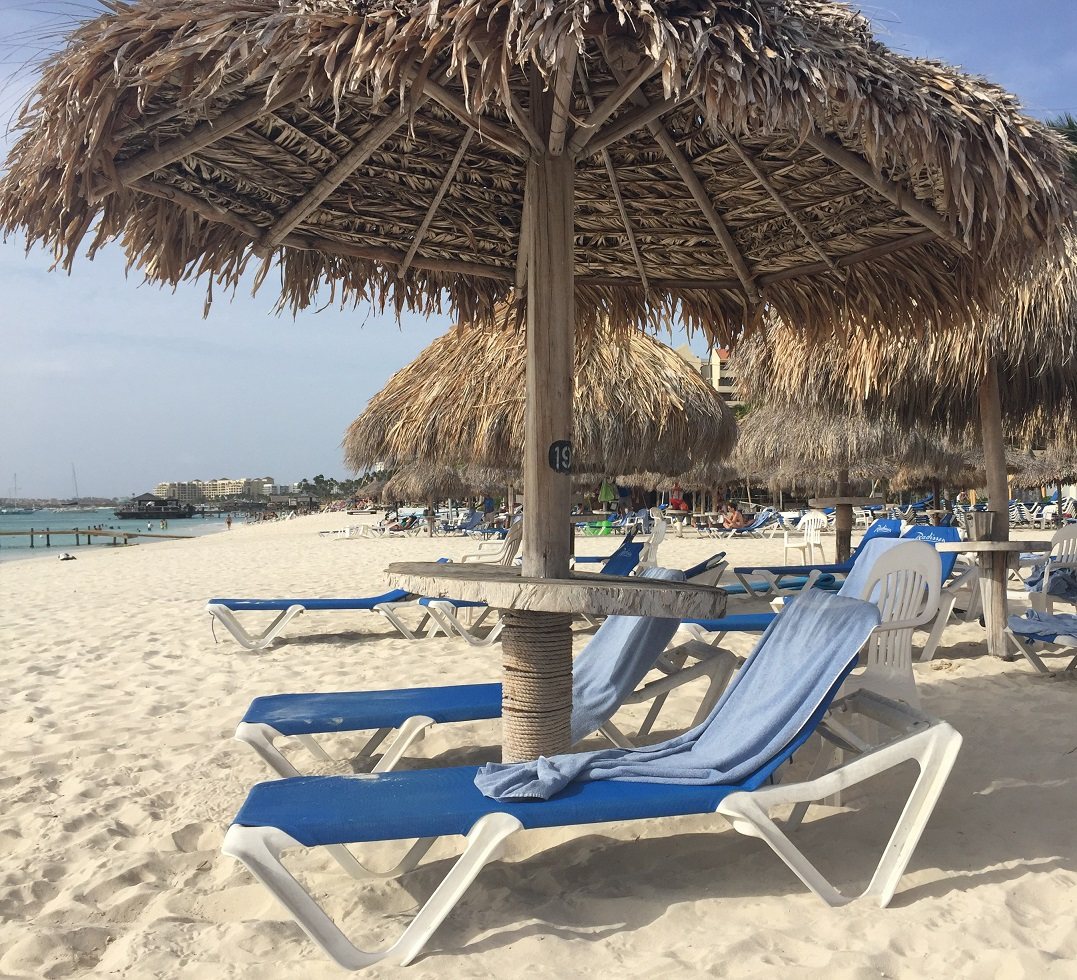
Choose Palm Beach for resort activity; investigate Eagle Beach for a wider-sand, lower-rise setting. Then check the exact property and its walking routes. A beach-area address does not promise dinner outside your door.
Palm Beach: more going on
High-rise hotels, restaurants, bars and water sports make this the busier resort choice. I’d start here if convenience and evening options matter.
The compromise: activity comes with company. However, “lively” feels different when you’re trying to read chapter three.
Eagle Beach: room for the beach
Its broad sand and nearby low-rise hotels make it worth comparing for a beach-focused stay. First, establish whether your room is beachfront or across the road.
The compromise: check shade, dining distances and transport. Then compare the ordinary day, rather than the most flattering photograph.
Oranjestad or a rental elsewhere?
Consider Oranjestad if a town base appeals. Alternatively, a rental can give you space and a kitchen.
However, map the actual beach journey and evening meal options. A cheaper room can recruit a surprisingly expensive supporting cast.
Is Aruba your kind of Caribbean holiday?
I’d shortlist it for…
A beach-led stay with a choice of accommodation, meals out and selected outings. Also, give the island’s dry, rugged landscape some attention beyond the resort strip.
I’d look elsewhere if…
Your dream is a rainforest walking holiday or a secluded beach outside every inexpensive room. Instead, compare Dominica for a nature-focused trip, while allowing for its different logistics.
Do you need a passport and an Aruba ED card?
For U.S. citizens flying to Aruba, yes: bring a valid passport. Aruba is an international destination. Also, check the requirements for your nationality, route and length of stay before booking.
The official guidance requires an approved online Embarkation/Disembarkation card, including for infants and children. Complete it within the seven days before travel through the official site linked below.
Air arrivals currently face a US$20 sustainability fee, with exemptions. However, check the current eligibility rules before paying. Third-party assistance sites can add their own charges.
Official ED-card instructions ↗ · Pre-travel checklist ↗ · U.S. entry guidance ↗
Which beach suits swimming or snorkelling?
Choose for the activity, then check conditions on the day. The protected side and the exposed coastline offer very different experiences. However, no beach name guarantees an easy swim.
For a beach day
Start by comparing Eagle and Palm Beach. Then ask about shade, toilets, beach access and water-sports traffic near your chosen spot.
Also, keep valuables secure while swimming. A towel is an excellent towel and a deeply unconvincing safe.
For snorkelling
Boca Catalina and Arashi are places to investigate. First, check the entry, current, visibility and your own confidence.
At Baby Beach, stay within the marked snorkelling area. Also, ask locally about conditions and supervision rather than assuming shallow-looking water is harmless.
A closer look
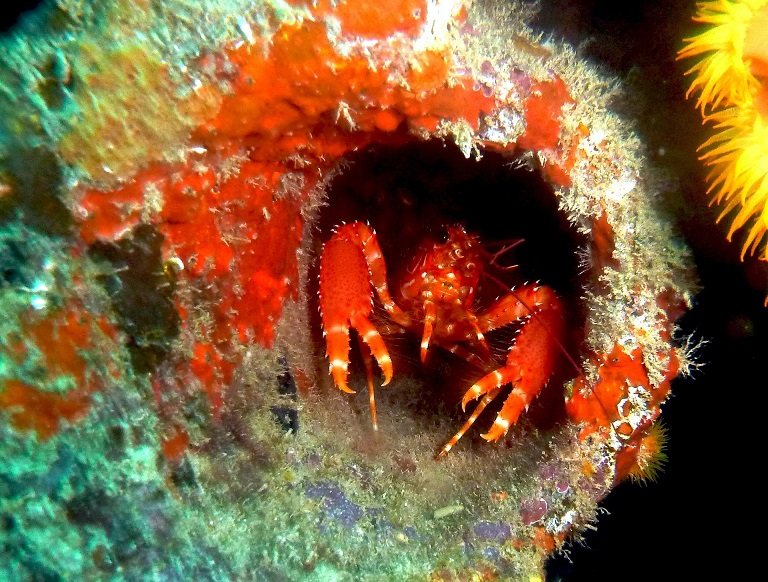
Small neighbour. Excellent address.
There’s something rather splendid about this little resident tucked into its underwater doorway. Meanwhile, we’re up above debating whether the room has a sea view.
For me, this is a reminder to slow down and look closely. However, keep your hands and fins clear of the marine life. The best souvenir is the photograph.
Arikok and the Natural Pool: plan beyond the photograph
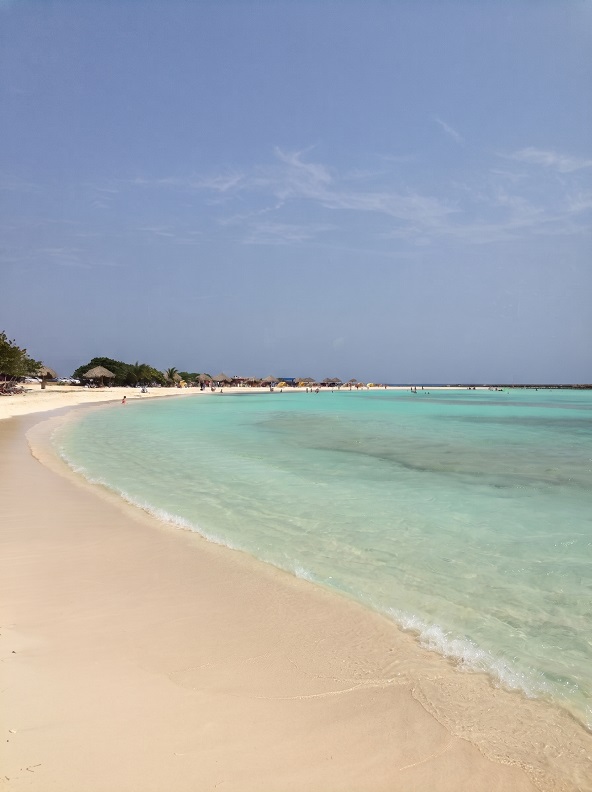
Arikok offers a rugged contrast to the hotel beaches. First, check the Aruba Conservation Foundation’s current access information, conservation pass and available guided experiences.
ATVs, UTVs and motorbikes are prohibited in protected nature areas. Also, a standard rental car is not suitable for the rough approach to Conchi, the Natural Pool.
For Conchi, choose a suitable guided visit or discuss the walking route and its demands with the park. However, access does not establish that swimming will be suitable: waves and ranger advice decide that.
- The route: terrain, access and your physical comfort.
- Before leaving: water, sun protection and suitable footwear.
- Your vehicle: permitted roads and the rental agreement.
- At the pool: current warnings and a willingness to stay out.
Where are those famous flamingos?
The well-known beach photographs are associated with Renaissance Island, accessed through the Renaissance resort. However, this is controlled access, rather than a flamingo encounter included with every Aruba holiday.
Before planning around it, confirm access directly with the resort for your dates. Also, ask about any non-guest availability, age rules and the full price. An old day-pass blog is no guarantee of admission.
Beyond the lounger: give the town a little time
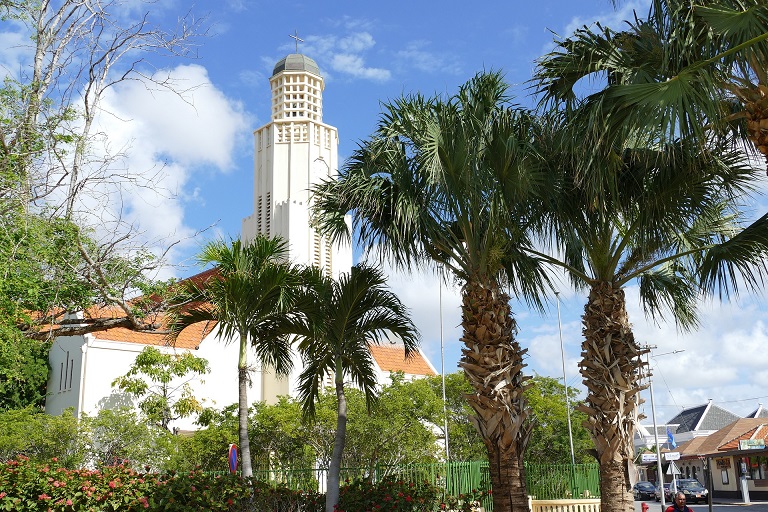
Look up between beach days
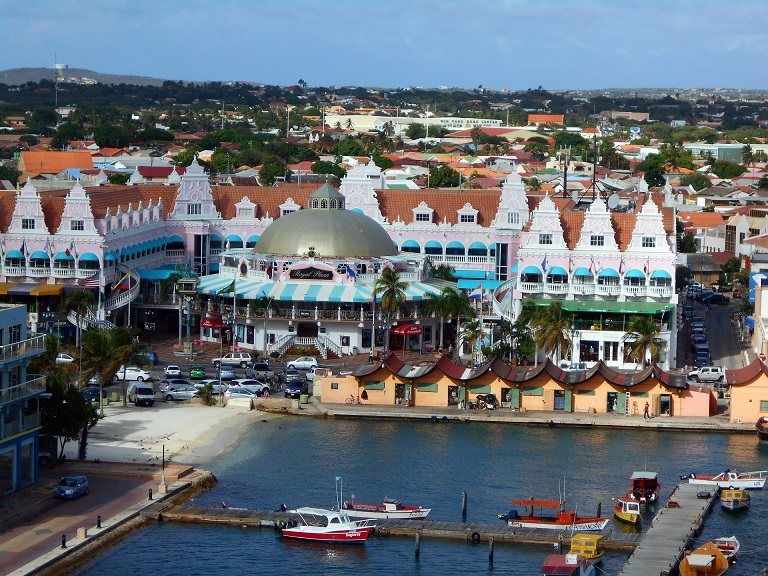
The waterfront colours and a church tower framed by palms give the day a different view. Then leave time to pause rather than turning a town visit into a checklist.
Keshi yena: cheese with a proper job
Keshi yena is a stuffed cheese casserole, often with spiced meat, olives and raisins. Recipes vary; some kitchens offer seafood or vegetarian versions.
I rather like a dish where cheese has been promoted from garnish to architecture. However, ask about the actual ingredients if allergies or dietary needs matter.
Then give meals outside your hotel a place in the plan. An all-inclusive can be convenient, but I’d still compare what I’d enjoy exploring—and what I’d effectively be paying for twice.
Do you need a rental car in Aruba?
Tap for buses, taxis and a beach-base plan
A beach-base holiday
First, compare airport transfers, buses, taxis and a few organised outings. A car is useful only if it improves the days you intend to have.
Arubus serves the hotel strip from Oranjestad. However, check your stop, return service and current fares before relying on a bus for a late evening.
Tap for rental-car and rough-terrain checks
Several days exploring
A rental may offer useful flexibility. Then compare insurance, parking, permitted roads and the total cost.
Also, separate ordinary road journeys from rough-terrain excursions. Hiring a car does not qualify it for every adventurous idea.
Is Aruba expensive? Compare the whole stay
Tap for complete trip costs and payment details
I’d price the complete trip before deciding whether Aruba fits the budget. First, compare the same dates, room type and meal assumptions; then add the bits outside the headline rate.
- Accommodation: final taxes, fees and rental cleaning charges.
- Meals: included food versus meals you actually want.
- Transport: airport journeys, buses, taxis or car costs.
- Outings: park passes, guides, boat trips and equipment.
- Contingency: insurance and some room for changes.
The Aruban florin is the official currency, while U.S. dollars are widely accepted. However, check the currency shown on the bill and any conversion or card charges.
When should you visit—and what about hurricanes?
Tap for seasons, hurricane and heat planning
Aruba’s southern location means direct hurricanes are uncommon. However, that is not a promise of disruption-free travel: regional weather can still affect the island, flights and sea conditions.
Trade winds are part of the experience. Also, sunshine and a cooling breeze can make it easy to underestimate the heat, so plan shade, water and sun protection.
First, compare your actual dates and cancellation terms. Then check current forecasts close to departure, especially if a boat outing is central to the trip.
Is Aruba safe for visitors?
The U.S. State Department currently lists Aruba at Level 1: exercise normal precautions. However, that is a dated assessment, rather than a personal guarantee.
Petty theft and vehicle break-ins remain practical concerns. So secure valuables, arrange reputable transport and ask about your exact area, particularly after dark.
Also, take sea conditions and remote outings seriously. Choose operators who discuss your ability, equipment and the return journey, rather than simply selling the prettiest photograph.
How many days should you allow?
Three or four nights
I’d keep one base, enjoy the beach and choose one main outing. Then leave arrival and departure days manageable.
However, resist turning a short break into an island inspection. You’re allowed to become familiar with a chair.
Five to seven nights
Use the extra time for beach days, meals out and a few contrasting outings. Also, leave an open day for conditions or a particularly good lunch.
For a cruise call, choose a smaller plan and protect the ship’s return deadline. Then build in a sensible transport buffer.
- My base suits the holiday I want.
- The entry paperwork is checked for my route.
- Transport and meals fit the full budget.
- Any park or private-island access is confirmed.
- Water activities allow for conditions and my ability.
Sources and details to check again
My perspective draws on years cruising and sailing around the Caribbean. Official sources support the practical details here. However, entry rules, access, prices and conditions can change.
What’s your Aruba plan?
Palm Beach, Eagle Beach or somewhere quieter? Share your plans, a useful lesson or a local dish worth finding. Cheese-related intelligence is always welcome.
Back to top ↑