The Caribbean · Puerto Rico
Puerto Rico travel guide: choose your base, leave room for lunch
Give Old San Juan an unhurried day before promising yourself every coast in Puerto Rico. Historic streets, food and time beside the water can make a very good start. In this Puerto Rico travel guide, compare a San Juan stay with rainforest outings and longer coastal or island visits. My suggestion is to add the journey to Vieques or Culebra to the diary before adding the hotel.
By Rob Wheatley
Practical information checked 31 October 2026
Rob’s take
A useful base leaves you choices in the evening. Check what’s nearby, then keep a little time free between the visits you’ve booked. I like the point when a place starts feeling familiar enough to find my way back without consulting the phone every thirty seconds.
Where should you stay in Puerto Rico?
Choose a base around your ordinary day. Old-city exploring, beach time and a west-coast stay can all work here. However, they need different transport plans.
San Juan and the metro area
I’d start here for a short visit combining historic streets, food and selected outings. Then compare Old San Juan with beach-area accommodation, rather than treating every San Juan address as equivalent.
The trade-off: being close to a fort is different from being close to a swimming beach. First, decide which you want outside the door.
The east and northeast
Investigate this area if El Yunque, Fajardo activities or the ferry from Ceiba are priorities. Then compare exact addresses against your main outings.
The trade-off: check meals and transfers as carefully as the resort or rental. A scenic setting doesn’t automatically provide an evening stroll to dinner.
The west coast
Consider the west if its towns, coastal scenery and particular beaches are the reason for your visit. I’d give it enough time to become a stay, rather than a hurried detour.
The trade-off: price the arrival journey and transport you’ll use. Then ask about conditions at your actual beach: surfing and relaxed swimming are different requirements.
Do you need a passport for Puerto Rico?
For U.S. citizens travelling directly from the U.S. mainland, a passport is not required. Puerto Rico is a U.S. territory, and that journey follows domestic travel arrangements.
However, adults still need identification accepted for airport security. Use a REAL ID-compliant state licence or another accepted document, such as a passport, and check current requirements before departure.
International visitors should check the U.S. entry rules for their nationality and immigration status. Also, don’t use a U.S. citizen’s checklist as a substitute for your own.
Official Puerto Rico passport guidance ↗ · U.S. government REAL ID guidance ↗
Old San Juan: make time to look up
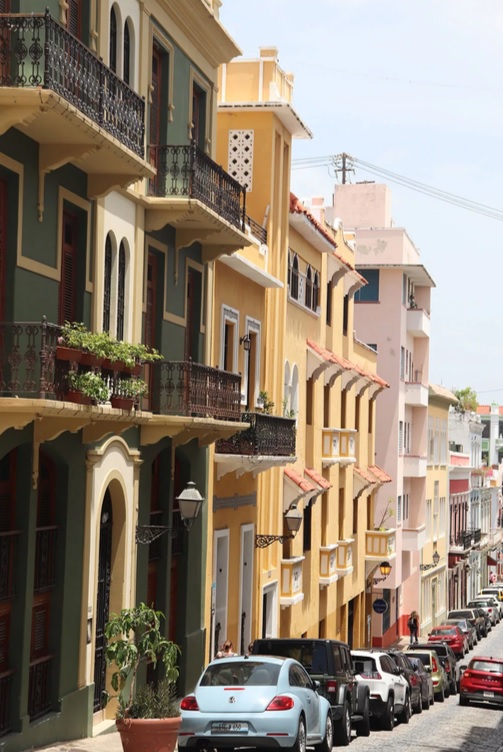
Old San Juan rewards time on foot, with its historic streets and fortifications. San Juan National Historic Site includes El Morro and San Cristóbal, built to defend different approaches to the city.
First, choose how much history you want in the day. Then check the National Park Service’s current opening arrangements, fees and accessibility information.
However, check slopes, surfaces, shade and distances if mobility or heat matters. Also, allow time for a drink and a proper stop for food.
El Yunque: plan the actual visit
El Yunque National Forest offers a rainforest contrast to city and beach days. However, an old itinerary is no guarantee that its named trail, waterfall or access road is open.
First, use the Forest Service’s current information to choose an accessible route and check entry arrangements. Then confirm the demands of the walk and how you’ll get back.
- The route: current closures, distance and terrain.
- On the day: weather, access and parking arrangements.
- Your transport: a clear pickup or return plan.
- What to bring: suitable footwear, water and rain protection.
Are the bioluminescent bays worth considering?
Puerto Rico’s well-known bioluminescent waters include Mosquito Bay on Vieques, Laguna Grande in Fajardo and La Parguera in Lajas. Tiny organisms create the glow when the water is disturbed.
However, brightness depends on conditions, including moonlight and weather. So ask the operator what you can realistically expect rather than using a vivid photograph as a promise.
[object Object]Island folklore · A note from Rob
Ground zero for the chupacabra
Puerto Rico is where the modern chupacabra legend took off. In 1995, reports of livestock supposedly drained of blood sent the media into a frenzy over some kind of alien vampire beast.
Nobody ever produced convincing evidence of the creature, of course. However, the “goat-sucker” went on to become a legend far beyond the island.
These days it has a life of its own in pop culture, and I’d happily buy the T-shirt. Although I might draw the line at inviting it round for dinner.
A little background: investigating the legend’s origins ↗

Should you add Vieques or Culebra?
Both lie off the east coast, with flights and ferry connections to investigate. First, choose the island for what you want to do there, rather than adding both automatically.
[object Object]Passenger ferries for these islands depart from Ceiba, rather than central San Juan. Also, visitor ticket availability and baggage arrangements need checking on the operator’s current site.
Official Vieques and Culebra guide ↗ · Puerto Rico Ferry: tickets and practical questions ↗
Puerto Rican food: give lunch some attention
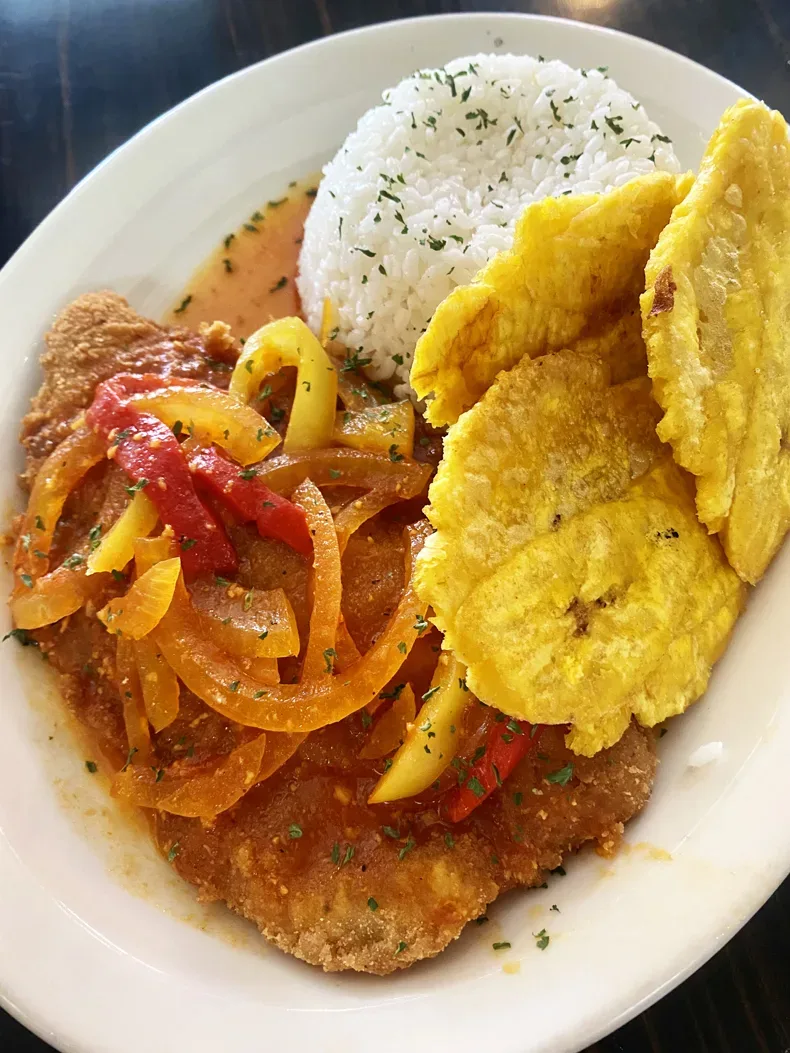
Filete de pescado empanado: a very good lunch decision
This is breaded, fried fish doing rather more than sitting politely on a plate. A savoury criollo sauce brings peppers, onions and tomato to the proceedings. Meanwhile, the white rice is quietly making sure none of that sauce goes to waste.
Then come the tostones: green plantains, flattened and fried twice. Once apparently wasn’t enough, and looking at those golden edges, I’m happy to support the decision.
You may see grouper—mero—on the menu, although the fish varies. So ask what the kitchen is serving rather than relying on the name alone.
For me, this is a strong argument for giving lunch its own space in the itinerary. Afterwards, we can discuss whether that walk was sightseeing or simply a responsible response to the tostones.
Mofongo: another reason to sit down
Mofongo is traditionally made from fried green plantain mashed with garlic and ingredients such as pork crackling, butter or oil. It can be served alongside a meal or filled with meat, seafood or vegetables.
However, the preparation varies, so ask what is in the version you’re ordering. A vegetable filling does not establish that the whole dish is vegetarian.
Then widen the menu: tostones, arroz con gandules and other local dishes give you plenty to investigate. Also, leave room for meals beyond the hotel if your base makes that practical.
Which beaches suit your holiday?
First, decide whether you want swimming, surfing, shore snorkelling or simply a pleasant place to sit. Those are different reasons to choose a coast.
Then ask about the exact beach, facilities, access and lifeguard cover. Also, check the National Weather Service beach forecast and local warnings on the day.
For a snorkelling or boat outing, discuss confidence, equipment, flotation and supervision with the operator. However, don’t assume every attractive shoreline provides an easy entry.
Do you need a rental car?
For a San Juan-focused stay
First, compare airport transfers, local transport and any organised outings with car hire. Then ask about the actual walking routes around your accommodation.
A car may add parking costs without improving every day. However, choose based on your location and plans rather than a blanket rule.
For exploring beyond the metro area
Compare a rental car with a reputable driver or guided outings. First, check parking, insurance, pickup and the routes you intend to use.
Then arrange the return from remote places. A ride out is only half of a dependable transport plan.
Is Puerto Rico expensive?
The useful answer is the total for your dates and chosen base. Puerto Rico uses the U.S. dollar, but familiar currency does not guarantee a familiar holiday budget.
- Arrival: flights, baggage and complete transfers.
- The room: final charges, resort fees or rental cleaning fees.
- Ordinary days: meals, drinks, transport and parking.
- Experiences: guides, admission, boats and equipment.
- Flexibility: change terms and a little spare budget.
When should you visit Puerto Rico?
First, match the dates to your priorities, whether that means city exploring, beach time or particular events. Then check conditions for the coast and activities you’ve chosen.
Atlantic hurricane season runs from June through November. So review suitable cover, cancellation terms and current official forecasts before departure.
Also, leave flexibility around ferries and evening nature outings. A seasonal pattern cannot guarantee your week, and one spare window can be useful.
What safety checks matter?
Choose secure accommodation, keep valuables discreet and arrange reputable transport. Then ask locally about your exact route and current conditions, especially after dark.
For outdoor plans, take beach warnings, heavy rain and river conditions seriously. Also, check medical cover and the emergency arrangements for activities away from your base.
How long should you stay?
Three or four nights
Choose one base, with time for city exploring, food and one main outing. Then keep arrival and departure days manageable.
However, resist adding every corner of Puerto Rico to a short stay. Leave time to enjoy the part you chose.
Five to seven nights
Use the extra time for a few interests and some unhurried days. Then consider a west-coast stay, Vieques or Culebra only if the journey adds enough.
Also, leave a flexible day. An itinerary should help the holiday happen, rather than keep it permanently running late.
- I’ve chosen a base around my main interests.
- I’ve checked the identification rules for my route.
- I know the full cost of the room and transport.
- I’ve checked current outdoor access and marine conditions.
- I’ve confirmed both directions of any island connection.
Sources and details to check again
My perspective draws on years cruising and sailing around the Caribbean. Current official sources support the practical information here. However, rules, access, services and conditions can change.
Open the source list
- Puerto Rico regions ↗
- West coast ↗
- Vieques and Culebra ↗
- Passport guidance ↗
- REAL ID and alternatives ↗
- San Juan National Historic Site ↗
- El Yunque National Forest ↗
- Bioluminescent bays ↗
- Ferry operator ↗
- Local food ↗
- Safety and practical information ↗
- Beach forecast ↗
- Hurricane season ↗
- Official visitor information ↗
What’s your Puerto Rico plan?
Old San Juan, rainforest time, beach days or a visit to Vieques or Culebra? Share your plans or a useful lesson from your own trip. Mofongo recommendations will receive my full professional attention.
Back to top ↑