ANDORRA, WHERE THE PYRENEES MEET DUTY-FREE PARADISE
Andorra Travel Guide: Pyrenees Skiing, Mountain Villages
& Europe's Micro-Nation Done Right
This Andorra travel guide is for people who come for the mountains: skiing, hiking, stone villages and thermal baths. Choose your base, then plan around the season.
I can see the appeal of a shopping stop in Andorra. I would still put the mountains ahead of the receipt.
In a Nutshell (60-Second Scan)
The essentials at a glance: what Andorra is best for, how long to stay, and the mistake I’d avoid.
Best for
Skiing, serious hiking, thermal-spa recovery, and stone villages with a Catalan character. Andorra makes most sense when the mountains are the main event.
Less suited to
Beach time, big-city energy, or a museum-heavy break. Andorra is a small mountain country; a shopping stop alone would miss the point.
The sweet spot
3–5 days in winter for skiing, or 4–7 days in summer for hiking and culture. Choose one valley base, then add a village loop or a spa day.
Open the fuller 60-second notes
- Best first move: Andorra la Vella (base + shopping detox) + Grandvalira or Vallnord (ski/hike) + one mountain village loop.
- When it clicks: When you realize Andorra delivers Alpine experiences at Pyrenees prices—and the mountains are empty compared to France/Switzerland.
- Money truth: Accommodation and lift passes are excellent value; food/drink can swing from cheap to tourist-trap depending on location.
- Easy win: Combine winter skiing with Caldea spa (Europe's largest thermal spa complex) for the ultimate mountain recovery day.
- Classic mistake: Treating Andorra like a shopping mall with mountains attached. The shopping is fine, but the mountains are why you're here.
- Quiet flex: Andorra has more Romanesque churches per capita than anywhere in Europe—tiny stone chapels from the 9th-12th centuries hidden in valleys.
Andorra rewards this formula: Base in one valley + ski or hike daily + add one cultural loop. It's small enough to "do" in 3–5 days, but the terrain quality means serious skiers/hikers often stay longer.
60-Second Fit Check
- Ideal trip length: 3–5 days (winter ski trip) or 4–7 days (summer hiking + culture). Perfect as a Barcelona or Toulouse add-on.
- Best energy level: Medium to High—skiing and hiking are the main draws, though spa days and village strolls offer recovery options.
- First-timer friendly: Yes—once you accept it's not a "city break." Think Alps-lite: mountain focus, compact terrain, easy navigation.
- Budget vibe: Mid-range sweet spot—cheaper than French/Swiss Alps, more expensive than Spanish/Bulgarian resorts, but the value-to-quality ratio is exceptional.
- My simple rule: If you're here for skiing/hiking/mountains, Andorra delivers. If you need museums/beaches/big-city energy, skip it.
Andorra is only 468 km² (181 sq mi)—about twice the size of Washington D.C.—yet hosts 300+ km of ski runs and attracts 8 million visitors annually. The entire country has just 80,000 residents.
Rob’s take: Look up from the receipt
Andorra isn’t a shopping mall with mountains attached. I’d come for the mountains first, then let shopping be the side event.
Read Rob’s full Andorra take
My Andorra approach is simple: don’t treat it like a shopping mall. Yes, the duty-free prices are real, but the true wins are the Grandvalira ski domain (one of Europe’s largest), the stone villages where Catalan culture runs deep, and the chance to ski in the morning and soak in thermal waters by afternoon—all without crossing an international border or dealing with Alpine price tags.
Straight talk: Andorra isn’t for everyone. If you need museums, nightlife, or beach access, look elsewhere. But if you want mountain authenticity, exceptional skiing value, and a country small enough to explore in days but deep enough to surprise you, Andorra rewards the traveler who looks past the electronics stores. Think of it as the Pyrenees at its most accessible—and most affordable.
The Andorra That Clicks: Ski Domain + Village Base + One Wellness Day
If you want Andorra to feel like Andorra (not "French Alps budget edition"), build your trip around three anchors: Grandvalira or Vallnord for serious mountain time, a valley base (Canillo, Soldeu, Ordino, or Arinsal) for authentic Pyrenean rhythm, and Caldea thermal spa for the quintessential Andorran wellness moment.
Open the skiing, hiking and village field notesRob’s full Andorra overview
Andorra's ski domains are the real story. Grandvalira (210 km of runs) is the flagship— modern lifts, varied terrain, and crowd levels that make French mega-resorts look chaotic by comparison. Vallnord (93 km) is quieter, more family-oriented, and feels like "old Pyrenees" before mass tourism arrived. Both offer exceptional value: multi-day lift passes often cost 40–50% less than comparable French/Swiss resorts.
Beyond skiing, Andorra's summer identity revolves around hiking the GRP (Grand Randonnée du Pays)— multi-day circuits through glacial valleys, high lakes, and stone shepherd huts. The Coma Pedrosa trail (Andorra's highest peak at 2,942m) is the iconic day hike, while the Madriu-Perafita-Claror Valley (UNESCO World Heritage) offers wilderness that feels untouched despite being 30 minutes from the capital.
- Day 1–2: Andorra la Vella orientation + shopping (if you must) + Caldea spa evening.
- Day 3–5: Base in Soldeu/Canillo (winter) or Ordino (summer), ski/hike daily, explore Romanesque churches.
- Day 6–7: Add Vallnord domain OR drive the mountain passes to hidden villages.
Vibe Check: What Kind of Andorra Are You Actually Here For?
Andorra isn't one thing. Decide your primary mood first—then choose valleys and villages that actually match it.
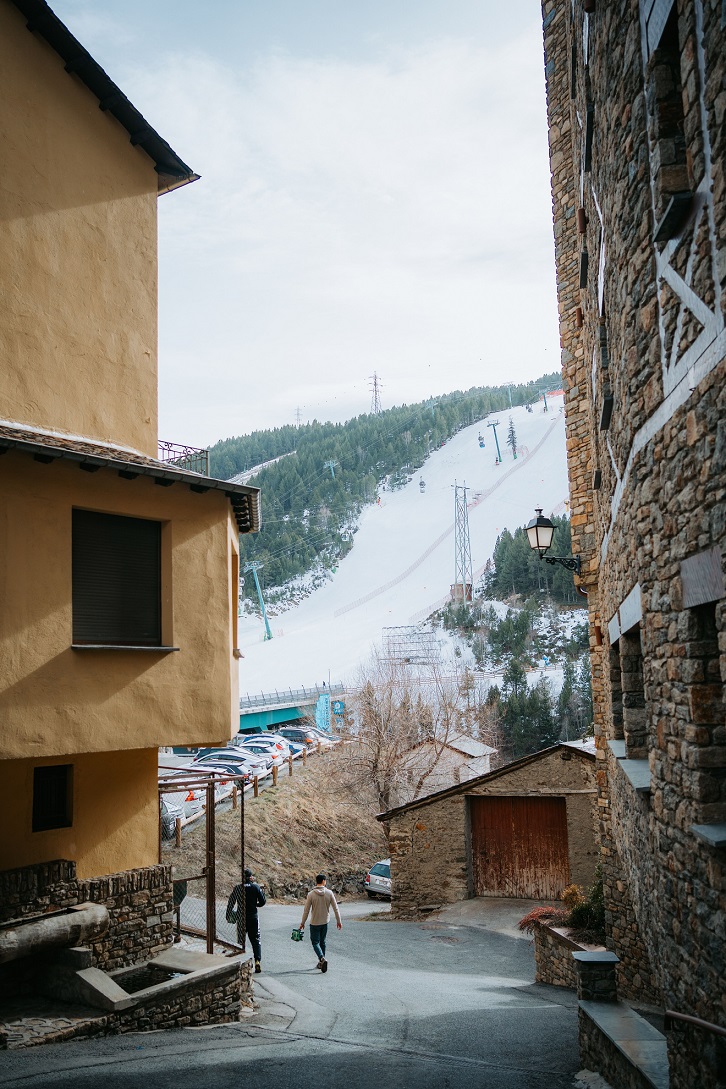
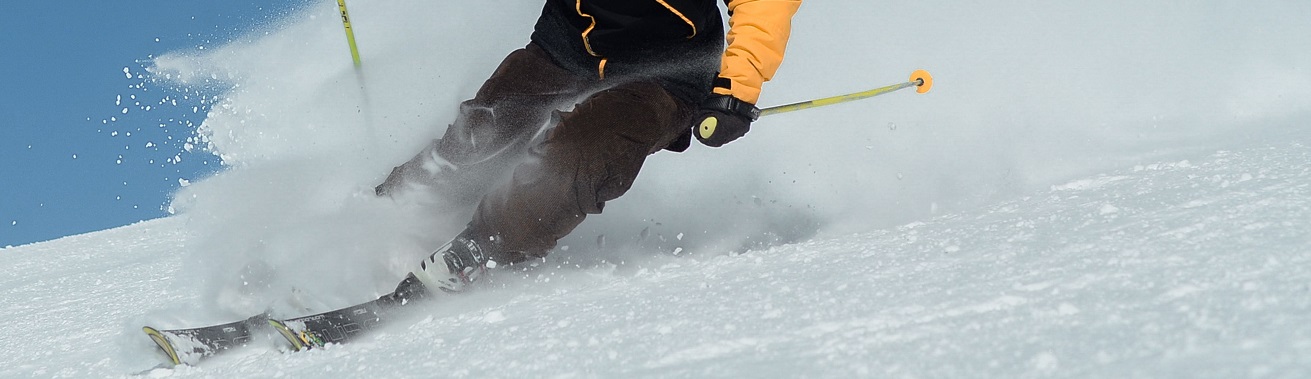
The Ski Andorra (Grandvalira, Vallnord, powder days)
You're here for vertical meters, varied terrain, and lift-pass prices that don't require a mortgage. Andorra's ski infrastructure is world-class: modern lifts, snow-making coverage, and terrain parks that rival anywhere in Europe. Base near your chosen domain and ski hard.
Plan like: Valley base (Soldeu/Canillo or Arinsal/Ordino) + daily ski + evening spa rotation.
The Hiking Andorra (GRP trails, glacial lakes, high peaks)
You want mountain solitude without the Alpine crowds or prices. Andorra's summer trails range from gentle valley walks to serious alpine ascents. The Circ de Pessons (high lakes circuit) and Estanys de Tristaina are Instagram-famous but genuinely beautiful—and still quieter than comparable French/Swiss spots.
Plan like: Ordino or Encamp base + daily hikes + village culture evenings.
The Cultural Andorra (Romanesque churches, stone villages, history)
You're drawn to Andorra's unexpected depth: centuries-old chapels with original frescoes, mountain villages where Catalan traditions survive, and a political system (co-princes: France's president and a Spanish bishop) that feels medieval in the best way. The Sant Joan de Caselles church and Pal village are highlights.
Plan like: Village-hopping circuit + Casa de la Vall (parliament building) + museum loops.
Andorra in Four Seasons: Timing Changes Everything
Andorra is radically seasonal. Your experience shifts completely between winter ski season, summer hiking season, and the shoulder periods when locals reclaim their country.
 Winter (December–March): Peak Ski Season
Best move: Plan midweek if you can; weekend road traffic can slow the arrival.
Open the full season notes
- Weather: Cold (often -5°C to 5°C in valleys), snowy above 1,800m, sunny days common but wind chill is real.
- Crowds: Busiest season, especially Christmas/New Year and February half-term, but still manageable compared to French Alps.
- Why it's great: Andorra's primary season—ski conditions are reliable, lift systems run fully, and the mountain culture is at peak energy.
- Watch for: Weekend warrior traffic from Barcelona/Toulouse can clog roads; weekdays are significantly quieter.
 Spring (April–May): Shoulder Season Gamble
Best move: Keep plans flexible and check what is open before booking.
Open the full season notes
- Weather: Variable—upper slopes can still have snow, valleys are warming, wildflowers emerge by late May.
- Crowds: Low. Many hotels/restaurants close for maintenance; public transport scales back.
- Why it works: Cheap accommodation, empty trails, and the "real Andorra" emerges without tourist filters.
- Watch for: Some ski lifts convert to summer mode (bike parks, scenic gondolas) but not all—check schedules.
 Summer (June–September): Hiking & Mountain Biking Prime
Best move: Start hikes early and check trail and lift conditions.
Open the full season notes
- Weather: Warm valleys (20–28°C), cooler at altitude, occasional afternoon thunderstorms (hike early).
- Crowds: Moderate—families and hikers, but nowhere near winter volumes.
- Why it's great: High trails accessible, via ferrata routes open, mountain biking in full swing, and spa days feel earned after big ascents.
- Watch for: August can get busy with European holiday crowds; June and September are sweet spots.
 Autumn (October–November): Quiet Transition
Best move: Go for quiet scenery, but confirm high-trail and refuge access first.
Open the full season notes
- Weather: Crisp, golden foliage in valleys, early snow possible at high altitude, shorter days.
- Crowds: Minimal. Ski season hasn't started, hiking season is winding down.
- Why it works: Dramatic fall colors, rock-bottom accommodation prices, and Andorra feels like a local secret again.
- Watch for: Many mountain huts/refuges close by mid-October; confirm trail accessibility before committing to high-altitude hikes.
Andorra's "shoulder seasons" (spring/autumn) offer the best value but require flexibility—some infrastructure closes, and weather can be unpredictable. For guaranteed access and full services, stick to winter ski season or summer hiking season.
Street Smarts: Small Andorra Rules That Save Big Stress
Language, borders and transportOpen the practical notes
- Language reality: Catalan is official, but Spanish and French work everywhere. English coverage is patchy outside resorts—basic Spanish helps.
- Border quirks: Andorra isn't in the EU or Schengen, but customs checks are minimal. If you're buying duty-free goods, know import limits for France/Spain.
- No airport: Nearest airports are Barcelona (3 hours by bus), Toulouse (2.5 hours), or Girona (2.5 hours). Direct buses are reliable and frequent in season.
- Driving is essential in summer: Public buses connect main towns, but hiking trailheads often require a car. Rental cars from Spain/France can enter Andorra—confirm with rental company.
Everyday details in the mountainsOpen the practical notes
- Shopping strategy: Electronics, alcohol, tobacco, and perfume have the best duty-free savings. Clothes/gear aren't significantly cheaper than online sales.
- Altitude adjustment: Even valley bases sit above 1,000m. If you're arriving from sea level, take it easy the first day—altitude affects performance more than you'd think.
- Cash is king in villages: Cards work in resorts and capital, but mountain refuges and small-town restaurants often prefer cash (euros).
- Sunday closures: Many shops (except duty-free megastores) close Sundays. Plan accordingly.
- Tap water: Safe and excellent—Andorra's mountain springs are some of Europe's purest. Refill bottles freely.
- Weather changes fast: Mountain conditions can shift dramatically. Always pack layers, even in summer. Afternoon thunderstorms are common July–August.
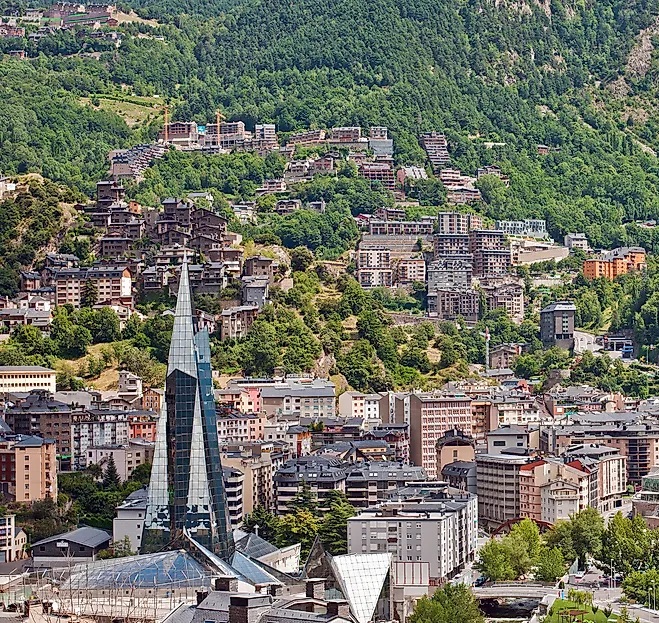
Andorra feels more "functional" than "charming"—think Swiss efficiency meets Spanish relaxation. The capital (Andorra la Vella) won't win beauty contests, but the valleys and villages deliver authentic mountain culture. Go 20 minutes outside the commercial zones, and Andorra transforms.
Logistics Lite
Andorra is straightforward once you understand it's not a typical country: no airport, no trains, but excellent road access from France and Spain.
Entry rules (the short version)Open the details
Andorra isn't in the EU or Schengen, but border controls with France and Spain are minimal (customs checks focus on duty-free goods). Passport required. Visa requirements typically follow Schengen rules—if you can visit France or Spain, you can visit Andorra. Always confirm your specific entry requirements before booking.
Visas and travel documentsMoney (Euro) & everyday pricingOpen the details
Andorra uses the Euro (€) despite not being in the EU (by agreement with EU). Cards widely accepted in resorts/capital; cash useful in villages. Prices for skiing/accommodation beat French/Swiss Alps significantly; food/drink ranges from cheap tavernas to overpriced tourist traps.
Power + emergencies (save this)Open the details
Andorra uses European plugs (Type C/F), 230V / 50Hz—same as France and Spain. Pack a universal adapter if coming from outside Europe. For emergencies, dial 112 (EU-standard number works in Andorra). Mountain rescue is professional and well-equipped.
Getting around: buses, rental cars, no trainsOpen the details
No airport or trains in Andorra. Access by road only: direct buses from Barcelona (Alsa/Andbus), Toulouse (Andbus), and Lleida. Public buses connect main towns/resorts (efficient in winter, limited in summer). Rental car strongly recommended for summer hiking— most trailheads are inaccessible by public transport.
Connectivity: SIM cards + WiFi + eSIMOpen the details
Andorra has its own mobile network (Andorra Telecom). EU roaming doesn't automatically apply—check your provider's Andorra policy. WiFi common in hotels/cafés. For short trips, eSIM is easiest. For longer stays or heavy data use, local SIM cards offer good value.
Best "don't waste time" booking tipOpen the details
If visiting in winter, book multi-day ski passes online in advance—you'll save 10–15% and skip lift-ticket queues. For summer hiking, download offline maps (AllTrails, Maps.me)—mobile signal is spotty on high trails.
Base Plans: 3 Simple Ways To Build an Andorra Trip That Works
Pick one and commit. Andorra rewards focus more than trying to "do everything."
Choose the base that fits your trip
Andorra la Vella
Best for: A first stop, city services, shopping and easy orientation.
Trade-off: It feels more like a compact capital than a mountain village; plan travel time for ski areas and trailheads.
Soldeu, El Tarter or Canillo
Best for: A ski-led trip based around Grandvalira.
Trade-off: A resort setting is convenient for the mountains, while the capital’s shops and services are farther away.
Ordino or La Massana
Best for: A quieter village stay, hiking, and access to the Vallnord side of the country.
Trade-off: Less big-city convenience; check seasonal transport and opening times before you settle in.
Plan A: Winter ski trip (3–5 days)
- Why: Andorra's primary identity—world-class skiing at mid-range prices.
- Do: Fly to Barcelona → bus to Andorra → base in Soldeu/Canillo (Grandvalira) or Arinsal (Vallnord) → ski daily → evening spa/apres.
- Rule: Choose one domain (Grandvalira OR Vallnord) unless you have 6+ days. Domain-hopping eats time and adds pass costs.
Skiers seeking Alpine terrain without Alpine prices; couples wanting ski-and-spa rotation; groups prioritizing slope time over nightlife.
Plan B: Summer hiking trip (4–7 days)
- Why: Andorra's trails rival the French Pyrenees but see 80% fewer hikers.
- Do: Rent car at Barcelona/Toulouse airport → drive to Andorra → base in Ordino or Encamp → daily hikes (Coma Pedrosa, Circ de Pessons, GRP sections) → village evenings.
- Rule: Start hikes early (7–8am) to avoid afternoon thunderstorms and heat. Always check trail conditions—some high routes require crampons into July.
Serious mountain terrain without the French Pyrenees crowds or GR10/HRP commitment. Accessible alpine hiking with nightly bed comfort.
Plan C: Cultural circuit (3–4 days)
- Why: You're drawn to Andorra's unexpected heritage—Romanesque art, stone villages, political oddities.
- Do: Andorra la Vella (Casa de la Vall, shopping detox) → Sant Joan de Caselles → Ordino (Museu Postal, old quarter) → Pal village → scenic drives through mountain passes.
- Rule: Combine cultural sites with some nature—even a short hike or gondola ride. All-culture Andorra gets repetitive fast.
Perfect as a Barcelona or Toulouse add-on. Andorra's "micro-nation" quirks (tax haven, co-princes, language mix) fascinate history/politics nerds.
Costs & Pace: What Actually Moves the Needle in Andorra
Andorra's reputation as "affordable Alps" is mostly deserved—but costs vary dramatically between resorts and off-piste villages, and between winter/summer seasons.
Here's the honest truth: Andorra delivers exceptional ski value. Multi-day lift passes cost 40–50% less than French/Swiss equivalents, accommodation is mid-range priced (not budget, not luxury), and you can eat well without Michelin-level bills. But the duty-free shopping hype has pushed some tourist-zone prices higher—choose restaurants/hotels carefully.
See price examples, budget strategies and daily paceOpen cost details
- Accommodation strategy: Resort villages (Soldeu, Pas de la Casa, Arinsal) are convenient but pricier. Non-resort towns (Ordino, Encamp, Sant Julià) offer better value and more authentic vibes.
- Food strategy: Avoid main-street restaurants in Andorra la Vella and Pas de la Casa (tourist traps). Seek out "menú del día" in smaller towns—€12–18 for three courses.
- Lift pass costs: Grandvalira 6-day pass ~€260–300 (vs €400+ in French Alps). Vallnord slightly cheaper. Book online for discounts.
- Activity costs: Hiking is free (beyond transport to trailheads). Caldea spa entry €30–45 for 3 hours. Via ferrata/mountain biking rentals €20–40/day.
- Daily average (rough): Budget €50–70/day (dorm/self-catering), Mid-range €80–130/day (hotel/meals out), Comfortable €140–200+/day (resort base/daily ski/spa).
Andorra's value proposition shines brightest in winter ski season when you're comparing lift passes, accommodation, and lessons to French/Swiss/Austrian resorts. In summer, the hiking is free, but without ski infrastructure to offset costs, Andorra doesn't feel dramatically cheaper than, say, the Spanish Pyrenees—just less crowded.
 Andorra Daily Rhythm Comparison
How your pace shapes your day (and your spend)
Relaxed
 Slow breakfast + lift pass prep
 Late lunch + gear stash
 Caldea spa session (thermal pools + sauna)
 Quiet dinner + early night
Moderate
Quick breakfast + first lifts Mountain lunch + rest
 Village explore (Romanesque church + town wander) Dinner + local wine
Intensive
Pre-dawn start for first chair Quick refuel Caldea spa full circuit + ice room
 Big dinner (you earned it)
 Apres-ski bar (if you're still standing)
Prices are illustrative (EUR / €) to show how pace tends to affect spending. Always check current rates and seasonal variations.
Un-Googleable Andorra: Tiny Choices That Change the Whole Trip
These aren't "hidden gems." They're the small behaviors that make Andorra feel authentic instead of like a duty-free shopping mall with mountains.
Skip Andorra la Vella unless you need itOpen Rob’s field note
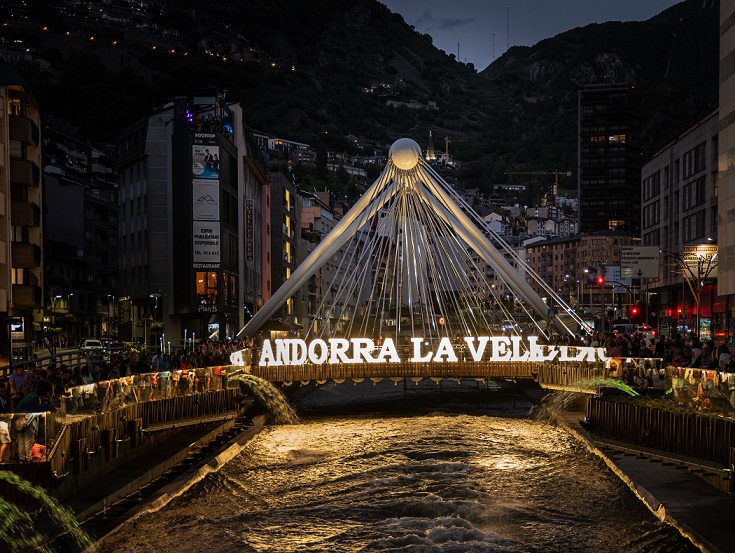
The capital is functional—banking, shopping, parliament building—but it's not where Andorra's soul lives. Check in, maybe hit Caldea spa, then get to the valleys. The real Andorra starts 20 minutes outside the capital.
Eat "menu del día" like localsOpen Rob’s field note
Tourist restaurants charge €25+ for mediocre plates. But nearly every town has a local spot serving menú del día (set lunch: starter, main, dessert, drink) for €12–18. Ask locals where they eat—it's always better and half the price.
Visit Romanesque churches early or lateOpen Rob’s field note
Most are unlocked during daylight hours, free to enter, and completely empty. Go at 8am or 6pm for that "alone with centuries" feeling. Sant Martí de la Cortinada and Santa Coloma are particularly atmospheric.
Weekdays beat weekends by a mileOpen Rob’s field note
Barcelona/Toulouse day-trippers flood Andorra on weekends—traffic jams, crowded slopes, booked restaurants. If you can swing mid-week travel, you'll have 50% fewer people and significantly better mountain access.
Pack your own lunch for hikesOpen Rob’s field note
Mountain refuges exist but aren't as common as in France/Switzerland. Stock up on bread, cheese, jamón, fruit from valley supermarkets—picnics by glacial lakes beat restaurant meals anyway.
Use Caldea spa at odd hoursOpen Rob’s field note
Caldea (Europe's largest thermal spa) gets packed 3–7pm when day-trippers arrive. Go at 9am opening or 8pm+ evening sessions for empty pools and actual relaxation. Worth the timing strategy.
Gap Analysis: Is Andorra Right for Your Kind of Trip?
Andorra excels in specific niches—but it's not for everyone. Here's the honest read (with workarounds).
You’ll love Andorra if…Open the fit check
- You want serious Alpine-quality skiing/hiking without Alpine prices or crowds.
- You prioritize terrain over nightlife/culture—Andorra is mountains-first, everything else second.
- You're planning a Barcelona or Toulouse trip and want a mountain escape without changing countries.
- You enjoy small-scale travel—Andorra's entire "circuit" takes 2–3 hours to drive.
- You appreciate functional, no-frills mountain infrastructure (think Swiss efficiency, not French charm).
- You're a value-conscious skier/hiker who researches kit online and wants duty-free shopping as a bonus.
- You like spa culture—Caldea and smaller thermal centers are woven into Andorran life, not tourist add-ons.
- You're drawn to micro-nations, political oddities, and places that don't quite fit standard categories.
Plan around it if…Open the fit check
- You need museums/galleries/cultural depth (solution: combine with Barcelona pre/post trip).
- You want vibrant nightlife (solution: Andorra is early-to-bed; if you need apres-ski energy, base in Pas de la Casa).
- You're a beginner skier seeking lessons in English (solution: Grandvalira has English instruction; smaller resorts less so).
- You don't drive and want summer hiking access (solution: stick to trails reachable by bus, or join guided group hikes).
- You expect "charming" mountain villages (solution: Andorra leans functional; for postcard-pretty, add Spanish Pyrenees villages like Ainsa or Taüll).
- You're visiting outside ski/hiking seasons (solution: shoulder seasons are cheap but infrastructure shuts down—confirm accessibility).
Andorra is best for travelers who value mountain quality and price efficiency over cultural depth or aesthetic charm. If you're a skier/hiker who wants serious terrain without elite-resort bills—or you're curious about Europe's strangest little country—Andorra delivers.
Andorra FAQs
Quick answers to the questions people actually stress about before visiting Andorra.
How many days do I need in Andorra?
3–5 days is ideal for a focused ski or hiking trip. You can "see" Andorra's highlights in 2–3 days, but serious skiers/hikers often stay 5–7 days to fully exploit the terrain. It's also perfect as a 3–4 day add-on to Barcelona or Toulouse trips.
Is Andorra worth visiting if I don't ski?
Yes, but in summer. Andorra's hiking, via ferrata routes, mountain biking, and Romanesque heritage make excellent non-ski trips. Winter non-skiers can enjoy spa days, scenic gondola rides, and snowshoeing—but skiing is definitely Andorra's winter identity.
Is Andorra actually cheaper than French/Swiss Alps?
Yes, significantly—for skiing. Lift passes cost 40–50% less, accommodation is more affordable, and lessons/rentals are cheaper. For summer hiking, the advantage shrinks (hiking is free everywhere), but accommodation still beats French Pyrenees resort pricing.
Do I need a car in Andorra?
Winter ski trips: no (public buses connect resorts efficiently). Summer hiking trips: yes (most trailheads are inaccessible by bus). Cultural/village circuits also benefit from a car. Rental cars from Spain/France can enter Andorra—confirm with your rental company.
What's the best way to get to Andorra?
Fly to Barcelona (most international connections) → direct bus to Andorra (3 hours, €30–40, frequent departures). Alternatively, Toulouse (2.5 hours by bus) or Girona (2.5 hours). No airport or trains in Andorra—road access only.
Is Andorra safe for tourists?
Very safe. Andorra has extremely low crime rates—one of Europe's safest countries. Standard mountain safety applies: check weather before hikes, carry layers, don't ski off-piste without proper equipment/knowledge.
What language is spoken in Andorra?
Catalan is the official language, but Spanish and French are widely spoken (Andorra sits between Spain and France). English coverage is moderate in resorts, limited in villages. Basic Spanish or French phrases help significantly.
Is the duty-free shopping in Andorra actually good?
For specific items, yes: electronics, alcohol, tobacco, and perfume offer genuine savings (20–40% below EU prices). Clothing/outdoor gear aren't significantly cheaper than online sales. If shopping isn't your priority, don't let it dominate your trip— the mountains are why you're here.
Plan your next step
Compare the Europe travel hub and the Southern Europe guides, then use the trip-planning guide to work through dates, connections and budget.
Join the conversation
Are you heading to Andorra for the skiing, the hiking, or the micro-nation curiosity factor? Share your rough plan and what you're most excited (or uncertain) about. And if you've skied Grandvalira vs Vallnord, hiked the GRP trails, or discovered a village taverna that deserves recognition, drop those insights—it helps the next traveler get past the duty-free hype and into the real Pyrenees.