Portugal · Douro Valley destination guide
Régua & Pinhão: Somebody Carried Every Single Stone
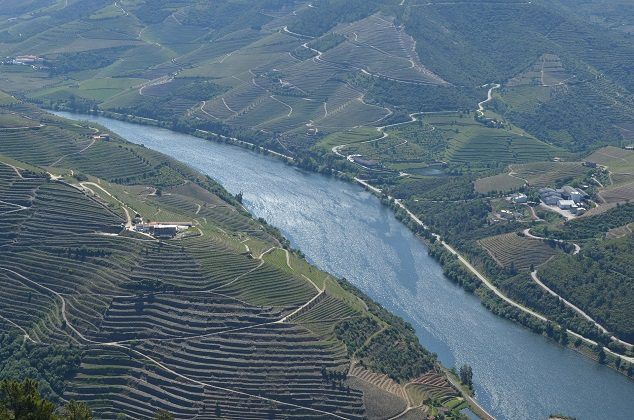
Park at a viewpoint in the Douro Valley, step out, and look at the old terraced hillsides. Then ask yourself who built them.
I ask that question everywhere I go in this valley, because the answer still gives me goosebumps. People did. Generation after generation, with picks, mules and stubborn backs, stacking dry-stone walls up slopes of schist to make room for vines.
By Rob Wheatley · Viking Program Director · Updated in 2026
Régua & Pinhão at a glance
My priority: understand the terraces, then enjoy the river at an unhurried pace.
Régua: start with the Museu do Douro and the waterfront.
Pinhão: the railway-station tiles, river views and a booked quinta visit.
On foot: town-centre strolling is different from reaching a hillside estate or viewpoint.
Viking guests: match independent plans to your actual berth and excursion schedule.
A landscape built by people
On those historic terraces, there were no bulldozers doing the heavy lifting. Somebody carried every single stone. The valley also has newer vineyard layouts shaped by machinery, so not every slope tells exactly the same story. But the old walls still make me stop and think about the hands that built them.
It is easy to see a beautiful wine landscape and forget the labour underneath it. I find the Douro makes that rather difficult. Look properly, and the work is everywhere.
One of the great early demarcated wine regions
In 1756, under the Marquis of Pombal—the same statesman associated with Lisbon’s rebuilding after the earthquake—the Douro’s wine region was formally demarcated. It belongs among the world’s earliest regulated wine regions. The Alto Douro landscape became a UNESCO World Heritage Site in 2001.
People think of Europe’s wine country as France and Italy, and then I point at these hillsides and watch them rethink everything. The UNESCO listing recognises a working cultural landscape, not simply an attractive place to pour a glass.
Getting there is part of the fun
By road
From Porto, allow roughly an hour and a half to Régua in straightforward traffic, with more time for stops and the onward drive to Pinhão. The N222 between the towns follows a memorable stretch of river. Go slowly: the scenery deserves it, and so do the bends. Stop only where it is safe to pull off.
By train
The Douro Line links Porto with Régua and Pinhão, with much of its appeal coming from the river scenery. Check CP’s timetable and service notices before booking: engineering work can mean replacement buses for part of the journey. Don’t assume every departure will deliver an uninterrupted riverside train ride.
By river
Many visitors arrive on the water, following the old wine-trade route. Compare a short sightseeing trip with a full-day cruise or a longer river holiday: they give you very different amounts of time ashore. You don’t need a boat to experience the valley, but it’s a lovely way to watch it unfold.
Régua: where the port story starts to click
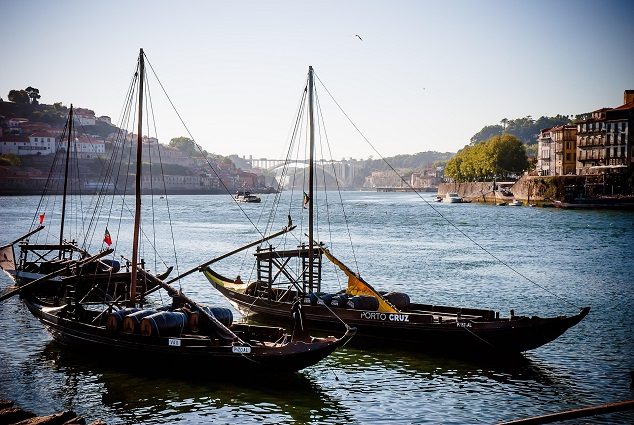
Régua became an important centre of the port trade. Wine from the surrounding quintas travelled downriver towards the lodges at Vila Nova de Gaia, the ones I sent you to in my Porto guide. Traditional rabelo boats did the hauling, on a river far more hazardous than today’s dam-controlled waterway.
My Régua routine: start at the Museu do Douro, which puts the region’s wine and working landscape into context, then stroll the waterfront. It’s a friendly, easy-going town and a good place to begin understanding what you’re looking at.
If you have transport, consider São Leonardo da Galafura. The valley folds away in layers of terraces. Treat it as a separate outing from town; the viewpoint is not a casual riverside detour on foot.
And here’s my pet rant: the Douro isn’t only port. The dry reds and whites coming out of this valley deserve attention too. Don’t spend the whole trip overlooking them because the fortified wine got the better publicity.
Pinhão: the prettiest waiting room I know
Pinhão is a small village in the heart of port country. I send everyone to the railway station, and not necessarily to catch a train. Go for the walls.
The exterior’s blue-and-white tile panels, dating from 1937, depict harvests, vineyards and river life. The railway heritage authority credits their adaptation to João Oliveira and Lourenço Limas, with production by the Aleluia factory in Aveiro. These are not the work of São Bento’s Jorge Colaço, despite that comparison being repeated.
Grape pickers, ox-carts and wine-country labour, all in glazed tile. Take your time looking, while keeping platforms and passenger routes clear. The official station history is worth reading before you go.
How port gets its kick
This is the fact I love telling people, usually with a glass in my hand. While the grape juice is still fermenting, the winemaker adds grape spirit. That stops fermentation and preserves natural sweetness. Port is typically around 19–22 percent alcohol, which helps explain why one small glass goes a long way.
Fortification and the wine’s export history are connected, but the modern method is more than a simple trick for surviving a sea voyage. The Port and Douro Wines Institute explains the process.
Some quintas still tread grapes by foot in stone troughs called lagares during harvest. Others use mechanical systems. I know there are practical reasons, but robotic “feet” still make the romantic in me feel slightly short-changed. Harvest experiences need advance arrangements; they are not something to assume will happen during any estate visit.
What to taste—and a sensible warning
- Tawny port: think nutty and caramel notes from wood ageing. My after-dinner pick.
- Ruby port: generally a fruit-led style; the category includes more than simple young ruby.
- White port and tonic: ice, a citrus garnish and a warm afternoon. Don’t knock it until you’ve tried it.
- Douro reds and whites: the valley’s other wines, and well worth making room for.
If you’re driving, nominate someone who isn’t tasting or arrange transport. Taking turns at different estates is not a reliable plan for keeping a driver sober. Those quinta tastings add up, and the N222 deserves your full attention. Many estates require bookings, so check before turning up.
When I’d go
I’d aim for the harvest if I could pick just one season. September is often central to the activity, but dates vary by estate, grape and weather, and can begin earlier. Autumn colour follows its own timetable too; don’t book a date expecting the whole valley to have turned gold on command.
Summer can be hot, spring brings fresh growth, and quieter months offer a different mood. If grape picking or treading is your priority, book a specific experience with the quinta rather than relying on a general “harvest season” description.
For Viking guests: Régua and Pinhão on River of Gold
These towns feature in Portugal’s River of Gold. Use this guide for the destinations, then consult the itinerary for the sequence. Listed outings include visits away from the berth, such as Mateus Palace, Favaios and Lamego; they are not all sights you simply walk to from the ship.
Your daily programme confirms the actual berth, excursion arrangements and return time. If the ship moves while you’re ashore, an independent outing needs particular care. Check with the team before deciding to stay behind or head off alone.
Open my River of Gold itinerary →My verdict
Régua and Pinhão aren’t a race through big-ticket sights. They’re slow mornings, long lunches, tile-covered walls and endless staircases of vines, with something lovely in your glass.
However you get here, by road, rail or river, take a moment to think about an old stone wall on that hillside and the person who built it. Raise a glass to them. I always do.