Germany · Destination guide
Berlin: The Line in the Pavement
There’s a double row of cobblestones set into streets and pavements in central Berlin. Easy to miss. Cyclists ride over it. Tourists step across it with a coffee in one hand and their phone in the other. It traces the course of the Wall, and you can cross the old divide without noticing.
That’s Berlin in a nutshell. The history isn’t behind glass. It’s under your feet, and the city has decided to carry on regardless. In this Berlin travel guide, I’ll show you where to start with the Wall, how to pace a first visit and how to choose a neighbourhood that suits your trip.
By Rob Wheatley · Traveller and Viking Program Director
Explore the Germany destination guide →
The soundtrack
Close your eyes for a second and Berlin tells you where you are. The yellow U-Bahn squeals into the station. A busker murders a Bob Dylan song with total commitment. Behind you, a bicycle bell says, quite clearly, “Move, tourist.”
Somewhere there’s a bass line coming from a building that looks like a deserted power station. It’s a club. Of course it’s a club.
Then there are the rules. Stand in the cycle lane or cross on a red man at two in the morning, and someone may tell you off with such moral authority that you’ll apologise in a language you don’t speak. Give Berlin a little time, though. Between the graffiti and the cranes are leafy parks, canal-side afternoons and Sunday flea markets.
Berlin at a glance
- My priority
- Understand something of the divided city, then leave time to meet the city living around that history.
- If time is short
- Choose a central walk and one substantial visit rather than attempt every district.
- For Wall history
- Bernauer Straße and the East Side Gallery offer different experiences. Allow travel time between them.
- For river-cruise guests
- Berlin is a hotel stay on Elegant Elbe, with road transfers to or from the ship.
The press conference that opened the Wall
On 9 November 1989, Günter Schabowski announced new travel regulations at a press conference. Asked when they would take effect, he indicated that, as far as he knew, it was immediately.
The announcement outran the instructions at the border. Crowds gathered at the checkpoints, and at Bornholmer Straße the barriers eventually opened under their pressure. The division that had controlled people’s lives for decades was being crossed that night.
A muddled announcement mattered enormously, but it was not the whole explanation. Protests, political pressure and people insisting on their freedom had brought the system to that point. One man’s badly handled briefing became the trigger, not the entire story.
Stand where the crossing opened and the ordinary surroundings can be startling. History does not always choose somewhere that looks prepared for it.
Two ways to meet the Wall
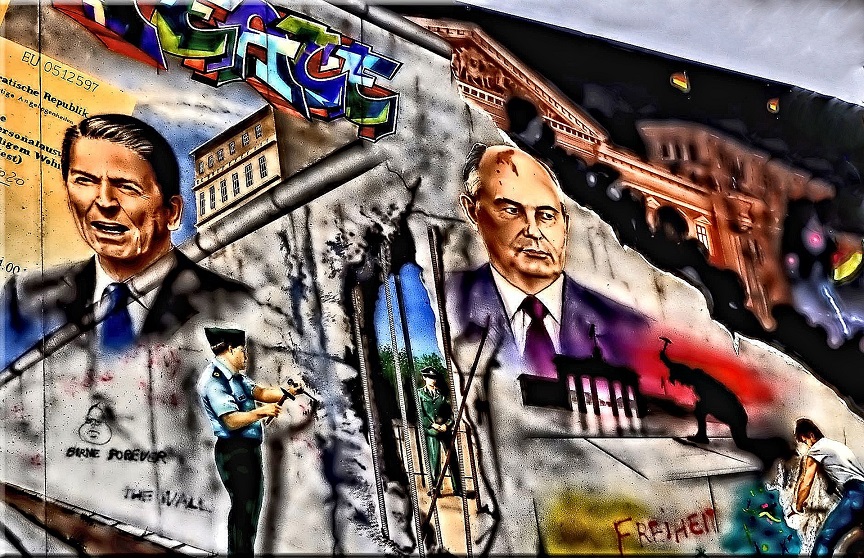
At Bernauer Straße, the Berlin Wall Memorial explains the border system and the lives it disrupted. The outdoor exhibition, memorial spaces and documentation centre give the physical remains their context. This is the visit for understanding what the barrier meant.
The East Side Gallery has another character: a surviving stretch transformed through murals. Enjoy the art, but remember what the concrete was built to do. These are related visits, not interchangeable names for the same site.
My advice is to choose the one that answers your question, or give each proper time if the schedule allows. Berlin is large enough to punish a plan based entirely on the assumption that everything called “the Wall” is next door.
More bridges than Venice, less fuss about it
Berlin has more bridges than Venice. The total depends on what you count, but the comparison is one the city’s tourism board is happy to make. It is an excellent reminder that Berlin has more water and green space than the grey-city stereotype allows.
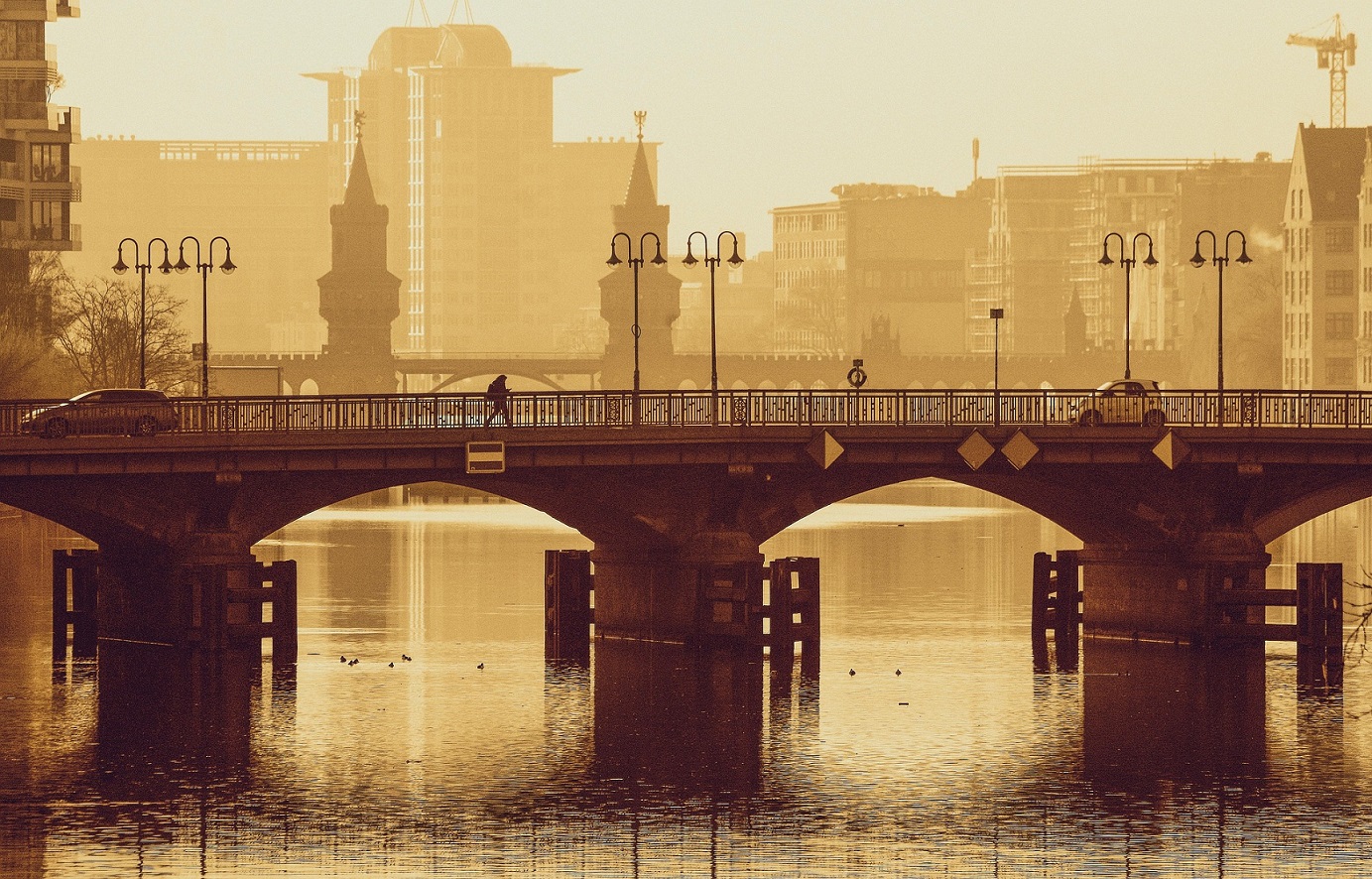
Work a river or canal walk into the day. You do not need to turn every bridge into a destination. Sometimes the useful part is simply following the water until you find a place worth pausing.
This is where the city can surprise you after the major historical sites. Leave an afternoon without too much architecture attached to it and see what happens.
The sausage that conquered a divided city
Berlin credits Herta Heuwer with the currywurst sauce she began selling in Charlottenburg in 1949. A city carved up between four powers, united by one very questionable sauce. Sausage, curry sauce and chips shouldn’t work quite as well as they do.
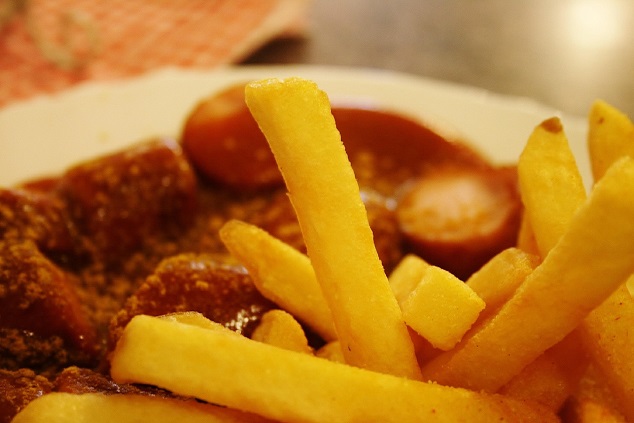
Locals will argue about the best stand. Pick a busy one, stand on the pavement and form an opinion of your own. If it’s three in the morning and a döner is closer, Berlin will forgive you. The argument about who invented it can wait until breakfast.
Start with the big hitters
Brandenburg Gate and the Reichstag
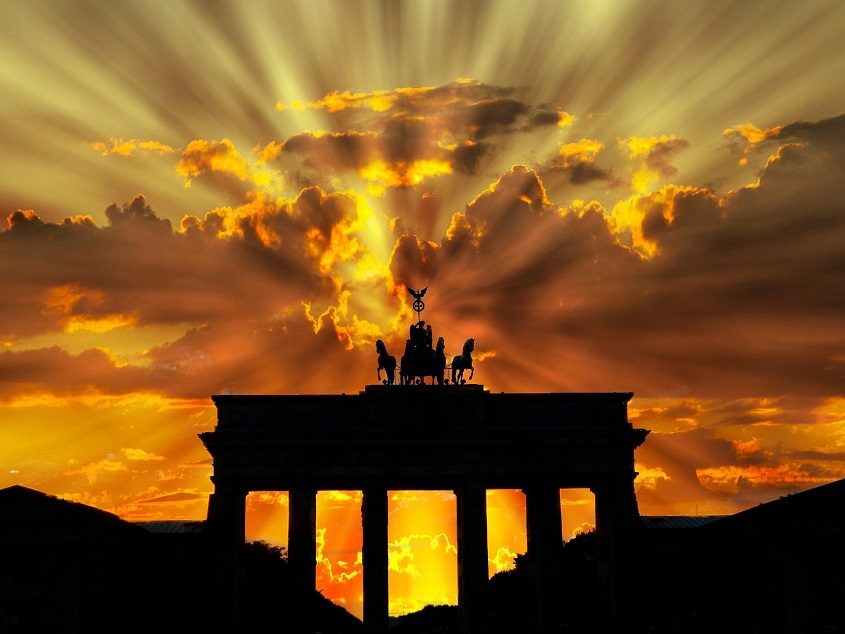
Yes, you’ve seen the gate on a thousand postcards. Go anyway. For decades it stood in the border zone, a gate people couldn’t simply walk through. Now you can wander through it eating a pretzel. That’s progress.
If the Reichstag dome is on your list, check the Bundestag’s visitor information and register ahead. The glass dome lets you look down towards the chamber. Transparency in government, built right into the architecture.
The Memorial to the Murdered Jews of Europe
Take a quiet moment here. As you walk between the concrete slabs, the ground rises and falls and the city seems to recede. Give it time.
Checkpoint Charlie and the museums
I’ll be honest. Checkpoint Charlie felt like a bit of a tourist trap. There was a guy in an American soldier’s costume offering to pose for a photo for a euro. Have a look, learn what happened there, then give more of your time to the Wall Memorial at Bernauer Straße. If you’re visiting a museum too, check its opening day, ticket arrangements and entrance before crossing town. One substantial museum can be plenty.
Saturday night is allowed to be part of the itinerary
The bouncer at the door of a Berlin nightclub has more power over your weekend than your travel agent, your airline and possibly your mother. One look, one raised eyebrow, and you’re back on the pavement wondering whether it was the shoes or your whole personality.
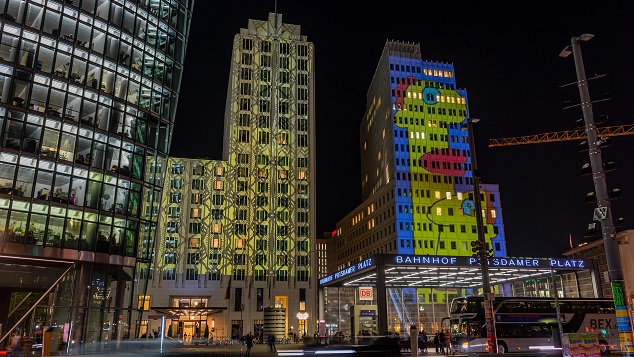
Choose the area and atmosphere you fancy, check your route home and leave a bit of room for the next morning. A good dinner and a walk back count as a night out in my book. And if the bouncer says no, you’ve still got currywurst.
A workable first visit
Day one · Brandenburg Gate and the Berlin Wall
Start with a walk around Brandenburg Gate, then head to the Berlin Wall Memorial at Bernauer Straße or the East Side Gallery. Take public transport between areas and give the Wall visit enough time to sink in.
Day two · A museum and a neighbourhood
Choose one museum you genuinely want to see. Afterwards, spend the rest of the day in a neighbourhood that interests you. If you have a third day, use it for the Wall site you skipped or a slower walk along the water.
Check the correct ticket and any validation requirements before travelling. Allow for connections, and use the actual entrance address when navigating to a booked visit. “It’s beside the station” becomes less helpful when you emerge from the opposite exit.
For access needs, ask about the precise route and interior, including lifts, surfaces and distances. Pedestrian streets and large public spaces can still mean a considerable amount of walking.
Plan Berlin by neighbourhood, not by checklist
Allow: Three full days makes a good first introduction; longer gives museums and neighbourhoods more room. For a short stay, group sights geographically. Berlin’s size will otherwise spend half your holiday on your behalf.
When: My preference is May, June or September for walking and outdoor time. Summer evenings are a draw; winter makes museums and indoor plans more important. Check individual museum arrangements before reserving a day around them.
Transport and meals: Use official fare-zone information: BER Airport and Potsdam require the appropriate wider coverage, not an ordinary central-Berlin ticket. Currywurst is one introduction, not the whole food scene. Leave at least one meal free for the restaurants in the neighbourhood where you are actually spending the evening.
Still choosing a base? Compare Berlin neighbourhoods for sightseeing, quieter evenings and easy transport.
For river cruise guests
Visiting with Viking?
On Elegant Elbe, Berlin is a hotel endpoint, not the ship’s berth. The published Berlin–Prague sequence has two hotel nights before the Potsdam transfer and embarkation at Wittenberg. In the reverse direction, Berlin follows disembarkation and the Potsdam visit.
Included programme: Viking’s published 2027 itinerary lists Panoramic Berlin. Check the actual stops and any interiors in your booked description.
Optional, at additional cost: examples listed include Flavors of Berlin and Berlin During the Cold War. Compare them with the included overview before choosing.
Confirm the hotel, coach meeting point, checkout and luggage arrangements before booking independent tickets. A Potsdam transfer day is not an empty day available for another Berlin museum.
Checked against Viking’s published 2027 programme on 8 November 2026. Your booked sailing confirms availability, inclusions and timing. I work for Viking; this is my own practical guidance.
Explore Elegant Elbe →Explore more
Planning sources
Historical and visitor details checked 8 November 2026. The city impressions are my editorial observations. Confirm bookings, transport and your own departure’s programme.
What did Berlin make you reconsider?
A piece of history, an unexpected green corner or your opinion of currywurst? Share your recommendation or ask about planning your stay.
Join the conversation below ↓