Home › Destinations › South America › Colombia
SOUTH AMERICA · NORTHERN SOUTH AMERICA
Colombia Travel Guide: Colour, Coffee and a Considered Route
This Colombia travel guide helps you compare Bogotá, Medellín, coffee country and Cartagena, with practical advice on routes, weather, costs and safety.
My starting rule: choose two places you want to understand, then check the journey between them as carefully as the hotel.
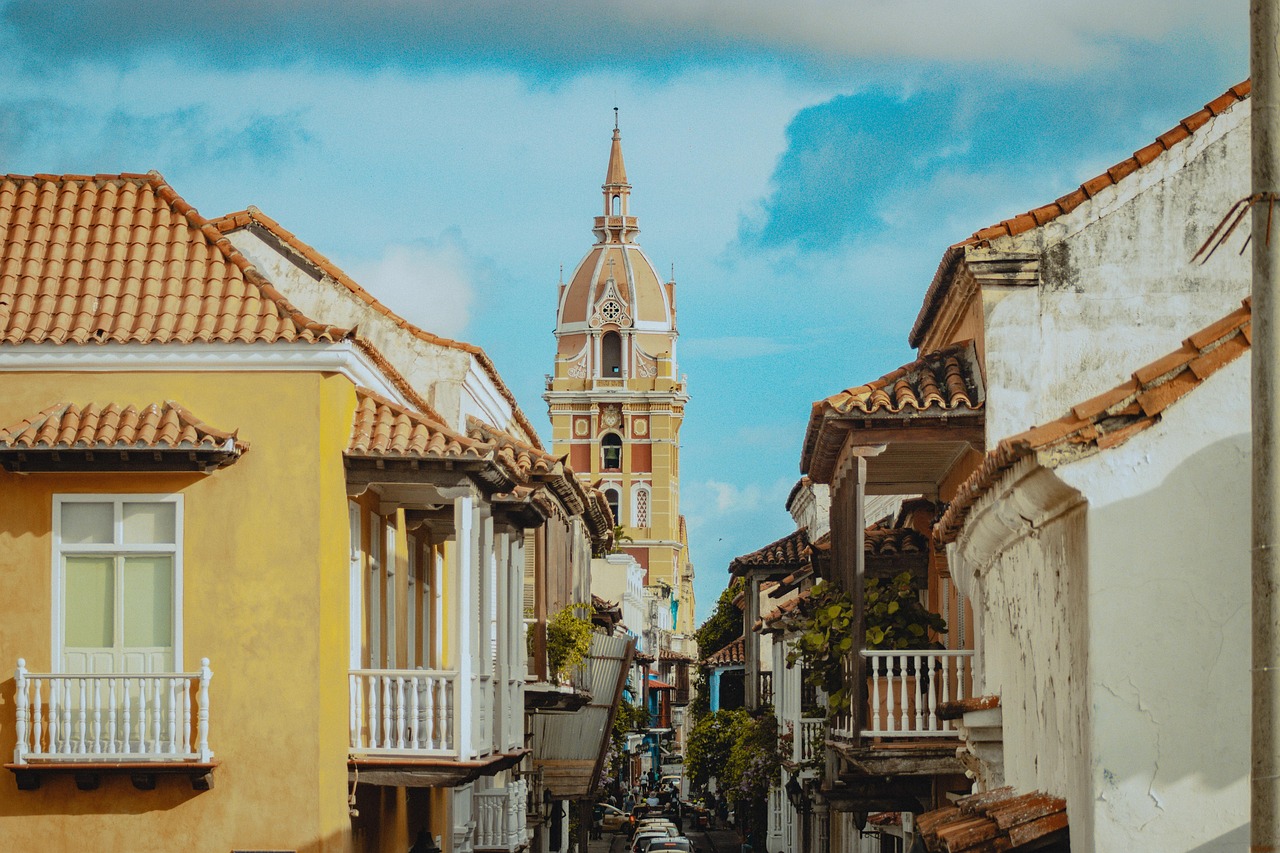
By Rob Wheatley · Spanish · COP (Colombian peso)
Before booking: the current U.S. advisory is Level 3: Reconsider travel. Read the safety section and check the official regional restrictions.
Need the Gist? A 60-Second Colombia Scan
This Colombia travel guide helps you choose between big-city culture, coffee country and the Caribbean coast. However, the first decision is whether the current security situation and your proposed route fit your comfort level.
The short version
- My suggested first visit: 10–14 days for two contrasting bases, with travel buffers.
- Language: Spanish. Learn the phrases you will need before arrival.
- Currency: Colombian peso, COP. Check the currency on major quotes.
- Planning priority: assess the specific route, accommodation and transport.
- Biggest mistake: assuming every destination has the same climate, travel time or security conditions.
The honest fit check
Colombia offers variety, but it deserves more preparation than a colourful photograph suggests. A carefully chosen base is useful; nevertheless, a familiar tourist district is not a guarantee of safety.
If the current advice, practical arrangements or remaining uncertainty make you uncomfortable, choose a different destination. There is no prize for forcing a holiday that never lets you relax.
The Colombia That Clicks: Two Places, Properly Chosen
City and coffee country
Consider Bogotá or Medellín with a coffee-region stay if museums, neighbourhood walks and rural scenery are your priorities. Then compare real transport connections before deciding which city makes sense.
My preference would be one city with enough time to understand it, followed by a contrasting base. Adding another city simply because it is famous can consume the days you wanted for everything else.
City and Caribbean coast
Alternatively, combine a city with Cartagena if architecture, food and coastal atmosphere appeal. However, distinguish a Cartagena city stay from a beach holiday: the hotel location and excursion arrangements shape the experience.
Next, check the arrival and departure airports. A route that avoids returning across the country can be useful, but only if the flights work for your dates.
My rule: choose the experiences first, then check security, transport and accommodation together. This Colombia travel guide offers starting points, not an assurance that every suggested place or journey is suitable at every time.
The Major Destinations
Use these destinations as options to research, rather than a checklist. The stay lengths are my planning allowances, so adjust them around current advice, interests and connections.
Bogotá: culture, cafés and a gentler first day
Choose the capital for museums, historic streets and urban food culture. La Candelaria and the Gold Museum are familiar starting points; however, plan your route and transport rather than wandering indiscriminately.
I would allow: three or four nights. Bogotá’s altitude is another reason to keep arrival day light. For context, explore Colombia Travel’s Bogotá introduction.
Medellín: look beyond the highlight reel
Consider Medellín for urban culture, neighbourhood perspectives and a contrasting city setting. However, a cable-car photograph or nightlife recommendation tells you little about the safety of the surrounding journey.
I would allow: four nights for a focused city stay. Compare the actual accommodation street, recent reviews and evening transport. For community visits, choose a reputable guide who explains local context and respectful behaviour.
Coffee country: choose the base before the tour
Salento, Filandia and stays around Pereira or Armenia offer different ways into the coffee region. A town-centre guesthouse and a remote farm stay create very different daily logistics.
I would allow: four or five nights. Then choose one farm visit and a manageable scenery day, rather than filling every morning with another pickup. Start with the official coffee-region guide.
Cartagena: colour, heat and city life
Cartagena suits travellers drawn to historic architecture and Caribbean atmosphere. However, warm, humid days can make an ambitious midday walking plan feel considerably less inspired.
I would allow: three or four nights. Plan early walks, a slower afternoon and reliable transport after dark. For beach or island excursions, verify the operator, full price, return arrangements and conditions before paying.
Santa Marta and Tayrona: a separate decision
A city stay, a park visit and a remote coastal lodge are different trips. Do not assume each is an easy add-on from Cartagena, or that every beach is suitable for swimming.
I would allow: at least four nights for a focused regional chapter. Check current access, closures, permitted swimming areas and health requirements through Colombia’s national parks authority.
Guatapé or another smaller-town stay
Guatapé is one possible contrast to Medellín, with colourful streets and reservoir scenery. Nevertheless, compare an overnight stay with a day excursion once road time and activity costs are clear.
I would allow: one or two nights if it suits the wider route. Also ask about stairs, walking surfaces and the return journey before choosing an excursion by its photograph alone.
Vibe Check: Which Colombia Suits You?
Culture and city curiosity
Choose one city if the pleasure lies in museums, food, music and guided neighbourhood exploration. Then leave time for a café and an unhurried conversation.
However, city travel still needs structure. A pleasant daytime visit is not automatically a recommendation to walk the same route after dark.
Rural scenery and coffee
Consider a coffee-region stay if you want time outside a major city. Next, compare the location and access of each property: “peaceful” can also mean a long journey for dinner.
If mobility or fitness affects your choices, ask about steps, gradients, vehicle access and walking surfaces before booking.
If your main priority is an effortless beach holiday, compare the actual beach, transfer and security arrangements with alternatives elsewhere. The right destination is the one that suits the trip you want.
Weather and Seasons: Think Altitude, Region and Rain
Colombia does not follow the four-season pattern of the United States or southern South America. Instead, altitude, regional climate and rainfall matter much more to your day-to-day comfort.
Bogotá and higher ground
Pack layers for cooler conditions and keep rain protection accessible. However, do not let a city forecast stand in for a high-country excursion: elevation and exposure can change the experience.
Medellín and the coffee region
Expect a different climate from Bogotá or the coast. Then plan outdoor activities with room for rain, checking local conditions rather than treating a broad seasonal label as a guarantee.
Cartagena and the Caribbean
Plan around heat and humidity as well as rainfall. Early walks, shade and a flexible afternoon can make the city easier to enjoy. Also check conditions before any boat outing.
Holiday periods and flexible dates
Compare availability and prices for your actual dates, especially around major holidays. If you can shift the trip slightly, check whether the change improves accommodation choice and transport connections.
Use Colombia Travel’s regional weather guidance as a starting point. Then check forecasts close to departure and ask operators how weather affects the activities you have chosen.
Daily Rhythm: City Days and Slower Contrasts
A city day
Morning: a planned district or museum visit. Afternoon: lunch and one nearby activity. Evening: a chosen venue with transport back arranged.
Instead of crossing the city repeatedly, group the day geographically. Also leave the first morning lighter after a long flight.
A coffee-country day
Morning: one farm visit or scenery outing. Afternoon: time in your base town or at the property. Evening: dinner without another complicated transfer.
Meanwhile, keep a flexible slot for rain or a place you want to revisit. A rural stay should contain some actual staying.

Rob’s Tips: A Regional Dish and a Coffee Visit
Food: let Bogotá introduce you to ajiaco
Ajiaco is a hearty soup associated with Bogotá, traditionally made with chicken and several types of potato. It is a good reminder that Colombian cooking changes with the region.
Meanwhile, bandeja paisa is a different, substantial option associated with Antioquia and the coffee region. Ask about ingredients and portions before ordering. For a useful introduction, see Colombia Travel’s regional food guide.
Activity: choose a coffee visit with substance
Look for a farm experience that explains cultivation, processing and tasting, rather than simply providing a scenic backdrop and a shop.
Then ask about group size, walking demands, language and what the fee includes. A useful tour should leave you knowing more than which packet fits in your suitcase. Also check how you will get back to your accommodation.
Safety: Read This Before Committing to the Route
Current advisory: the U.S. State Department rates Colombia Level 3: Reconsider travel, with some areas rated Do not travel. Review the full advisory and regional restrictions before booking and again before departure.
City precautions matter
Crime can affect visitors, including robbery and drugging. Keep valuables discreet, avoid demonstrations and arrange transport through dependable providers. Also be cautious about unfamiliar social invitations and leaving food or drinks unattended.
Do not resist a robbery. A popular tourist area still requires attention and current local advice.
Assess journeys, not just destinations
Check the entire route, including road transfers and excursions beyond the city. Avoid areas identified as do-not-travel, and do not improvise remote routes or border journeys.
Prefer daylight travel and be prepared to change plans if conditions deteriorate. Also check that your insurance covers the destination, activities and applicable travel advice.
My blunt take: neither a frightening anecdote nor a beautiful travel video is enough to assess a country. Use current official advice, reputable local guidance and your own comfort level together.
Health, Altitude and Outdoor Plans
Prepare for the actual itinerary
Tell a travel-health professional which regions you intend to visit, including any rural, jungle or high-altitude excursions. Yellow-fever vaccination advice and certificate requirements need separate checks; they are not interchangeable. Confirm the current certificate rules for your journey with Colombian authorities and your airline.
Check CDC’s Colombia guidance alongside current Colombian entry and park requirements. Then allow enough preparation time before departure.
Choose walks and water activities carefully
Ask providers about distance, ascent, heat, surfaces and the nearest practical help. Then choose the activity that matches your ability and current conditions.
For national parks, check access, closures and local rules before travelling. Likewise, ask about sea conditions and authorised swimming areas instead of assuming a beach photograph means a safe swim.
Logistics Lite: Entry, Money and Getting Around
Entry and Check-Mig
Confirm document and visa requirements for your nationality, purpose and length of stay. Keep onward travel and accommodation details accessible, then check special rules for children or dual nationals where relevant.
Use the official Migración Colombia Check-Mig page to confirm the current process. The service is free; avoid paying a lookalike site for something the government provides without charge.
Airports and realistic connections
Check the airport on every ticket, particularly around Medellín, and arrange the corresponding ground transfer. Also compare baggage allowances and arrival times before choosing the cheapest fare.
For longer legs, compare flights with the actual road journey and current security advice. Mountain distances on a map can underestimate the time you will spend travelling.
Money: pesos and clear prices
The currency is the Colombian peso, COP. However, a $ symbol alone may not make a tourist quote clear, so confirm the currency and final price before agreeing.
Carry a backup payment method and some local money for smaller purchases. Then check card fees and use dependable cash-withdrawal arrangements. Avoid carrying more cash than the next part of the trip reasonably needs.
A base is part of the transport plan
Check the exact accommodation location, access and recent reviews. A cheaper room may add daily transport costs or an awkward evening journey.
Next, ask the property how guests normally reach the airport and local activities. Save key reservations and contact details offline, so the next step does not depend on finding a signal.
Base Plans: Three Ways to Avoid a Rushed Colombia Trip
These are my suggested planning outlines, subject to current security advice and suitable connections. They are not fixed packages or a statement that any route is risk-free.
About 10 days: one city and coffee country
My outline: three nights in your chosen city, four nights in a coffee-region base, then two nights near the departure gateway.
Pick Bogotá or Medellín according to flights and interests. Then choose the rural base that best fits your activities. Avoid adding both cities simply to complete a famous-name list.
About two weeks: city, coffee and coast
My outline: four nights in a chosen city, four nights in coffee country, four nights in Cartagena, then one departure-buffer night where the routing requires it.
This needs suitable connections and a realistic budget. However, if it feels busy once transfers are included, choose two bases and use the extra nights there.
About three weeks: deepen the trip before expanding it
Add time in the existing bases before assuming you need another region. Then compare a carefully researched extra stay with the value of fewer packing days and more flexibility.
For a wider continental journey, use the South America overview. Do not treat neighbouring countries as automatically simple overland additions; border and regional advice need separate attention.
Colombia Travel Costs: Compare the Complete Trip
A useful Colombia travel guide should help you budget for the journey you intend to take. A low daily figure means little if it leaves out airport transfers, flights and the activities that brought you here.
Price these five parts
- Accommodation in the locations you would actually choose.
- Flights, baggage and dependable ground transfers.
- Guides, farm visits, park access and priority excursions.
- Food and everyday transport.
- Suitable insurance and a separate contingency allowance.
Where I would save
First, reduce unnecessary moves. Next, compare a well-located base with a cheaper room that adds transport costs. Then check tour inclusions before accepting an attractive headline price.
I would not cut corners on the transport or accommodation arrangements that help me feel comfortable. A holiday bargain loses its charm when you spend the trip worrying about it.
Small Moves That Improve the Trip
Ask a specific local question
Instead of asking whether a whole city is safe, ask your accommodation or guide about a particular journey at a particular time. Then compare that advice with official guidance.
Likewise, explain your budget and dietary needs when asking where to eat. Useful questions tend to produce more useful answers.
Keep one afternoon free
Leave space for weather, a delayed journey or a place you want to revisit. However, book the limited-capacity experiences that matter rather than assuming everything can be arranged on arrival.
For a longer journey, use the World Travel Course to work through preparation before committing the budget.
Gap Analysis: Is This the Right Trip for You?
Four checks before paying
- Security: have you checked each destination and transfer?
- Time: have you counted complete travel days?
- Energy: do altitude, heat and walking demands suit you?
- Budget: can you afford arrangements you feel comfortable using?
If the plan does not feel right
First, remove the least important stop. Next, reconsider the transfer or accommodation causing concern. Then decide whether a simpler Colombia route or another country better suits the holiday.
You are choosing how to spend precious time and money. That deserves more thought than a persuasive photograph or a cheap flight.
Colombia Travel Guide: Your Questions Answered
Is Colombia a straightforward first trip?
It depends on your experience, route and comfort with current conditions. Review official advice before making that decision. If you want minimal uncertainty, compare alternatives rather than assuming a standard tourist itinerary solves every concern.
How many places fit into two weeks?
I would start with two bases, then consider a third only if the connections and budget comfortably support it. Also protect the international departure from delays on a separately booked journey.
Should I pack only for tropical weather?
No. Bogotá, the coffee region and Cartagena can feel very different. Pack according to the altitude, rainfall and activities on your route, then check forecasts before departure.
Do I need a car for coffee country?
Not necessarily. Compare guided outings and arranged transfers with a rental once the property location and activities are clear. Then consider whether driving conditions and route knowledge suit you.
Sources and Useful Checks
Route choices, suggested stays and budgeting preferences are my recommendations. Requirements and conditions can change, so revisit the official sources before travel.
Let’s Talk About Colombia
Which part of Colombia interests you, and what would help you decide whether the trip suits you? Share your rough route or a practical lesson from your own visit.