CENTRAL AFRICA LANE
Gabon Travel Guide: Rainforest Depth, Atlantic Coast, and a Route That Actually Flows
This Gabon travel guide starts with a simple rule: slow down and allow time for the journey. If you try to race it, logistics can bite. Instead, plan around a city base, one park visit, and a buffer before departure.
U.S. travelers: The U.S. State Department reports that Gabon announced a suspension of visa issuance to U.S. citizens. Before booking, check current entry requirements with a Gabonese embassy or consulate and read the U.S. travel advisory.
My planning rule here: arrive and settle in Libreville, then add a single major nature block (Loango, Lopé, or Ivindo), then protect one low-pressure transition day before departure.
Gabon is not about checking ten highlights. It is about texture: rainforest sound, estuary light, wildlife timing, and route logic that leaves you energy to actually enjoy it.
At a Glance (60-Second Scan)
Gabon gets easier when you reduce route complexity and build around one major nature segment.
- Best first move: After arrival, use Libreville as a base to recover.
- Ideal first trip: With 8–11 days, consider one city stay and one park visit.
- Classic mistake: Trying to fit too many transfers into a short trip, especially when roads are difficult.
- Big win: Before departure, allow a buffer day near your airport.
- My rule: Keep demanding journeys to one per day, so you have time to recover.
Gabon is premium value when your plan is realistic. However, it becomes stressful when you stack too many difficult journeys.
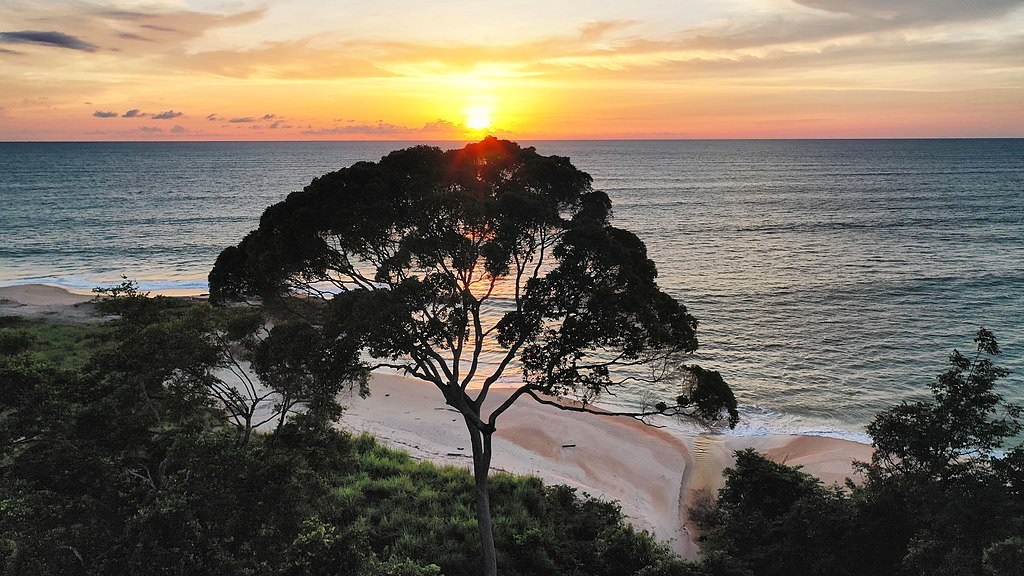
- Gabon combines an Atlantic coastline with dense rainforest.
- Best known for wildlife-rich park experiences and low-tourism density.
- Routes are often timing-sensitive, so buffer days are your best friend.
- Because weather affects roads and park access, check conditions with your operator.
60-Second Fit Check
- Ideal style: Nature-forward travel with calm pacing.
- Energy level: Medium to high on park legs, low in city reset windows.
- First-timer friendly: Yes, especially if you keep the route simple.
- Budget vibe: Mid-to-high in park segments; city days can stabilize spend.
- Transport spine: Air arrivals + controlled road/boat/park transfers.
Plan Your Gabon Route: City, Nature and a Buffer
The smooth Gabon structure is simple: arrive in Libreville, then run one major park experience, then close with a light day near departure.
If you do that, you get real depth without burning out. However, if you try to see everything, transfers can consume your trip.
My blunt take: keep your first Gabon trip to two strong chapters, not five weak ones. That way, you have more time to enjoy each place.
Days 1–3 Libreville + coast, Days 4–8 one park leg, Day 9 buffer + admin, Day 10 fly out.

Vibe Check: Which Gabon Are You Here For?
First choose the experience you want most, then build your route around it.
Coast + Recovery + Urban Ease
Start in Libreville and explore the nearby coast before heading inland.
Wildlife + Rainforest Depth
Choose Loango, Lopé, or Ivindo for a nature-focused trip, with an experienced guide.
Culture + Heritage + River Context
Combine city life and local food with an interior stop if time allows.
Best Time to Visit Gabon
Gabon’s seasons affect roads and park access, so check conditions with your operator before booking.
Long Dry Window (Jun–Sep)
Best for: generally drier conditions, although road and park access can still vary.
Short Rain Window (Oct–Nov)
Best for: travelers who can stay flexible when rain affects the route.
Short Dry Window (Dec–Jan)
Best for: a city and nature itinerary, provided you check local conditions.
Long Rain Window (Feb–May)
Best for: travelers who can allow extra time for rain and road delays.
Because weather affects tracks and roads, distances on a map can be misleading.
Daily Rhythm Comparison (Gabon Edition)
Choose the pace that fits your energy and the experience you want.
City + Coast Rhythm (Libreville)
- Morning: admin tasks, market/café rhythm, low-stress setup.
- Midday: indoor break or short cultural stop.
- Late afternoon: coast walk + light exploration.
- Evening: early dinner + full recovery block.
- Energy load: Low to medium.
Rainforest + Wildlife Rhythm
- Morning: primary activity window with guide.
- Midday: hydration, rest, and weather reassessment.
- Late afternoon: secondary wildlife or estuary window.
- Evening: early reset; prep for next day.
- Energy load: Medium to high.
Heritage + Transit Rhythm
- Morning: core transfer or heritage visit.
- Midday: meal + buffer window for timing variance.
- Late afternoon: local orientation walk.
- Evening: route confirmation + lighter workload.
- Energy load: Medium.
Don’t run a high-output wildlife schedule and urban late nights on the same day. Instead, choose one main pace for the day.
Rob’s Choice: One Food Anchor + One Movement Anchor
Give yourself one taste memory and one movement memory. That’s how this trip sticks.

Food pick: one proper nyembwe-style meal
Don’t reduce local cuisine to rushed snacks between transfers. Instead, choose a seated meal that centers local flavors and give it time. As a result, one meal can be more memorable than several rushed stops.
Nyembwe (The Palm Nut Stew)
Nyembwe is a decadent, silky stew that represents the heart of Gabonese culinary tradition.
- The Core: The base is a thick, crimson paste made from the pulp of natural African palm nuts. The palm fruit gives the sauce a rich, velvety texture.
- The Traditional Protein: While it can be made with various meats, the most iconic version uses smoked chicken (Poulet Nyembwe), which adds a deep, campfire aroma that cuts through the fatty richness of the sauce.
- The Preparation: The stew is often cooked slowly with onions, garlic, and peppers, although recipes vary.
- The Pairing: It is almost always served with pounded yam or manioc (cassava), and often accompanied by fufu to soak up every drop of the dense red sauce.
Activity pick: late-afternoon coast or estuary movement
Soft light, lower heat, better headspace. Whether it’s a coastal walk or a gentle boat segment, this window consistently improves trip feel without draining your energy.
In Gabon, one intentional food anchor + one intentional movement anchor beats checklist travel.
Safety: Suggestions, Warnings, and Calm Rules That Actually Work
Good preparation helps, but risks remain. Check official advice for crime, health, road conditions, and your planned route.
Smart habits
- For park journeys and late arrivals, arrange transfers with a reputable operator.
- Also carry water, an offline map, an ID copy, and backup cash.
- After dark, avoid walking alone in unfamiliar areas.
- Leave time between transfers in case of delays.
- When viewing wildlife, follow your guide’s instructions and keep your distance.
Warnings worth respecting
- Travel advice levels and local conditions can change quickly.
- Rain and poor road conditions can delay journeys, so allow a buffer.
- Petty theft risk rises with visible valuables and distracted phone use.
- Because medical care can be limited in remote areas, plan for evacuation and check insurance coverage.
- Avoid driving on unfamiliar roads at night.
In Gabon, careful transport choices matter for safety as well as comfort.
Official checks before departure
Before travel, discuss yellow fever vaccination and malaria prevention with a travel health professional. Gabon requires proof of yellow fever vaccination for travelers over nine months old according to the U.S. State Department. The CDC recommends malaria prevention medication for travelers to Gabon; check its current guidance and entry requirements.
Women travelers: confidence plan
- Before booking, check recent reviews and the location of your accommodation.
- On arrival, get your bearings during daylight.
- Before a long transfer, share your plans with someone you trust.
- If a situation feels unsafe, move to a trusted public place.
Logistics Lite
Sort out the practical details early so your trip runs more smoothly.
Entry + visa workflow
Because rules vary by passport, confirm visa and document requirements early. Then check again before departure.
Getting around
Choose a simple route. After a difficult transfer, leave time to recover.
- Choose reliable transport instead of stacking too many stops.
- Before your flight home, stay near your departure city.
- Treat park transfer days as travel days, so you are not counting on a full day of sightseeing.
Money + payments
Gabon uses the Central African CFA franc (XAF). Because card access varies, carry a suitable cash backup.
- Keep a cash reserve separate from your day-use wallet.
- Also check exchange rates and ATM fees.
- Before booking, price your park visit and transport so costs do not surprise you.
Connectivity + map discipline
- Before leaving, download offline maps for each major stop.
- Also save permits, accommodation details, and transfer references offline.
- Carry a paper copy of essential addresses in case your phone fails.
African Region Currencies (Quick Reference)
Useful if your Gabon trip extends into neighboring lanes before or after this segment.
North Africa
Common lane codes: MAD, DZD, TND, LYD, EGP
- Planning tip: Exchange by leg; avoid carrying unnecessary conversion leftovers.
West Africa
Common lane codes: XOF, NGN, GHS, GNF, SLL, LRD, GMD, CVE
- Planning tip: Card reliability can vary sharply between countries.
Central Africa
Gabon currency: XAF (Central African CFA franc)
- Also seen in lane: CDF, AOA, STN.
- Planning tip: In remote areas, carry enough cash for your planned expenses.
East Africa
Common lane codes: KES, TZS, UGX, ETB, RWF
- Planning tip: Mobile money strength varies by market.
Southern Africa
Regional anchor: ZAR
- Also common: BWP, NAD, LSL, SZL, ZMW, MWK, MZN.
- Planning tip: Keep one stable reserve-currency approach for multi-country runs.
For Africa multi-country plans, do currency strategy segment-by-segment, not as one giant conversion guess.
Base Plans: 3 Gabon Structures That Work
Libreville + Loango: A First Route
- A practical route if wildlife is your priority.
- For a first visit, arrange transfers with a reputable operator.
- With eight to ten days, allow time for transport and weather.
Libreville + Lopé: Heritage and Nature
- A good choice if you want landscapes and cultural heritage.
- Plan ahead, because getting to the park can take time.
- Allow an extra buffer day in case of delays.
Loango or Ivindo: A Nature-Focused Trip
- Best if wildlife and ecology are your priorities.
- Allow extra planning time, especially for remote transfers.
- Choose this if you are comfortable adapting to transport changes.
Costs: What Actually Moves the Budget in Gabon
Where people overspend
- Last-minute changes can increase transport costs, especially on complex routes.
- Adding many stops can also raise transfer costs.
- Set a daily budget before choosing premium park activities.
- In busy periods, compare city accommodation before prices rise.
- Underestimating “small” transfer-day costs.
How to keep it sane (USD-first mindset)
- Set a daily budget in USD, then track what you spend in XAF.
- Book essential transfers early, especially where services are limited.
- Choose one premium experience per major block.
- Keep a buffer day because delays can be costly.
Gabon can be worth every dollar when you pay for depth, not for routing mistakes.
Un-Googleable Gabon: Small Moves, Big Payoff
Front-load decision fatigue
Before dinner, check tickets, key contacts, and the next day’s transport. Then you can start the morning with less to arrange.
Never waste your final 24 hours
Before departure, stay near your outbound airport to reduce the risk of a missed flight.
Build one fixed meal anchor
Choose a reliable place to eat, so you have one less decision on busy days.
Use weather as a planning input, not a surprise
Check conditions daily, then adjust activities before poor weather disrupts the plan.
Gap Analysis: Is Gabon Right for Your Travel Style?
You’ll love it if…
- A few immersive experiences appeal more than a long checklist.
- Wildlife and rainforest visits are high on your list.
- You can trade some convenience for time in nature.
- Flexible plans suit you better than a rigid schedule.
Plan around it if…
- Variable transfer times would make your trip stressful.
- You prefer a highly urban trip with minimal logistical work.
- Your schedule is too short for several park visits.
Gabon rewards traveler discipline. As a result, a simple route can leave more time to enjoy Gabon.
Gabon FAQs
Here are practical answers for planning your route and preparing to enter Gabon.
How many days should I plan for Gabon?
With eight to eleven days, consider one city base, one park visit, and a buffer day.
Is Gabon suitable for first-time Central Africa travel?
Yes, if you keep the route simple and avoid over-stacking transfers in your first itinerary.
Do I need to check visa and vaccination rules carefully?
Yes. Before booking, check current entry rules and discuss vaccinations and malaria prevention with a travel health professional.
What’s the biggest planning mistake in Gabon?
Trying to fit too many demanding journeys into a short stay. Instead, choose fewer stops.
Is this more of a city trip or a wildlife trip?
It can be both, but the best first trip usually combines a practical city anchor with one deeper wildlife chapter.
Join the conversation
Are you planning Gabon as coast + city, or going straight into a rainforest-heavy route? Share your draft plan so fellow travelers can compare pacing and transfer logic.