CENTRAL AFRICA LANE
Cameroon Travel Guide: Routes, Entry & Regional Advice
This Cameroon travel guide helps you assess city, coastal and nature options before committing to a route. First, check current regional travel warnings and insurance cover. Then compare reliable transport, entry requirements and health preparation. Keep the itinerary focused, because short map distances can mean long journeys, and some areas are unsuitable for tourism.
My planning framework here is straightforward: one city base, one nature contrast, and one buffer day. However, any second base must pass the same security, access and insurance checks as the first.
A slower itinerary can reduce travel fatigue. However, it does not remove security risks, so choose the route only after reviewing current advice and reliable local information.
Need the Gist? (60-Second Scan)
First, decide whether current advice supports your proposed visit. Then simplify the route and check realistic travel times.
- Best first move: First, compare Douala and Yaoundé against your purpose, arrival airport and local support.
- Ideal first trip: for a focused visit, compare 8–12 days with the actual route and buffer needed; do not add highlands without checking regional warnings.
- Classic mistake: Instead of crossing many regions, assess a smaller number of stops carefully.
- Big win: After a long transfer, keep the arrival-day plan light.
- My rule: Above all, avoid adding stops merely to fill the itinerary.
However, an orderly itinerary does not make a destination safe. Regional security conditions, health risks and reliable transport matter more than a neat schedule.
- Central African country with coast, rainforest, and volcanic terrain.
- Best for travelers who like variety and structured flexibility.
- Road-time planning matters more than map distance.
- Cash + offline planning reduces travel friction.
60-Second Fit Check
- Ideal style: Culture + nature contrast with practical pacing.
- Energy level: Medium (higher if you add volcano/highland days).
- First-timer fit: Assess carefully; a simple route alone does not make this a low-risk introduction.
- Budget vibe: Good value in-country; transfers can raise costs.
- Transport spine: Road transfers + selective domestic flights.
The Cameroon That Clicks: City Backbone + One Strong Contrast
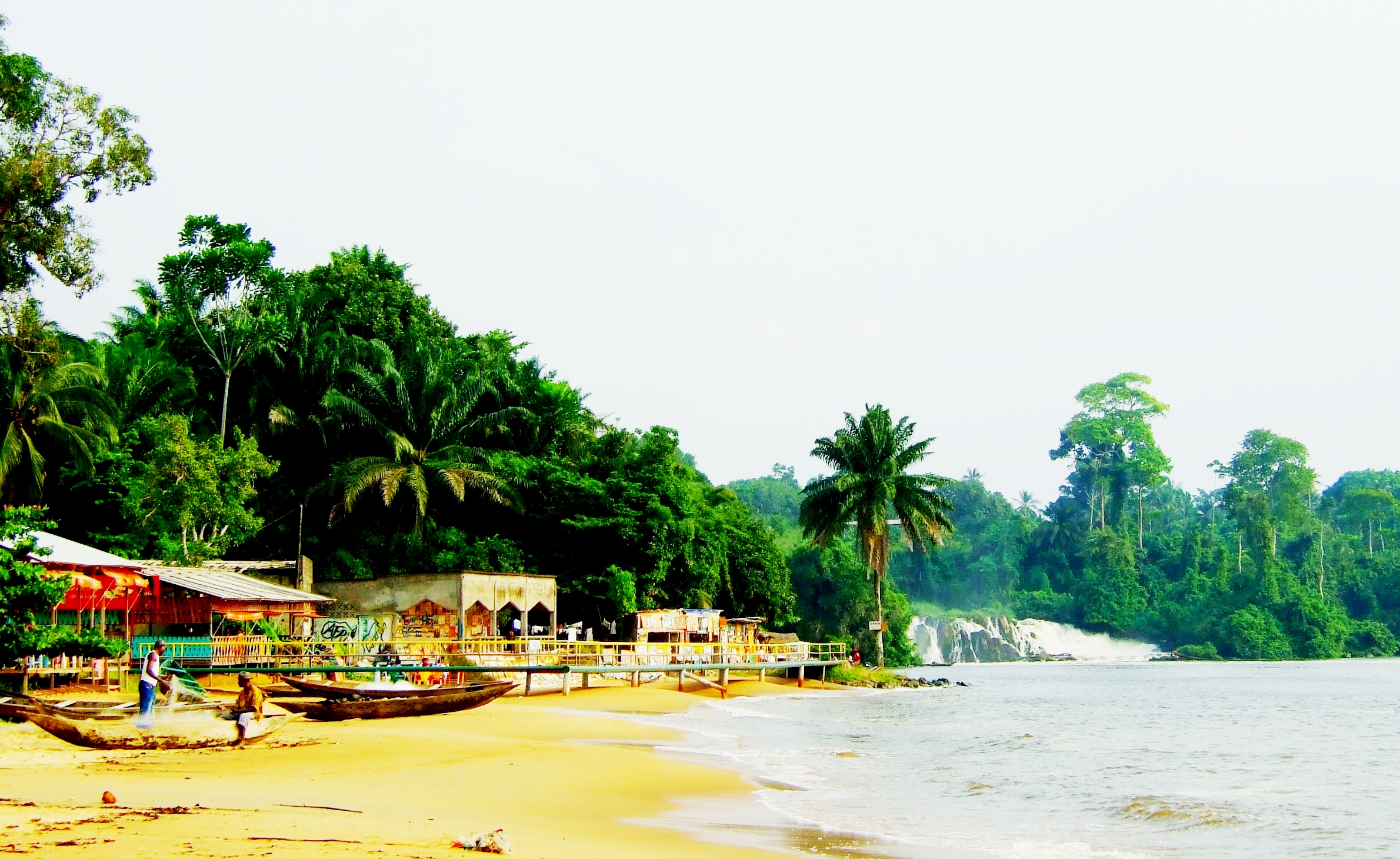
Only after checking current advice, consider: City base first (orientation, admin, recovery), then one natural contrast zone (coast, highlands, or rainforest), then one buffer day.
For an initial comparison, look at a city base such as Yaoundé or Douala and assess any coastal extension separately. However, do not treat Buea or Mount Cameroon as a routine add-on: the South-West Region is covered by serious official travel warnings.
My blunt take: this destination rewards structure. Keep your movement intentional and your days feel richer, not rushed.
Days 1–3 city setup, Days 4–8 contrast zone, Day 9 buffer, Day 10 departure.
Vibe Check: Which Cameroon Are You Here For?
Pick the lane first. Then build your route around it.
City + Culture + Food Rhythm
Base in Yaoundé or Douala for markets, urban cadence, and easier logistics control.
Coast + Reset + Slower Tempo
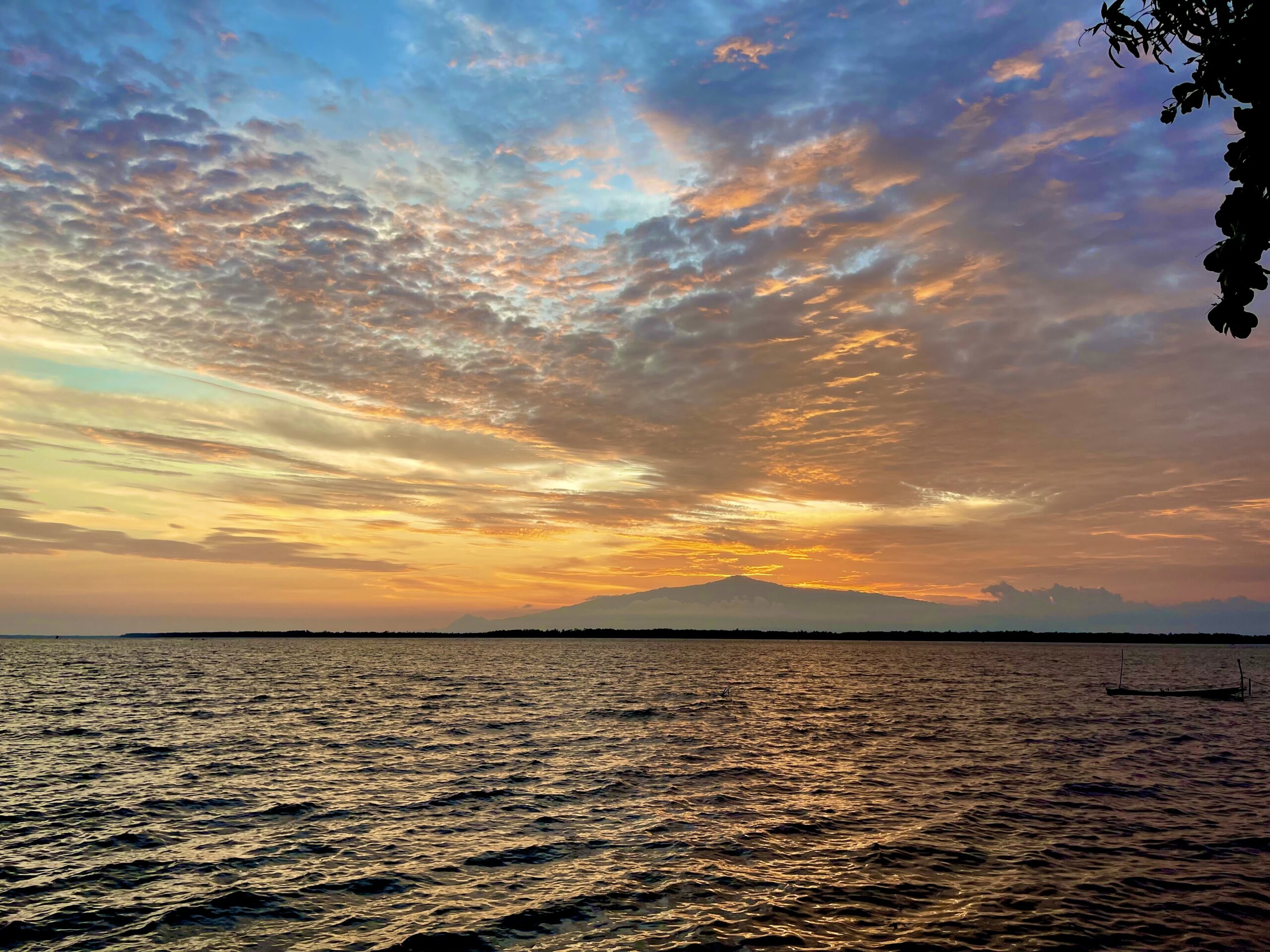
Kribi and nearby coastal windows are ideal when you want breathing room in the itinerary.
Highlands and Volcanoes: Check Warnings First
The South-West Region includes Buea and Mount Cameroon. Therefore, review current do-not-travel guidance rather than treating mountain visits as ordinary sightseeing options.
Cameroon Weather: Check the Region and Route
Cameroon’s weather varies by region and elevation. Therefore, these planning cues cannot replace a local forecast, road assessment or current security advice.
Spring
Best for: compare rainfall and access for the exact city or nature area before choosing dates.
Summer
Best for: allow for weather and road-condition changes; however, flexibility cannot overcome an unsafe route.
Autumn
Best for: check local rain patterns rather than assuming a national shoulder season.
Winter
Best for: compare regional conditions, but do not interpret drier weather as permission to ignore travel warnings.
Microclimates matter here. Always check your specific region, not just national averages.
Daily Rhythm Comparison (Cameroon Edition)
Use this to match your energy to your route, instead of forcing one pace across every zone.
Urban & Coastal Rhythm (Douala / Kribi)
- Morning: admin, market, light movement.
- Midday: shaded reset + hydration block.
- Late afternoon: coastal walk or viewpoint window.
- Evening: food-focused close and early recovery.
- Energy load: Low to medium.
Highland Planning: Not a Current Route Recommendation
- First: check the government warning for the exact region.
- Then: confirm whether travel is appropriate at all.
- Also: check insurance exclusions and operator advice.
- Finally: choose another plan if the route conflicts with official warnings.
- Energy load: Medium to high.
Rainforest/Reserve Rhythm (guided zones)
- Morning: guided movement while temps are lower.
- Midday: indoor reset + logistics check.
- Late afternoon: short, purposeful outing.
- Evening: next-day prep + early close.
- Energy load: Medium.
Choose one dominant pace per base. Mixing high effort and late nights daily is the fast track to fatigue.
Rob’s Choice: One Food Win + One Activity Win
Build one taste memory and one movement memory into every Cameroon route.
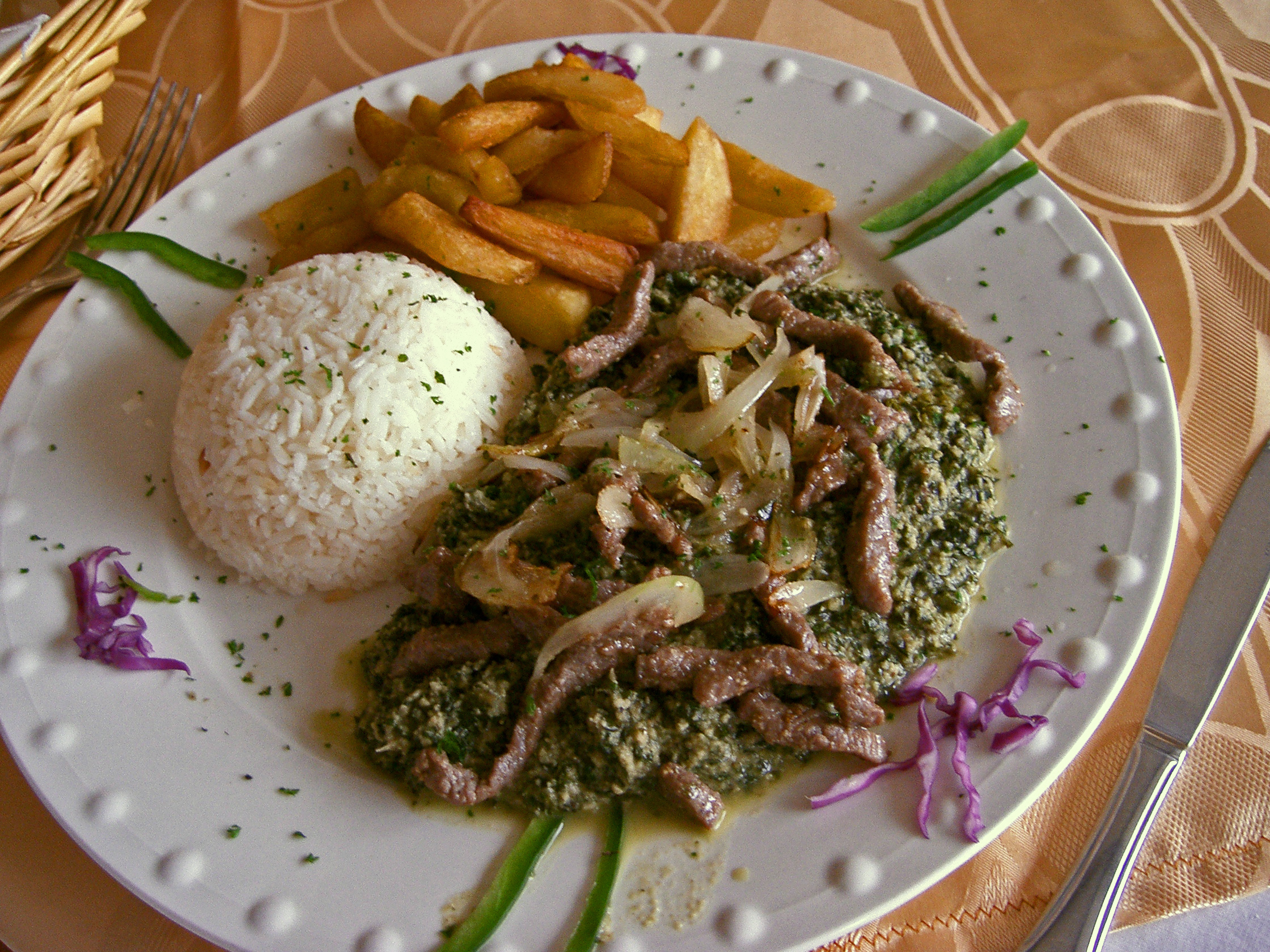
Food pick: A proper ndolé session
Rather than treating ndolé as a quick box-tick, make time for a meal. Sit down for the full meal, ask what version you’re getting, and let that one plate become your cultural anchor memory.
Ndolé (The Bitterleaf Stew)
Ndolé is a rich, creamy, and sophisticated stew that is the pride of Cameroonian cuisine.
- The Star Ingredient: It is named after the "Ndolé" leaves (bitter leaves). These are painstakingly washed and squeezed multiple times to remove most of the bitterness, leaving just a subtle, refreshing edge.
- The Creamy Base: Unlike many tomato-based African stews, Ndolé uses a thick paste of boiled and blended peeled peanuts (groundnuts), which gives it a luxurious, nutty consistency.
- The Protein & Garnish: It typically features beef, stockfish, or smoked meat, but the signature touch is a final garnish of sautéed onions and large, pink prawns or shrimp drizzled over the top in hot oil.
- The Pairing: It is traditionally served with Bobolo (fermented cassava bread), fried plantains, or Miondo (a finer version of cassava bread), which provide a sweet or starchy balance to the savory, nutty stew.
Activity pick: Early coastal reset walk
If your assessed route includes the coast, ask locally about suitable walking areas and conditions before heading out. Then choose a short outing that suits the weather, access and local safety advice.
One intentional food moment + one intentional movement moment beats a rushed checklist.
Safety: Suggestions, Warnings, and Calm Rules
Cameroon planning is safer when your route, timing, and regional checks are disciplined.
Smart habits
- First, check that day-to-day plans remain within the areas you have assessed.
- Then use reliable transport and agree the route and fare before departure.
- Also separate daily spending cash from a reserve.
- Before moving, save accommodation details, document copies and transfer references offline.
- Where appropriate, arrange daylight arrivals and seek local advice before exploring unfamiliar areas.
Warnings worth respecting
- Official advice warns against travel to several regions. Therefore, read the regional detail rather than relying on a national summary.
- Also avoid unnecessary night road travel and assess your transport arrangements carefully.
- Before travel, consult a qualified travel-health professional about vaccination requirements, malaria prevention and your individual needs.
- However, documents and extra time do not make restricted or high-risk border routes suitable for tourism.
- Finally, re-check official advisories close to departure and during any visit.
In Cameroon, route discipline is part of your safety strategy, not just comfort planning.
Official checks before departure
Women travelers: confidence plan
- Choose well-reviewed stays in active, well-lit neighborhoods.
- Then ask your accommodation about local conditions before deciding whether to walk.
- Also share transfer plans and expected arrival times with a trusted contact.
- If something feels wrong, move to a busy public zone quickly.
Logistics Lite
Before booking, check these essentials alongside regional advice and your actual entry point.
Entry + visa setup
First, confirm the visa process for your passport and entry method with the relevant Cameroon mission. Then allow time for approval rather than treating an application as permission to travel.
Health documents + prep
Also confirm health-document requirements, including yellow fever certification, through official sources. Consult a travel-health professional about prevention and suitability, and check medical and evacuation insurance.
Money + payments
XAF is your planning currency. Cards work in bigger urban settings, but cash backup is essential.
- For example, obtain manageable amounts rather than carrying the whole trip budget.
- Also keep card and cash backups separately.
- Finally, compare conversion and withdrawal fees before accepting a transaction.
Connectivity + route control
- Download offline maps for every base and transfer leg.
- Then save bookings, transport references and key contacts offline.
- Also keep a simple transfer-day checklist with the documents and contacts you need.
African Region Currencies (Quick Reference)
Useful when your Cameroon route connects into neighboring lanes.
North Africa
Common lane codes: MAD, DZD, TND, LYD, EGP
- Planning tip: Convert in stages, not all at once.
West Africa
Common lane codes: XOF, NGN, GHS, GNF, SLE, LRD
- Planning tip: Cash/card reliability varies by country.
Central Africa
Cameroon currency: XAF
- Also common: CDF, AOA, STN (country-dependent).
- Planning tip: Keep reserve cash for remote legs.
East Africa
Common lane codes: KES, TZS, UGX, ETB, RWF
- Planning tip: Mobile money strength differs by destination.
Southern Africa
Regional anchor: ZAR
- Also common: BWP, NAD, LSL, SZL, ZMW, MWK, MZN.
- Planning tip: Use one reserve-currency strategy.
For multi-country Africa routes, do currency planning per leg—not as one giant conversion gamble.
Base Plans: 3 Cameroon Structures That Work
Douala + Kribi: Assess City and Coast Separately
- First, assess current advice and transport for both locations.
- Then compare the full transfer and available local support.
- Also allow a buffer before your outbound journey.
Yaoundé + Coastal Extension: Check the Whole Route
- For a city stay, choose activities around your purpose and local guidance.
- However, an extension needs its own access and security assessment.
- After a long transfer, keep the arrival-day plan light.
City Base + Forest Visit: Specialist Planning Required
- For experienced planners who want deeper nature focus.
- First, consult reputable operators and verify access, permits and current warnings.
- Then allow adequate travel time, but do not use buffers as a substitute for safety checks.
Costs: What Actually Moves the Budget
Where people overspend
- Too many one-night moves across distant zones.
- Late transport changes and reactive route edits.
- Private transfers booked without comparing options.
- Premium stays in every stop instead of selective upgrades.
- Untracked “small spend” on transfer days.
How to keep it sane (USD-first mindset)
- First, set a budget in your home currency, then track local spending in XAF.
- Then price the core route and compare cancellation terms before adding activities.
- For example, choose a small number of priorities rather than booking a paid excursion every day.
- Also check spending daily so transport changes do not quietly exhaust the budget.
Cameroon can be excellent value when your route is stable and your transfer days are controlled.
Un-Googleable Cameroon: Small Moves, Big Difference
Front-load your admin on arrival day
After arrival, confirm communications, money access and your next transport with reliable local support. As a result, you can identify practical problems before the next journey.
Protect your final 24 hours
Don’t risk complex repositioning the day before departure unless you truly have to.
Keep one reliable meal anchor per base
For example, a reliable meal option can simplify a busy transfer day.
Run a “tomorrow check” each evening
Before each journey, confirm transport, weather, documents, money and any updated local warnings.
Gap Analysis: Is Cameroon Right for Your Style?
You’ll love it if…
- Geographic variety interests you, but you can accept limits on where to travel.
- Culture and nature appeal alongside careful regional planning.
- You can adjust or postpone plans when advice changes.
- Above all, you are willing to prioritize risk assessment over a sightseeing checklist.
Plan around it if…
- You need a predictable resort holiday with minimal planning.
- Transfer changes or uncertain access would make the trip unsuitable for you.
- Your proposed route crosses areas covered by travel warnings.
Cameroon rewards travelers who plan calmly, move intentionally, and keep one built-in buffer.
Cameroon FAQs
Short, practical answers for planning decisions.
How many days do I need for Cameroon?
For a focused visit, eight to twelve days may allow a city stay and an assessed extension. However, choose the route and timing around current advice, not a fixed number of days.
Is Cameroon first-timer friendly?
It requires careful assessment. First, review regional warnings, health needs and insurance; then decide whether the visit suits your experience and available support.
Do I need to handle visa/admin steps online?
Use the official eVisa process and confirm current requirements for your passport before travel.
Can I rely only on card payments?
No. Keep a practical cash backup in XAF, especially beyond major urban zones.
What’s the best first route structure?
There is no universally safest itinerary. Therefore, assess each location and connecting route using current official advice and reliable local information before booking.
Join the conversation
Are you researching a Cameroon visit or sharing experience from a past trip? Share your draft route and timing so other travelers can compare ideas and plan smarter.