CENTRAL AFRICA LANE
DR Congo Travel Guide: Current Advice and Entry
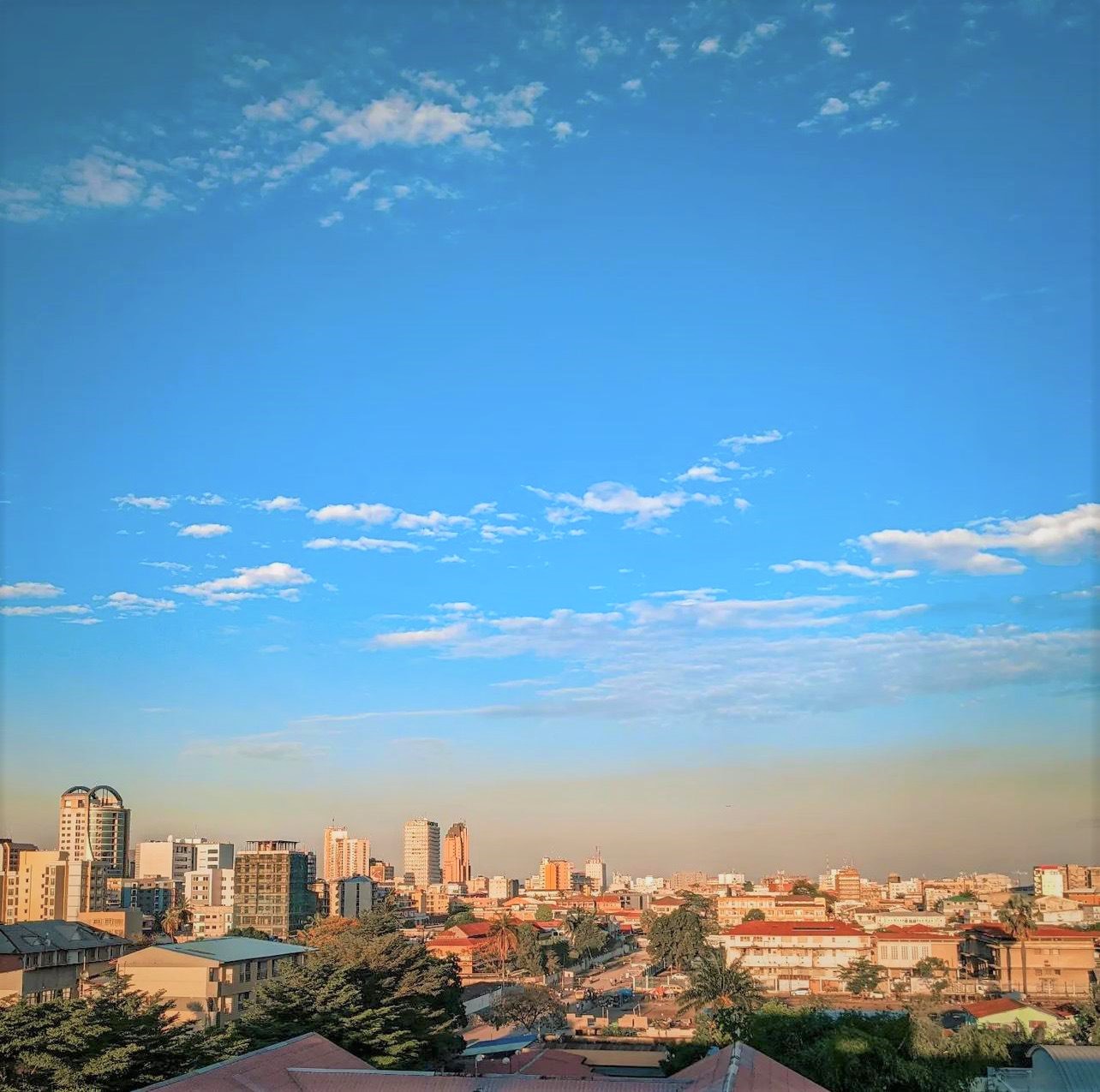
DR Congo is a scale destination. If you treat it like a fast checklist, it gets chaotic quickly. If you design it as one urban anchor + one nature corridor + one buffer, it becomes manageable and memorable.
My planning rule here is simple: protect your logistics first, then add the experience layers. In a country this large, distance and timing are not details—they are the trip.
Start with a conservative route, keep your daily tempo realistic, and leave room for live conditions. That approach gives you depth without unnecessary stress.
Need the Gist? (60-Second Scan)
First, check the current official warnings. The U.S. advises against all travel, and planning alone cannot remove the risks.
- Best first move: Choose one anchor city and one nature/culture leg.
- Ideal first trip: No leisure itinerary is recommended under current official advice.
- Classic mistake: Trying to cover distant regions in one run.
- Big win: Treat transport days as light-effort days.
- My rule: Keep your first DR Congo itinerary narrow, not broad.
In DR Congo, disciplined route logic beats ambition every time.
- Massive country scale means long transfer realities.
- Current warnings should guide whether any trip proceeds.
- Official advisory and health checks are mandatory pre-departure steps.
- Plan with a safety-first mindset and flexible structure.
60-Second Fit Check
- Ideal style: Structured explorer, not checklist sprinter.
- Energy level: Medium to high (higher with overland legs).
- First-timer fit: Not recommended for leisure under current advice.
- Budget vibe: Mid-range core with expensive logistics spikes.
- Transport spine: Flight windows + pre-planned ground moves.
Current warning: The U.S. advises against all travel to the DRC. The ideas below are background for future research, not current route recommendations. Check official guidance before making plans.
The DRC That Clicks: One Urban Anchor, One Contrast Leg, One Buffer
If you are researching the DRC, anchor in one city, add one contrast segment, and protect one flexible day. However, a simple plan cannot make travel safe.
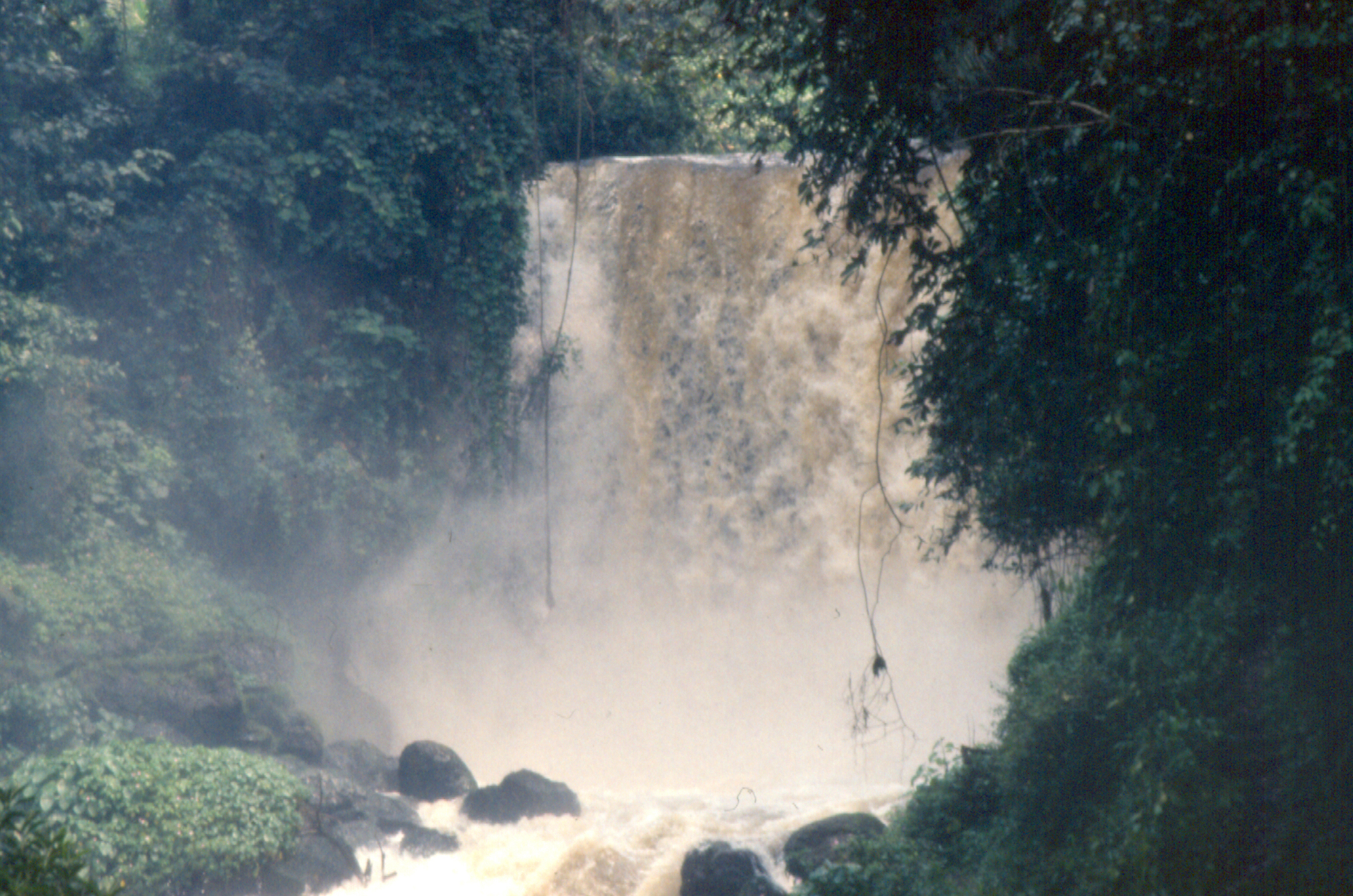
A practical example: urban/cultural foundation first, then a nature-focused extension where conditions and logistics are clear. However, this is not a current travel recommendation.
My blunt take: a focused first trip beats an overreaching one. You can always come back with a bigger radius once you understand the pace on the ground.
Days 1–4 anchor zone, Days 5–8 contrast leg, Day 9 buffer, Day 10+ departure window.
Current warning: The U.S. advises against all travel to the DRC. The ideas below are background for future research, not current route recommendations. Check official guidance before making plans.
Vibe Check: Which DR Congo Are You Here For?
Pick your core travel lane before you pick your map pins.
Urban Energy + Cultural Context
Best for travelers who want city cadence, river scale, and grounded daily structure.
Nature + Wildlife Depth
Best for conservation-minded travelers comfortable with stricter logistics and live updates.
Exploration With Tight Control
Best when you like adventure, but still protect your safety margin and timing discipline.
DR Congo in Four Seasons (Text + Icons)
Weather varies by region. However, a drier season does not change the security or health warnings.
Spring
Best for: balanced shoulder routing with fewer peak-week bottlenecks.
Summer
Best for: travelers who can manage heavier humidity and slower daytime cadence.
Autumn
Best for: structured itineraries with mixed urban and nature segments.
Winter
Best for: trip plans that prioritize stable day rhythm and pre-booked transfers.
Regional conditions can differ sharply. Plan by corridor, not by one blanket weather assumption.
Current warning: The U.S. advises against all travel to the DRC. The ideas below are background for future research, not current route recommendations. Check official guidance before making plans.
Daily Rhythm Comparison (DR Congo Edition)
Europe-series planning tool, adapted for DR Congo: pick the tempo that matches your route and risk tolerance.
Urban Anchor Rhythm
- Morning: admin tasks + practical movement while fresh.
- Midday: indoor reset, hydration, and low-friction lunch.
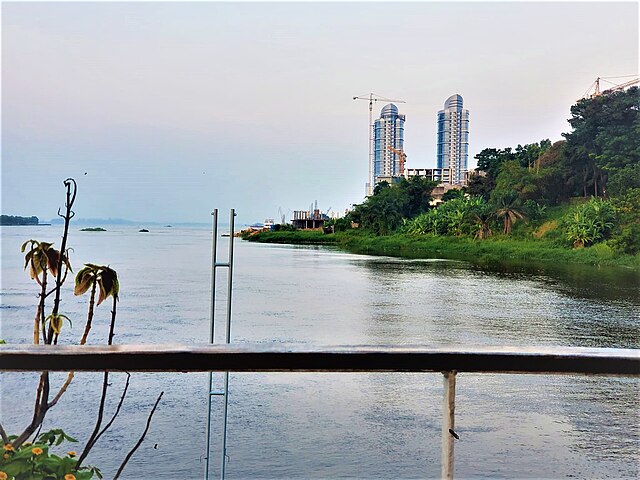
- Late afternoon: shorter city walk or river viewpoint.
- Evening: early dinner, route check for next day.
- Energy load: Low to medium.
Nature Corridor Rhythm
- Morning: primary activity block with full logistics prep.
- Midday: recovery + heat/humidity pacing.
- Late afternoon: short secondary activity window.
- Evening: gear reset + early sleep block.
- Energy load: Medium to high.
Transfer-Day Rhythm
- Morning: tickets, IDs, documents, cash split checks.
- Midday: movement block only (no heavy add-ons).
- Late afternoon: arrive, orient, and simplify.
- Evening: light meal, offline map and safety review.
- Energy load: Medium.
In DR Congo, transfer discipline is not optional—it protects your whole trip.
Current warning: The U.S. advises against all travel to the DRC. The ideas below are background for future research, not current route recommendations. Check official guidance before making plans.
Rob’s Suggestions: One Food Win + One Activity Win
Give yourself one sensory memory and one movement memory you’ll still remember a year later.
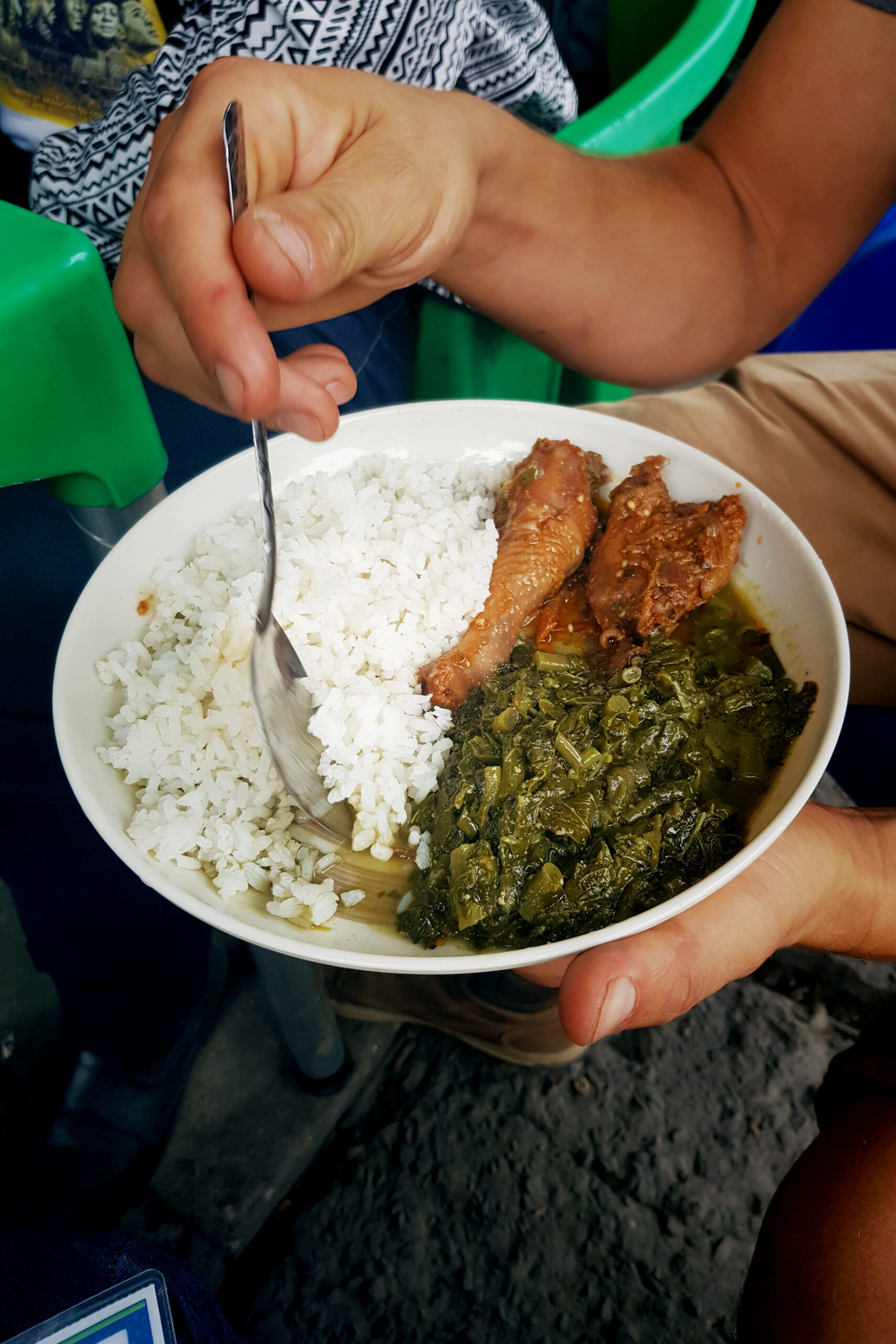
Food pick: Moambe + fufu in a calm setting
Choose one deliberate meal window and actually sit with it. Don’t treat local food like a fast side mission. That single intentional session gives cultural context faster than ten rushed stops.
The Moambe (The Stew)
The star of the show is the sauce, made from palm butter (the "moambe").
- The Base: It is made by simmering the pulp of palm oil nuts until it becomes a thick, rich, and oily red sauce.
- The Protein: It is traditionally cooked with chicken (Poulet à la Moambé), but can also feature fish or smoked meat.
- The Flavor: It’s savory, nutty, and incredibly rich. It is often simmered with garlic, onions, chili, and spinach or cassava leaves (called Saka Saka) for added texture and depth.
Fufu is the essential "utensil" for the meal.
- The Texture: It is a thick, dough-like mash. It’s dense, smooth, and slightly elastic.
- The Ingredients: It’s typically made by boiling starchy vegetables—most commonly cassava and green plantains—and pounding them into a consistent dough. In some regions, it’s made from maize or yam flour.
- How to eat it: You don't use a fork. You tear off a small piece of fufu with your right hand, roll it into a ball, make a small indentation with your thumb, and use it to scoop up the Moambe sauce and meat.
Activity pick: Guided Congo River window
A guided river session or riverside golden-hour block gives you scale, rhythm, and perspective. Keep this activity structured and daylight-friendly.
One intentional plate + one intentional activity beats overstacked days every time.
Street Smarts: Suggestions, Warnings, and Calm Rules
This is where smart planning makes the biggest difference.
Smart habits
- Keep your first route narrow and well-supported.
- Use trusted local operators for any nature or remote segment.
- Carry split cash/card backups and keep emergency reserves separate.
- Save all booking confirmations and route pins offline.
- Set fixed daily check-in moments with your travel partner/contact.
Warnings worth respecting
- Advisories can change quickly by province or corridor.
- Do not improvise high-friction areas late in the day.
- Overland timings can be longer than expected—protect buffer hours.
- Health prep is not optional; tropical conditions demand discipline.
- If a route feels unstable, simplify immediately.
In DR Congo, safety planning is part of the destination experience—not a separate checklist.
Official checks before departure
Women travelers: confidence plan
- Prioritize well-reviewed stays in active, well-lit areas.
- Run a daylight orientation walk on arrival day.
- Use verified transport options after dark.
- Share your daily movement plan with someone you trust.
Logistics Lite
Get these right once, and the whole trip runs cleaner.
Entry + visa rhythm
Start entry admin early. Rules can vary by passport and purpose of visit.
Health prep that actually matters
- Confirm vaccination requirements and carry proof docs.
- Set your malaria prevention strategy before departure.
- Pack hydration + GI backup kit for field days.
- Keep digital and printed copies of health documents.
Movement + route design
Plan based on real transfer windows and ground reliability, not map distance.
- Build all onward steps with daylight arrival targets.
- Avoid stacking high-effort activity after long transfers.
- Protect one buffer day every 4–5 active days.
Money + connectivity discipline
- Use CDF for day spend; keep a secondary reserve strategy.
- Split money storage across day-use and fallback layers.
- Download offline maps and save all major pins/screenshots.
- Track transfer-day extras—they quietly inflate budgets.
African Region Currencies (Quick Reference)
Useful if your DR Congo route continues into neighboring lanes.
North Africa
Common lane codes: MAD, DZD, TND, LYD, EGP
- Planning tip: Exchange per leg; keep fees visible.
West Africa
Common lane codes: XOF, NGN, GHS, GNF, SLE, CVE
- Planning tip: Card reliability varies sharply by country.
Central Africa
DR Congo currency: CDF
- Also common: XAF, AOA, STN.
- Planning tip: Remote corridors need stronger cash backup.
East Africa
Common lane codes: KES, TZS, UGX, ETB, RWF
- Planning tip: Mobile money strength differs by market.
Southern Africa
Regional anchor: ZAR
- Also common: BWP, NAD, LSL, SZL, ZMW, MWK, MZN.
- Planning tip: Keep one stable reserve strategy across borders.
Treat currency planning exactly like route planning: segment-by-segment, not all at once.
Current warning: The U.S. advises against all travel to the DRC. The ideas below are background for future research, not current route recommendations. Check official guidance before making plans.
Base Plans: 3 DR Congo Structures That Work
Kinshasa: Research Context
- Current warnings do not support recommending this as a leisure route.
- Strong for logistics confidence building.
- Good if you prefer controlled movement.
Additional Cities: Research Context
- For travelers wanting broader context in one trip.
- Needs stronger transfer discipline.
- Use buffer days aggressively.
Conservation: Research Context
- For experienced travelers with high flexibility.
- Current warnings apply even when an operator is available.
- Never run this plan without backup exits.
Costs: What Actually Moves the Budget
Where people overspend
- Last-minute flight and transfer changes.
- Over-stacking locations that are far apart.
- Paying premium rates for rushed logistics.
- Ignoring hidden transfer-day food/fee costs.
- Weak cash strategy forcing expensive workarounds.
How to keep it sane (USD-first mindset)
- Set daily USD targets, spend in local context.
- Book core legs early and keep selective flex.
- Plan one premium experience per main block.
- Use buffer days to avoid chaos spending.
Costs and emergency support vary. However, a focused itinerary cannot make travel safe or ensure access to medical care.
Un-Googleable DR Congo: Small Moves, Big Difference
Front-load admin every transfer morning
Document check, cash split, contact check, and route pins before breakfast saves huge stress later.
Build one “known good” food anchor each base
It cuts decision fatigue and gives your body a reliable reset point in a fast-changing day.
Plan your hard days and easy days as pairs
Alternating effort protects your judgment, not just your energy.
Protect your last 24 hours
Avoid complex repositioning right before departure unless absolutely unavoidable.
Gap Analysis: Is DR Congo Right for Your Style?
You’ll love it if…
- You enjoy high-context destinations with real scale.
- You can plan with structure and adapt as needed.
- You want nature depth plus strong travel perspective.
- You value meaningful travel over speed collecting.
Plan around it if…
- You prefer spontaneous route changes every day.
- You dislike long transfer realities.
- You want zero-friction logistics from start to finish.
DR Congo rewards disciplined travelers who trade speed for depth and structure for confidence.
DR Congo FAQs
Short answers to practical planning questions.
How many days do I need for a first DR Congo trip?
No leisure itinerary is recommended under current official advice. Therefore, consider postponing and review the full warnings before making plans.
Should I try to cover multiple distant regions in one visit?
Current U.S. advice is not to travel to the DRC. A narrow route or experienced guide does not override that advice.
What’s the biggest planning mistake people make?
Underestimating transfer complexity and overstacking daily plans.
Do I really need to monitor advisories before departure?
Yes. First, read current official advice, including health guidance and the limits of emergency assistance.
What should I confirm before flying?
Entry/visa rules, health documents, transport windows, and live advisory conditions.
Join the conversation
If you’re planning DR Congo, share your route logic and timing choices below. Your notes can help other travelers build smarter, safer plans.