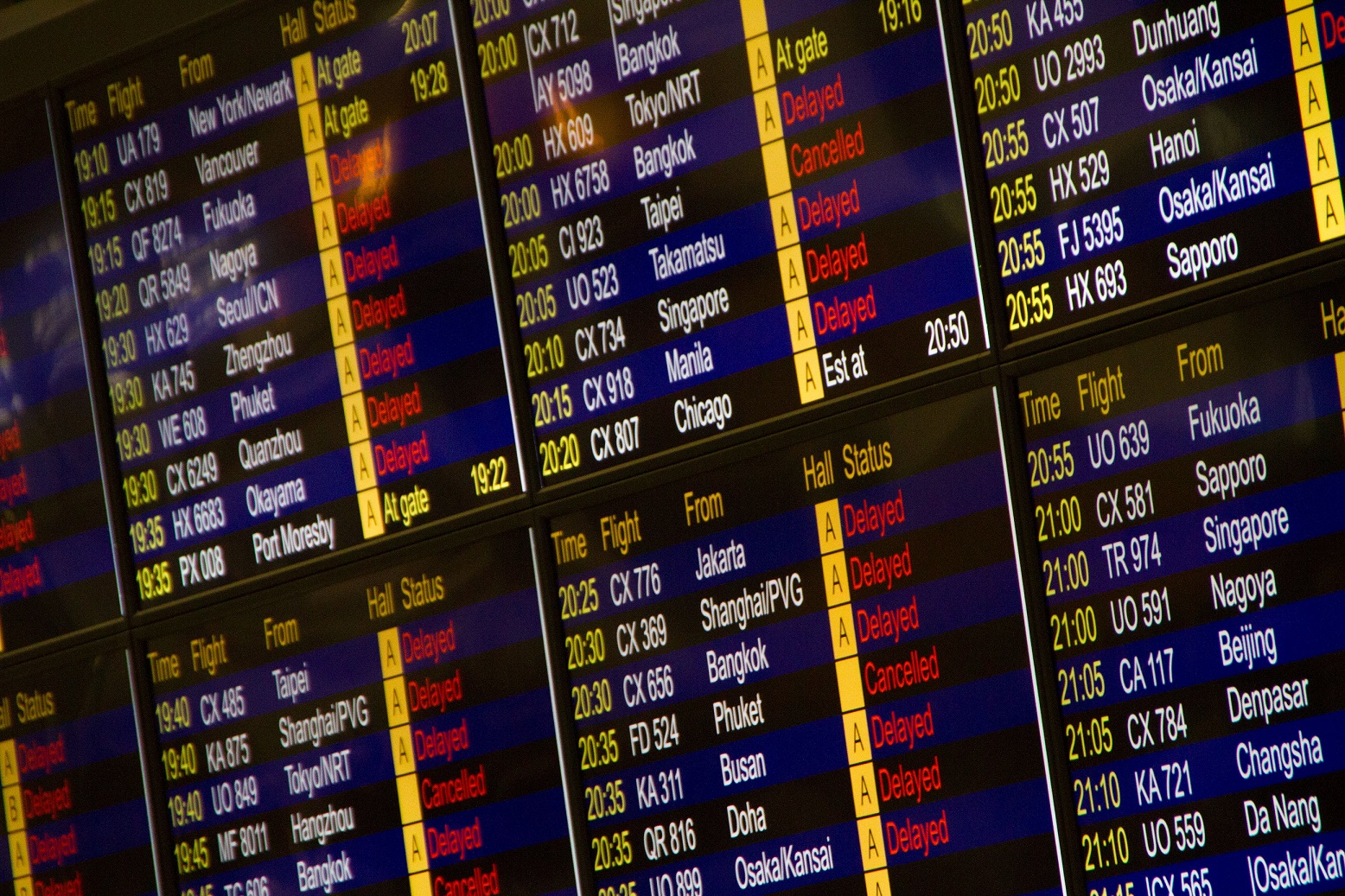
THE ART OF TRAVEL
When Travel Goes Wrong
Because sooner or later, the itinerary stops cooperating.
Flights disappear. Bags develop independent travel plans. Hotels turn out to have been photographed by somebody with an extremely imaginative relationship with reality. And sometimes the person who has gone wrong is you.
That does not mean the trip is ruined. What matters next is less about perfect planning and more about how quickly you can stop, think, solve the immediate problem and get the journey moving again.
By Rob Wheatley – Program Director & traveller · Updated 16 October 2026
The short version
When travel goes wrong, deal with the next problem, not the entire ruined-looking holiday. Get yourself safe, establish what has actually happened, ask the provider what they can do, keep records and receipts, and only then rebuild the plan. A calm Plan B usually beats an angry attempt to resurrect Plan A.
The moment the holiday brochure leaves the building
There comes a moment in almost every ambitious trip when the holiday brochure quietly leaves the building.
You know the one. The departure board changes. The platform number vanishes. Your suitcase does not appear. The receptionist looks at your booking confirmation with the expression of a person examining an ancient manuscript.
Then everybody turns to the person who supposedly knows what he is doing.
Unfortunately, that is often me.
I have spent enough of my life travelling—and enough years professionally watching other people travel—to know that experience does not give you immunity from things going wrong. If anything, it simply gives you a larger collection of things that already have.
The useful difference is that experienced travellers tend to recover faster.
That is what this article is really about.
First rule: do not solve Thursday while Tuesday is on fire
A cancelled flight has an extraordinary ability to make the human brain leap six days into the future.
We’ll miss the connection. Then the hotel. Then the tour. We’ll lose the money. Christmas is ruined. The dog will probably leave us.
Most travel problems become easier when you reduce them to the next decision.
Are you safe? What has actually changed? Who controls the immediate problem? What are your realistic alternatives?
That is enough for now.
The Five-Step Travel Recovery
① STOP
Pause first
Confirm the facts before spending money or changing everything.
② STABILISE
Protect the essentials
People, health, documents, money and communications come first.
③ SOLVE
Find the lever
Ask the provider what they can do for you now.
④ SAVE
Protect the evidence
Keep confirmations, screenshots, names, messages and receipts.
⑤ SALVAGE
Rebuild the trip
Stop resurrecting Plan A. Build the best journey available from here.
The aim is not to save Plan A at any cost. Move from reaction to control: STOP → STABILISE → SOLVE → SAVE → SALVAGE.
What usually goes wrong?
The cast is remarkably consistent: cancelled or delayed transport, missed connections, luggage that has gone exploring without you, illness, lost documents, theft, cards that suddenly stop working, accommodation failures and weather that treats your itinerary as a personal challenge.
The response, however, changes according to the problem.
Your flight, train or connection collapses
Find out what the operator is offering before buying your own replacement. Ask about rebooking, accommodation and onward travel. Rules and passenger rights differ by country and transport type, so verify them with the operator or relevant official authority rather than relying on something somebody in a queue once heard from their cousin.
Your luggage does not arrive
Report it before leaving the airport or station where possible, obtain the tracking or incident reference, and keep receipts for reasonable essentials. Also remember the great philosophical truth of checked baggage: anything you absolutely cannot manage without should probably not have been in it.
You become ill or injured
This is where bravado becomes particularly unhelpful. Get appropriate medical help, contact your insurer or assistance provider when needed, and accept that changing the trip is preferable to turning a manageable health problem into a serious one.
Your passport disappears
Report theft to local police where required and contact your embassy or consulate for the correct emergency-document process. Copies of important documents stored separately can make this considerably less painful.
The hotel is dreadful—or does not exist as advertised
Document the problem before unpacking your entire life. Speak calmly to somebody who has authority to fix it. Be precise about what is wrong and what reasonable solution you want.
For the rules that apply to your route, start with the official EU air passenger rights guide or the US Department of Transportation’s baggage guidance.

A small distinction that saves trips
Not everything deserves the same amount of panic. Decide which sort of problem you actually have before deciding how much energy it deserves.
🚨 EMERGENCY
Act immediately
Health • safety • serious injury • crime • genuinely stranded
⚠ PROBLEM
Take control
Cancellation • lost luggage • bad accommodation • missed booking • unexpected expense
☁ ANNOYANCE
Keep perspective
Rain • queues • closed attraction • bad meal • somebody reclining into your nostrils
Experienced travellers learn the difference. Save the full panic response for the situations that actually deserve it.
The expensive temptation: fixing everything immediately
Travel trouble creates urgency, and urgency has a credit-card-shaped solution.
New flight. New hotel. New train. New booking. Click. Click. Click.
Sometimes that is exactly what you need to do. But first establish what the original provider is responsible for, what your insurance requires, and what evidence you need. Otherwise you can solve the travel problem beautifully and create a financial one waiting at home.
When circumstances allow, give yourself ten minutes before making the large purchase.
The strange gift hidden inside a bad travel day
I would never recommend arranging a travel disaster for character development.
But something interesting happens when the polished version of travel falls apart. People help one another. Strangers translate. Somebody shares a charger. A station employee finds a route you did not know existed. You discover that you can cope with considerably more than you thought.
And years later, what do we remember?
Not always the museum that opened precisely on time.
We remember the night the train stopped in the middle of nowhere. The suitcase that arrived in another country. The ridiculous hotel. The person who helped. The improvised dinner. The Plan B that turned out better than Plan A.
Misfortune is not automatically meaningful. Sometimes it is simply miserable. But travel has a peculiar ability to turn disruption into perspective—and, eventually, into a very good story.
Rob’s rule: protect the trip, not the itinerary
The itinerary is only a proposal you made to the future.
The future did not sign it.
So when circumstances change, do not measure success by how faithfully you reproduce the original plan. Protect the things that actually mattered: the people travelling with you, your health, your money, your time and the reason you came.
Everything else is negotiable.
Before the next thing goes wrong
You cannot disaster-proof a journey. Nor should you try. A trip padded against every uncertainty would be remarkably safe and probably rather dull.
But you can make yourself easier to rescue.
- Keep copies of essential documents somewhere separate from the originals.
- Carry critical medication and essentials where you can reach them.
- Know how to contact your insurer and major travel providers.
- Keep some financial redundancy rather than relying on one card.
- Leave enough breathing room that one delay does not topple six bookings.
- Know which parts of the trip are fixed—and which you can happily sacrifice.
That last point is the beginning of something bigger: building a trip with a Plan B before you need one.
Next: build a Travel Plan B

Knowing how to recover is useful. Designing a journey that can absorb a bad day is even better.
Build time buffers, realistic backups and useful booking flexibility into your next trip—without planning the joy out of it.
Travel Plan B: How to Build a Trip That Can Survive Disruption →
Frequently asked questions
What should I do first when travel goes wrong?
Deal with immediate safety first. Then confirm exactly what has changed, contact the provider responsible for the disrupted service and establish your options before making expensive replacement bookings.
What documents should I keep when a trip is disrupted?
Keep booking confirmations, tickets, written cancellation or delay information, reference numbers, relevant messages and receipts for additional expenses. Requirements vary between providers and insurers.
What should I do if I lose my passport abroad?
Follow the official instructions for your nationality. This will normally involve reporting a theft where appropriate and contacting your nearest embassy or consulate about emergency travel documentation.
Can travel insurance cover a trip that goes wrong?
Potentially, but coverage depends on the policy, circumstances and exclusions. Contact the insurer or assistance service promptly and follow its claims requirements rather than assuming an expense will be reimbursed.
How can I stop one travel problem ruining the whole trip?
Solve the immediate problem first, then rebuild from your new circumstances instead of trying to reproduce the original itinerary exactly. Protect the purpose of the trip rather than every booking on the schedule.