Austria · Destination guide
Melk and the Wachau Valley: Abbeys, Apricots and Danube Views
Melk Abbey makes a very grand entrance, even when you’re the one arriving. My temptation is to give it the whole day. Then the vineyards and river villages come into view and remind me that the Wachau has other plans. Leave some time between the big interiors and the next appointment.
By Rob Wheatley · Traveller and Viking Program Director
Explore the Austria destination guide →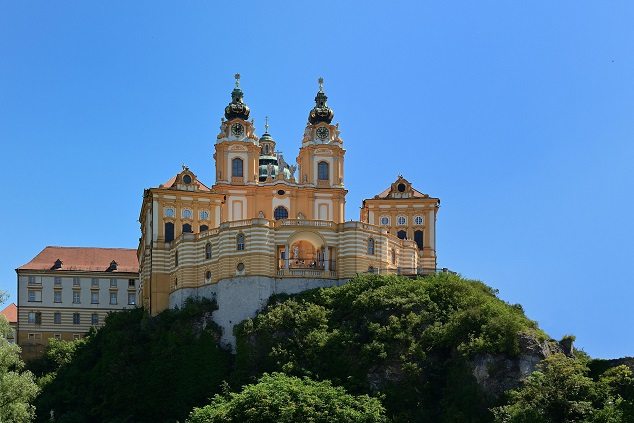
Melk & the Wachau Valley at a glance
- My starting point
- Choose a proper Melk Abbey visit and protect time for the Wachau scenery.
- If time is short
- If visiting Melk for a few hours, focus on the abbey and town. Treat Krems or Göttweig as a separate planned outing.
- Walking and access
- The abbey is above the town; village lanes and vineyard walks can add steps, slopes and uneven surfaces.
- Somewhere to pause
- Look for an apricot pastry or a regional meal. Fresh apricots are seasonal; preserved versions make a longer appearance.
Melk Abbey: go inside with time to look
The Benedictine abbey’s architecture, library and church are the main reasons to plan a visit. I’d allow space to enjoy the sequence of rooms rather than rush towards one famous photograph.
Use the abbey’s official opening and tour information. Seasonal arrangements differ, and winter visits may depend on guided tours. Follow the interior photography restrictions. You can bring the memory home without documenting every shelf.
The library rewards a slower look
The library’s decorated rooms and books provide enough fascination on their own. The visitor route covers part of a much larger collection, not every room behind the scenes.
I’d listen to the explanation and put the camera away where required. The abbey’s interior photography rules protect the setting and the visit. You can admire a remarkable room without turning it into a photography assignment.
Let the Wachau take some of the day
This is a region to experience from the river, the villages or a well-chosen land route. Vineyards and hills frame the Danube, while the settlements provide places to pause.
Independent visitors should choose a realistic section rather than attempt every village in one day. Boat services, rail connections and buses have seasonal timetables. Plan the return journey as carefully as the outward one, particularly if combining transport types.
Apricots, wine and not overcomplicating lunch
Wachau apricots are a regional speciality, with protected-origin fruit and products worth looking for. Fresh harvest and blossom are seasonal experiences; jam, pastries and spirits are different ways to enjoy the flavour.
I’d choose a tasting because I want to understand and enjoy it, rather than because the word wine appears on the itinerary. Ask about reservations and transport, and keep the tasting compatible with the rest of your day.
Krems and Göttweig: related, but not the same stop
Krems is a town at the eastern end of the Wachau area; Göttweig Abbey is a separate hilltop destination nearby. Neither should be treated as a room attached to Melk Abbey.
If Krems is your base, investigate its town streets and regional options. For Göttweig, plan the journey, visitor opening and return. With limited time, choose one abbey properly rather than two hurried introductions followed by a long discussion about coaches.
Plan Melk and the valley separately
How long: Allow half a day for Melk’s abbey and town. For several Wachau villages, give the region a full day or stay overnight. Melk and Krems are useful rail gateways, but an independent valley journey may combine trains, buses, seasonal boats or bicycles. Check each leg and its return.
Season: Apricot blossom is a spring attraction with weather-dependent timing; fresh apricots are a summer pleasure, and autumn suits vineyard scenery. I wouldn’t promise blossoms or harvest on a fixed date. Winter needs closer attention to attraction and boat schedules.
Taste: Try an apricot pastry, dumplings or jam, and look for regional white wine if you drink it. The regional tourism guide is useful for matching villages, wine taverns and the season. One village properly enjoyed beats three viewed through a transport window.
For river cruise guests
Visiting with Viking?
Included excursion: Melk Abbey is listed as included on the checked Grand European programme. This is the listing on the official programme checked for this guide; your booked sailing confirms the available version.
Optional tours and extra costs: Examples include Melk Abbey & Organ Concert, Danube Valley Wine Tasting and Dürnstein on Foot & Local Dinner. A special organ performance is not automatically part of the included abbey visit. Compare the available choices and additional charges for your sailing.
A more structured day: The published Amsterdam → Budapest sequence lists Melk, Wachau sailing and Krems together; Budapest → Amsterdam lists Wachau sailing and Melk. Do not assume identical shore arrangements. Protect your scenic-sailing time and follow the daily programme.
My suggestion: use the guided visit for context, then pick one realistic extra for any free time. Check meeting points, the ship’s location and return instructions before going independently.
Tour choices, prices and arrangements vary. Check Viking’s official excursion listing and My Viking Journey for your departure.
Explore Rob’s Viking destination collection →Keep exploring
For a wider trip, use my Austria destination guide to connect this visit with other places, transport and practical country planning.
Useful official information
Visitor and excursion information checked 7 November 2026. Use the operators’ current information for opening times, tickets and access. Viking notes are Rob’s own guidance as a Viking employee, not an official company statement.
Have a question or something to add?
Which would you make time for in the Wachau—an abbey, a village, a tasting or simply the river views?
Join the conversation below ↓