Rob’s Blog · Adventures & Misadventures
Medium Is a Lie: Eating, Listening and Not Stepping on Money in Bangkok
By Rob Wheatley
The lady at the Bangkok street stall smiled sweetly and asked, “Spicy?” I said, “Medium.” She laughed. Not a polite laugh, but the kind you hear just before a tragedy. Four minutes later I was sweating, weeping, and quite possibly in love.
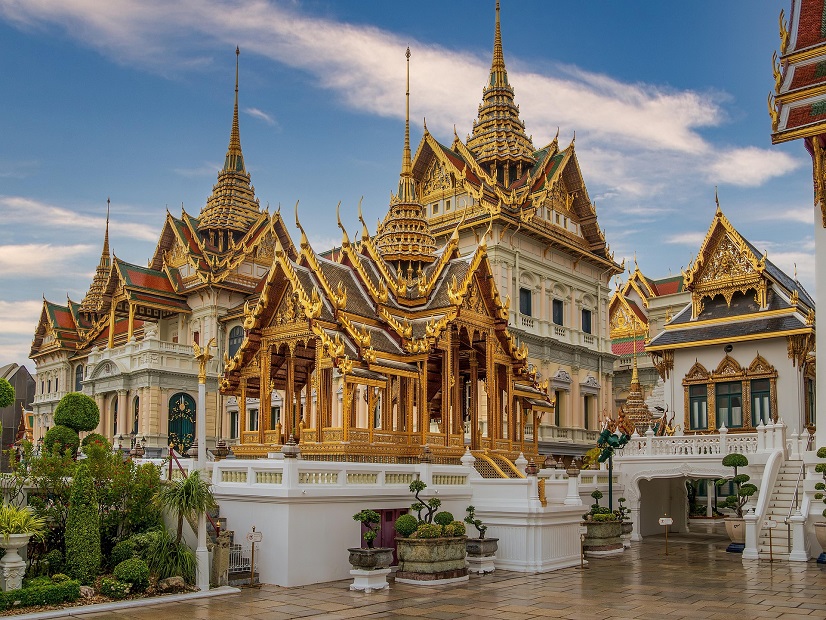
That was my welcome to Bangkok, and it set the tone for everything that followed. This is a city that doesn’t ease you in. It grabs you by the taste buds, shouts in your ear, and, as you’ll see, nearly gets your friend arrested over a banknote.
The food: crawling, refusing and devouring
Bangkok’s street food falls into three categories.
Food that looks like it should be crawling somewhere. Some of it very nearly is. Walk past the carts of fried insects and you’ll see crickets, grubs and giant water bugs stacked like bar snacks. I admired them from a respectful distance.
Food Myzen would refuse. My Husky will eat things that would worry a vet, but some of the mystery skewers and dangling items I passed would have had her sitting down, head turned, in full protest. If a Husky says no, I take it seriously.
Food I wanted to devour like a man just off a hunger strike. This is most of it. Smoky grilled pork skewers, noodles hitting a wok at ferocious heat, and mango sticky rice that should come with a warning label because it will ruin dessert for you everywhere else.
A plate of something wonderful can cost 50 to 80 baht, though prices vary by dish and stall.
Learn how to say “spicy” before you order
At home, medium is a polite suggestion. In Bangkok it’s a dare. Learn these:
- Mai phet: not spicy
- Phet nit noi: a little spicy (this is your friend)
- Phet mak: very spicy (this is how I ended up weeping)
If the heat gets away from you, I’d try a bite of sticky rice or a sip of Thai iced tea. Dignity takes longer to return.
Street food rules I’d follow again
- Follow the queue. Locals know best.
- Watch your food being cooked in front of you.
- Carry small notes, since stalls rarely love breaking big bills.
- Bring tissues. See: weeping.
The noise
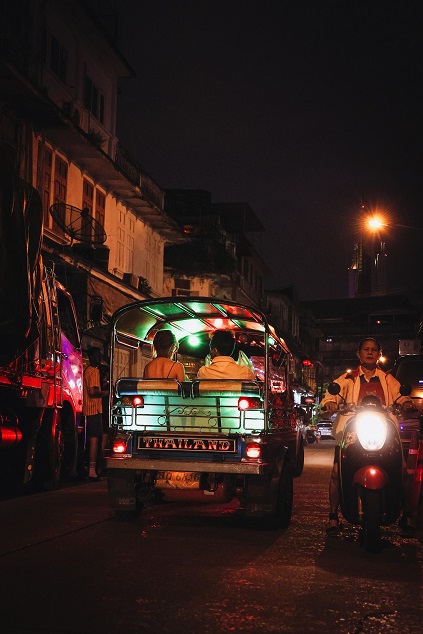
Bangkok isn’t a city, it’s a cacophony. Tuk-tuks snarl, motorbikes weave, horns argue, vendors shout, and somewhere a speaker is playing music at a volume that suggests the neighbours are deaf. I’d barely finished my first coffee and my ears were already looking for somewhere quieter.
My advice is to stop fighting it. After a day or two the noise becomes the soundtrack, and the quiet of a temple courtyard when you step out of it hits like a held breath.
The floating market: the postcard come to life
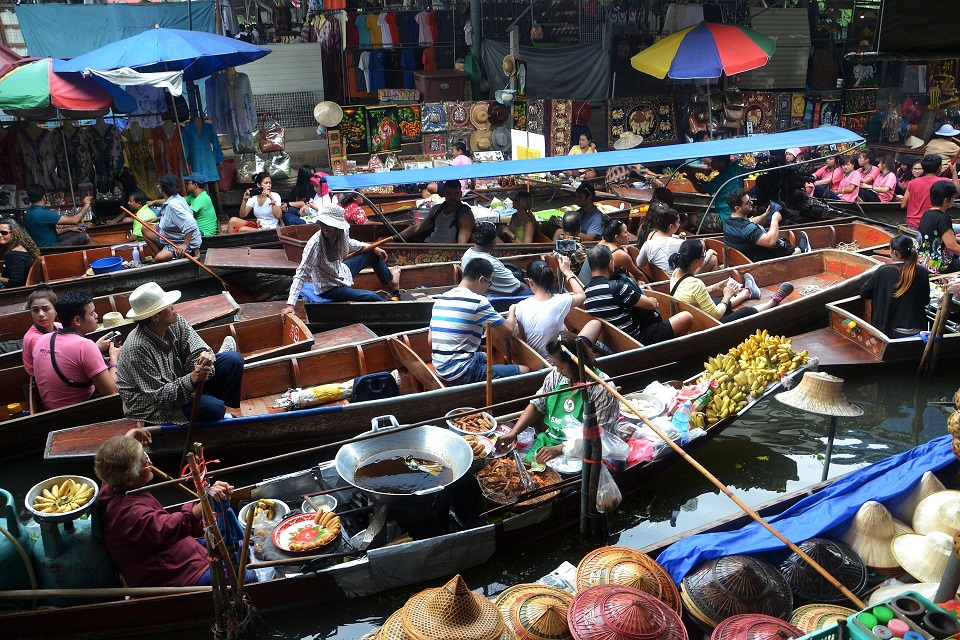
If you’ve ever seen a Thailand postcard, this is probably the floating market you pictured. Damnoen Saduak is in Ratchaburi Province, southwest of Bangkok. Allow roughly 1½ to 2 hours each way, depending on traffic and where you start. I’d treat it as a half-day outing at least.
Think narrow canals jammed with wooden boats, vendors paddling past with fruit piled high, colourful umbrellas, straw hats and a chorus of chatter. Boats weave around each other and now and then create a floating traffic jam, which, after a Bangkok taxi ride, feels almost familiar.
It’s sensory overload in the best way. The air smells of grilling food and ripe tropical fruit, bananas and mangoes especially. And you can buy your breakfast straight from the water: boat noodles (kuai tiao ruea), pad Thai made on the spot, grilled skewers, coconut desserts, mango sticky rice and cold drinks. Remember your lesson from the stall lady and say phet nit noi.
Take the boat
The boat ride is the highlight. Hire a small wooden boat. A rowing boat is quieter, while a long-tail can take you further into the side canals and orchards if that’s part of the route you agree on. You glide past the vendors, pull alongside to buy a snack, and take the classic photo of the crowded waterway. The side canals are calmer and show you the rural, orchard side of the landscape.
The stalls on the banks sell souvenirs, clothing, hats, handicrafts and paintings. Prices are aimed at tourists, so polite bargaining is part of the fun.
What I’d tell you before you go
- Go early. I’d aim for 7:00 to 9:00 AM for the best light and a chance to get there ahead of the big tour groups. The market winds down around midday.
- Choose a weekday if you can, for slightly fewer people.
- Getting there: a day tour from Bangkok often pairs it with Maeklong Railway Market, where a train runs right through the stalls. You can also arrange a car or check current bus options from the Southern Bus Terminal.
- Costs: budget separately for a boat. Ask whether the price is per person or per boat, and agree the duration, route and total price before you step in.
- Bring small notes. Twenties and fifties are handy for snacks and stalls. If one starts to blow away, grab it with your hand. More on that in a minute.
- What to bring: light clothes, shoes with good grip for stepping on and off boats, a hat, sunscreen and insect repellent. In the wet season, add a light rain jacket.
Damnoen Saduak in Thailand’s official tourism directory
The honest bit
It’s fun, photogenic and a memorable introduction to Thailand’s canal culture, especially if it’s your first floating market. It is also very tourist-oriented, and later in the morning it can feel commercial and crowded. If you want something more local and food-focused, try Amphawa on a weekend afternoon, or closer to Bangkok, Taling Chan or Khlong Lat Mayom on a weekend. Check opening times before setting off.
Go early, hop on a boat, sample the food and embrace the lively chaos, and you’ll get exactly the scene on the postcard.
The banknote incident (or: how not to star in “Busted Abroad”)
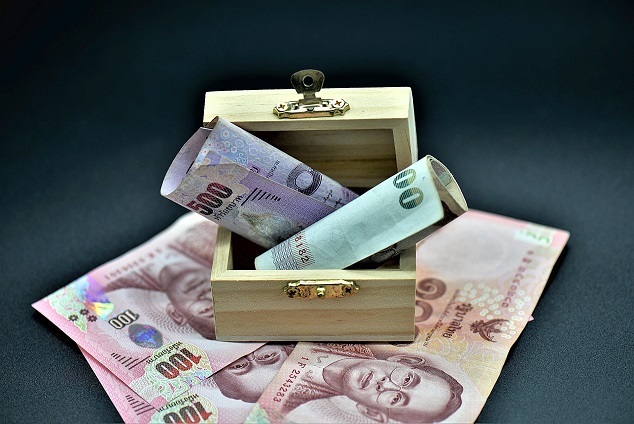
Now for the lesson that has nothing to do with chilies.
My friend Dee dropped a banknote on the pavement. A gust of wind caught it, and she did what anyone would do: she put her foot on it to stop it blowing away.
In Thailand, that is a very bad idea.
Thai banknotes carry the monarch’s portrait, and putting your foot on one can be taken as disrespectful. Thailand has strict laws protecting the monarchy. What I can tell you firsthand is what happened to Dee.
I spent a full hour negotiating with a policeman, explaining that she was only stopping the wind from stealing her money. Dee went pale. She was convinced she was about to become an episode of Busted Abroad, complete with dramatic music and a voiceover. Only when a Tourist Police officer stepped in could we get back to the touring.
The lessons are simple:
- Keep your feet off Thai money. If it blows away, use your hand if you can safely reach it.
- Treat Thai currency with respect. Don’t toss it or crumple it angrily.
- If you need help, call the Tourist Police on 1155. English-language assistance is available.
UK travel advice on Thai laws and customs · Official Thai emergency numbers
Khao San Road: the part I’d skip
Later that evening we headed for Khao San Road. It’s the famous backpacker strip, and it’s on every “must see” list, so we felt we had to go. I’m not a fan. Neither was Dee.
To me it felt grimy and sleazy, with neon, touts, cheap buckets of booze and an undercurrent that made my skin itch. Dee was very uncomfortable. A chorus of pervy eyes, like rats in a wall, tracked her down the street. I pulled her closer, we kept our heads down, and we got out of there fast.
That was the bad of it. One brushstroke doesn’t paint the whole picture, and plenty of people have a great time there. It just wasn’t for us, and if I’m honest, that evening it wasn’t comfortable for her.
A few things I’d tell any traveller:
- Trust your gut. If a place feels wrong, leave. You don’t owe the itinerary anything.
- Stay together if you’re out with someone. Keep your bag in front of you in a crowd.
- Don’t let the touts steer you. A firm “no, thank you” and a steady walk works better than stopping to explain.
The Bangkok that surprised us
The good news is that Bangkok is enormous and varied, and we didn’t have to go far. A short distance away we found a much calmer neighbourhood. In Pathum Wan we found a rooftop bar, with the city glittering below and a cocktail in hand. The noise was still down there somewhere, but up on the roof it became a distant hum.
I wish I could remember the name of the place, but I can’t. What I can tell you is how to find your own: ask the reception staff at your hotel or the landlord of your B&B. They know the neighbourhoods locals love, and there are many of them. Ask for somewhere with a view, a relaxed atmosphere and good food, and tell them what you want to avoid.
Why I’d go back tomorrow
The chilies burned, the noise rattled my ears, my friend nearly met the law over a banknote, and one street made my skin crawl. Bangkok has a bad side and a beautiful one, and the trick is knowing how to find the second. I came for the food and left with a respect for a country that takes its traditions seriously, even when it looks like chaos.
I’d still ask for phet nit noi this time.
What caught you off guard in Bangkok?
A street stall, a local custom or somewhere you’d go back to tomorrow? I’d love to hear about it.