Free Spirit Travel · Los Angeles
Los Angeles: The City That Refuses to Arrive
Los Angeles does not welcome you. It keeps you moving.
You can drive for an hour and still be nowhere. Even after a decade, you can still feel like you just arrived. The freeways never empty, the skyline never settles, the dream never quite lands. This is a city built on the promise of arrival—fame, fortune, reinvention, the perfect light—yet it survives by ensuring that promise stays just out of reach. Los Angeles is not a destination. It is the long, glittering refusal of one.
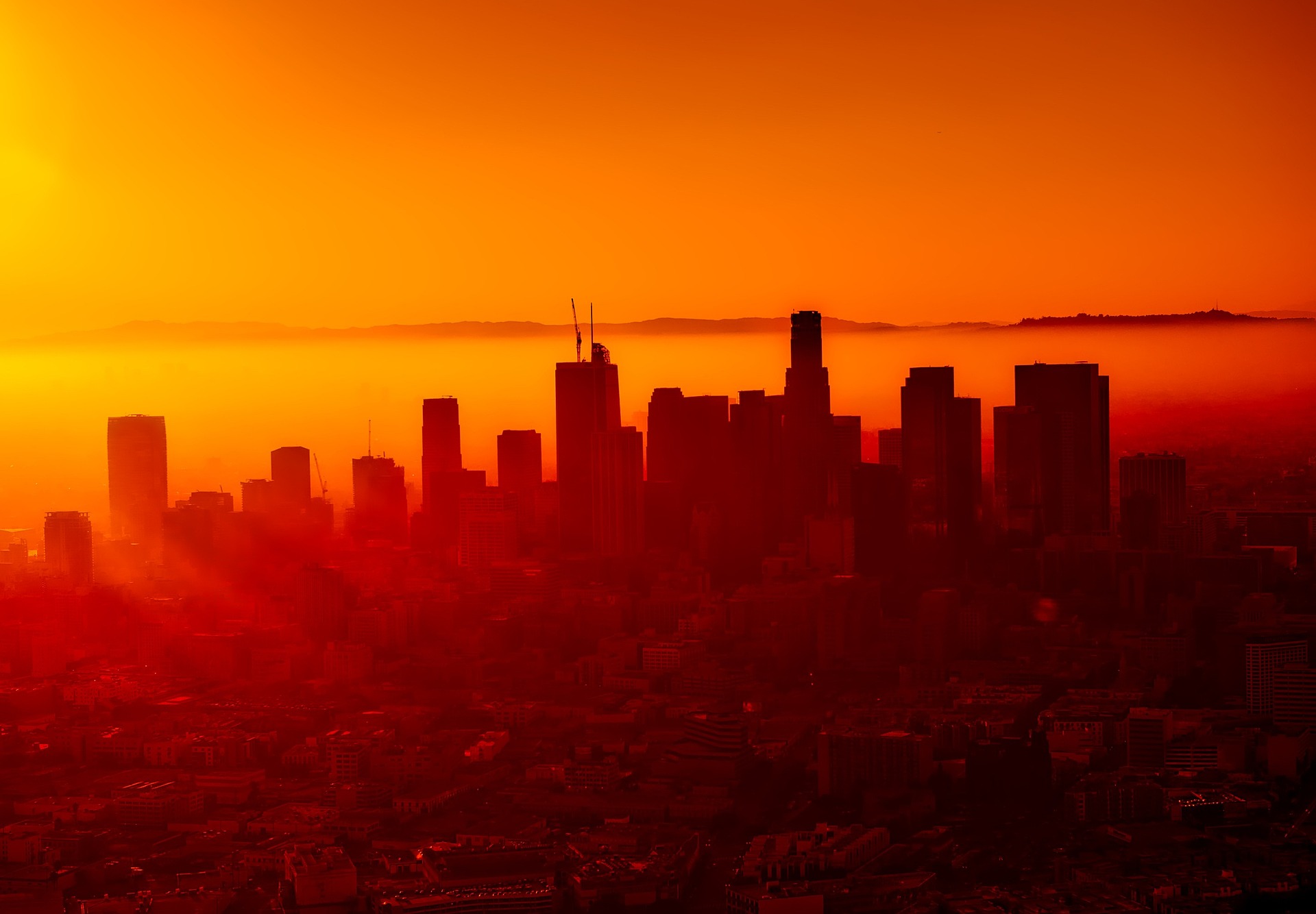
Arrival at LAX
We step out of LAX into warm air and brace for a skyline. It doesn’t come.
A flat grey shimmer, a line of palms, a car park with its own weather system. Only after forty minutes on the road do we begin to understand. Hong Kong goes up. Los Angeles goes sideways and pretends that was always the plan.
Trina, who’s flown four hours south to be told this is summer, says it’s the flattest city she’s ever seen with this many hills in it.
The air smells of hot asphalt, jasmine and brake pads. A man in a Dodgers cap reverses out of a driveway without turning his head, and the whole street swerves around him.
I come expecting to be mildly rude about the place, the way you are about a cousin who keeps posting about his acting career. By day two, though, I’ve stopped. The myths are load-bearing, and the city knows it.
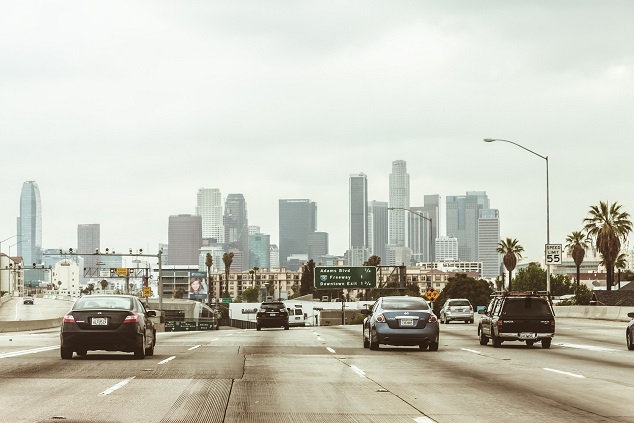
Downtown is where the city keeps its receipts
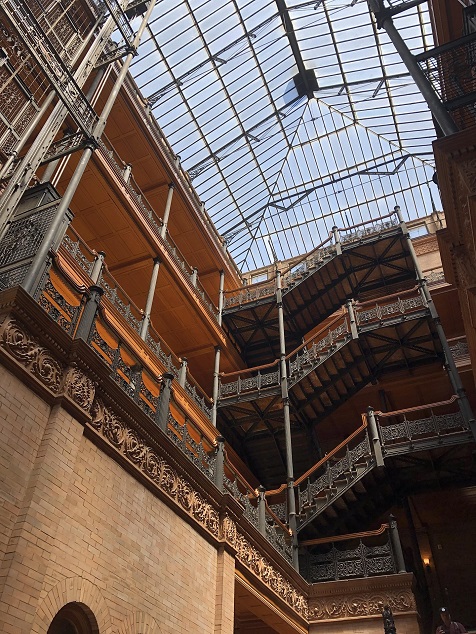
We walk into the Bradbury Building on a weekday morning. The lobby’s open and nobody stops us. Light falls through the glass roof, past five storeys of iron walkways and birdcage lifts. In that light, even the security guard’s desk looks like a film set.
Across Broadway at Grand Central Market, we order something I can’t pronounce. The woman behind the counter asks if we want it with everything. We say yes, because that’s always the right answer.
Then we ride Angels Flight up Bunker Hill and spend ninety seconds feeling historically transported before the coffee arrives and ruins the mood.
Griffith Park and the sign that outlived its advert
The observatory is free. Free. In this town. Even the lawn at sunset costs nothing.
As the sun goes down, we watch the basin go amber, then pink, then electric blue. The grid switches on street by street, like a circuit board somebody forgot to switch off.
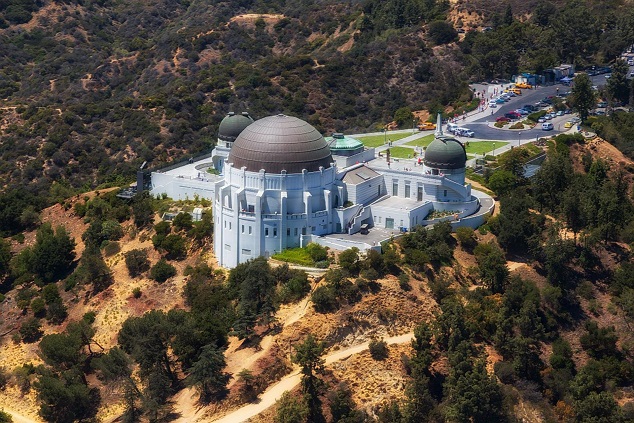
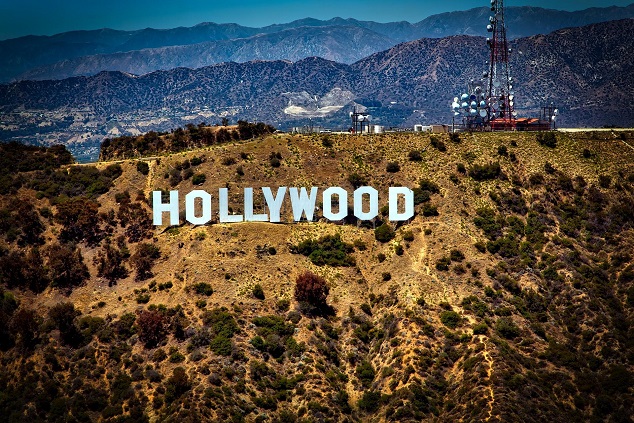
Up here you can see the Hollywood Sign. Originally, it was a real estate ad. Somehow, it outlived the thing it was selling. Even so, Trina declines to photograph it. She’s seen the logo on a thousand coffee cups and would rather look at the actual city.
I’d book near the part of town where I want to finish the day. Hollywood works for a film-heavy visit, Downtown for museums and rail connections, and Santa Monica for mornings by the ocean. Compare Koreatown if dinner is a big part of your plans. Check the exact walk to the station, or add hotel parking to the room price if you’re driving.
Where should I stay in Los Angeles?
Pick up to two priorities and compare three neighborhoods before you book.
I paid $39 to look at a wall
Which brings me, in a moment of weakness I fully own, to the star homes tour.
I pay $39 for two hours in an open-air van because I’ve decided to find the cheesiest experience in Los Angeles and submit to it entirely. Trina books it with me, then spends the entire queue telling me what a mistake this is.
Plastic benches for seats. The microphone clicks. Overhead, a canopy lets in exactly enough sun to make everyone look guilty.
And off we go to look at gates.
Two hours of gates, hedges and guesswork
A gate, a hedge, a wall with a camera on it. Then a story about who lives behind it, or used to, or was photographed coming out of it in 1998. The guide announces the home of a very famous actor. Twenty-four heads rotate like sunflowers. Someone asks which actor. Four people quietly google him.
The embarrassing part is how much I love it. Completely and without irony. The guide has timing and just enough spite to keep the thing alive.
Meanwhile, Trina sinks into her seat. By the third gate, she’s considering telling the guide we’re Canadian. At the fifth, she asks him a question in that very polite Seattle voice that means someone is about to be corrected about municipal zoning. Fortunately, he handles it well. She lets him live.
I ask if she wants to get off. Absolutely not. She’s seeing this through.
Two hours of pure cheese, and I got exactly what I paid for. Trina got a small national humiliation and a story she’ll tell for a decade. In fairness, we both did well.
Rodeo Drive and a very good door
Then, because I’m thorough about my own humiliation, we go to Rodeo Drive.
I’d rather have my teeth cleaned. To save on parking, we leave the car four streets away and walk past palms that were clearly installed by someone with a spreadsheet.
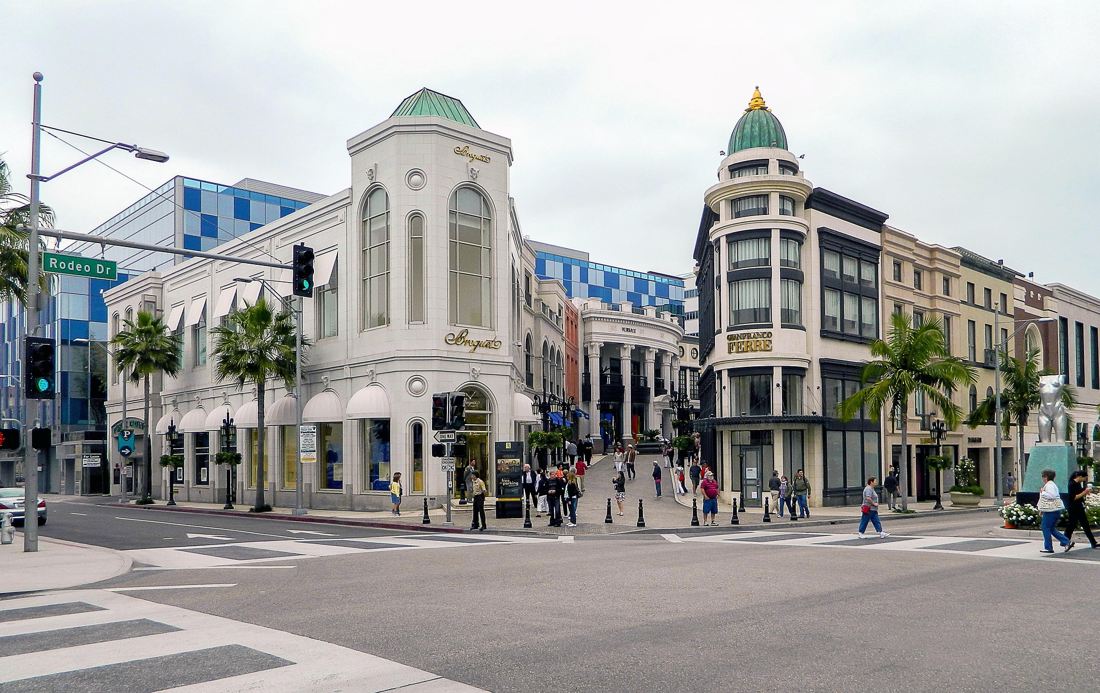
From the right angle it’s beautiful, the way a film set is beautiful. Inside, every shop is beige, enormous and lit like a hospital for very rich people.
A woman in one of them looks at me the way a bouncer looks at a man reading the menu. I look at a handbag with a price that could cover a bond, and I do the arithmetic twice, hoping to be wrong.
The people are better than the shops
A couple waits to photograph each other in front of a white wall that four other couples have already photographed each other in front of.
A man passes a fountain four times with his phone at chest height. Somebody films a coffee cup. A woman changes outfits in a parking garage. I respect the commitment.
They’re looking at the version of themselves looking at Rodeo Drive. Twenty minutes later I’ve started composing a shot of the pink Beverly Hills Hotel up on Sunset Boulevard. By then my phone is out. Trina says nothing at all, which is worse than anything she could have said. I photograph a door.
It’s a very good door. I post it that night.
The Getty and the trip south to Watts
We go to the Getty twice because once isn’t enough. Admission is free, although parking costs extra. From there, the tram takes you up the hill.
The manuscripts are worth the trip. Meanwhile, the view is worth the argument you’ll have with yourself about whether you actually like Los Angeles.
Getty Center reservations and parking
Watts Towers and one man’s town
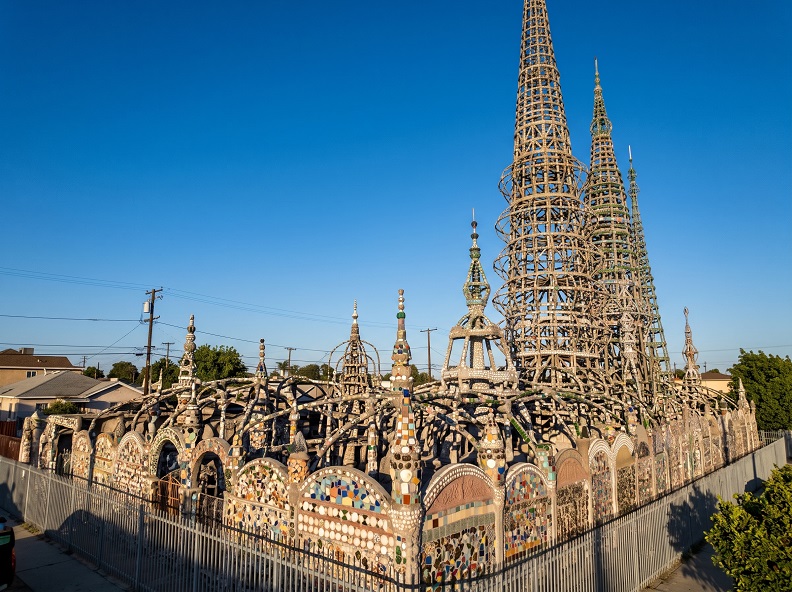
Then we drive south to Watts on a Tuesday, because we want to. For thirty-three years, Sabato Rodia built towers out of steel and mortar and decorated them with broken bottles and tiles. He called the place Nuestro Pueblo, our town. In the end, he walked away and never came back.
It’s the most moving thing in the city, and almost nobody I know has been.
How I’d plan a first visit
- Day one: Downtown. Start with the Bradbury Building and Grand Central Market, then take Angels Flight up toward Bunker Hill.
- Day two: Hollywood and Griffith Park. If the Walk of Fame is on your list, start there and leave the afternoon for Griffith Observatory.
- Day three: Pick your west-side day. Choose Santa Monica and Venice for the coast or the Getty Center and Beverly Hills for art and architecture. With a fourth day, give Watts its own outing or take the option you skipped.
Getting around without spending the day in traffic
I’d rent a car for canyon roads or a string of stops far from rail. For the coast, the E Line connects Downtown with Santa Monica. The D Line reaches Wilshire/La Cienega. From LAX, check the current terminal shuttle and Metro connection before setting off. Finally, I’d price hotel parking before deciding how much of the trip needs a car.
One thing I won’t joke about. The Palisades and Eaton fires of January 2025 took whole neighbourhoods. Rebuilding takes time. Check trail and beach closures before you head into the Santa Monica Mountains, and put your money where people are still finding their feet.
The last look
On our last night we drive back to Griffith. A man sells glow sticks nobody needs yet. A girl in a rented dress has her photograph taken against the skyline, then walks back to the car in flat shoes.
Trina stands at the railing for a long time. Eventually, she says it’s a good view. I decide against pointing out that she’s just paid Los Angeles the highest compliment available in her dialect.
I came for a skyline and got a place that refuses to be seen in one go. Even so, I was already thinking about what I’d see the next time.
Los Angeles will sell you anything, including the feeling that you’re above it. I bought both, and I’d buy them again.
Questions before your Los Angeles trip
How many days do I need for a first visit?
I’d allow three full days for Hollywood and Griffith Park, Downtown and the coast. Add a fourth if you want a studio visit, Beverly Hills or a longer beach day.
Can I visit Los Angeles without renting a car?
Yes, if you choose your base and itinerary around rail and bus routes. Check the last leg of each trip as well as the train ride. I’d budget for an occasional rideshare if the route home late in the evening involves several changes.
Can I see the Hollywood Sign without hiking?
Yes. Griffith Observatory is a useful viewpoint, and you can combine it with an observatory visit. Check the weather and visibility before you go.
Which stops should I check or book ahead?
Check Getty Center reservations, Griffith planetarium tickets and current Watts Towers tour access before you set out. Leave room between fixed bookings for the journey and the walk from the station or parking lot.