The Caribbean · Turks and Caicos
Turks and Caicos travel guide: choose your island, then your beach
Grace Bay may have started the daydream. Before you book Turks and Caicos, add dinner, transfers and outings to the room price and see whether you still like the view. My Turks and Caicos travel guide compares Providenciales with quieter island stays, so the place and the full cost suit the week you want.
By Rob Wheatley
Practical information checked 31 October 2026
Rob’s take
A beach holiday can be gloriously uneventful. Give the budget a proper look first, then you can enjoy doing very little without mentally recalculating tomorrow’s bill. Ask what’s walkable from the property and what requires a ride. That answer matters every evening.
Which island should you choose?
Start with the island before the room. Providenciales, Grand Turk and the quieter islands offer different stays. Then confirm the complete journey, including any flight or ferry connection.
Providenciales: the usual starting point
Often shortened to “Provo”, this is where I’d begin comparing resort stays, beach bases and dining options. However, the neighbourhood still matters.
The trade-off: convenient accommodation can carry a substantial bill. First, compare what you’ll actually use.
Grand Turk: investigate a different stay
Consider it if the capital island and its history are the reason for your visit. Then compare accommodation and onward flights around those interests.
The trade-off: a cruise call and an overnight stay need different plans. Also, don’t assume your international flight lands on the island you want.
North Caicos and beyond
Look at the quieter islands when you want a stay shaped around their particular landscape and pace. However, check accommodation, meals and local transport before committing.
A ferry can be part of the journey to North Caicos. Then you still need a useful plan after reaching the dock.
Where should you stay on Providenciales?
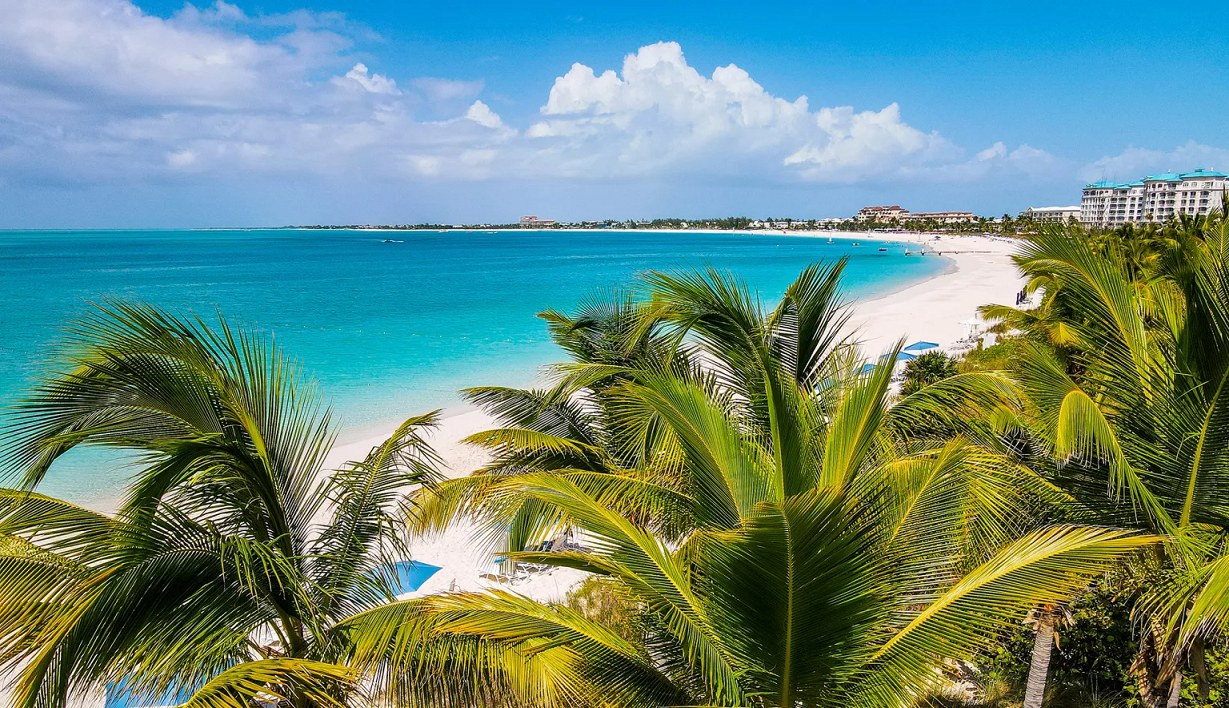
Grace Bay: investigate convenience
I’d start here if a beach-focused stay with dining nearby appeals. First, check the property’s exact address, beach access and walking routes.
The compromise: “Grace Bay area” is less useful than the distance to the things you want. Then establish what’s included in the final price.
Long Bay: check the activity fit
Investigate this area for a different coastal setting and water-sports interests. However, compare the actual conditions and facilities for your intended activity.
The compromise: a good setting for wind sports doesn’t automatically suit every swimmer. Also, check transport to meals and other beaches.
Look beyond the room
A street view is useful holiday research too. First, check where you’ll find meals, shops and transport. Then compare the walk with the route shown on the map.
The practical surroundings may never make the hotel’s hero photograph. However, they can make an ordinary day considerably easier.

Is Turks and Caicos expensive?
I’d approach this as a destination where the whole-trip price needs checking early. First, compare the same dates and room standard; then add the supporting cast.
- The room: final taxes, fees and any cleaning charge.
- Food: meals, drinks and what is actually included.
- Transport: airport transfers, taxis or car hire.
- Activities: boats, equipment, guides and admission.
- Connections: flights or ferries for extra islands.
Also, price a realistic grocery shop if self-catering is part of the saving. A kitchen is useful, but it doesn’t fill itself out of gratitude.
The U.S. dollar is the official currency. However, a familiar currency does not make the holiday budget familiar.
All-inclusive, hotel or self-catering?
For a largely resort-based stay
First, compare meals, drinks, airport transfers and activities. Then read the exclusions before deciding that a package has settled the budget.
Also, check whether the accommodation suits everyone’s priorities, including children’s needs, accessibility and room layout.
For meals and outings beyond the property
Compare an independent stay with the days you want to have. However, include the cost of reaching restaurants, shops and beaches.
Then make room for meals out in the budget. Paying for an unused included dinner can take the shine off an excellent alternative.
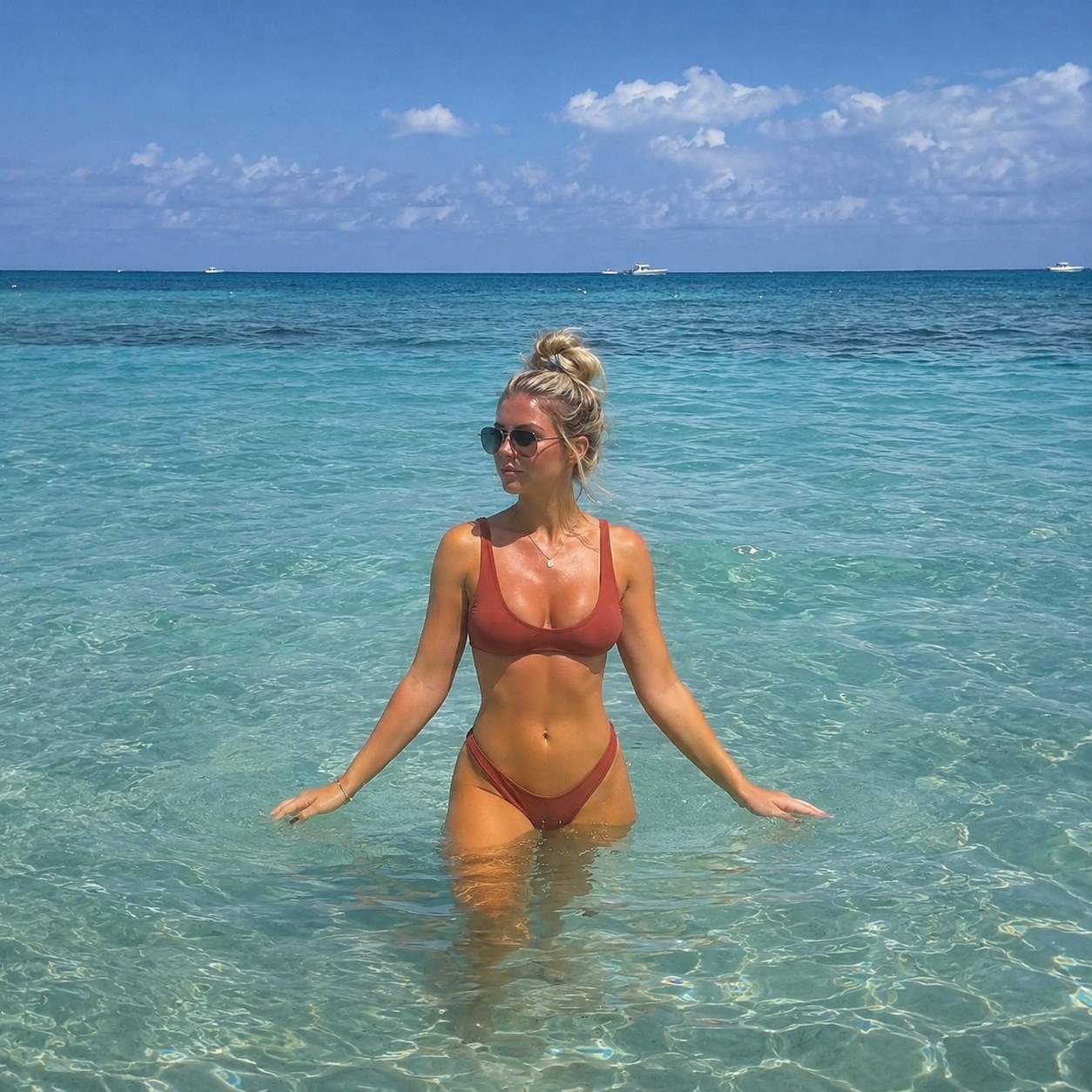
Swimming, shore snorkelling or a boat trip?
These are different holiday choices. First, establish what is possible at your actual beach. Then ask about the entry, currents, supervision and conditions on the day.
A swimming day
Check local advice, marked swimming areas and boat traffic. Also, consider shade, toilets and how easily everyone can enter and leave the water.
However, clear turquoise water is not a safety assessment. Make the decision with current information.
A snorkelling or diving outing
The Bight Reef and Smith’s Reef are shore-access sites to investigate. Then discuss conditions and suitable access with a knowledgeable operator.
For a boat trip, ask about group size, flotation, equipment and help for less confident swimmers. Also, check what happens if conditions change.
Keep clear of boat lanes, avoid touching coral and don’t feed or disturb wildlife. Then leave shells and other natural material where they belong.
Environment and coastal guidance ↗ · Marine park and snorkelling etiquette ↗
Leave time simply to enjoy the water
A boat trip can be wonderful. So can an afternoon without a departure time.
First, choose a suitable swimming spot and check conditions. Then give yourself permission to stop organising things. The sea is quite capable of providing the entertainment.
Do you need a car?
First, compare the cost of transfers and planned outings with a rental. Then ask about the actual routes around your chosen property.
The U.S. guidance reports no public transportation and no Uber or Lyft. So arrange transport rather than assuming an app or bus will solve the evening.
For taxis, agree the fare before boarding. Also, check the complete rental cost, insurance and current driving requirements if hiring a car.
Should you add another island?
Only if the extra journey adds something you particularly want. A short ferry or flight is still part of a longer day with transfers, check-in and a return to organise.
For North Caicos, confirm the current ferry schedule and both ends of the journey. Then book suitable local transport or a guided outing rather than arriving with an optimistic map.
For Grand Turk, investigate the flight connection. Also, allow a sensible buffer before an onward international departure.
Leave some room for local food
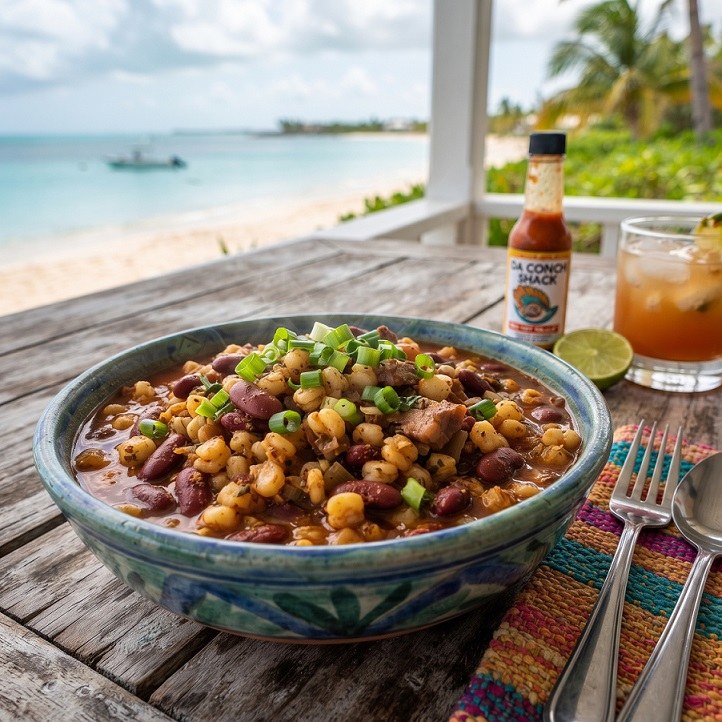
Give a local menu some attention alongside the resort options. Traditional food includes dishes using conch, fish, peas and rice, and hominy.
First, ask what the kitchen is serving and how it is prepared. Then check ingredients if allergies or dietary requirements matter.
I’m quite happy for lunch to become part of the day’s exploring. However, I’d rather discover one good meal than spend the afternoon collecting restaurant pins I’ll never use.
Make room for the people and culture
The beach may bring you here. However, leave a little curiosity for the people, dress, music and everyday life beyond the resort.
If a cultural event or performance interests you, ask what is taking place during your stay. Then check the arrangements and give it proper attention.
Also, ask before taking someone’s portrait. A friendly conversation is a much better opening than arriving with a phone already raised.

Do you need a passport or visa?
U.S. citizens flying here need a valid passport. First, check the current Border Force requirements for your nationality, travel document, route and intended stay.
Visa rules depend on your circumstances. Also, confirm onward travel and any supporting documents before departure rather than borrowing another traveller’s checklist.
Then check your airline’s document requirements. A saved booking and permission to enter are separate parts of the plan.
Border Force entry requirements ↗ · U.S. traveller information ↗
What safety checks matter?
The current U.S. advisory is Level 2: exercise increased caution due to crime. It notes that most crime occurs on Providenciales.
So secure valuables, use reputable transport and avoid isolated or poorly lit places at night. Also, discuss your exact area with your accommodation.
The advisory highlights strict firearms and ammunition rules. Check every travel bag for forgotten items before packing.
Then confirm medical and evacuation cover, especially for activities or stays away from the main islands.
When should you visit?
First, match your dates to the trip you want and compare the complete price. Then check the cancellation terms before choosing a tempting rate.
Atlantic hurricane season runs from June through November. However, weather and sea conditions can affect plans outside a named storm, too.
Also, keep some flexibility around boat trips and island connections. I’d rather move an outing than spend the day arguing with the forecast.
How long should you allow?
Three or four nights
I’d keep one island base, enjoy the beach and choose one main outing. Then protect some proper time to settle in.
However, resist adding another island simply because it fits in a spreadsheet. The spreadsheet won’t be carrying your bag.
Five to seven nights
Use the extra time for beach days, meals and a few selected outings. Also, leave a flexible day for conditions or doing very little.
For a cruise call, choose a smaller plan and protect the ship’s return deadline. Then add a dependable transport buffer.
Sources and details to recheck
My perspective draws on years cruising and sailing around the Caribbean. Official sources support the practical information here. However, rules, access, services and conditions can change.
What’s your Turks and Caicos plan?
A Grace Bay stay, a quieter island or a cruise day on Grand Turk? Share your plans or a useful lesson. Particularly helpful advice on the real cost of a day is welcome.
Back to top ↑