MIDDLE EAST LANE
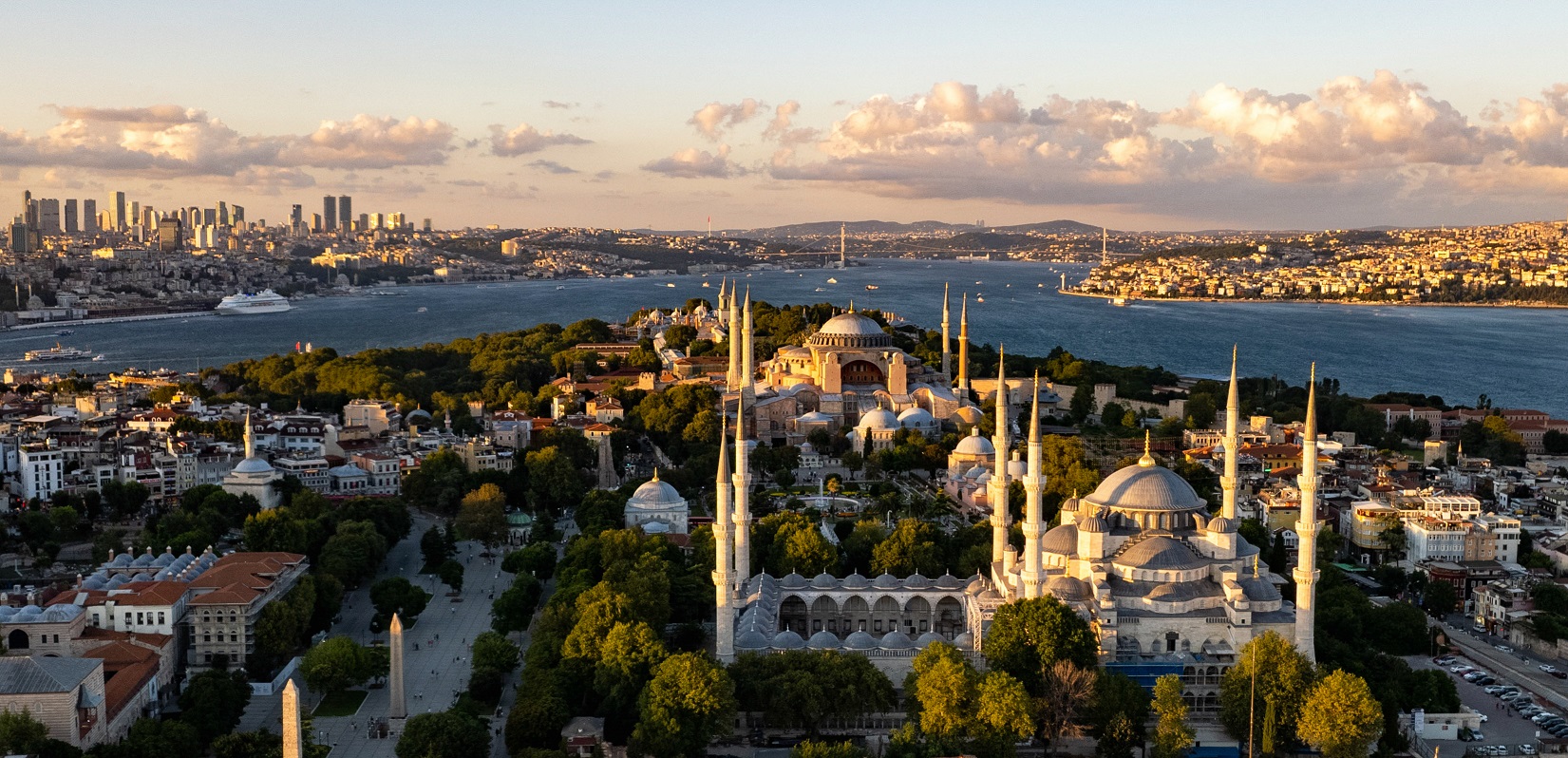
Turkey Travel Guide: Istanbul Energy, Cappadocia Wonder, Aegean Reset — Without Route Burnout
Turkey can feel like several trips in one: imperial-city depth, inland landscapes, Mediterranean rhythm, and layered food culture. The key is sequencing, not speed.
My planning rule: one urban anchor, one landscape contrast, and one recovery lane. That gives you depth and breathing room.
For most first-time routes, I’d structure Istanbul + Cappadocia or Aegean coast first, then add one optional extension instead of stacking everything.
At a Glance (60-Second Scan)
Turkey works best when you combine city depth with one contrasting landscape lane and protect recovery windows.
- Best first move: Use Istanbul as your orientation base for 3–4 nights.
- Settle jet lag before interior transfers
- Calibrate to rhythm, currency, food before moving
- Front-load must-sees (Hagia Sophia, Grand Bazaar) while fresh
- Ideal first trip: 9–13 days gives proper depth and pacing.
- Istanbul (3–4) + Cappadocia (3) + Aegean coast (3–4) = balanced triangle
- Or Istanbul (4) + single region deep dive (5–6 days)
- Anything under 7 days forces surface skimming
- Classic mistake: Trying Istanbul + Cappadocia + Aegean + Antalya + East all in one short trip.
- Creates airport fatigue and hotel churn
- Kills spontaneity and meal rhythm
- Turns highlights into checkboxes
- Big win: Pair every heavy transfer with a lighter day.
- My rule: “One headline experience per day” keeps quality high.
Turkey rewards route logic. If you over-stack regions, you spend your trip in transit mode.
- Turkey has strong contrasts between big-city, coast, and interior routes.
- Intercity flights and rail can reduce friction if timed well.
- Food and neighborhood time are part of the experience, not “filler.”
- A slower final leg usually leaves people with better trip memories.
60-Second Fit Check
- Ideal style: Culture + food + history + scenery.
- Energy level: Medium to high (depending on region count).
- First-timer friendly: Yes, if your route is realistic.
- Budget vibe: Flexible; biggest swings come from transport cadence and hotel tier.
- Transport spine: Flight + rail + targeted local transfers.

The Turkey That Clicks: One City Anchor, One Contrast Region, One Reset
The clean structure I keep coming back to is: Istanbul anchor + one contrast region + one reset window.
Contrast can mean Cappadocia’s terrain, the Aegean archaeological/coastal lane, or a Mediterranean rhythm. You don’t need all three on a short first trip.
Reset matters. After dense museum or site days, your attention needs recovery. A slower coastal day, a ferry day, or a neighborhood-only day keeps the trip feeling lived, not rushed.
My blunt take: Turkey is not a checklist destination. It’s a rhythm destination. Build that rhythm, and the whole trip improves.
4 nights Istanbul, 3 nights Cappadocia (or 4 nights Aegean lane), then 2–3 slower nights to finish.

Daily Rhythm Comparison: Pick the Pace Before You Book
This one decision usually determines whether your Turkey trip feels smooth or frantic.
Fast Track
- 4+ regions in one trip window.
- Frequent hotel switches.
- High “I saw it” score, lower absorption.
Balanced Route
- 2 major regions + 1 softer buffer.
- Transit spaced with recovery blocks.
- Best first-trip blend of depth + energy.
Slow Style
- 1 anchor city + 1 nearby contrast.
- Longer stays, fewer transport days.
- Ideal for food, neighborhoods, and creative travel days.
Vibe Check: Which Turkey Are You Actually Chasing?
Pick your dominant lane, then build your route around it.
City + Culture
Istanbul districts, mosques, museums, ferry views, and layered food scenes.
Landscape + Wonder
Cappadocia terrain, sunrise windows, and high-contrast inland experiences.
Coast + Recovery
Aegean/Mediterranean pace, site-and-sea pairing, and lower-friction days.
Turkey in Four Seasons
Season choice changes route quality more than people think.
Spring
Best for: broad route flexibility and balanced sightseeing days.
Summer
Best for: coast-heavy itineraries with heat-aware inland planning.
Autumn
Best for: cultural + coastal combinations with steadier pacing.
Winter
Best for: city-depth travel, lower crowds in many lanes, and slower rhythm.
Turkey is multi-climate. Always check conditions by region, not just by country.

Rob’s Choice: One Ferry Morning + One Real Breakfast
If you do these once, your Turkey trip feels more human and less checklist.
.jpg)
Activity pick: Early Bosphorus ferry run
Go early once. You get softer light, cleaner city orientation, and a calm reset before denser site windows.
Food pick: Proper Turkish breakfast lane
Sit down for it. Don’t rush. A real breakfast becomes both cultural experience and energy strategy for a long day.
One movement memory + one food memory gives your route emotional structure, not just map structure.
Safety: Suggestions, Warnings, and Practical Street Rules
Keep this dynamic and route-specific. Recheck just before departure.
Smart habits
- Use reputable operators for long-distance transfers and tours.
- Keep low-profile cash handling in dense market/transit zones.
- Store passport copy + booking data offline.
- Use daylight for first-time neighborhood orientation walks.
- Double-check meeting points and pickup details on transfer days.
Warnings worth respecting
- Regional conditions can differ—country-level summaries are not enough.
- Avoid late isolated routes in unfamiliar districts.
- Transit fatigue creates mistakes; plan rest into route design.
- Watch weather/sea conditions when building coastal days.
- Reconfirm advisories before intercity legs, not only before departure.
Most travel problems are rhythm problems. Good pacing is a safety tool.
Official checks before departure
Women travelers: confidence plan
- Choose well-reviewed stays in active, well-connected districts.
- Do a short daylight recon on arrival day.
- Use registered transport and share live route details when needed.
- Move quickly to busier spaces if any interaction feels off.
Logistics Lite
Lock these early and your route runs cleaner.
Entry + visa rhythm
Visa rules vary by passport. Verify your specific status before non-refundable bookings.
Transport backbone
Use flight/rail for the long legs, then local transfers for precision.
Money + payments
Turkey uses TRY. Card acceptance is broad in many formal businesses, while cash still matters in day-to-day local contexts.
- Carry smaller denominations for local purchases and transport edges.
- Split cash/card reserves across bags.
- Track ATM and FX fees to protect your daily budget lane.
Connectivity + maps
- Download offline maps by district and intercity leg.
- Save accommodation pins in both map and notes apps.
- Screenshot tickets and transfer details for low-signal moments.
Middle East Currency Snapshot
Useful if you’re pairing Turkey with nearby Middle East legs.
Turkey
TRY — Turkish lira
Track spend by day in USD if that’s your planning base, then settle in TRY.
United Arab Emirates
AED — UAE dirham
Useful for Gulf add-on routing.
Qatar
QAR — Qatari riyal
Common transit/stopover pairing.
Bahrain
BHD — Bahraini dinar
Different cost profile from Turkey and Qatar.
Oman
OMR — Omani rial
Good to model separately if you’re adding Muscat/southern coast.
Planning Rule
No single regional currency lane exists—always model each country separately.
Smaller, frequent withdrawals are usually cleaner than carrying too much cross-border cash.
Base Plans: 3 Turkey Structures That Work
Plan A: Istanbul + Cappadocia
- Strong first-timer contrast route.
- Iconic without excessive complexity.
- Add one buffer day around transfers.
Plan B: Istanbul + Aegean (Izmir/Ephesus lane)
- Culture + coast + archaeology balance.
- Excellent if you like history with softer evenings.
- Works well in 9–12 day windows.
Plan C: Istanbul + Cappadocia + Coast Reset
- More complete contrast profile.
- Needs disciplined pacing and fewer hotel swaps.
- Best for 12+ day windows.
Costs: What Actually Moves the Budget in Turkey
Where people overspend
- Late-booked intercity flights in tight schedules.
- Too many paid tours on consecutive days.
- Frequent hotel switching with little net gain.
- Premium dining every night in high-demand zones.
- Underestimating transfer-day friction costs.
How to keep it sane (USD-first mindset)
- Set daily USD budget lanes and track actual spend in TRY.
- Book long-distance legs early, keep local days flexible.
- Choose one premium experience per region, not several.
- Protect one low-spend reset half-day every 2–3 days.
Pacing decisions usually save more money than endless micro-hacks.
Un-Googleable Turkey: Small Moves, Big Quality Gains
Front-load decisions, not activities
Lock transport and district logic early, then keep daily plans lighter and flexible.
Use transition mornings intelligently
Pack one short “anchor activity” and keep the rest of transfer days clean.
Keep one unstructured evening per region
This is where spontaneous food and neighborhood moments usually happen.
Don’t optimize every hour
Turkey rewards curiosity and roaming time more than rigid checklist behavior.
Gap Analysis: Is Turkey Right for Your Travel Style?
You’ll love it if…
- You like layered culture, food, and history in one destination.
- You’re comfortable planning by region and pace.
- You want high contrast without changing countries repeatedly.
- You enjoy city depth plus optional coast/landscape pivots.
Plan around it if…
- You dislike transfer planning and route sequencing.
- You only want static beach-only travel.
- You prefer zero adaptation between urban and rural contexts.
Turkey rewards thoughtful structure and curiosity. It punishes overpacked itineraries.
Turkey FAQs
Quick answers to practical planning questions.
How many days do I need for a first Turkey trip?
Nine to thirteen days is a strong first-trip range for depth without forced pacing.
Should I choose Cappadocia or the Aegean for a first visit?
Pick one as your main contrast lane, then save the other for a return trip or a longer itinerary.
Do I need internal flights?
Often yes for time efficiency on longer legs, but some routes also work well with rail and strategic transfers.
Is Turkey good for first-time international travelers?
Yes, especially with clear route structure, current advisory checks, and realistic day pacing.
What should I verify right before departure?
Visa status, advisories, weather by region, and all key transfer confirmations.
Join the conversation
Are you building a city-first Turkey route, a Cappadocia contrast route, or a coast-and-culture blend? Share your draft and where you’re stuck so the community can compare notes and help each other plan smarter.