
By Rob Wheatley · Reviewed October 30, 2026 · Currency: LKR
Before the itinerary takes over
Sri Lanka offers an appealing range of possible holidays. That is also the trap: cultural sites, hills, wildlife and several coastlines can all look close enough to fit. Before long, the suitcase has a more active social life than you do.
I would choose the experience that matters most, then add one or two contrasts. A cultural base followed by a coastal stay can be plenty. Meanwhile, a hill-country journey deserves its own time rather than becoming the scenic detour between two long drives.
Check current advice and your exact coast
As checked on October 30, 2026, the US advisory is Level 2: Exercise Increased Caution, citing civil unrest, terrorism and landmines. Read its regional detail, avoid demonstrations and check local conditions. Weather and swimming conditions also vary by coast and date.
Read the full official advisoryIn a nutshell: your 60-second Sri Lanka scan
Choose the holiday before choosing the loop. The island’s size does not decide how many bases belong in your available days.
The useful cheat sheet
- First decision: heritage, hill country, wildlife or the coast?
- Suggested first structure: two or three bases over 10–14 days.
- Money: Sri Lankan rupees; compare complete costs in LKR.
- Classic mistake: treating every scenic train section as a quick transfer.
Does it fit your pace?
You can build a cultural journey, a slower beach stay or a mixed holiday. However, heat, steps and transfers still deserve attention. If mobility or stamina matters, ask about the actual visit and access arrangements before choosing a famous landmark.
The Sri Lanka that clicks: one anchor, two contrasts
Use a principal interest to give the route shape. Then let the other stops add something different rather than another version of the same day.
Culture first: choose a manageable cluster
Compare the rock fortress at Sigiriya with Dambulla’s cave temples, then choose a base that fits your main visits. Ancient Anuradhapura and Polonnaruwa deserve their own time rather than becoming automatic extras. Afterwards, leave room to absorb what you have seen instead of racing to the next entrance.
Hills or coast: choose the change you want
A hill-country stay and a coastal break offer different rhythms. Ask whether you want walking, scenery and cooler evenings, or a slower stay near the sea. Then research the specific place and season. There is no obligation to include both.
Vibe check: which Sri Lanka is calling?
Heritage and living religion
Build visits around your interests in architecture, history and sacred places. Then ask about dress, footwear, photography and appropriate behaviour. An active temple is more than an attractive backdrop.
Hill-country journeys
Choose the rail section and base for the journey you actually want. Also, investigate the transfer at each end, luggage and the seat arrangement. A celebrated route can still be uncomfortable if the practical pieces do not fit.
Coastal breathing room
Compare a stay around historic Galle with the particular beach towns that interest you, then research that coast for your month. Elsewhere, the east coast offers another trip shape to investigate. A hotel beside the ocean does not establish that swimming is suitable every day.
Wildlife with responsible expectations
Choose an operator who explains park rules, vehicle conduct and the limits of wildlife viewing. Avoid anyone promising a particular animal. I would rather have a thoughtful outing than a queue of vehicles chasing the same photograph.
Sri Lanka in four seasons
These calendar labels organise the planning; they do not describe four uniform island-wide weather patterns. Different coasts and elevations need separate checks.
Spring · March–May
Compare heat, rainfall and the exact coast for your dates. Plan demanding visits for a suitable part of the day, with time to rest. Also, check holidays and local opening arrangements before fixing the route.
Summer · June–August
Research your preferred coast alongside hill-country conditions. Avoid importing a beach recommendation from another part of the island. The useful question is what the chosen place is like in your month.
Autumn · September–November
Allow flexibility for unsettled weather and transport changes. Then decide which outings can move to another day. If one weather-sensitive experience is the whole point of the trip, protect it with a longer stay.
Winter · December–February
Investigate the particular coastal or cultural route you want, rather than assuming every beach has the same conditions. For the hills, ask about evening temperatures and room comfort as well as daytime scenery.
Street smarts: small Sri Lanka rules
Sacred places need a little preparation
Carry suitable clothing and follow the rules at the individual site. Ask before photographing worshippers or ceremonies. Then give the visit enough time to understand what you are looking at.
Keep train photographs sensible
Stay inside the carriage and follow staff instructions. A photograph is not worth leaning from a doorway or obstructing other passengers. Instead, enjoy the scenery and choose a safe place to take pictures.
Treat the sea as a local question
Ask about the conditions that day and follow warning flags and lifeguard guidance. Also, check how a boat or water activity is operated. A calm-looking stretch from a balcony is not a safety assessment.
Rob’s food approach: give lunch a proper place
Sri Lankan food deserves more than an occasional hurried stop between attractions.
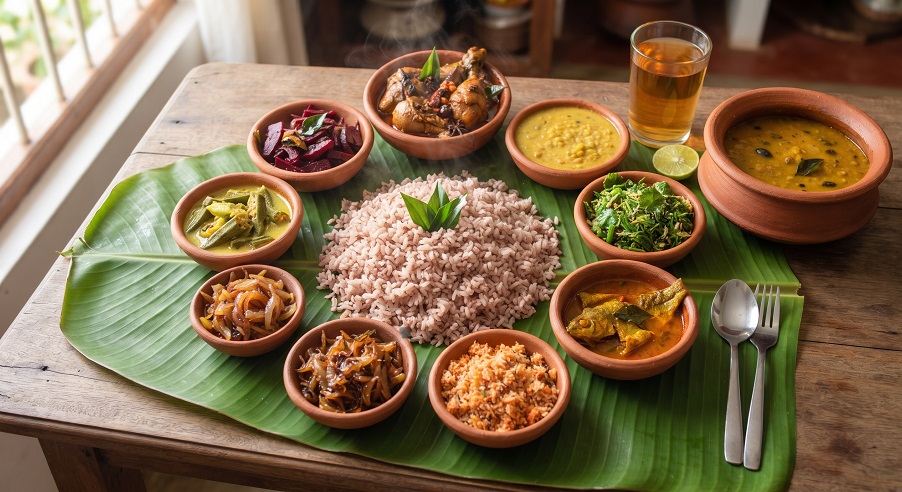
Rice and curry: look at the whole spread
The interest is in the combination of dishes, textures and accompaniments. Ask what is being served and which ingredients matter locally. Then taste at your own pace rather than treating heat tolerance as a competitive sport.
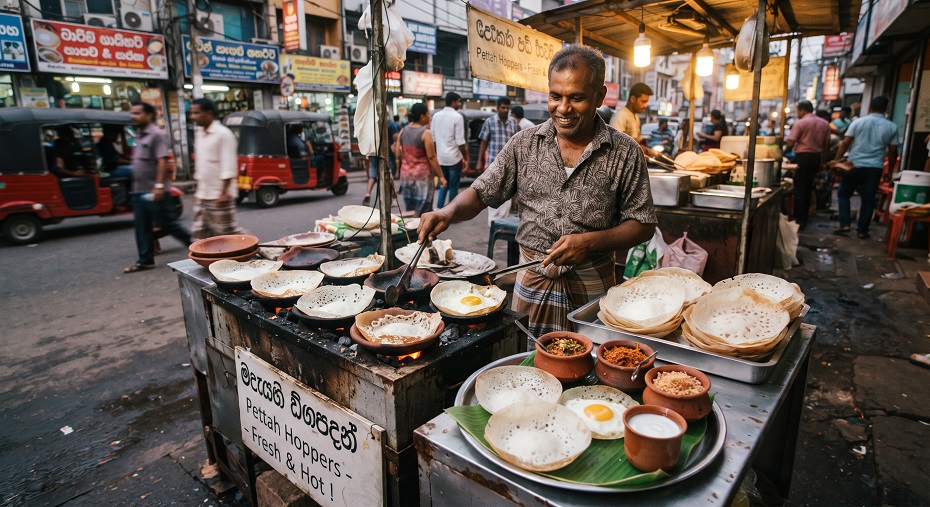
Hoppers, a market and another question
Hoppers are bowl-shaped pancakes, often made with fermented rice batter. Ask about the version on offer, including any egg or accompaniments. For allergies, explain the ingredient rather than relying on a vague request for something mild.
Logistics lite: make the connections earn their place
Entry and ETA arrangements
Check the Department of Immigration and Emigration and the official ETA system for your passport and dates. Rules and fees have changed, so do not copy an old visa answer from a blog. Use the official channels before paying.
Rail, driver or bus?
Compare the full journey, seat availability, luggage and the final transfer to your accommodation. Then choose the option that suits your time and comfort. A private driver can simplify some routes, but confirm hours, stops and the complete price.
Health and cover
Check current travel-health advice with a qualified professional and compare insurance against your actual activities. Ask about drinking water, food allergies and medication needs. For remote outings, confirm the arrangements for assistance.
Access and honest distances
Ask about steps at heritage sites, paths at your accommodation and the amount of walking in an excursion. Also, confirm whether the vehicle can reach the entrance. A short distance can still contain a demanding climb.
Base plans: fewer check-ins, better days
These are suggested planning structures. Adjust them to your flights, current conditions, transport and the experiences that matter to you.
About a week: one theme and a contrast
Choose a cultural base and a nearby second stay, or a coastal base with selected outings. With limited time, I would remove a long transfer before sacrificing every relaxed morning.
10–14 days: culture, then a slower finish
Compare a Cultural Triangle stay with one hill-country or coastal base, plus the necessary arrival and departure nights. Then calculate the complete travel days. You can have variety without changing beds every night.
Two weeks with a rail focus
Choose one rail section for its own sake and allow several nights around it. Add a cultural or coastal contrast only if the onward connection works comfortably. The train should enrich the holiday, rather than become its scheduling crisis.
Costs and pace: where the money actually goes
Compare the full arrangement
Add accommodation, transfers, attraction tickets, guides and activities to your food budget. Then check taxes and cancellation terms. A room bargain can look different once the transport to reach it is included.
Choose a better base before another outing
Compare the neighbourhood, beach access or walking route around your accommodation. I would sometimes spend more on a well-chosen base and less on daily transport. Also, ask whether a quiet location becomes isolated after dinner.
Keep a useful empty afternoon
Leave room for a proper meal, a rest or an unscheduled wander. Meanwhile, a flexible afternoon can absorb a delay. A good plan should still feel like a holiday when something takes longer than expected.
The little Sri Lanka moments worth making room for
Ask about one ingredient
At a suitable food experience, ask how a dish changes between homes or regions. Then listen to the answer without searching for the one authentic version. Everyday cooking is allowed to be varied.
Stay after the main visit
When the setting and arrangements suit it, pause for a drink or a quiet look around after the headline sight. However, respect private space and people who are simply getting on with their day.
Let the slower day count
A quiet coastal morning or an unhurried town walk does not need to justify itself with a landmark. My rule: include some days you would enjoy even if the camera stayed in the room.
Sri Lanka travel guide: questions before booking
How many days should I allow?
For a mixed first journey, I would compare 10–14 days with two or three main bases. A shorter trip can work well if you choose a smaller area. The right number depends on transfers and your preferred pace.
Should I include the famous train journey?
Only if the route, seating and connections suit your holiday. Investigate current services through Sri Lanka Railways and choose the section deliberately. A scenic train is an experience, not a compulsory national exam.
Which coast is best?
There is no useful answer without your dates, interests and the exact beach. Compare local weather, sea conditions, facilities and transport before choosing. A recommendation for one coast may not transfer to another.
What would I book first?
Check current advice and entry arrangements, then settle the main trip shape. Next, compare the accommodation and transport that make that shape workable. Add the tempting extras once the foundations fit.
Sources and a useful final check
Official sources reviewed October 30, 2026. Route shapes and suggested pacing are editorial recommendations; entry rules, security advice and transport arrangements require a fresh check before booking.
Sri Lanka Tourism · Food · Immigration and Emigration · Official ETA system · Sri Lanka Railways · US travel advisory
A trip with room to be a trip
Choose a few places that interest you, connect them sensibly and leave room for the day to surprise you. The plan should help you enjoy Sri Lanka, rather than become the thing you spend the whole holiday trying to keep up with.
Back to top ↑