Around the World with Rob
Saint Martin / Sint Maarten travel guide: which side suits you?
One island, two names and enough dinner possibilities to derail a sensible budget. For Saint Martin and Sint Maarten, the neighbourhood can matter more to your holiday than which side you choose. This Saint Martin / Sint Maarten travel guide compares bases, beaches and getting around, with the practical differences to check before arrival.
By Rob Wheatley · Practical details checked October 2026
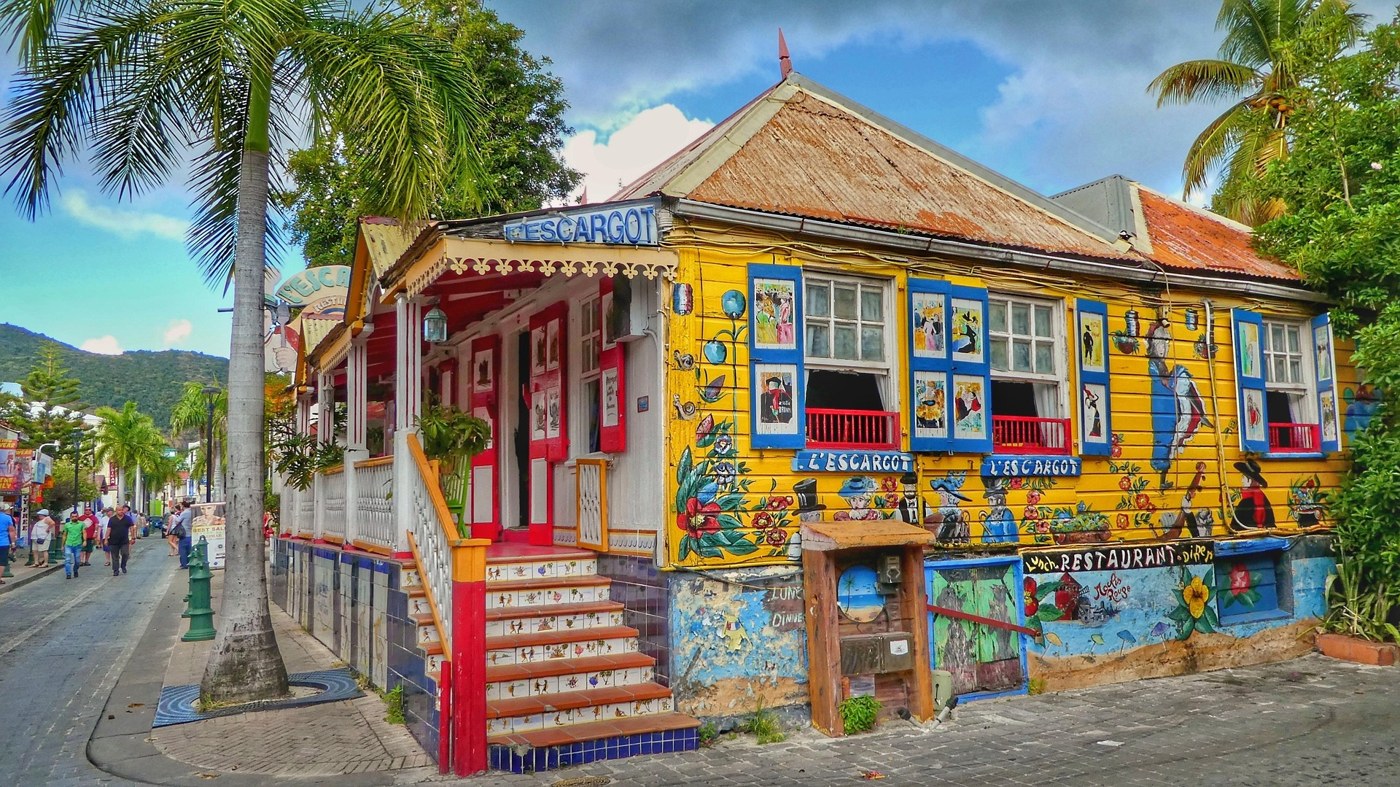
Rob’s take
Choose a place that suits the evenings you want. Compare the walk or drive to dinner, the beach access and the return journey after an outing. There’s plenty to enjoy on both sides. Turning the week into a contest between two flags would leave less time for the menu.
French Saint Martin or Dutch Sint Maarten?
The northern side is French Saint Martin; the southern side is Dutch Sint Maarten, a country within the Kingdom of the Netherlands. You can explore both during one stay. However, start with the place you want to wake up.
French side: research the exact setting
Compare Grand Case if food-led evenings appeal, or Orient Bay for a beach-resort setting. Marigot adds another town to explore. Also, check the property’s immediate surroundings rather than assuming the whole French side has one atmosphere.
Choose for your daily routine, not a national stereotype.
Dutch side: compare convenience and energy
Simpson Bay is worth researching for restaurants and an active holiday base. Philipsburg combines town, shopping and its waterfront, while Maho attracts aircraft watchers. However, check noise and the actual beach before choosing a room.
Useful areas for different reasons; they are not interchangeable.
A split stay? Only if it earns its keep
You can visit both sides without moving accommodation. First, compare a second check-in with the trips you would otherwise make. Then decide whether the change genuinely improves the holiday.
I’d move for a better second experience, not another hotel receipt.
Choose your base by the ordinary evening
Locate the restaurants, beach access and return route before booking. Then decide what you want to reach on foot and what you are happy to drive or arrange a taxi for.
A beach photograph cannot show late-night noise, road crossings or the walk home. Also, a property described as “near” a favourite area may still need transport every time.
For a mixed group, agree on the evening rhythm first. However, don’t book a lively base and then hope the neighbourhood will become quiet because you are ready for bed.
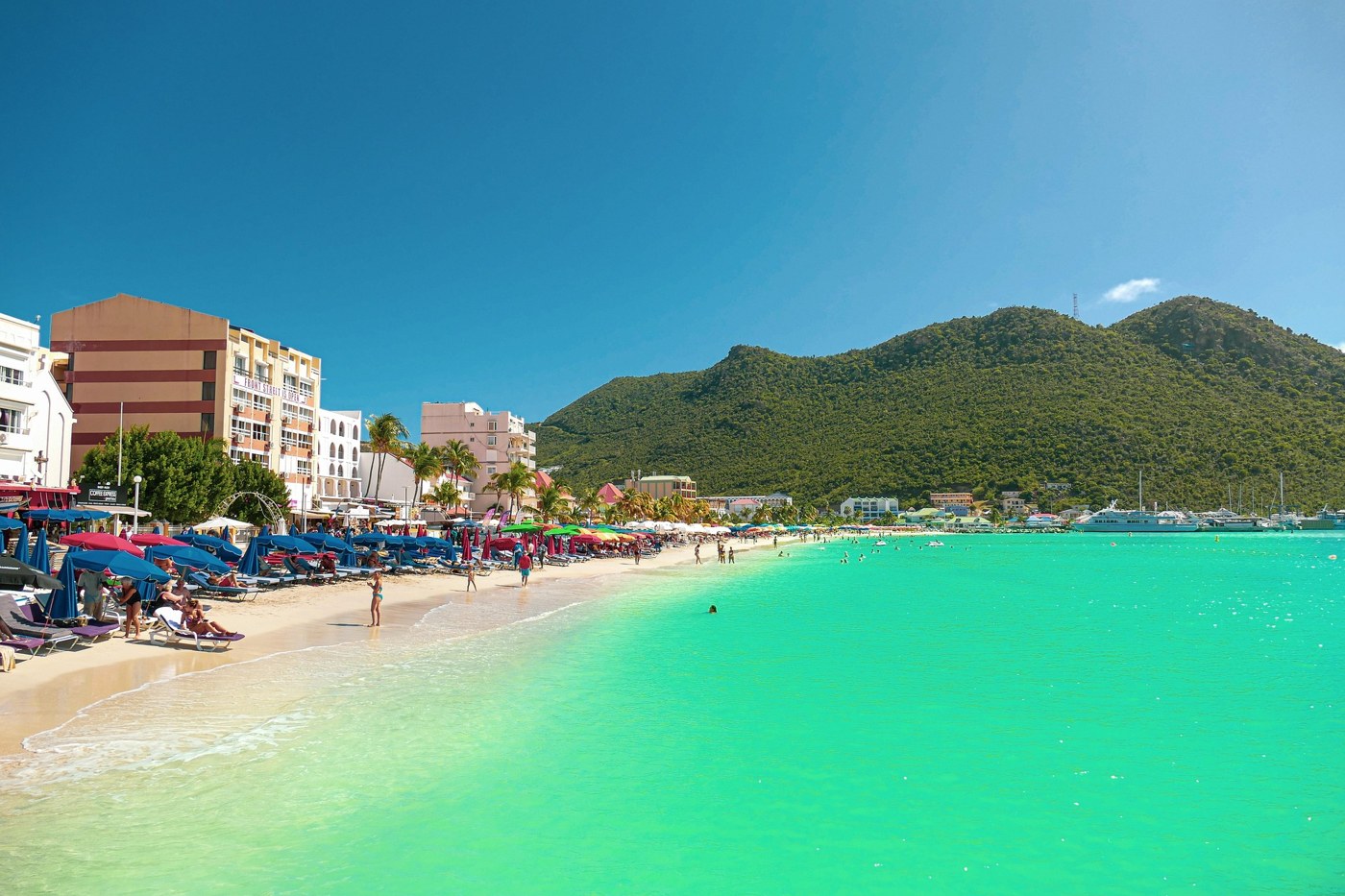
Which beach experience are you after?
Orient Bay offers a beach-resort setting with restaurants, activities and accommodation choices. However, check the exact stretch: some areas are clothing-optional, and conditions vary.
For any beach, first establish access, shade, toilets and the type of swimming available. Then ask about current sea conditions and supervision for activities.
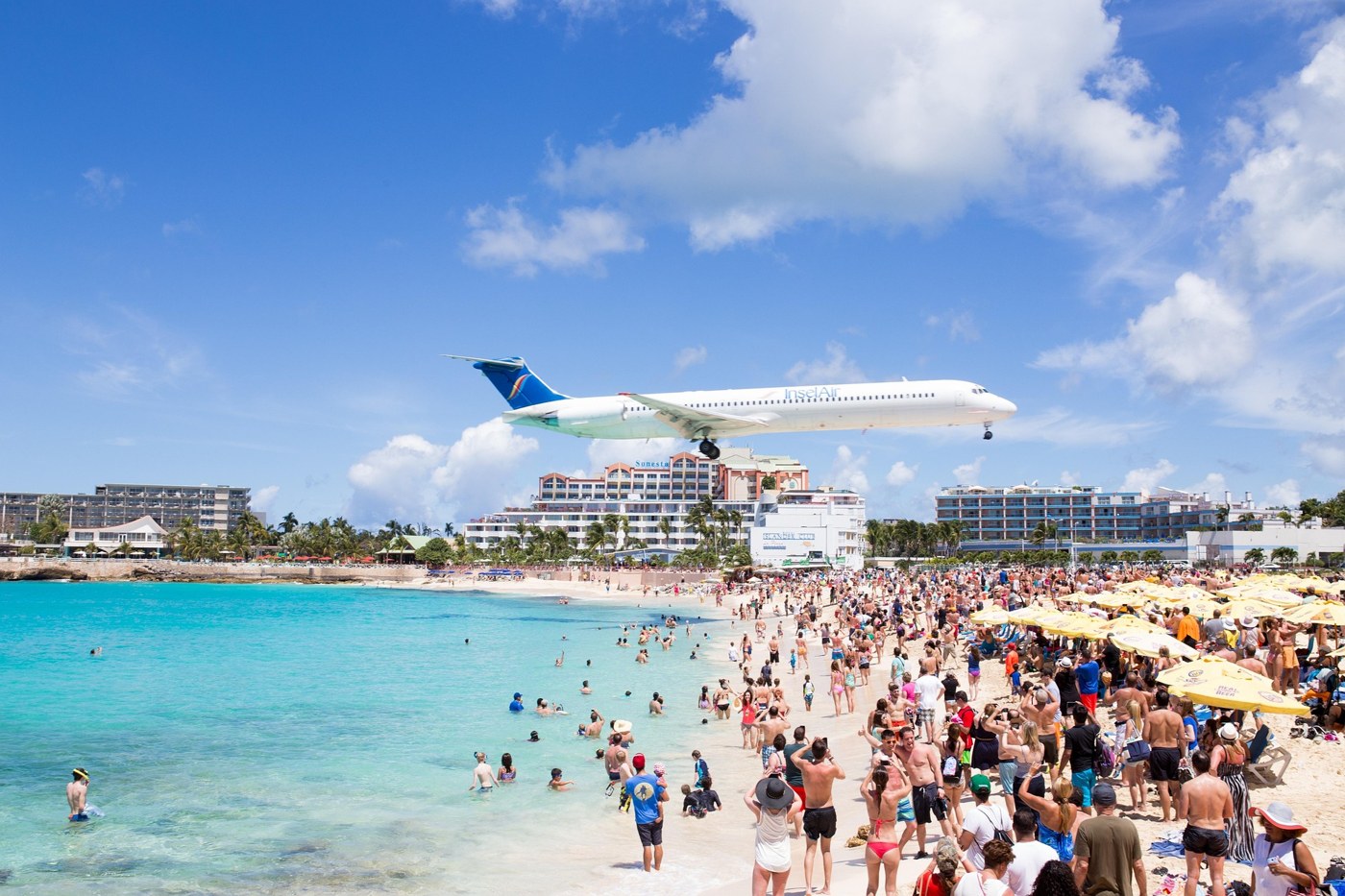
Also, distinguish a relaxed swimming day from aircraft watching at Maho. They answer different holiday wishes. You can enjoy both, but neither needs to become a hurried stop on a compulsory island circuit.
Maho: enjoy the aircraft without the stunt
Watching aircraft arrive near Princess Juliana International Airport is one of the island’s recognisable spectacles. However, the airport fence is not a fairground attraction.
Stay in permitted public areas, follow posted warnings and keep clear of jet blast. Also, never hang on the fence or move into danger for a photograph.
I’d treat Maho as a specific outing, rather than assume it is the best place for a quiet beach afternoon. Then leave room in the day for swimming somewhere that suits the conditions.
Grand Case, Simpson Bay and the dinner dilemma
The island’s food scene reflects far more than its two flags. Grand Case and Simpson Bay are useful areas to research for an evening built around a meal.
First, compare menus and actual opening days. Then reserve where necessary, especially if you have your heart set on a particular table.
Also, make room for a simpler local meal alongside any ambitious dinner. I like a menu that needs explaining occasionally, rather than a week of ordering the same international safe option.
Before paying, check the currency and any service charge. The final bill should not be the most educational part of dinner.
One open island, two sets of entry checks
People normally move freely across the land border. However, you must still meet the requirements for the territories you visit.
First, check passport and visa rules for your nationality, arrival point and itinerary. Then check the airline or ferry’s document requirements.
For arrival through Dutch Sint Maarten, use the government’s official digital entry form and current instructions. It applies to travellers arriving there even when staying on the French side.
Also, remember that French Saint Martin is outside the Schengen Area. A standard short-stay Schengen visa is not automatically permission to enter; eligibility and exemptions need checking through France-Visas.
Euros, Caribbean guilders and U.S. dollars
The French side uses the euro; Dutch Sint Maarten’s official currency is the Caribbean guilder, XCG. The new guilder replaced the Netherlands Antillean guilder in 2025, so older travel pages can be misleading.
U.S. dollars are widely accepted, but first ask which currency the menu or price uses. Then check the exchange treatment and the currency of your change.
Also, look at the total accommodation quote: taxes, cleaning, parking and other property charges can affect the comparison. A room that looks cheaper in a different currency has not necessarily performed a financial miracle.
Do you need a car, and how much time?
Driving is on the right. First, compare the rental total with the taxis and outings you expect to use. Then confirm insurance, parking and permission to drive on both sides.
Taxis are available, and tourism guidance advises confirming fares before departure. Also, establish the return arrangement if you are heading somewhere quieter or staying out late.
Minibuses serve some main routes, but do not assume they solve every evening or beach journey. However you travel, allow for traffic and a realistic buffer before flights or cruise departures.
My rule is simple: the map measures distance, not your confidence in arriving on time.
Should you add another island?
Connections to nearby islands can be tempting. However, a side trip deserves its own transport, entry and return plan.
First, check the current operator, port or airport, travel documents and weather policy. Then decide how much useful time remains at the destination.
Also, separate an optional excursion from a critical flight connection. I’d rather enjoy this island properly than spend the week proving how many departures I can manage.
For a short cruise call, keep the route compact and protect the return to the ship. An open land border does not shorten a traffic queue.
What does a realistic budget include?
First, build a budget for the week you actually want. Then compare bases using the same assumptions.
- Accommodation: final charges and cancellation terms.
- Food: ordinary meals, special dinners and drinks.
- Transport: airport journeys, taxis, hire, fuel and parking.
- Beach days: optional loungers, equipment and activities.
- Boat trips: complete fares, transfers and any relevant fees.
Also, keep a little room for flexibility. A relaxed lunch discovered by accident is one of the better reasons for a budget to have a margin.
When to go and how long to stay
For three or four nights, I’d choose one base and a small number of priorities. With a week, you can explore both sides without changing beds and leave time for a second visit to a favourite place.
First, check restaurant and activity opening dates for your travel period. Then compare accommodation and flight costs together.
Atlantic hurricane season runs from June through November. However, check forecasts and cancellation terms for the actual trip rather than assuming any month guarantees ideal conditions. Also, keep boat plans flexible.
Safety checks for both sides
At my October 2026 check, U.S. State Department guidance listed both Sint Maarten and French Saint Martin at Level 1: exercise normal precautions. Their guidance is published separately, so check both for an itinerary using both sides.
Also, keep valuables secure, avoid leaving possessions in vehicles and arrange reliable transport after dark. Ask locally about the exact area rather than treating the whole island as one uniform setting.
For swimming, boats and other activities, match the outing to your ability and current conditions. Then confirm insurance covers what you plan to do and where you plan to do it.
Sources and details to recheck
Official tourism, government and conservation sources support the practical information in this guide. My planning suggestions are my own. However, fees, access, entry rules and services can change.
Saint Martin / Sint Maarten: your plans and discoveries
Which base appeals to you, and why? Share a useful transport lesson, a beach discovery or a meal worth crossing the island for.
Back to top ↑