Home › Destinations › South America › Andean South America › Peru
SOUTH AMERICA · ANDEAN SOUTH AMERICA
Peru Travel Guide: Machu Picchu, Cities & Better Routes
Peru has a famous photograph. However, it also has a coastline, a food scene and mountain towns that deserve more than the hours left over after that photograph. This Peru travel guide helps you choose the right route, book the important parts and avoid turning a remarkable country into a transport exercise.
My starting rule: decide what matters most, then give it enough days. Machu Picchu can anchor the journey; it does not need to swallow the whole country.
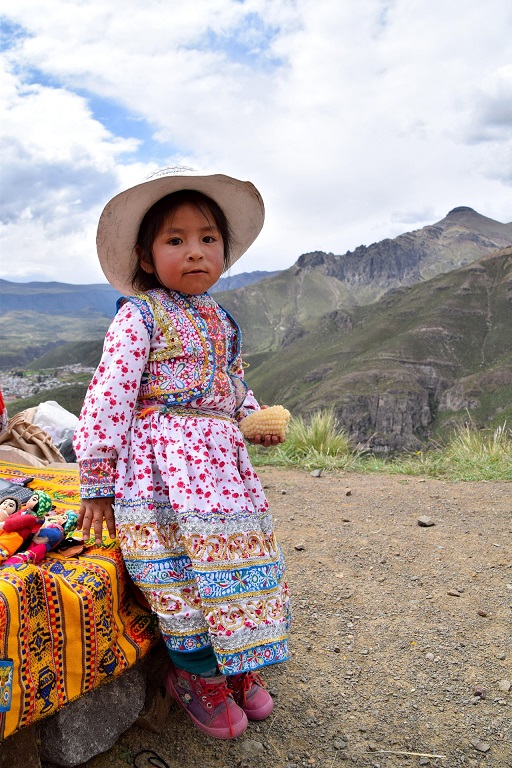
By Rob Wheatley · Spanish; Quechua and Aymara in parts of the country · PEN · Peruvian sol
Need the Gist? A 60-Second Peru Scan
The short version
I would start with 10–14 days for Lima, Cusco and the Sacred Valley, including a Machu Picchu visit. However, that is a planning suggestion, not a promise that every connection will fit. Add time if you want Arequipa, Lake Titicaca or the Amazon.
The honest fit check
Peru suits travelers who enjoy history, food and scenery, but altitude and long journeys need respect. If you want a completely effortless holiday, choose fewer bases and pay for well-organized transfers. A bargain that leaves you exhausted has missed the point.
The Peru That Clicks
History first
Build around Cusco, the Sacred Valley and the exact Machu Picchu route you want. Then add Lima for food and city time. Keep arrival at altitude gentle rather than making a demanding hike the opening act.
One contrasting region
Choose Arequipa, the coast or an Amazon stay because it adds something you want. However, compare the full travel day before adding it. Peru’s variety is a reason to return, not an instruction to do everything now.
Where to Go in Peru
Use these as starting points, then choose the places that earn their travel time.
Lima: give lunch some breathing room
Start with neighborhood walks, museums and food. Miraflores and Barranco are useful areas to compare for a stay, although the right address depends on your plans. Allow time for traffic on airport journeys.
Cusco: history with an altitude adjustment
Use Cusco for historic streets and regional excursions. However, begin slowly and plan your sleeping elevations before arrival. The first afternoon is a poor moment to prove how much walking you can squeeze in.
The Sacred Valley: a base, not just a bus window
Consider time around Ollantaytambo or another valley base. Then coordinate the archaeological visits, hotel and onward train. Changing bases should solve a transport problem or improve the stay, rather than merely add another hotel.
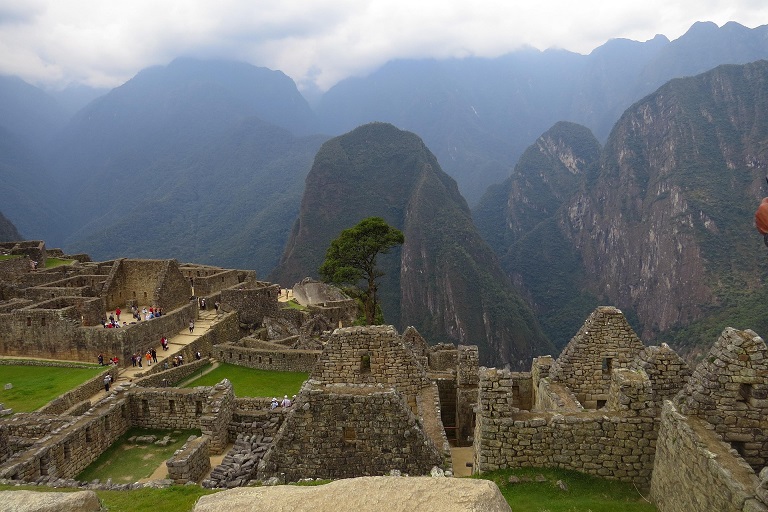
Machu Picchu: choose the actual circuit
Tickets cover specific circuits, routes and times. Therefore, check what your chosen ticket includes before booking the surrounding transport. The name “Machu Picchu” alone does not tell you which experience you have bought.
Arequipa and the Colca area
Consider this pairing if architecture and canyon landscapes interest you. However, check the elevations and driving involved in each excursion. Adding it to a short Cusco trip can create more movement than enjoyment.
The Amazon: allow a separate stay
Compare access through Iquitos or Puerto Maldonado, then look at the lodge’s location and activities. Transfers, guiding and meals can matter more than a cheap headline room rate. Ask what happens if arrival is delayed.
Vibe Check: Is Peru Your Kind of Trip?
Culture and comfortable pacing
Choose fewer bases, a good local guide for a subject you care about, and time to wander between appointments. In addition, keep some evenings free. A city becomes more interesting when you are no longer racing through it.
Active landscapes
Choose walks that suit your ability and acclimatization plan. However, fitness does not cancel altitude risk. Build the route around sensible ascent and reliable operators, then discuss high-altitude plans with a travel-health clinician.
When to Visit Peru
Peru does not have one useful national “best season.” The coast, Andes and Amazon behave differently. First choose the region; then match the weather pattern to what you actually want to do.
Andes: roughly April–October
This is generally the drier part of the year around the main Andean circuit. However, cold nights and unsettled weather remain possible. Popular dates also reward early booking.
Andes: roughly November–March
Expect a wetter pattern and more reason to protect outdoor plans. Nevertheless, a city-and-culture visit can still appeal. Confirm trail access rather than assuming a famous route operates every month.
Coast and Lima
Coastal summer and Lima’s cooler, often overcast months give quite different experiences. Therefore, decide whether beach weather or city sightseeing matters more, then check the specific coastal destination.
Amazon stays
Rain and water levels shape activities throughout the year. Ask your lodge which wildlife outings and transfers suit your month. A simple dry-season label cannot explain every river or forest experience.
Daily Rhythm: Leave Room for the Day
A Lima day
Morning: one neighborhood and a museum or market. Afternoon: leave room for a proper meal and a slower walk. Then keep the evening close to your base if the following day starts early.
An Andes day
Start by checking how you feel and what the outing involves. During the day, favor a manageable plan over an impressive distance. Finally, leave time for dinner, rest and tomorrow’s transport.
Rob’s Tips: Food, Culture and a Better Day Out
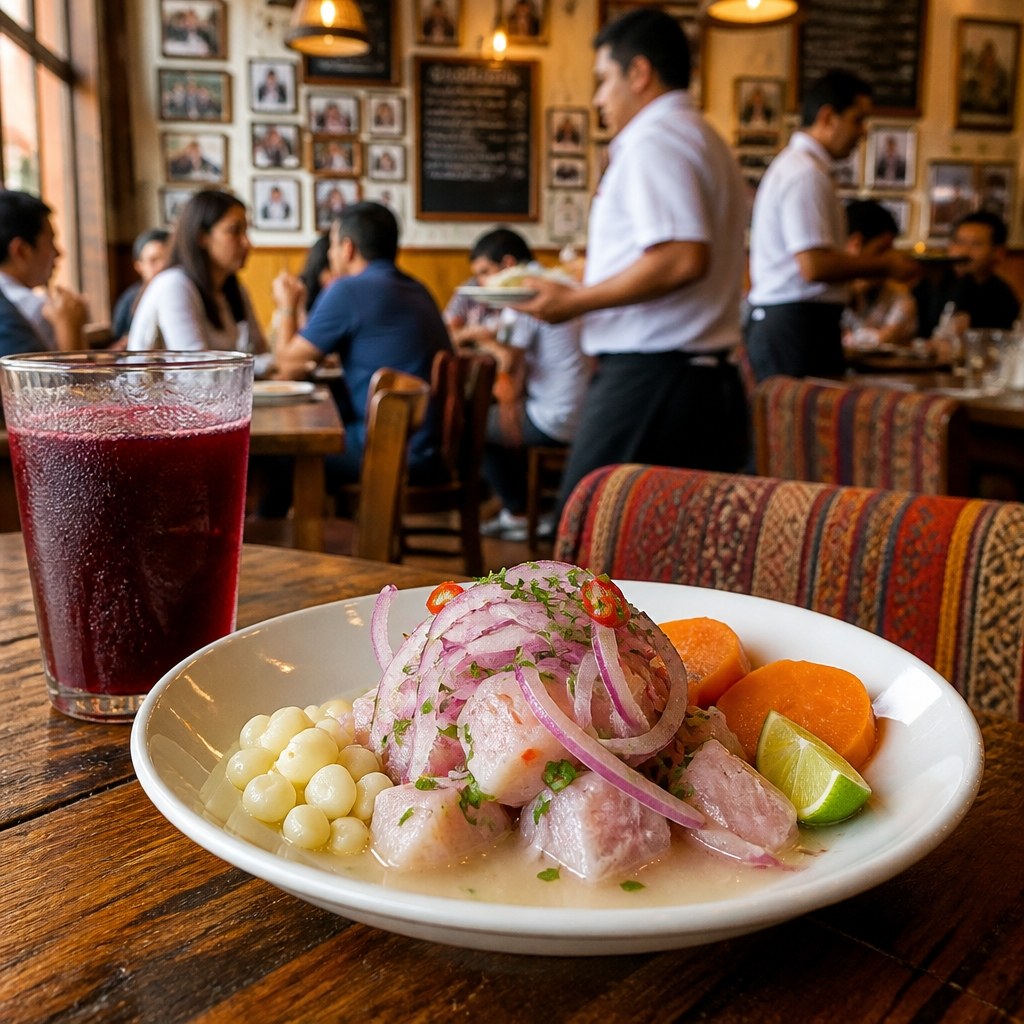
Ceviche: a little lime, a lot of Peru
For me, ceviche deserves a proper lunch stop, with time to enjoy what’s on the plate. It’s raw fish marinated in lime juice, with red onion, chilli and coriander. I’d describe it as bright, sharp and full of contrasts: soft fish, crunchy onion and a little heat, balanced by sweet potato and those wonderfully oversized Peruvian corn kernels. My advice? Give it your attention before rushing off to the next sight.
Food: lomo saltado
Beef, onions and tomatoes meet a hot wok, with fries and rice often sharing the plate. Lomo saltado is a fine reminder that Peru’s food has several cultural roots. My advice: give meals their own place in the itinerary.
Activity: one good guided visit
Choose a guide for the history you want to understand, rather than collecting several rushed stops. Before paying, ask about walking, group size and entry tickets. A quieter, better-explained site can beat another hurried photograph.
Safety in Peru: The Practical View
Cities and transport
Theft and more serious crime affect parts of Peru, while protests can disrupt roads and rail. Read the current country advisory and its regional exceptions. In addition, arrange arrivals sensibly and keep a spare day around an important onward connection.
Altitude and remote outings
Cusco, high passes and some excursions involve significant elevation. Follow CDC guidance on gradual ascent and seek personalized medical advice before travel. If you become unwell, tell your guide promptly instead of treating the timetable as more important than your health.
Logistics Lite: The Useful Essentials
Entry and documents
Check current entry requirements for your own passport, including onward travel and any rules affecting children. Then confirm that the booking names match your documents. Do not assume permission to enter a neighboring country covers Peru.
Tickets and transport
Book the Machu Picchu circuit first if that is the fixed point of the trip. Next, match trains, road transfers and accommodation to it. Leave enough margin for check-in and the last part of the journey.
Money
The currency is the Peruvian sol, PEN. Carry a modest supply of local cash for smaller purchases and keep a backup payment method separately. Also check whether a tour quotation uses soles or U.S. dollars.
Language and connection
Spanish is useful for everyday travel; Quechua and Aymara also matter in parts of the country. Save hotel details and key tickets offline. In remote areas, ask the operator about communication rather than relying on mobile reception.
Machu Picchu: Sort the Ticket Before the Train
What exactly have you booked?
Peru’s tourism authority describes several circuits and route options, with different access. Therefore, compare the official route descriptions with the experience you want. Keep the date, time and identification requirements together with your confirmation.
The whole visit needs to connect
Work backward from admission to transport and your overnight base. Then check the return journey before planning a flight. If the chain only works when every stage is perfect, add a night or simplify it.
Base Plans: Three Ways to Explore Peru
These are my suggested outlines. Confirm actual transport, access and entry requirements before assigning every night.
About 10–14 days: the classic focus
Start with Lima, then allocate the larger share to Cusco, the Sacred Valley and Machu Picchu. Include an unhurried adjustment to altitude and a return buffer. I would remove an extra city before removing those margins.
About two weeks: a regional alternative
Choose Lima plus either the southern highlands or a focused Amazon stay. However, do not add the second option simply because both appear in a brochure. Compare the experiences you value with the days they consume.
Three weeks or more: add deliberately
Begin with the main route, then consider Arequipa or another region. Before confirming, count full transfer days and review sleeping elevations. Extra time can improve the original journey just as much as it can expand it.
Peru Travel Costs: Price Your Actual Journey
Compare accommodation, transport, meals, activities and a contingency allowance. Add bags, transfers and single supplements where relevant.
What belongs in the budget?
Peru travel costs rise with internal flights, guided outings and the Machu Picchu transport chain. Price those items before deciding what is left for hotels. Then compare the total journey, rather than judging affordability by a cheap lunch.
Where I would save
First, cut unnecessary changes of base. Next, compare guided visits by what they include. However, I would not save money by accepting a rushed altitude schedule or an operator who cannot explain the day’s logistics.
Gap Analysis: Is Your Plan Ready?
Four checks before paying
First, count full travel days. Next, check the season against your main activity. Then confirm entry rules and health needs for the exact route. Finally, keep a little flexibility around the booking you care about most.
If the route feels too tight
Remove the least important stop before cutting rest or connection margins. Then move that time to your main priority. The better trip is usually the one you can enjoy without constantly watching the clock.
Peru Travel Guide: Your Questions Answered
How many days do I need in Peru?
I would begin with 10–14 days for Lima and the Cusco–Sacred Valley area. However, your altitude plan and actual transport matter more than the number alone. Add another region only when it has enough time.
Do all Machu Picchu tickets include the same visit?
No. Circuits and routes differ, so read the official description before paying. Then book transport and accommodation that fit the date and admission time.
Can I avoid high altitude?
Yes. You can build a coastal or Amazon-focused trip. However, Cusco and many famous Andean excursions require a separate altitude plan; they are not lowland substitutes.
Can I combine Peru and Bolivia?
Yes, with sufficient time and a sensible elevation progression. First check border conditions and each country’s entry rules. I would favor three weeks or more over a hurried two-country fortnight.
Sources and Useful Checks
Route lengths, suggested bases and budgeting choices are my recommendations. For requirements and changing conditions, use the official information below.
Let’s Talk About Peru
Planning a trip to Peru? Share your rough dates, available days and the decision you are working through. If you have already been, what would you pass on to the next traveler?