Home › Destinations › South America › Northern South America › French Guiana
TERRITORY GUIDE · NORTHERN SOUTH AMERICA
French Guiana Travel Guide: Cayenne, Kourou & Nature
French Guiana places a European spaceport beside a South American rainforest. That is quite a combination before you have even considered lunch. This French Guiana travel guide connects Cayenne, Kourou and nature experiences while explaining the paperwork that can catch visitors out.
My rule: treat French Guiana as its own destination when checking documents, transport and costs.
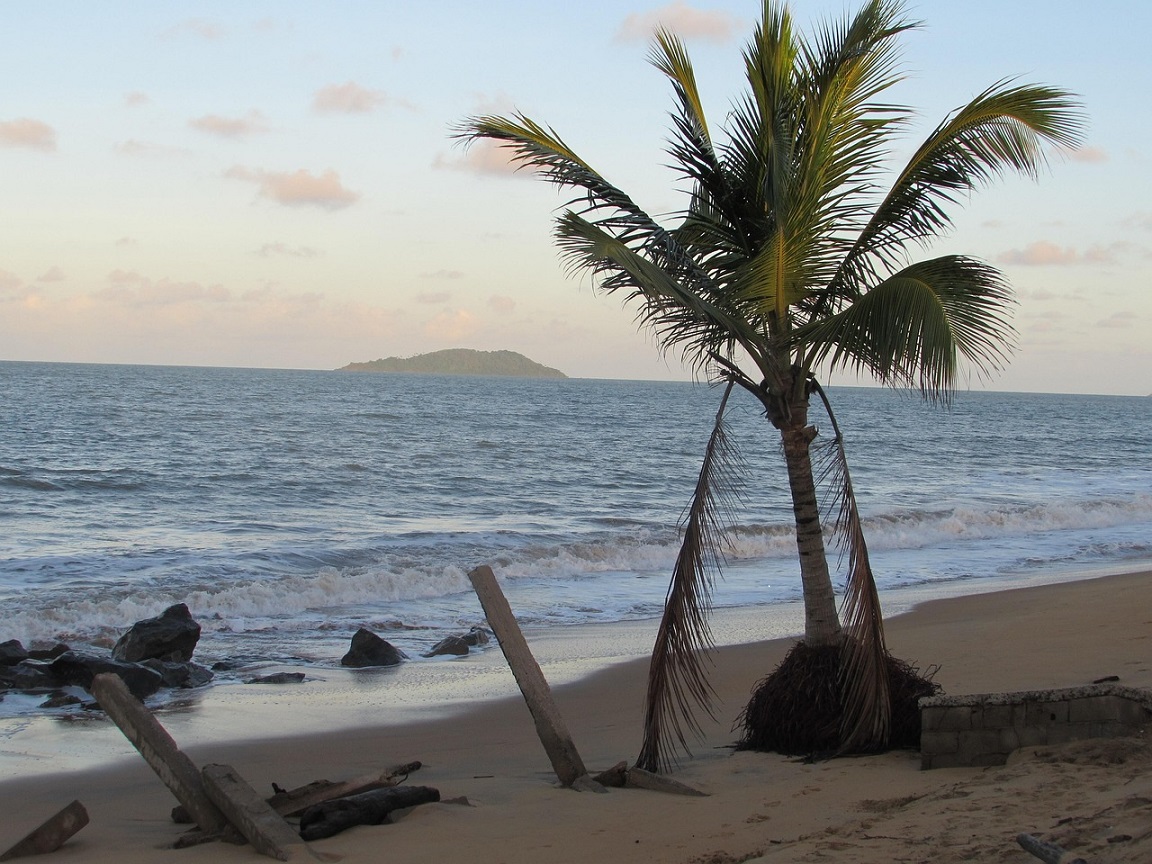
Kourou, French Guiana
By Rob Wheatley · French overseas territory · French · Euro (EUR)
Need the Gist? A 60-Second Scan
The distinction that matters
French Guiana is part of France, rather than an independent country. French is the main administrative language and the euro is used. However, it is outside the Schengen Area, so mainland-France entry assumptions can lead you astray.
The trip in one decision
First, choose whether space history, coastal towns or a guided nature experience is your main reason to visit. Then check the connections and budget around that choice. The current U.S. advisory is Level 1: Exercise normal precautions.
The French Guiana That Flows: One Coastal Route
Start with your anchor
For a first visit, I would research Cayenne and Kourou before adding a more distant stop. Then I would decide whether the space centre or a nature stay deserves the extra time. Each addition should earn its place in the itinerary.
Build around confirmed access
A launch date, guided visit and island boat departure have different booking conditions. Consequently, do not treat them as interchangeable fixed appointments. Confirm each provider’s arrangements and leave space for changes.
The Major Destinations
Cayenne
Cayenne is a useful starting point for understanding the territory’s coastal life. I would use a guided introduction to establish the local history and practical geography, then leave time for a slower meal and exploration.
Kourou and the Guiana Space Centre
The space centre offers public visits subject to operational and security conditions. Book through the official visitor service, and check identification and age requirements. A facility visit is a worthwhile goal even when no launch fits your dates.
Îles du Salut and wider nature
The islands near Kourou are associated with the French penal-colony system. Approach that history with care, rather than treating it simply as a scenic outing. For forest experiences, choose a suitable guide and ask what the journey actually involves.
Vibe Check: An Unusual Mix With Real Distances
Space, history and forest
My view is that French Guiana suits travelers intrigued by an unusual combination of interests. However, the variety does not mean every experience sits close together. Choose a coherent route before adding more attractions.
What to expect from the pace
Some days may be shaped by a booked tour or transfer, while others allow more freedom. Therefore, use the flexible time for local discovery. Constantly chasing the next appointment would miss much of the appeal.
French Guiana Seasons: When to Plan Your Visit
French Guiana stays warm throughout the year; rainfall sets the seasonal rhythm. Use these four broad periods to compare your options. However, the changeover dates vary by location and year, so treat the months as a guide rather than a promise.
🌦️
Roughly mid-November–February
Short rainy season
Best for: a flexible visit with time for towns and indoor activities between showers.
Watch for: wet outdoor days. Therefore, keep boat and forest outings adjustable and ask about conditions along the actual route.
🌤️
Usually February–March · a variable dry break
The little summer of March
Best for: a possible drier interval before the main rains. Locally, this is the petit été de mars.
Watch for: assuming the break will arrive on schedule. Instead, confirm the forecast before committing to a weather-dependent outing.
🌧️
Roughly late March–July
Main rainy season
Best for: a nature-focused visit if you are comfortable adapting to rain. Turtle nesting also overlaps this wetter part of the year.
Watch for: heavy showers and changing conditions. Consequently, discuss trail access, river levels and backup plans with your guide.
☀️
Broadly August–mid-November · transition often starts in July
Main dry season
Best for: general coastal exploring and outdoor plans with fewer rainy interruptions. September and October are typically among the driest months.
Watch for: heat and occasional showers. Even so, I would start active days early and leave a proper midday pause.
🐢 Planning around the turtles?
Nesting timing varies by species and beach. Broadly, research March–August and ask a local conservation group about the current season. Meanwhile, follow its viewing guidance and give nesting animals space; a sighting is never guaranteed.
Launches follow another timetable
Space operations have their own schedule, and launch dates can change. Consequently, I would not make a costly visit depend entirely on witnessing one. Build a trip you would still value if the launch moves.
Seasonal background: ANSES climate overview and French Guiana environmental assessment. Turtle timing: regional environmental report. These describe broad seasonal patterns, not a forecast.
Daily Rhythm: Town, Spaceport or Nature
Coastal town day
I would put the more active exploration earlier, then pause for lunch and shade. Afterward, keep one modest activity rather than trying to recover a full sightseeing schedule in the heat.
Space centre day
Allow enough time for registration and the complete visit. Then keep the next appointment flexible. Read the current visitor instructions before leaving your accommodation, including what identification and clothing to bring.
Guided nature day
Ask the guide about start time, physical demands and weather alternatives. In addition, confirm food, drinking water and toilets. Those details determine comfort far more reliably than the word adventure.
Rob’s Tips: Learn the Place Behind the Headline
Make room for food
I would ask a local host to explain a dish and its ingredients rather than choose dinner solely from a familiar menu. Then discuss allergies clearly. A meal can introduce the place beyond the spaceport headline.
Give difficult history its due
For a penal-colony visit, choose interpretation that addresses the people who suffered there. Meanwhile, allow time to reflect. Good travel includes understanding what happened, even when the setting looks beautiful today.
Safety: Coastal Visits and Remote Trips Differ
Everyday precautions
Read the U.S. French Guiana advisory and your own government’s guidance. Seek local advice for the neighborhoods and routes you intend to use. Also, arrange dependable transport when needed.
Nature and health
For forest or river excursions, establish guide competence, communications and emergency arrangements. Discuss your route with a travel-health professional, and verify required vaccination documents. Do not assume that being part of France removes tropical health considerations.
Access needs
Describe your mobility or medical needs before booking. The space centre asks visitors with access requirements to contact its visit office, since the industrial site’s safety procedures affect what it can arrange. Similarly, boat boarding deserves a specific discussion.
French Guiana Travel Guide: Planning Essentials
Entry rules
Use the official France-Visas guidance for French Guiana and your nationality. France’s overseas territories are outside Schengen. Therefore, holding a Schengen visa does not automatically establish that you can enter this territory.
Payments and transport
Budget in euros and confirm each supplier’s payment options. Separately, investigate the actual connections between your arrival point, accommodation and booked activities. Do not assume mainland-France transport patterns apply.
Space centre bookings
The official facility-tour information requires advance booking and lists security, age and identification conditions. Visits may change with operations and are suspended around launches. Recheck directly with the visitor service before travel.
Base Plans: Three Ways to Shape a Visit
Cayenne and Kourou introduction
Combine coastal exploration with a confirmed space centre visit. Then keep the remaining time flexible enough for a rescheduled tour or a slower day.
Coast and island history
Add an authorized island excursion once you understand the boat arrangements. However, leave some separation from an international departure in case conditions change.
Coast and guided nature
Choose one nature stay or excursion that matches your comfort and walking ability. Then build transfers around it. More remote does not automatically mean more rewarding for every traveler.
Costs: Work in Euros and Price the Transfers
Where the total grows
Accommodation, transport between bases and guided activities can shape the budget. Therefore, price the actual route before deciding how many nights to stay. A euro price is not directly comparable with a neighboring country’s room rate.
Where I would simplify
I would reduce unnecessary moves before trimming essential support. Also, compare car hire, arranged transfers and activity pickups on the same basis, including insurance and any restrictions relevant to the route.
Small Moves That Prevent Big Friction
Book the operational visit first
If the space centre is your main reason to come, establish the available visit dates before filling the rest of the calendar. Then retain the flexibility to enjoy other parts of the trip if operations change.
Keep documents accessible
Save confirmations offline and carry the required identification for the booked activity. In addition, check whether the operator needs passenger details in advance. A confirmed hotel does not confirm admission to a restricted site.
Gap Analysis: Is French Guiana Right for Your Style?
It may suit you if…
You enjoy space exploration, thoughtful history and guided nature, and you are happy to plan the connections. A clear main interest gives the visit purpose.
Rethink the match if…
You expect a conventional beach resort holiday or a seamless continuation of a Schengen trip. Instead, assess the territory’s own entry rules and visitor infrastructure before choosing it.
French Guiana FAQs and Official Sources
Is French Guiana a country?
No. It is part of France. This page is a territory guide, included with neighboring destinations so visitors can compare the region sensibly.
Does a Schengen visa cover French Guiana?
Do not assume so. Use France-Visas’ explanation of Schengen and overseas territories and its visa assistant for your passport and circumstances.
Can I book a guaranteed rocket launch?
A launch schedule can change. Use the official Guiana Space Centre visitor pages for facility visits and launch viewing. For health preparation, consult the CDC destination page. Sources reviewed October 30, 2026.
Let’s Talk About French Guiana
What would you like to understand about French Guiana? Share your planning question, or pass on a useful lesson from a previous visit. Please leave out passport details and other private information.