Serbia · Destination guide
Belgrade: The City That Refuses to Stay Flattened
Stand at Kalemegdan and the argument for Belgrade becomes obvious: two rivers, a commanding position and a long queue of people who wanted it. What interests me now is the city beyond the old battles. The fortress introduces the place; the streets, food and evenings persuade you to give it longer.
I’d begin at the fortress, where the Sava meets the Danube, then give the streets and cafés their turn. The history explains why everyone wanted the place. The city around it gives you a reason to stay.
By Rob Wheatley · Traveller and Viking Program Director
Explore the Serbia destination guide →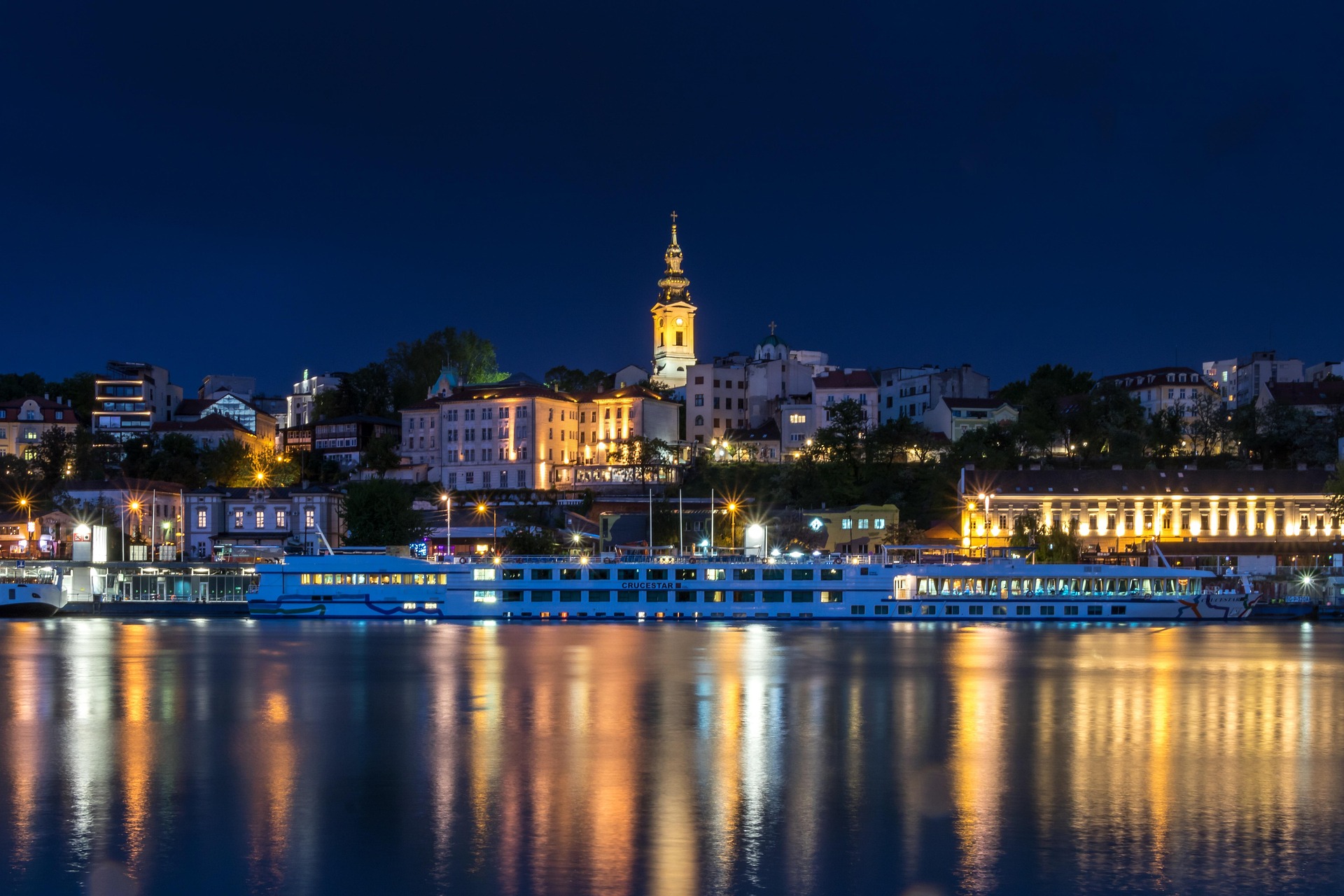
Belgrade at a glance
- My priority
- The fortress viewpoint and the meeting of the rivers, followed by a walk through the central streets.
- If time is short
- Connect Kalemegdan with Knez Mihailova rather than attempt several distant districts.
- Walking and access
- Fortress routes can involve slopes, steps and uneven paving. Check the route to your particular viewpoint or attraction.
- Somewhere to pause
- A café along the central promenade, with enough time to watch the city rather than just photograph it.
Two rivers and a very desirable piece of ground
Stand on the ramparts of Belgrade Fortress, beside Kalemegdan Park, and watch the Sava slide into the Danube. The strategic attraction becomes obvious. Controlling this meeting of waterways meant controlling an important gateway.
Celts, Romans, Byzantines, Ottomans and Habsburgs all belong to the long story of the place. Roman Belgrade was Singidunum; the later Slavic name Beograd means White City. Conflict, changing borders and rebuilding have left the fortress and the city with many layers.
I’d resist reducing that history to a competitive total of demolitions. The walls tell the story well enough. Look at the rivers first, then at the defences, and it becomes easier to understand why so many armies kept returning.
Give the view time if the schedule allows. Sunset can be a lovely part of the visit, but a cruise call does not automatically provide an evening ashore. Enjoy the light you have rather than plan around a departure time you wish you had.
The naked man who got sent to the fortress
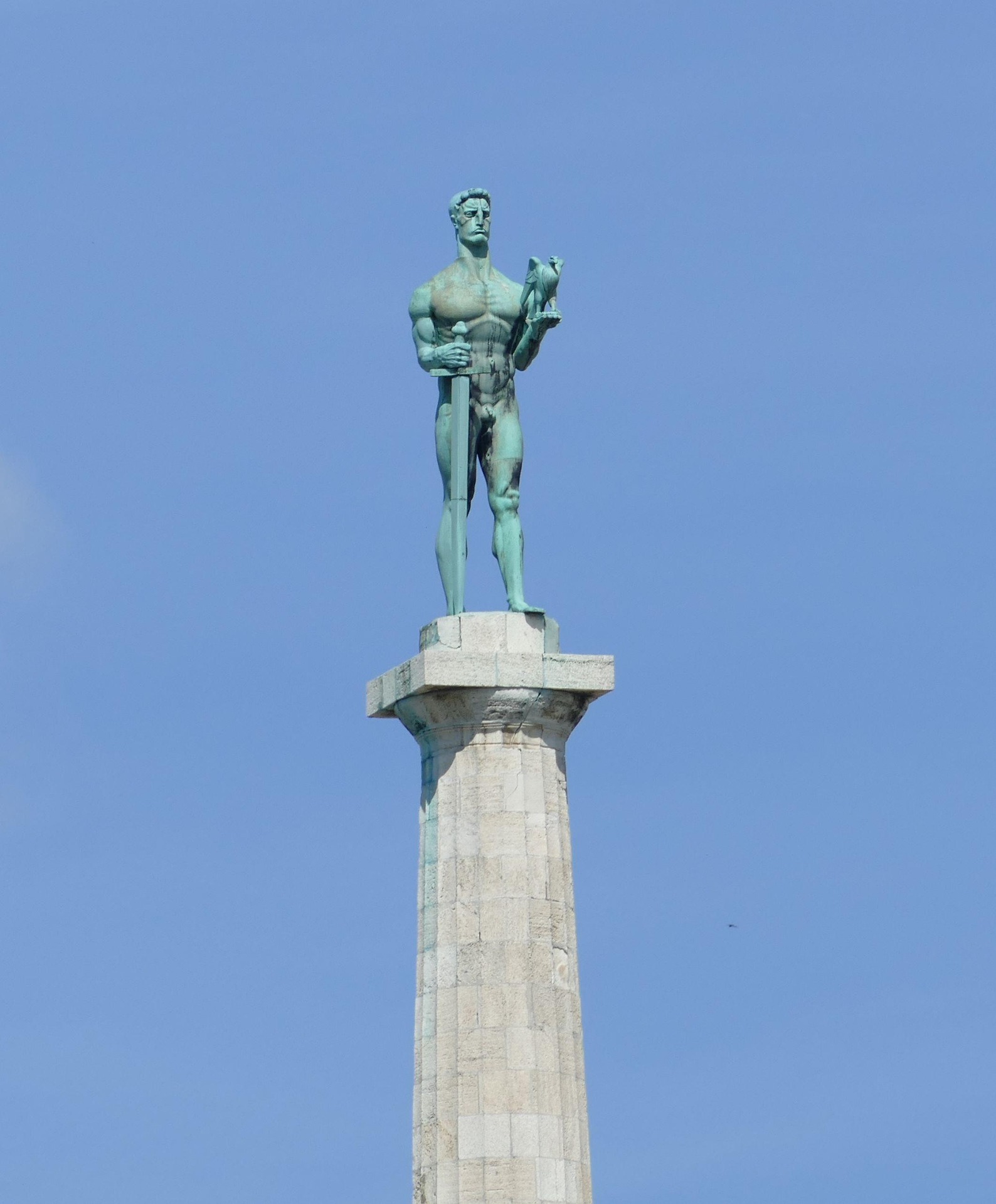
At the edge of the fortress stands the Victor, a bronze nude with a sword and a falcon. Ivan Meštrović created the figure before the First World War for a planned fountain on Terazije, in the city centre, celebrating Serbia’s Balkan War victories.
War interrupted the project. Later, objections to putting a naked man in such a central location helped send him to a different address. He was installed above the rivers and unveiled in 1928, marking the tenth anniversary of the breakthrough on the Salonika Front.
So he was intended for the square, rather than standing there and being physically marched out. The result is still wonderfully Belgrade: a figure considered too bold for the centre became one of the city’s defining symbols.
He now looks out with nothing on but a falcon and an attitude. Public controversy has rarely ended with a better view.
Kalemegdan: choose a walk, not a military campaign
The fortress and surrounding park cover more ground than a single postcard suggests. Choose the viewpoint and any specific interior attraction you want, then check how they fit together. Wandering the grounds is a different commitment from visiting a museum or joining a specialist tour.
I’d begin with the outdoor setting before adding tickets. It gives you the geography that makes the rest of the history easier to follow. Read a little, look out, then decide whether another exhibition is what the day needs.
For limited mobility, ask about the precise approach, surfaces, stairs and available seating. An accessible park entrance does not establish that every rampart or interior attraction has the same access.
Knez Mihailova: let ordinary Belgrade have a say
Knez Mihailova and its surroundings make a useful continuation from Kalemegdan. The pedestrian street connects the fortress end of the centre with the Terazije area, with shops, cultural institutions and cafés along the way.
This is where I’d put down the mental checklist for a while. Street musicians, people meeting friends and somebody taking a very serious coffee break are part of the visit too. Not every useful introduction to a city comes with an admission ticket.
Use the tourist information centre on Knez Mihailova if you need a current map or help choosing a tour. It is a better place to resolve today’s opening arrangements than an old screenshot saved before you left home.
St. Sava and the temptation to add everything
The Church of St. Sava is another major landmark, but it is a separate visit from the fortress-and-promenade walk. Check your city tour’s actual stops before assuming you need to arrange it independently as well.
If visiting a church interior, confirm opening arrangements and dress appropriately for a place of worship. For any museum or specialist tour, check entry and timing before crossing the city specifically for it.
With a full day, there is room to broaden the plan. With a few hours, I would rather enjoy one coherent area than spend the visit travelling between three things I barely see.
Arriving from the river
Confirm your actual berth before deciding how easy the walk into the centre will be. Belgrade’s riverfront is not one interchangeable landing place, and a return route can involve more climbing than the outbound one.
Independent visitors should check their arrival station or terminal against the route they want to walk. Cruise guests should also check whether the ship moves during the call. Keep the meeting point and return instructions with you, rather than rely on recognising the waterfront from the morning.
Give Belgrade two days if you can
Time and arrival: A day covers the central fortress-and-old-town area; two or three days leave room for other neighbourhoods and St Sava without racing. Check where your flight, coach or train actually arrives. Station locations and onward connections deserve a current route check, not an old guidebook assumption.
When: My choice is late spring or early autumn for long walks. In summer, build the day around shade and evening time by the rivers. Winter is a different city break, with indoor visits and meals taking a larger role.
Eat: The official culinary guide points towards proja, cheese, kajmak and Serbian pies, alongside the better-known grilled dishes. Ask what is homemade and what suits your appetite. Rakija is a spirit, not something to treat as a casual thirst-quencher between sights.
For river cruise guests
Visiting with Viking?
Included programme: Viking’s published 2027 Passage to Eastern Europe itinerary lists Panoramic Belgrade. Check the booked excursion description for its stops, interior visits, duration and walking demands.
Optional, at additional cost: the published programme also lists Best of Belgrade and Kovačica Art Colony. These offer different experiences and use different amounts of the day; compare them with the included introduction before choosing.
If you want additional time at the fortress, ask what the included tour already covers and how much independent time remains. Confirm the berth, ship movements and all-aboard time before planning an evening walk or sunset photograph.
Checked against Viking’s published 2027 programme on 7 November 2026. Your booked sailing confirms inclusions, availability and timing. I work for Viking; this is my own practical guidance.
Explore Passage to Eastern Europe →Explore more along the Danube
Planning sources
History and visitor information checked 7 November 2026. Confirm opening arrangements, access and your sailing’s daily programme.
What stayed with you in Belgrade?
The river view, the Victor’s story or a café you would happily return to? Share your recommendation or ask about planning your day.
Join the conversation below ↓