Portugal · Douro Superior
Barca d’Alva: The Town Where the Map Runs Out
A river frontier, a railway that once reached Spain, and a hilltop village worth the journey. Barca d’Alva is small, but it opens up a surprisingly large piece of the map.
By Rob Wheatley · Viking Program Director · Updated in 2026
Barca d’Alva at a glance
My priority: the riverside setting and an excursion to Castelo Rodrigo.
A short window: stay near the village and berth.
Further afield: Salamanca and the Côa Valley need separate transport and time.
On foot: hilltop-village paving is a different proposition from a riverside wander.
Remember: Spain’s clock is one hour ahead of Portugal’s.
Same river, different passport
Some places feel like the end of the world. Barca d’Alva has a better claim than most: it sits beside the meeting of the Douro and Águeda, close to the Spanish frontier. Upstream, the Douro forms part of the border before continuing into Spain.
In Portuguese it’s the Douro; in Spanish, the Duero. Same river, different passport. I love that. The settlement is small enough for a gentle wander, yet it opens the door to two countries.
A railway to nowhere—eventually
Here’s the story I always tell first. In the late nineteenth century, engineers pushed a railway up the Douro Valley towards Spain, cutting and tunnelling through rugged country. This was more than an ambitious plan: through rail travel between Porto and Salamanca via Barca d’Alva opened in 1887.
The Portuguese section between Pocinho and Barca d’Alva closed in 1988. The old railway remains a poignant chapter of the village’s history: a reminder that the way we get from A to B keeps changing, and sometimes the road wins over the rails.
Look for the former station area from public access points, but don’t treat disused tracks, tunnels or bridges as an invitation to explore. Conditions and access vary. CP’s historical chronology records the opening and closure.
Getting there
By road: from Porto, this is a substantial inland journey rather than a quick detour. Break it with time in Régua or Pinhão if that suits your route. Douro Superior country feels drier, wilder and more open than the lower valley. Allow for winding roads, fuel stops and the temptation to keep pulling over for another view.
By rail: passenger trains no longer reach Barca d’Alva. Check CP’s current service information for travel towards Pocinho, then arrange onward road transport in advance. Do not assume a taxi or bus will be waiting to complete the journey.
By river: this is a familiar stop on Douro cruises. Your actual time ashore depends on the programme and berth.
From Spain: a cross-border road trip is possible, but check the journey to your particular destination. “Just across the border” and “a quick drive to Salamanca” are different promises.
Castelo Rodrigo: a village on a hilltop
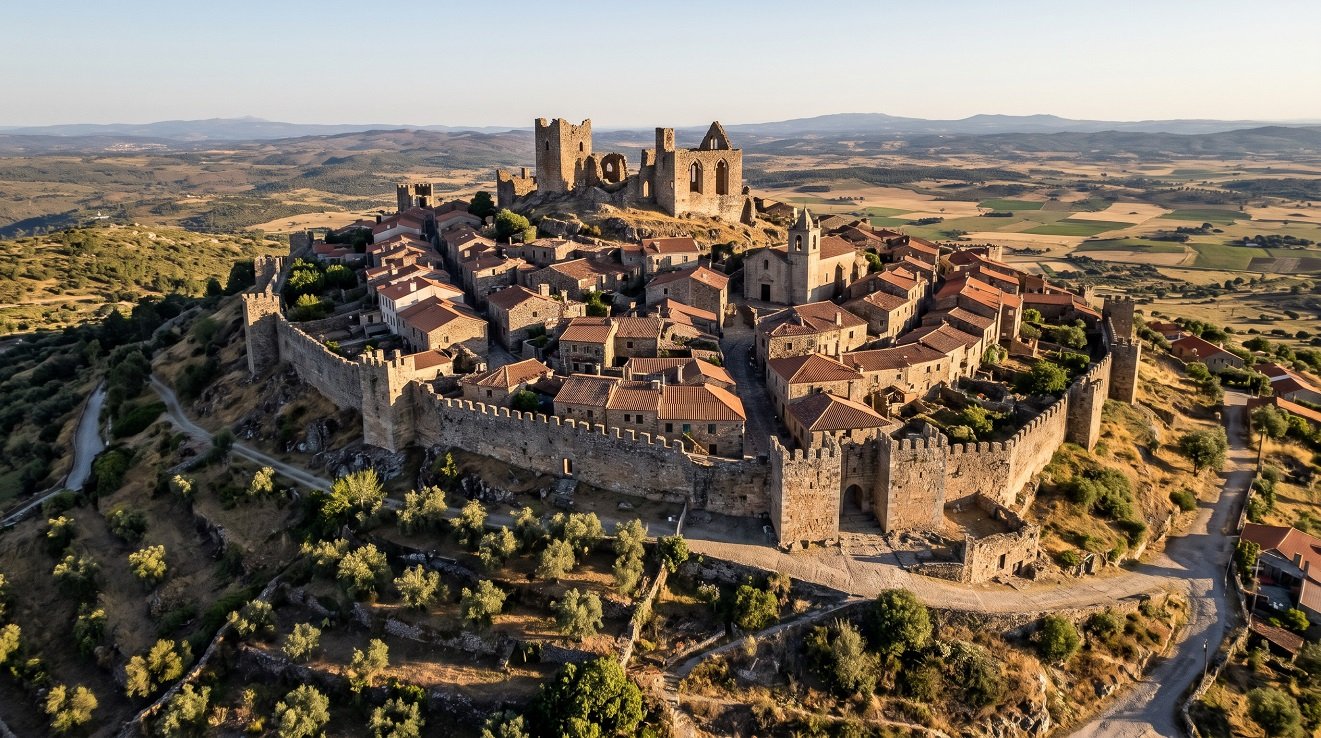
My favourite excursion from Barca d’Alva is Castelo Rodrigo, one of Portugal’s historic villages. Its granite lanes, stone doorways and ruined palace sit high above a plateau stretching towards Spain. It is quiet and atmospheric, and doesn’t feel like a theme park, which I appreciate.
The village’s history includes Jewish and New Christian communities, alongside the changing allegiances of this frontier. I’d take a guided introduction rather than assume every old marking on a doorway has an obvious explanation. The official village guide gives useful historical context.
This is an outing uphill from the river, not a stroll from the berth. Expect uneven stone paving and slopes. Shoes with grip earn their place in your luggage here.
Stay for the almond blossom
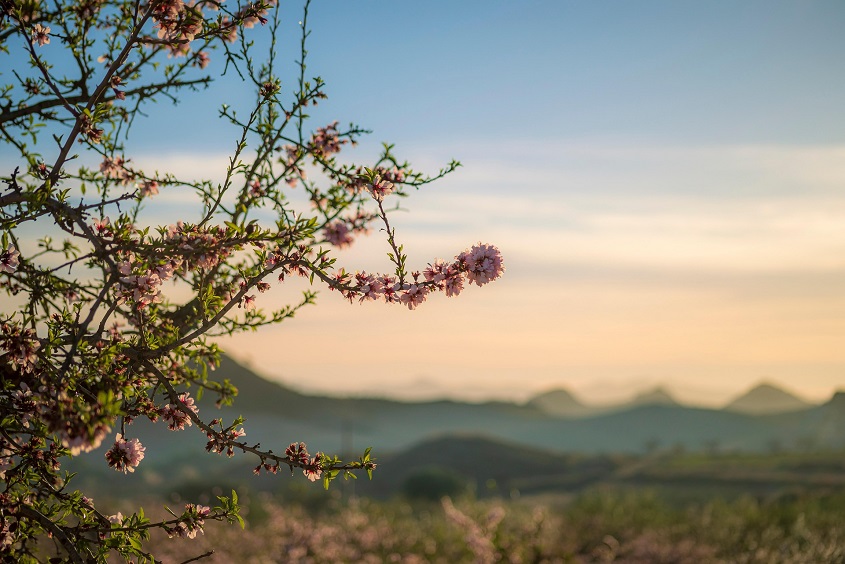
Late winter, often February or March, can bring almond blossom across the surrounding country. White and pink flowers turn the hills into confetti. It’s one of those sights that makes me wonder why more people aren’t talking about this corner of Portugal.
Flowering follows the weather, not our travel plans. If blossom is the main reason for your trip, check local reports near departure. Nor should cruise guests assume the flowering season coincides with their sailing.
Next door, with a proper journey: Salamanca
Salamanca is the big Spanish prize from this part of the valley. Treat it as a full-day outing with a substantial drive each way. The sandstone can glow beautifully in late light, and the Plaza Mayor deserves time when you aren’t simply marching through it.
The University of Salamanca dates its foundation to 1218, making it one of Europe’s oldest. Look for the tiny frog among the carvings on its famous façade. Legend gives the successful finder good luck; I’ve spent a ridiculous amount of time hunting for it. Someone will probably point it out in the end.
One practical detail: mainland Spain is one hour ahead of mainland Portugal. Check which time your guide is using before you assume there’s room for one more tapas stop. On an organised excursion, follow the meeting time given by your team.
Another detour: the Côa Valley
If you love history, make room in a separate plan for the Côa Valley’s remarkable open-air rock art. Engravings of animals including horses and aurochs connect the landscape with people who lived here tens of thousands of years ago.
The archaeological sites are visited on guided tours. Book through Côa Parque and confirm the meeting point, terrain and transport arrangements. The museum visit and a rock-art-site tour are different experiences. This is not something I’d squeeze into a spare hour before returning to a cruise ship.
What to eat and drink
- Douro wines: give the dry reds and whites your attention as well as port. Douro Superior has plenty worth tasting.
- Almonds and olive oil: useful local flavours to seek out and take home where your onward travel rules allow.
- Regional cooking: look for hearty meat dishes, stews and seasonal specials. Ask what’s available rather than expecting every small restaurant to serve the same menu.
Book a meal ahead if you’re counting on a particular restaurant in this small settlement. And if you’re driving, arrange tastings around a driver who isn’t drinking.
For Viking guests: the berth and the excursion are different places
On Portugal’s River of Gold, Barca d’Alva is associated with scenic Douro sailing and the excursion to Castelo Rodrigo. Salamanca is a separate excursion day. Check your departure’s programme for the precise sequence and arrangements.
A visit to Castelo Rodrigo involves road transport from the river. An independent plan for the Côa Valley or Spain requires much more than spare walking time. Confirm the ship’s location, all-aboard time and any movement during your absence before making arrangements.
Open my River of Gold itinerary →My verdict
Barca d’Alva isn’t the place you visit to tick off sights. It’s the place you go because the road leads there, and you want to see where it ends.
There’s a quiet magic in standing near the edge of a country, watching a river carry on without any fuss, while the old railway recalls another way of travelling. Come for the end of the line. Stay for the almond blossom—if the season obliges.