Free Spirit Travel
Free Spirit Travel
Around The World With Rob
Free Spirit Travel

Around the World with Rob

Martinique travel guide: beaches, green hills and a very good lunch

Martinique’s southern beaches may get you looking at flights. Give the green north and Creole food some attention before settling the itinerary. Use this Martinique travel guide to compare the bases, car hire and ferry options. A good lunch is much more appealing when you haven’t promised yourself an afternoon at the opposite end of the island.

By Rob Wheatley · Practical details checked November 2026

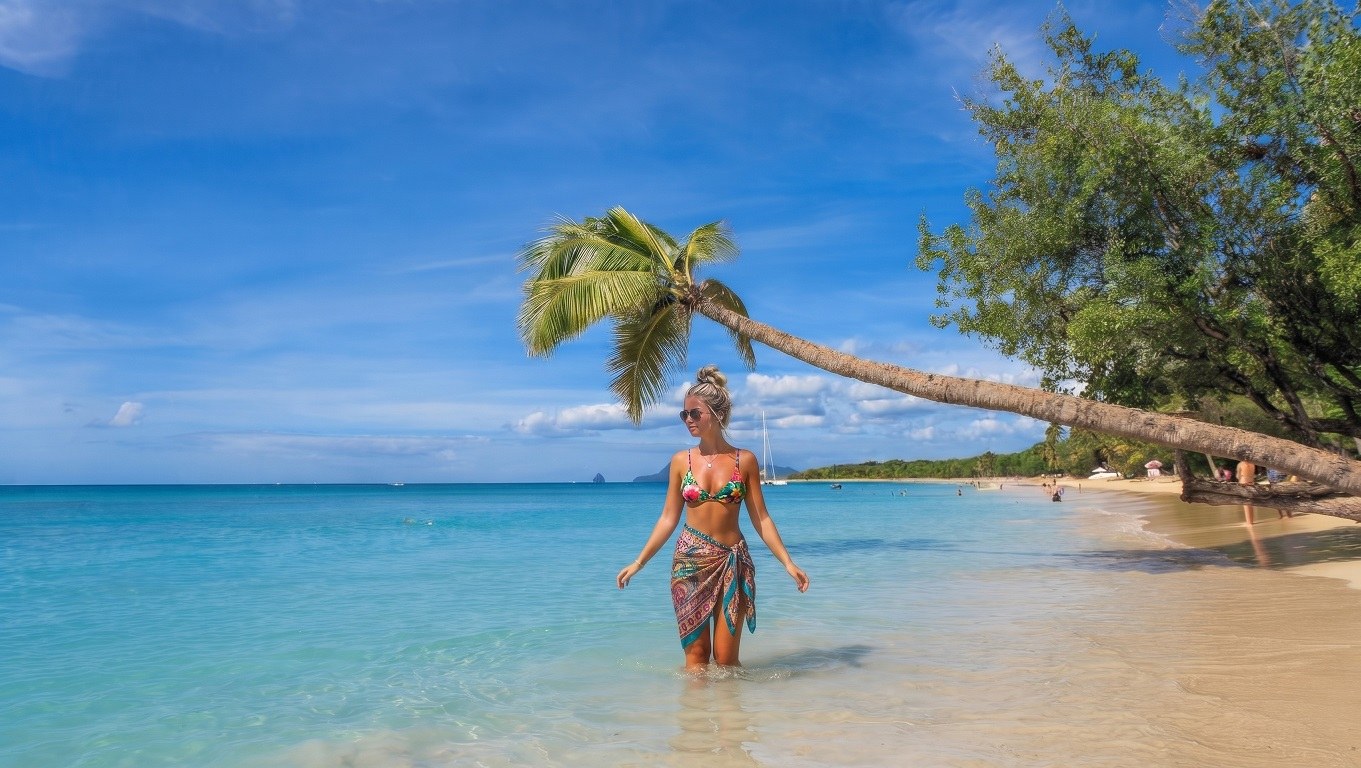
Gabi standing in shallow turquoise water beneath a leaning palm in Martinique
A little turquoise-water persuasion. Gabi in Martinique.

Rob’s take

Decide which outings matter most, then check how the days connect from your proposed base. My enthusiasm for a scenic drive tends to improve when there’s time to stop. Book fewer things on the day you want to explore and let something catch your attention.

Where should you stay in Martinique?

First, choose the holiday’s main rhythm. Then compare the exact address, rather than expecting one hotel to make every corner equally convenient.

The south: start with the beach days

Compare Sainte-Anne, Sainte-Luce and Les Trois-Îlets if beaches and visitor facilities are central to your plans. However, check the actual beach access, evening meals and transport from each property. A quiet rental and a resort area can produce very different weeks.

I’d choose for the ordinary day, not the longest facilities list.

The north: nature and history

Look into Saint-Pierre, Le Carbet and the northern interior for volcanic landscapes, forest outings and a different coastline. Also, check driving routes and local meal options. A northern stay makes more sense when you want to give this part of the island time.

Consider a second base when the north is a priority.

Fort-de-France and the central area

Research a city base if museums, markets and town time matter more than waking beside a beach. Then check how you will reach the coast. Les Trois-Îlets and the bay’s sea shuttles offer another way to combine a southern stay with time in Fort-de-France.

Convenience depends on the journeys you actually plan.

Which beaches belong in your plan?

Start with the kind of beach day you want. Les Salines near Sainte-Anne is a familiar southern choice; Anse Mitan and Anse à l’Âne are other areas to investigate around Les Trois-Îlets.

Then compare access, shade, food and the swimming conditions at the particular beach. Also, ask about steps and parking if either could make the day difficult.

The north’s volcanic coast gives a different setting from the south’s pale-sand holiday image. However, scenery is not a swimming-safety assessment. Check local warnings and conditions before entering the water.

My beach rule: choose one good afternoon, rather than four car parks. The sand is more enjoyable when you spend some time sitting on it.
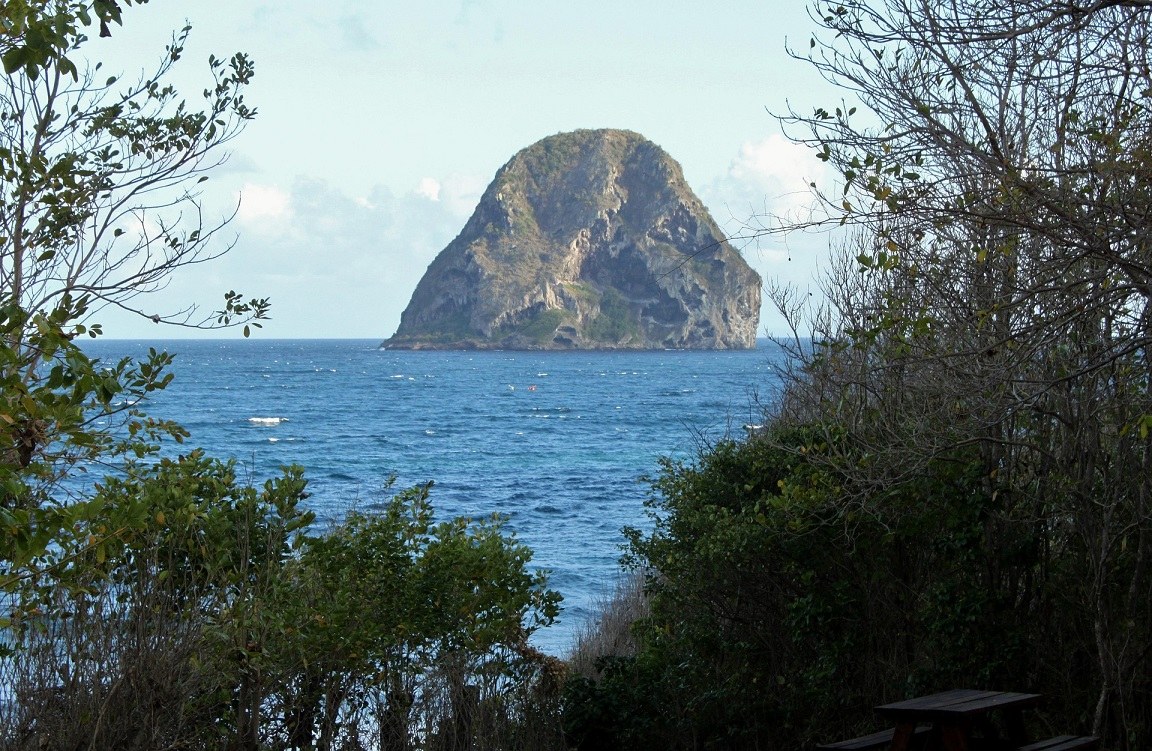
Diamond Rock seen across the sea through coastal vegetation in Martinique
Diamond Rock off Martinique’s southwest coast.

Do you need a rental car?

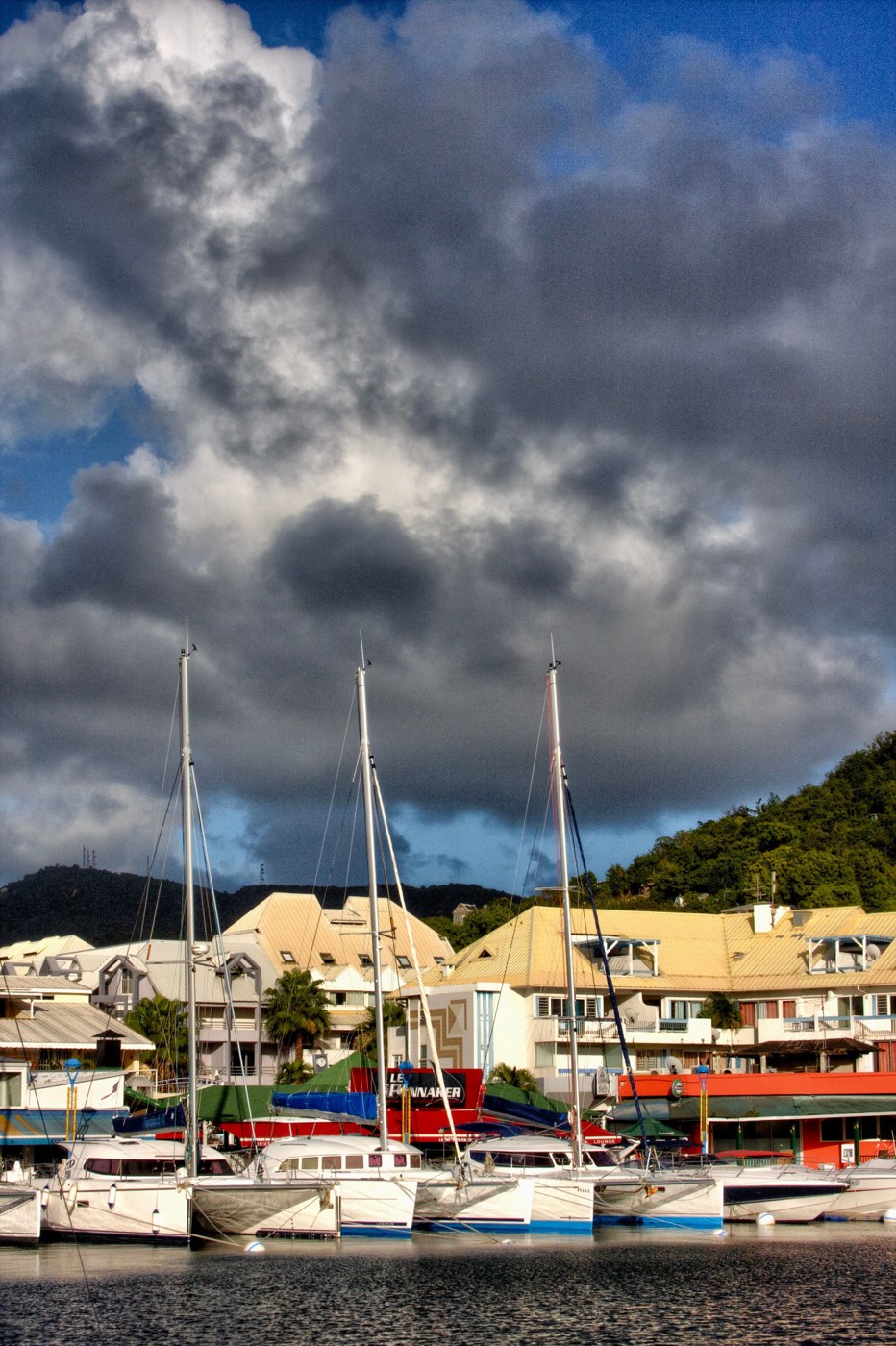
Sailboats moored beside colourful marina buildings in Martinique
Marina life in Martinique.

For a trip covering several regions, I’d investigate a car early. Official tourism guidance describes it as the most practical way to explore, while noting that roads can be steep and winding.

First, compare the complete hire cost with transfers and organised outings. Then confirm licence requirements, insurance, deposits, parking and an automatic if you need one.

Also, plan the drive home after dinner. A winding road can feel rather different after dark, especially on your first day.

A compact stay with selected excursions may work without daily driving. However, that needs a suitable base and confirmed connections. Don’t book a remote view and expect spontaneous public transport to do the rest.
Can the sea shuttle help you avoid a drive?

Sea shuttles connect Fort-de-France with several places around the bay, including parts of Les Trois-Îlets. They can make sense for a city visit from a southern base.

  1. First, identify the exact pier near your accommodation.
  2. Then check the current route, timetable and fare with the operator.
  3. Also, confirm the last useful return and your alternative if services change.
  4. Finally, allow time to walk or travel between the dock and your actual destination.

For buses, check Martinique Transport’s current routes rather than assuming every beach or trail has a convenient connection. A line on the network map is only the beginning of the plan.

Saint-Pierre and Mount Pelée deserve time

Saint-Pierre’s ruins and museums tell the story of the devastating 1902 eruption. I’d allow time to understand the place, rather than treating it as a quick stop beneath a photogenic volcano.

Mount Pelée remains an active, monitored volcano. First, check current access, weather and local advice before planning a hike. Then choose a route suited to your fitness and the group’s experience.

Also, remember that the summit is optional. Tourism information lists geology and interpretation sites around the volcano for visitors who want the story without the climb.

For me, that is a useful distinction: visiting a landscape does not require conquering its highest point.

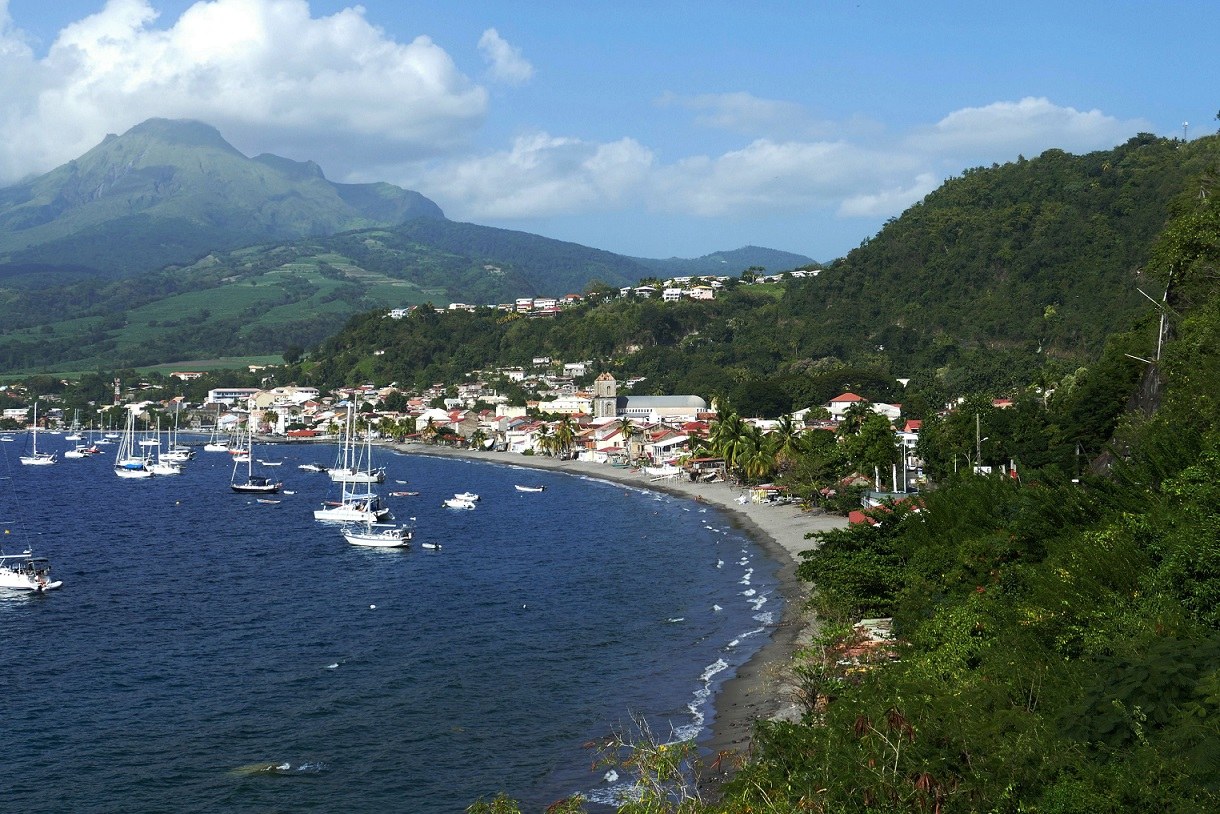
Saint-Pierre waterfront, moored sailboats and green volcanic slopes in Martinique
Saint-Pierre: waterfront life beneath the green northern slopes.

Make room for town life and history

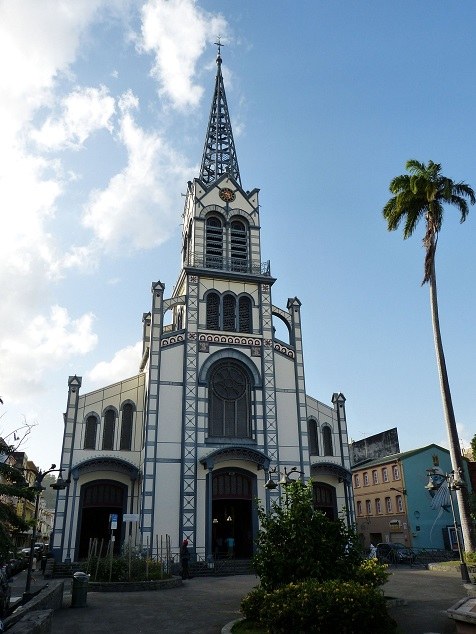
Cathedral facade and tall spire beside a palm in Fort-de-France
The cathedral in Fort-de-France.

A beach holiday here can still include a morning in Fort-de-France, a market visit or time in a museum. First, choose what interests you, then check opening days and the journey.

Also, give Martinique’s Creole identity space alongside the French administrative connection. The island deserves more than a description as France with palm trees.

For historic estates or a distillery visit, look for interpretation that explains the people and labour behind the landscape, as well as the architecture and products. Then leave time for questions. A good guide can add more than another hurried stop.

Accras first. Sensible eating can wait.

Accras de morue are small cod fritters, often eaten as an appetiser. You may also find vegetable or shrimp versions. I’d start with a hot portion and accept that my interest in lunch has now become quite serious.

Also, look for ti nain lan mori, a dish built around green bananas and seasoned cod. Ask the kitchen about its version and accompaniments rather than expecting every plate to match a photograph.

Markets offer another introduction to local produce and seasonings. Then there are fresh fruit drinks for the moment when the afternoon has become warmer than your enthusiasm for walking.

If allergies or dietary needs matter, ask about the preparation and sauce. A familiar-looking fritter is not an ingredient list.

Rhum agricole: visit with a plan for getting home

Martinique’s rum culture deserves attention beyond a souvenir bottle. The island is known for its AOC-labelled rums, and distillery visits can add context to what is in the glass.

First, check which tours, production areas or tastings are available for your dates. Then arrange transport before the tasting, rather than allowing optimism to become the designated driver.

Also, check whether the experience will interest everyone travelling. A heritage visit and a long tasting are different afternoons, even when they share an entrance.

Do you need a passport or a French visa?

Martinique is part of France, but outside the Schengen Area. A standard short-stay Schengen visa is not automatically permission to visit Martinique.

First, use France-Visas to check your nationality, residence status and proposed stay. Then confirm passport validity, supporting documents and any transit requirements for the full route.

For U.S. citizens, official guidance generally allows a tourist stay of under three months without a visa. However, check the current requirements and your circumstances before booking.

Also, keep proof of accommodation and onward or return travel accessible. An island holiday still comes with paperwork; the palms do not run the immigration desk.

Euros, French and the full holiday budget

The currency is the euro. First, compare prices in euros and include your bank’s conversion or card fees. Then check the complete accommodation total, including any cleaning or local charges.

Also, learn a few French basics. A greeting and a polite question make a better opening than assuming everyone will switch to English immediately.

  • Accommodation: compare final totals and cancellation terms.
  • Movement: include hire, fuel, parking, transfers or tours.
  • Meals: budget for the places you actually want to eat.
  • Outings: add admission, guides and equipment where relevant.

I’d spend on a useful base before adding an ambitious excursion list. A holiday can become expensive simply by making every pleasant thing inconvenient.

When to visit, and how long should you allow?

Start with the activities you want and compare availability for your dates. Then check accommodation, flights and transport as a complete trip.

Atlantic hurricane season runs from June through November. However, a seasonal label cannot promise the weather for a particular week. Mountain outings and boat plans need flexibility too.

For three or four nights, I’d choose one base and a small number of priorities. With a week or longer, consider a north–south split if both landscapes matter to you.

Also, count the useful days after arrival and before departure. Moving hotels is worthwhile only when the extra time in a region repays the packing.

What safety checks matter?

At my November 2026 check, U.S. travel guidance listed Martinique at Level 1: exercise normal precautions. It also describes petty street crime and cautions against leaving valuables visible or unattended.

First, arrange reliable transport after dark and secure your belongings before a beach day. Then check local conditions for swimming, walks and mountain routes.

Also, confirm medical cover and the activities included in your policy. Follow current local health advice and take sensible precautions against mosquito bites.

On a cruise call, choose a compact plan with a dependable return. The island has plenty to offer; you are not required to fit it all between breakfast and the gangway deadline.

Sources and details to recheck

Official tourism, government and local destination sources support the practical details here. My planning suggestions are my own. However, entry rules, access, services and conditions can change.

Open the source list

Martinique: which part has your attention?

A southern beach base, a northern stay or a little of both? Share your plans, a useful transport lesson or the local dish you would order again.

Back to top ↑

Leave a Reply

Your email address will not be published. Required fields are marked *