ASIA LANE
South Korea Travel Guide: Fast Cities, Slow Corners, and a Route That Feels Human
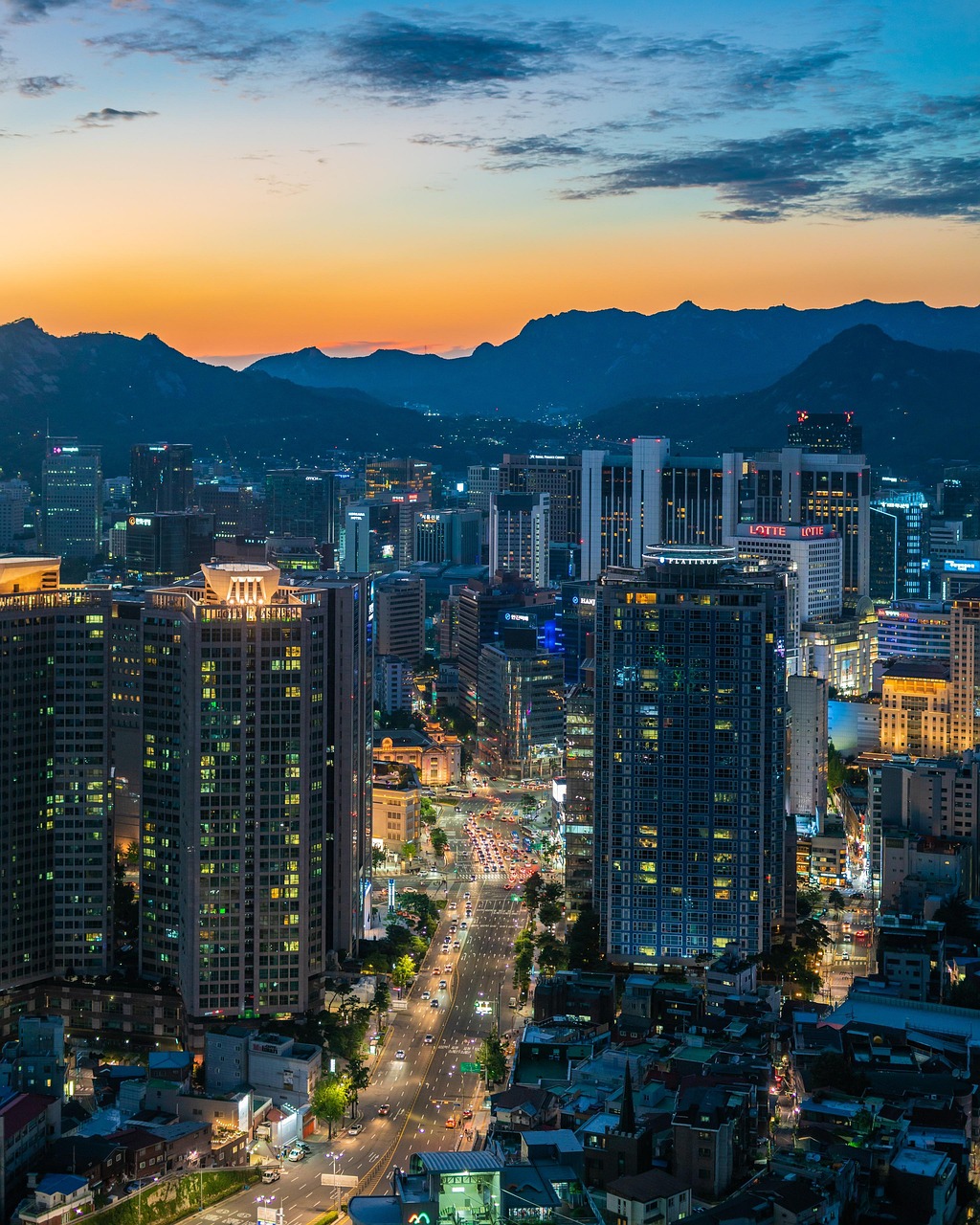
This South Korea travel guide takes you from Seoul’s energy to coastal views and historic towns. However, a packed route can make even efficient transport feel tiring.
My framework here: one high-energy city anchor, one cultural or coastal contrast, and one pace-down day every 3–4 days.
For example, pair Seoul and Busan with Gyeongju, Jeonju, Sokcho or Jeju, rather than trying to cram in six stops.
Need the Gist? (60-Second Scan)
South Korea works best when you control pace, not just distance.
- Best first move: Start in Seoul, then choose one or two contrasting bases.
- Ideal first trip: Allow eight to twelve days, so you have time to enjoy each place.
- Classic mistake: Trying to fit a K-drama montage into every day. Instead, leave room for surprises.
- Big win: After a busy city day, choose a slower heritage or coastal outing.
- My rule: Also, leave a free block each day without a checklist.
Korea is easy to move through, but easy movement can trick you into over-scheduling.
- High-speed trains and metros make many journeys straightforward, but check connections before choosing your bases.
- Food varies by region, so make time to try local dishes.
- Distinct contrast between Seoul pace and regional/costal rhythm.
- Four distinct seasons change the experience; therefore, check the weather for your dates.
60-Second Fit Check
- Ideal style: City culture + food + day-trip flexibility.
- Energy level: Medium to high in Seoul/Busan, medium elsewhere.
- First-timer friendly: Yes, especially with 2–3 bases max.
- Budget vibe: Mid-range friendly with premium spikes in hotspot districts.
- Transport spine: KTX + metro + selective domestic flight/ferry.
The Korea That Clicks: Anchor City, Cultural Contrast, Coastal Reset
The structure that holds up well: Seoul anchor + one heritage layer + one coast or nature reset.
Example: Seoul for urban energy, Gyeongju or Jeonju for history/food depth, then Busan or Sokcho/Jeju to reset your nervous system and pace.
My blunt take: if you keep changing hotels for small gains, you lose trip quality. Build around fewer bases and better day structure.
Days 1–4 Seoul, Days 5–7 heritage/culture base, Days 8–10 coast/nature reset, Day 11 buffer.
Vibe Check: Which South Korea Are You Here For?
Pick a dominant travel lane first, then add one contrast lane.
Urban Momentum + Creative Energy
Seoul neighborhoods, design districts, cafés, shopping streets, and late-night food flow.
History + Heritage Rhythm
Gyeongju, Jeonju, palaces, hanok areas, and slower cultural learning blocks.
Coastal + Mountain Reset
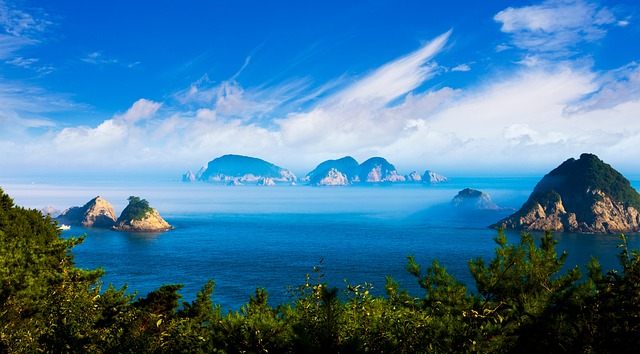
Busan, Sokcho/Seoraksan, or Jeju for coastline, hikes, sea air, and recovery pacing.
South Korea in Four Seasons (Text + Icons)
Each season changes the experience. For example, summer heat calls for a different pace from spring or autumn.
Spring
Best for: city walks and blossoms, although temperatures can still vary.
Summer
Best for: festivals and coastal trips, but expect heat, humidity and periods of heavy rain.
Autumn
Best for: foliage and comfortable temperatures; however, popular weekends can be busy.
Winter
Best for: city breaks and skiing, although some outdoor activities depend on weather.
Your season changes what is comfortable. Therefore, build in shade and indoor stops during summer heat.
Daily Rhythm Comparison (South Korea Edition)
Choose a daily tempo that matches your energy and attention span, not social media pressure.
City Pulse Rhythm (Seoul)
- Morning: Explore one district or visit a museum.
- Midday: Have lunch, then take an indoor break.
- Late afternoon: Visit another neighborhood if you have energy.
- Evening: Choose a food market, then enjoy an easy walk.
- Energy load: Medium to high.
Culture Rhythm (Gyeongju / Jeonju)
- Morning: Start at a heritage site.
- Midday: Enjoy lunch, then take a slower neighborhood walk.
- Late afternoon: Choose a temple, palace or garden.
- Evening: Finish with a calm dinner, then enjoy an early night.
- Energy load: Medium.
Coast Reset Rhythm (Busan / Jeju)
- Morning: Take a seaside walk or a light hike.
- Midday: Stop at a café for lunch and a rest.
- Late afternoon: Choose a beach, coastal path or market.
- Evening: Try seafood, then leave time to unwind.
- Energy load: Low to medium.
Alternating city-intense days with lower-intensity days makes Korea trips feel richer and less rushed.
Rob’s Tips: One Food Win + One Activity Win
Anchor one meal memory and one movement memory to avoid “blur trip” syndrome.
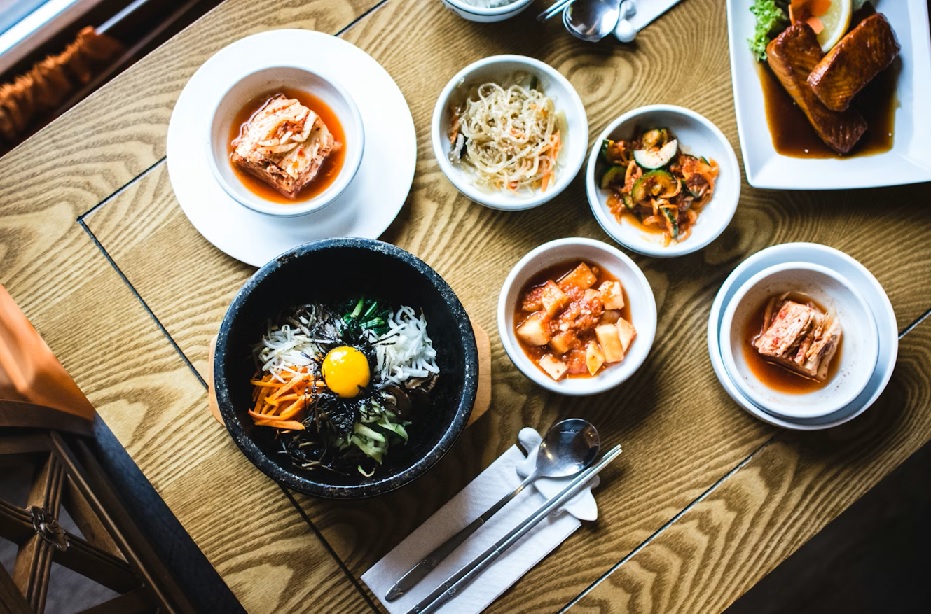
Food pick: One intentional Korean BBQ or hanjeongsik session
Choose one meal you experience fully instead of three rushed “quick bites.” In Korea, table culture is part of the memory.
Activity pick: Sunrise or sunset city-to-nature walk
Korea shines in transition moments—river paths, temple hills, or coastal walkways where city and calm overlap.
Deliberate food + deliberate movement gives you texture, not just photo collection.
Safety: Suggestions, Warnings, and Calm Ground Rules
South Korea is generally straightforward for travelers, but smart habits still matter.
Smart habits
- Before you leave, save emergency contacts and accommodation details offline.
- For late returns, check routes with official transport information.
- In hot weather, drink water and allow breaks.
- Carry some cash, but keep a backup card separately.
- Also, save tickets and confirmations together for easy access.
Warnings worth respecting
- Over-stacked itineraries reduce enjoyment faster than expected.
- Popular places can be busy at weekends, so allow extra time.
- Weather can affect coastal or mountain outings; therefore, keep an alternative.
- Late-night fatigue is often a bigger risk than the destination itself.
- Before leaving, check current official travel advice.
Pacing matters, but it is only one part of a safe trip. Check weather, transport and official advice for your route.
Official checks before departure
Women travelers: confidence plan
- Choose a well-reviewed stay near transport, so returning after a long day is easier.
- After arriving, get to know the neighborhood in daylight.
- For late returns, choose direct and well-lit routes.
- If a situation feels uncomfortable, move to a busy public place.
South Korea Travel Guide: Planning Essentials
Get the setup right once and the whole trip runs cleaner.
Entry + pre-arrival setup
Before booking non-refundable travel, check entry requirements for your passport.
Rail and intercity movement
Plan major intercity journeys first, then add local outings.
Money + payment rhythm
- Cards are widely accepted, but a little cash is useful for smaller purchases.
- Set a daily KRW envelope with USD oversight in your tracker.
- Also, keep an eye on small daily purchases.
Connectivity + map discipline
- Before a transfer, download maps and station details.
- Then save your accommodation address in Korean and English.
- Also, keep ticket screenshots accessible offline.
Base Plans: 3 South Korea Structures That Work
City, Coast and Gyeongju
- This route balances city life, coastal views and history.
- For easier travel, check rail connections before booking.
- Allow nine to twelve days, so you have time at each stop.
Food and Heritage: Seoul to Busan
- This route puts food and culture first, with fewer rushed days.
- For a more relaxed visit, linger over local meals and neighborhoods.
- Allow eight to eleven days, then adjust for your pace.
Mountains and Island: Seoul, Sokcho and Jeju
- Start in Seoul, then add mountain or coastal time.
- This suits travelers who want to balance active and quieter days.
- For this route, allow roughly ten to thirteen days.
Costs: What Actually Moves the Budget
Where people overspend
- Frequent hotel changes can eat into your day, so consider a longer stay.
- Several paid attractions can add up; instead, choose the ones you most want to see.
- Unplanned food delivery/snack/café creep.
- During busy travel periods, book important stays and journeys early.
- Too many day trips can mean long journeys, so leave a free day at your base.
How to keep it sane (USD-first mindset)
- Set daily USD caps, transact in KRW locally.
- First, book the accommodation and transport you need most.
- Choose one premium food experience every 2–3 days.
- Then balance busy days with lower-cost, relaxed activities.
South Korea can suit different budgets. However, accommodation and transport choices make a difference.
Un-Googleable South Korea: Small Moves, Big Difference
Cluster plans by neighborhood, not attraction type
You’ll save time, reduce transit fatigue, and actually enjoy each zone.
Protect your first evening in each new base
Do one light walk + one good meal, then sleep. Tomorrow will be better.
Build one “weather pivot” option daily
If rain or heat changes your plans, choose an indoor alternative.
Don’t chase every viral café/spot
Instead of adding more stops, choose places that fit your route and energy.
Gap Analysis: Is South Korea Right for Your Style?
You’ll love it if…
- You enjoy modern city systems with strong culture under the surface.
- You also want food to be a memorable part of each day.
- You appreciate efficient transport, but still want a manageable route.
- You appreciate structured planning with flexible blocks.
Plan around it if…
- You prefer complete spontaneity; if so, check availability for key journeys.
- If busy cities tire you, add a quieter stop between them.
- You tend to overbook days, so schedule time to rest.
South Korea rewards route clarity, realistic daily pace, and deliberate contrast between city and calm.
South Korea FAQs
Short answers to practical planning questions.
How many days do I need for a first South Korea trip?
Eight to twelve days is a strong window for Seoul plus two contrast bases.
Is Seoul enough for a first trip?
Seoul is a great anchor, but adding one heritage or coastal base improves trip depth significantly.
Is South Korea easy for first-time travelers?
Yes—especially with a simple 2–3 base structure and pre-planned intercity legs.
What breaks trips most often?
Overpacked daily schedules and too many accommodation changes.
What should I confirm before departure?
Entry requirements, transport bookings, weather windows, and official advisories.
Join the conversation
Are you planning South Korea as Seoul-first, coast-first, or culture-first? Share your route and timing so fellow travelers can learn from your structure too.