NORTH AFRICA LANE
Egypt Travel Guide: Pyramids, Nile Rhythm, Red Sea Resets — Without Burnout
Egypt hits hard in all the best ways: ancient scale, layered cities, desert horizons, and the Nile tying it all together. The secret is pacing.
My planning rule here is simple: one history anchor, one movement lane, and one recovery lane. That keeps Egypt memorable instead of exhausting.
For most first-time trips, I’d run Cairo + Giza, then choose Upper Egypt (Luxor/Aswan) or a Red Sea reset—not both at full speed.
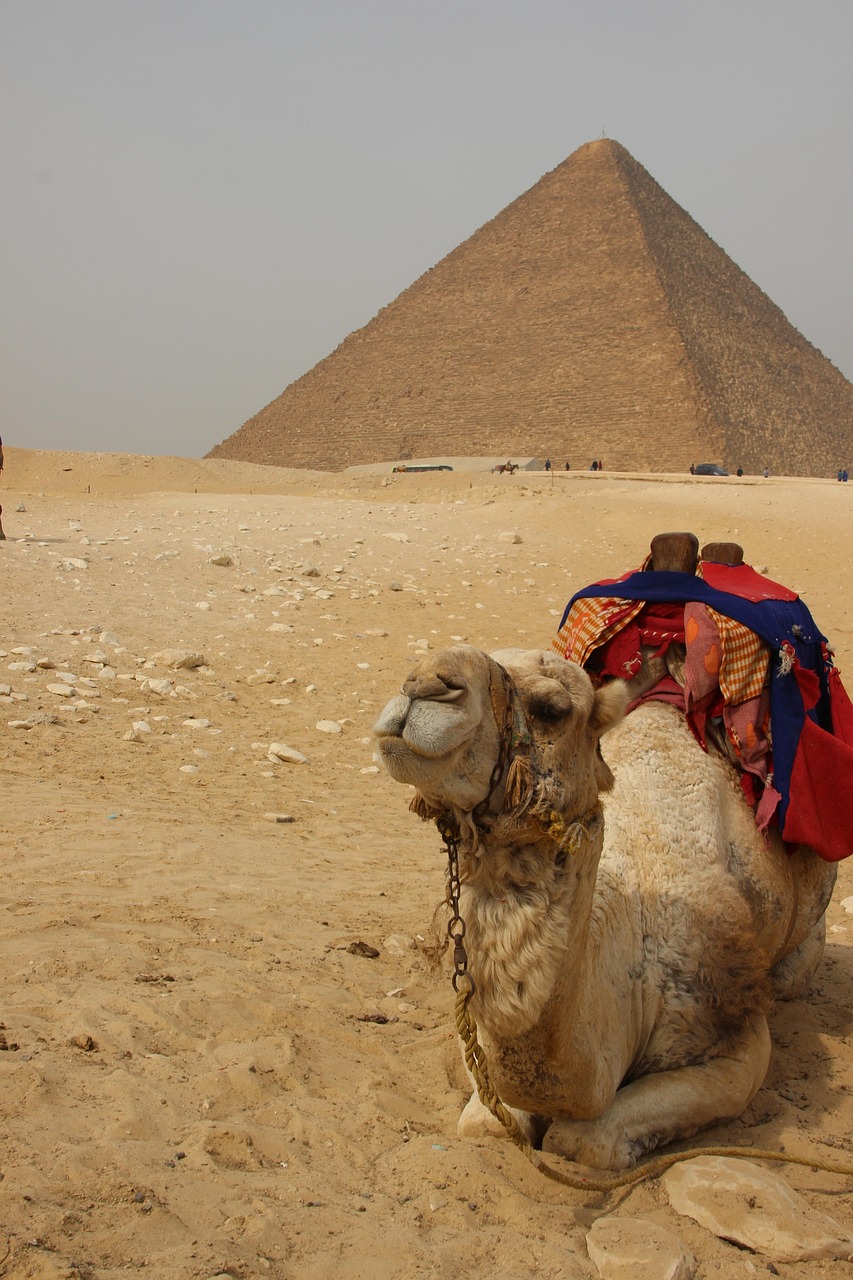
In a Nutshell (60-Second Scan)
Egypt works best when you pair ancient highlights with intentional recovery days.
- Best first move: Use Cairo as orientation base for 2–3 nights.
- Ideal first trip: 8–11 days gives depth without sprinting.
- Classic mistake: Trying Cairo + Luxor + Aswan + Red Sea too fast.
- Big win: Build in one low-effort day after each heavy transit day.
- My rule: “One wonder per day” beats checklist stacking.
Egypt rewards respect for distance, heat, and energy. Force pace, and the trip starts fighting you.
- Egypt’s headline experiences cluster into Cairo/Giza, Upper Egypt, and Red Sea lanes.
- The Nile leg is often the easiest way to keep a coherent route rhythm.
- Museum + temple days are rich—schedule fewer, deeper visits.
- Early starts beat midday heat in many inland periods.
60-Second Fit Check
- Ideal style: History + culture + contrast.
- Energy level: Medium/High (depending on transfer load).
- First-timer friendly: Yes, with clear route logic.
- Budget vibe: Wide range; biggest swings come from transport and hotel tier.
- Transport spine: Flight/rail blend + targeted transfers.
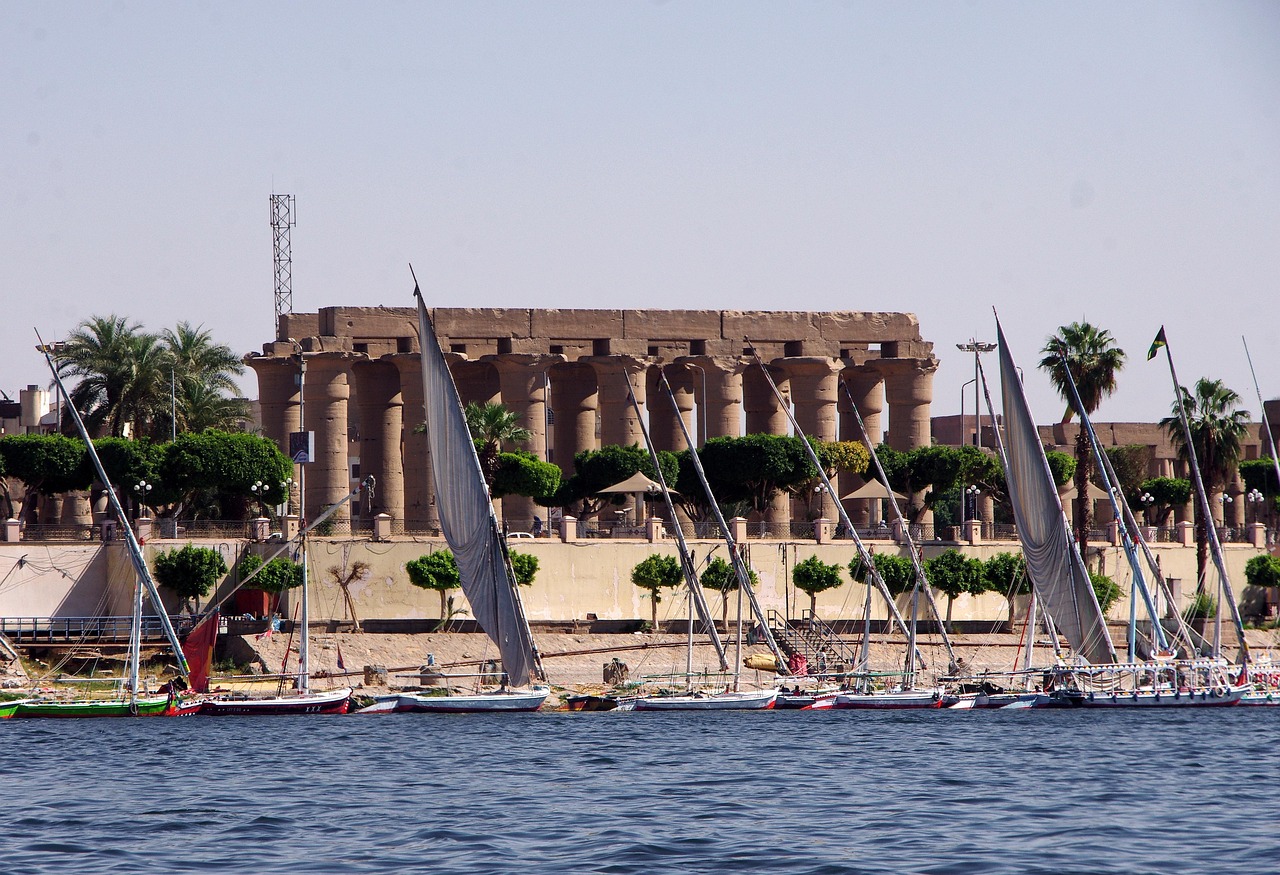
The Egypt That Clicks: One Ancient Anchor, One Flow Lane, One Reset
The cleanest Egypt structure is this: Ancient anchor (Cairo/Giza) + flow lane (Luxor/Aswan) + reset lane (Red Sea or slower Cairo day).
You get iconic depth, movement, and breathing room. That combo prevents “monument fatigue” and keeps your energy steady.
Your reset matters more than most travelers realize. After days of history overload, your brain needs processing time. A Red Sea stop (Hurghada, Sharm el-Sheikh) isn't just beach time - it's integration time. Or build in a slower Cairo day: wander Khan el-Khalili market, sit in a cafe, let the experience settle.
Most people either cram too much (temple after temple until it all blurs) or skip the flow entirely (Cairo only, missing the soul of Upper Egypt). This three-part structure respects both the magnitude of what you're seeing and your human need for varied pacing.
The ancient sites aren't going anywhere. Your attention span and genuine wonder are the limiting factors - protect them.
My blunt take: If every day is a major site day, you stop absorbing what you came to see. Build pauses on purpose.
2–3 days Cairo/Giza, 3–4 days Upper Egypt, then either one coast reset day or one low-effort city recovery day.
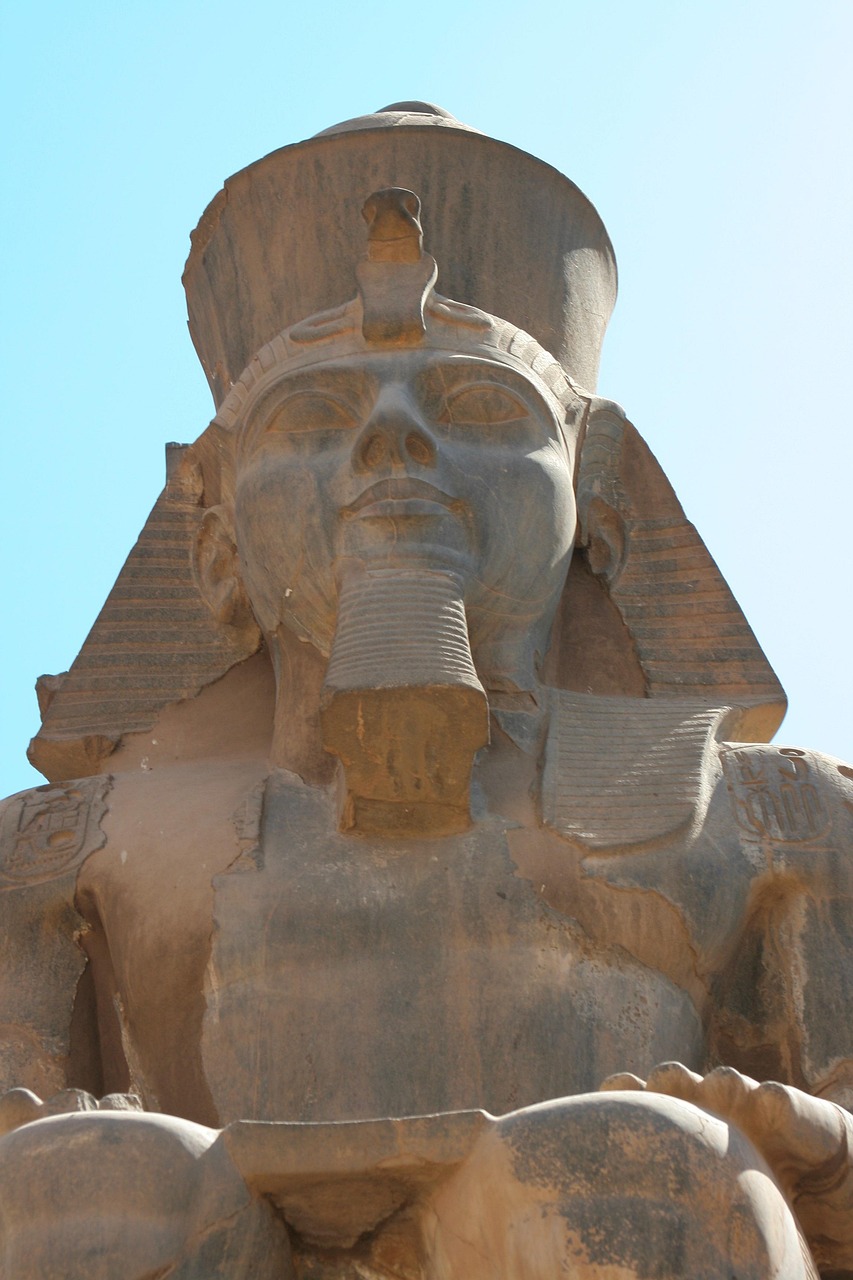
Vibe Check: Which Egypt Are You Here For?
Pick your lane first, then choose the route.
Ancient Core
Pyramids, museums, temples, and long-form historical immersion.
Nile Flow
Luxor/Aswan rhythm, scenic movement, and heritage without constant repacking.
Sea Reset
Red Sea downtime after dense history days—great for balance and energy recovery.
Nile cruising option if you want unpack-once comfort

If you want less repacking and smoother route flow, a Nile cruise can be a strong strategy in Egypt. You keep one cabin base while still accessing major Upper Egypt sites through guided days.
- Great for smoother Luxor–Aswan logistics.
- Useful when you prefer guided site flow over daily DIY transfers.
- Pairs well with a Cairo pre- or post-cruise stay.
Egypt in Four Seasons (Text + Icons)
No image placeholder here by design—clean planning, quick scan.
Spring
Best for: broad route flexibility and balanced daytime conditions.
Summer
Best for: travelers comfortable with heat management and early-start planning.
Autumn
Best for: shoulder-season structure with easier sightseeing rhythm.
Winter
Best for: history-heavy itineraries and daytime walking comfort in many areas.
Egypt is a timing destination: earlier starts and planned midday breaks change everything.
Rob’s Pointers: One Food Win + One Movement Win
One real taste, one active moment, and your trip feels lived—not skimmed.

Food pick: Local koshari/feteer lane
Pick one trusted local spot and eat intentionally—don’t just graze between monuments. Egypt’s food culture deserves an actual seat at your itinerary table.
Activity pick: Sunrise riverfront, coast or old-quarter walk
Go early once. You’ll catch cleaner light, calmer streets, and better photo + orientation windows.
One sensory food memory + one early active window anchors the whole trip.
Safety: Suggestions, Warnings, and Calm Street Rules
Keep it practical, current, and route-specific.
Smart habits
- Use licensed transport and verified operators for longer moves.
- Keep valuables low-profile in dense city and transit zones.
- Carry small cash + backup card in separate locations.
- Store hotel pins and offline maps before out-and-back days.
- Confirm guide credentials for specialist site tours.
Warnings worth respecting
- Regional conditions can vary—route decisions matter more than country-level summaries.
- Avoid late isolated movements in unfamiliar areas.
- Heat, dehydration, and fatigue can become safety issues quickly.
- Keep passport copies and critical booking docs accessible offline.
- Recheck advisories close to departure and again before internal transfers.
Most problems are planning problems. Good routing and energy management solve a lot.
Official checks before departure
Women travelers: confidence plan
- Use well-reviewed stays in predictable districts.
- Do a daylight orientation loop on arrival day.
- Dress with local context in mind where norms are more conservative.
- If a situation feels off, step into busier, trusted spaces immediately.
Logistics Lite
Set these once and the trip runs smoother.
Entry + visa rhythm
Rules vary by passport. Confirm official requirements before non-refundable bookings.
Transport backbone
Use a flight/rail blend for long distances, then add targeted local transfers.
Money + payments
Egypt uses EGP. Card use is common in major hotels and many formal businesses, while cash still matters in day-to-day street contexts.
- Carry small denominations for taxis, tips, and smaller vendors.
- Split cash/card reserves across bags or pockets.
- Track ATM and card FX fees so they don’t leak your budget.
Connectivity + maps
- Download offline maps before heavy movement days.
- Store accommodation pins in both map and notes apps.
- Screenshot transport and ticket references for low-signal moments.
North Africa Currency Snapshot
If you’re combining countries in one trip, this saves you from avoidable FX confusion.
Egypt
EGP — Egyptian pound
Plan your day budget in USD, track actual spend in EGP.
Morocco
MAD — Moroccan dirham
Good to know if you’re running a west-to-east North Africa route.
Algeria
DZD — Algerian dinar
Don’t assume cross-border card/payment behavior is identical.
Tunisia
TND — Tunisian dinar
Always verify current cash/card practicals by region and city.
Libya
LYD — Libyan dinar
Use official travel advisories before any planning assumptions.
Planning Rule
No shared North Africa currency exists, so route-specific FX planning matters.
Withdraw smaller amounts more frequently, instead of over-carrying cash across borders.
Base Plans: 3 Egypt Structures That Work
Plan A: Cairo + Giza + Luxor
- Strong first-timer history route.
- Clear sequence and high iconic value.
- Add one recovery day after transfer.
Plan B: Cairo + Nile Flow (Luxor/Aswan)
- Balanced movement and depth.
- Good for travelers who hate constant hotel switching.
- Great for photo and slow-history rhythm.
Plan C: Cairo + Alexandria + Red Sea Reset
- History + sea + softer pace mix.
- Works for mixed-interest travel partners.
- Easy to tune for 7–10 day windows.
Costs: What Actually Moves the Budget
Where people overspend
- Last-minute internal flights under schedule pressure.
- Over-stacked private day tours without recovery days.
- High-friction transfer routes that burn both money and time.
- Hotel switching too often for short gains.
- Peak windows booked late.
How to keep it sane (USD-first mindset)
- Set a daily USD budget lane, then track actual spend in EGP.
- Book critical long-distance legs early.
- Choose one premium experience, not five average add-ons.
- Protect one free half-day every 2–3 days.
Egypt can be strong value—transport timing and pace decisions usually decide the outcome.
Un-Googleable Egypt: Small Moves, Big Difference
Front-load your hardest days
Do high-effort monument days early, while decision energy is high.
Keep one “no-plan” evening
Egypt has serendipity; a little open space lets the trip breathe.
Use morning windows for flagship sites
Better pace, better heat management, better photos, fewer frictions.
Treat transit days as real days
Don’t stack major site expectations on travel-heavy days.
Gap Analysis: Is Egypt Right for Your Style?
You’ll love it if…
- You enjoy big-history travel with strong visual payoff.
- You can handle adaptive pacing and early starts.
- You want contrast: city, river, desert, and coast options.
- You prefer one country with multiple trip identities.
Plan around it if…
- You only want ultra-slow, zero-movement itineraries.
- You dislike heat logistics and route planning.
- You’re trying to “do everything” in one short trip.
Egypt rewards structure and curiosity. It punishes rush and over-ambition.
Egypt FAQs
Short answers to practical planning questions.
How many days do I need for a first Egypt trip?
Eight to eleven days is a strong first-trip range for depth with breathing room.
Do I need internal flights?
Often yes for time efficiency, but some routes work well with rail plus targeted transfers.
Is Egypt expensive?
It can be very manageable, but rushed transport choices and premium hotel lanes move the budget fast.
Can first-time travelers do Egypt confidently?
Yes—route clarity, realistic pacing, and current safety checks make a huge difference.
What should I verify just before departure?
Entry rules, official advisories, weather by route, and your key transfer confirmations.
Join the conversation
Are you planning Egypt as a Cairo-first history trip, a Nile flow route, or a history-plus-sea balance? Share your draft route and where you feel stuck so others can learn from your planning choices too.