SLOVENIA, WHERE ALPINE DRAMA MEETS MEDITERRANEAN CALM
Slovenia Travel Guide: Alpine Beauty,
Underground Wonders & Europe's Best-Kept Secret
This Slovenia travel guide helps you choose between Ljubljana, Lake Bled, the Julian Alps and cave visits. First decide which experiences matter most, then build a route with time to enjoy them. Compare bases, seasons and transport before booking, and leave room for a slower day rather than filling every gap with another transfer.
Slovenia is the trip you didn't know you needed: Julian Alps drama without the Alpine price tag, emerald lakes that look Photoshopped but aren't, underground caves that feel like another planet, and a capital city so charming it makes you forget bigger European capitals exist. All packed into a country smaller than New Jersey.
My Slovenia approach is simple: stay longer than you think. Most people give it 3–4 days on a "Central Europe loop." That's a crime. Slovenia rewards slow movement: one mountain base (Lake Bled or Bohinj), a couple of days in Ljubljana, one underground adventure (Postojna or Škocjan Caves), and if you have time, a detour to the Adriatic coast at Piran.
Straight talk: Slovenia punches wildly above its weight. You get Alps-level landscapes, Italian-level food culture, and prices that feel like a cheat code compared to Switzerland or Austria next door. The catch? Everyone's catching on. So if you want Slovenia before it becomes "the next Croatia," go now — and go slow.
In a Nutshell (60-Second Scan)
If you only read one part, read this. Slovenia is Europe's "how is this place real?" country — Alps-level beauty at half the cost, and your trip gets better the moment you stop treating it like a stopover.
- Best first move: Ljubljana (2 days) + Lake Bled/Bohinj base (3–4 days) + Postojna Caves (half day) — that's the core.
- When it clicks: When you realize Slovenia gives you Switzerland views, Italian food culture, and prices that don't hurt.
- Money truth: Slovenia is excellent value — especially compared to Austria/Switzerland next door. Your budget goes far here.
- Easy win: Lake Bled as your mountain base. You get the postcard view, hiking access, and day-trip reach.
- Classic mistake: Giving Slovenia 2 days on a "Central Europe sprint." Stay longer — it rewards depth.
- Quiet flex: Slovenia has underground cave systems so dramatic they feel fictional — and they're easy day trips from anywhere.
Slovenia rewards this formula: 1 city + 1 mountain base + 1 underground wonder + 1 coastal detour (if time allows). Less rushing, more wonder, better stories — and your wallet stays happy.
60-Second Fit Check
- Ideal trip length: 7–10 days (Ljubljana + mountain base + caves + optional coast). 5 days works for a tight "greatest hits" trip.
- Best energy level: Medium — Ljubljana is walkable, mountains offer as much/little effort as you want.
- First-timer friendly: Absolutely — small country, easy logistics, English widely spoken, infrastructure excellent.
- Budget vibe: Mid-range heaven — great value without feeling "budget." Luxury exists but isn't necessary.
- My simple rule: If you want maximum "Slovenia magic," prioritize mornings (light on lakes) and shoulders seasons (fewer crowds).
The best Slovenia trips aren't the ones that hit every region — they're the ones where you wake up early at Lake Bled, watch the mist lift off the water, and think "how is this place not more famous?"
The Slovenia That Clicks: Ljubljana + Mountain Base + One Underground "Wow"
If you want Slovenia to feel like Slovenia (not a checkbox on a Central Europe sprint), build your trip around three anchors: Ljubljana for city charm and café culture, one mountain base for alpine drama and emerald lakes, and one underground cave experience for "I can't believe this exists" moments.
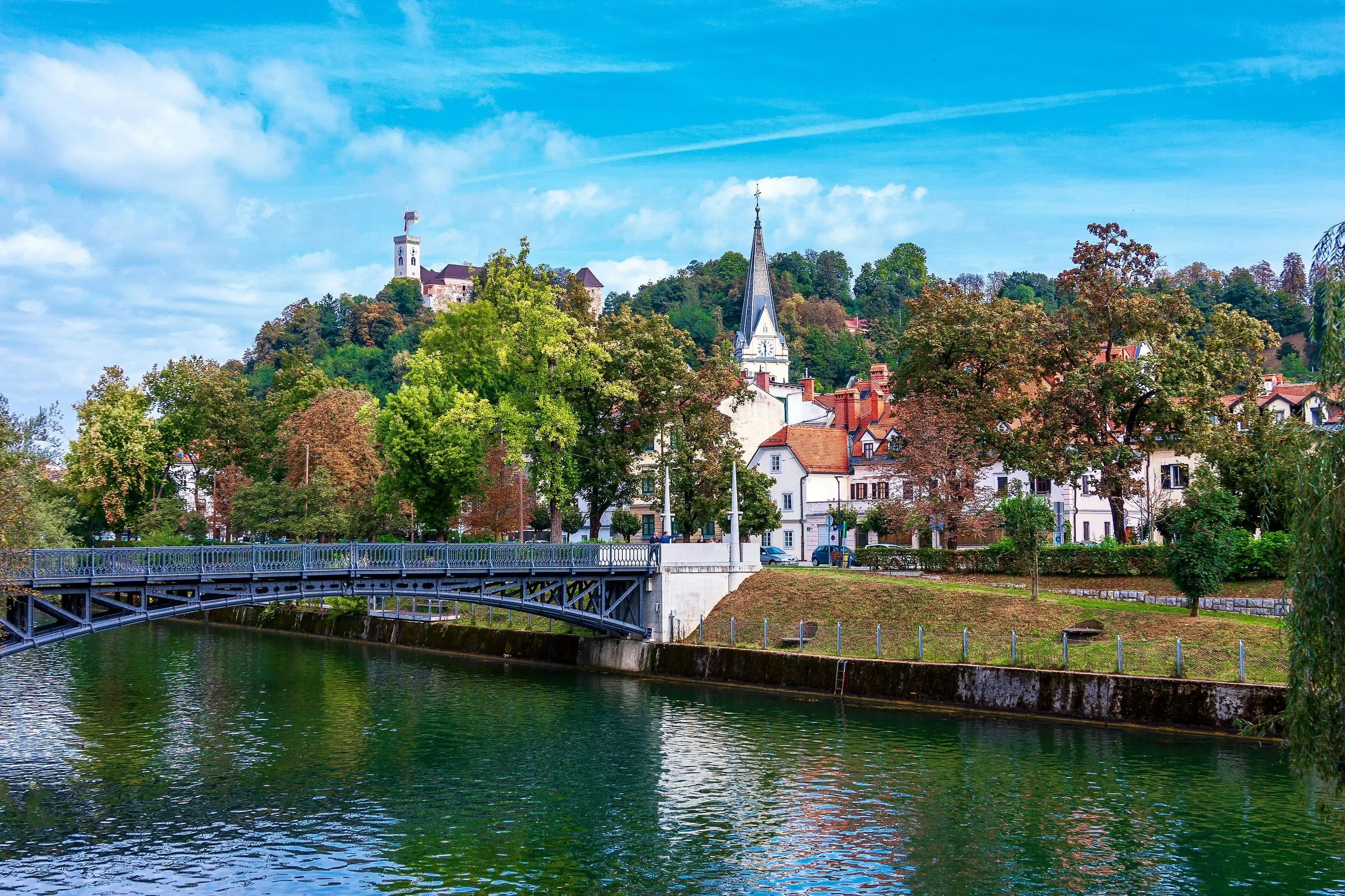
Ljubljana is the perfect capital: walkable, human-scale, lined with Baroque buildings and riverside cafés, designed by the architect Jože Plečnik who treated the whole city like an art project. You can "do" Ljubljana in a day, but two days lets you actually feel it. Then you head to the mountains — and this is where Slovenia earns its reputation.
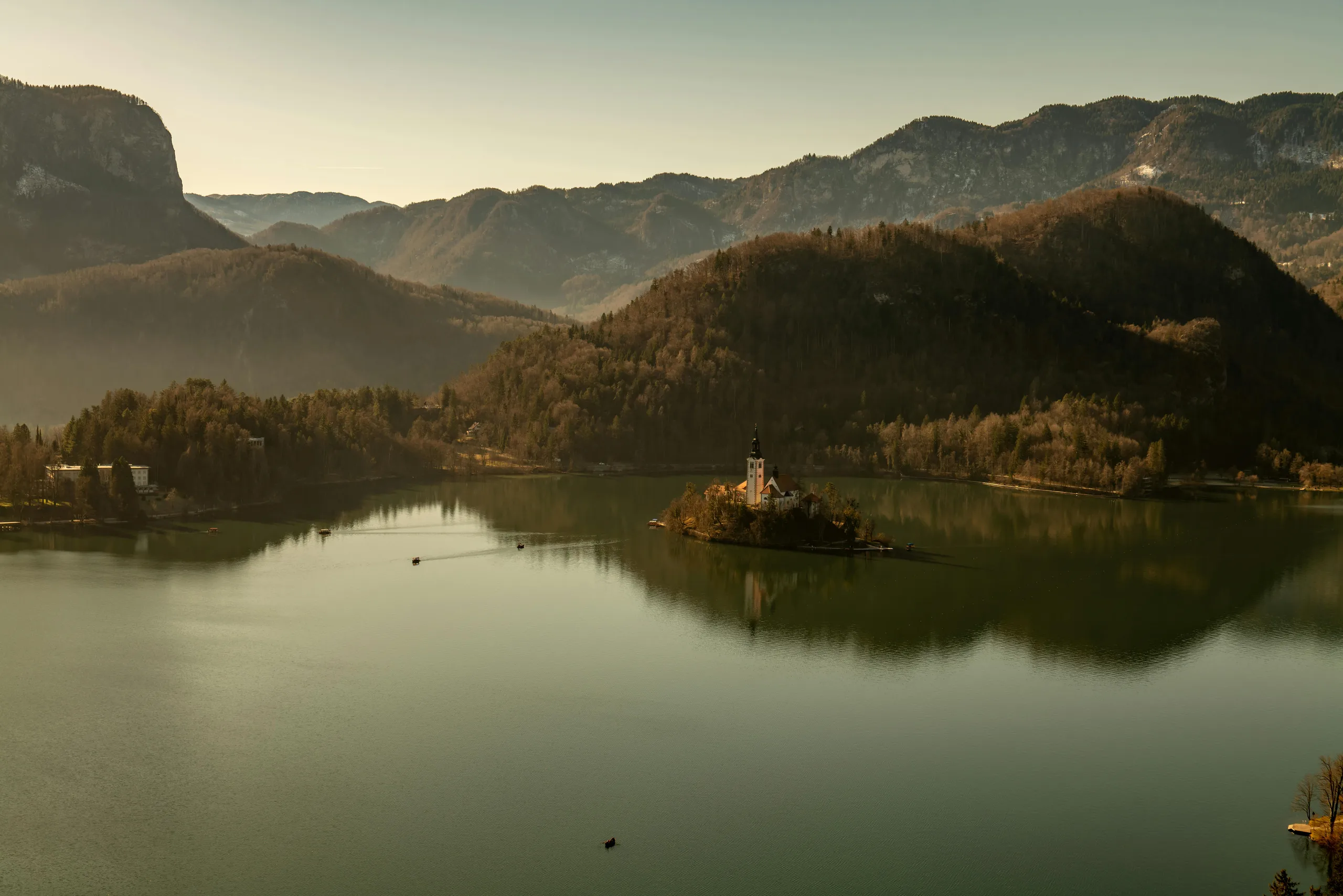
Lake Bled is the famous one (island church, castle on a cliff, emerald water), and it deserves the hype. But stay 3–4 nights minimum so you can do more than just take photos: sunrise walks, Vintgar Gorge hikes, day trips to Lake Bohinj (quieter, bigger, more dramatic), and optional climbs in Triglav National Park if you're mountain-fit. Add one cave trip (Postojna is the accessible crowd-pleaser; Škocjan is the dramatic UNESCO site), and you've got the Slovenia that sticks with you.
- Day 1–2: Ljubljana (old town, castle, Plečnik's market, river cafés).
- Day 3–6: Lake Bled base (sunrise mornings, Vintgar Gorge, Lake Bohinj day trip, Bled Castle).
- Day 7: Postojna Caves (half-day trip).
- Day 8–10: Optional: Piran coast or deeper Julian Alps hiking.
Vibe Check: What Kind of Slovenia Are You Actually Here For?
Slovenia isn't one thing. Decide your primary mood first — then choose places that actually match it.
The Alpine & Lakes Slovenia (Bled, Bohinj, Triglav)
You want mountain mornings, emerald lakes, fairy-tale views, and trails that feel like Switzerland without the price shock. Base at Lake Bled, day-trip to Bohinj and Vintgar Gorge, and add serious hiking if you're mountain-fit.
Plan like: 3–4 days mountain base + optional multi-day Triglav hike for adventure seekers.
The Underground Slovenia (Postojna, Škocjan Caves)
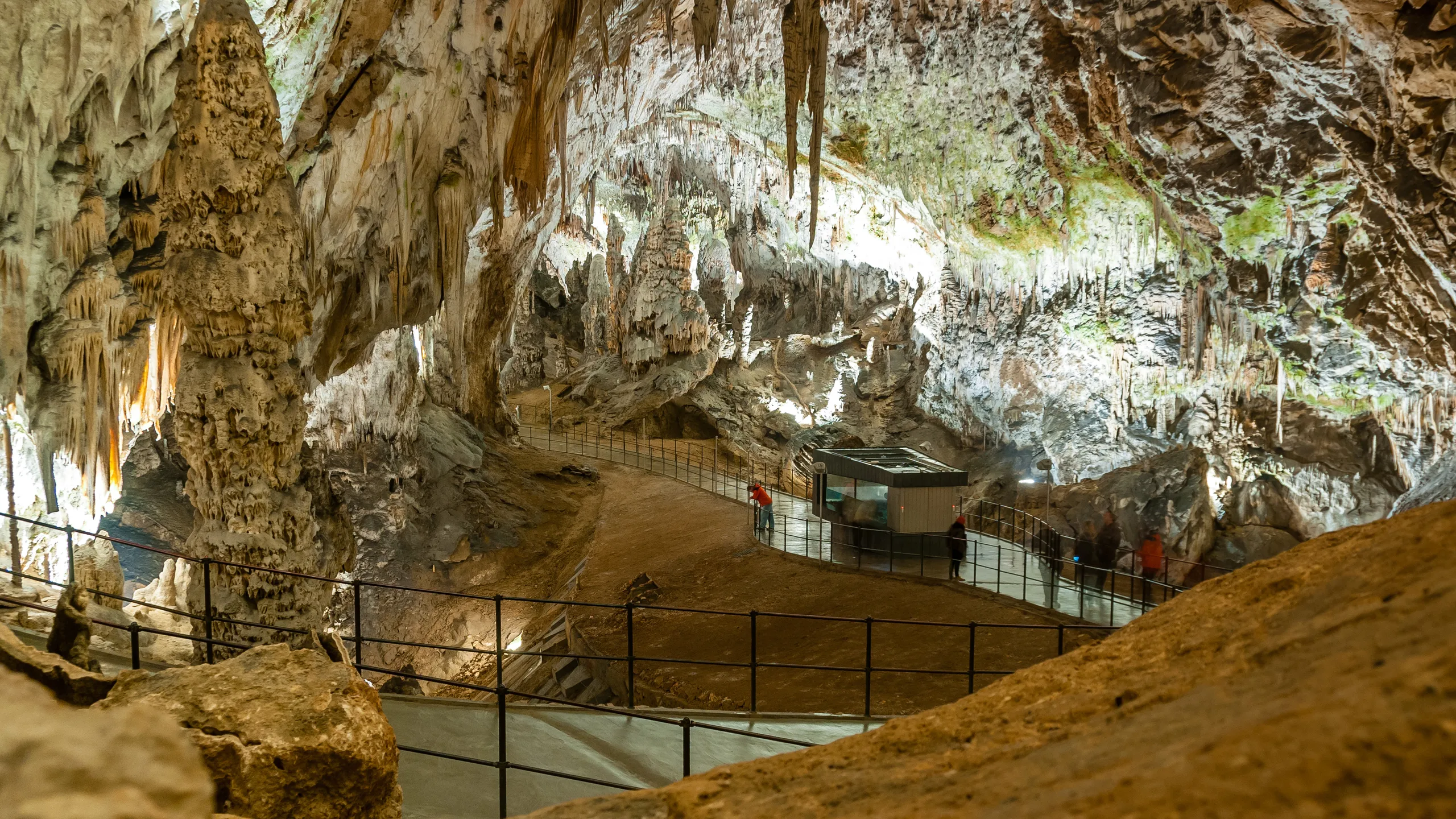
You're here for otherworldly cave systems: 24km of underground passages at Postojna (with a little train), or UNESCO-protected Škocjan with its massive underground canyon. Both feel like science fiction made real.
Plan like: Half-day cave trips from Ljubljana or Bled as day excursions.
The Coastal Slovenia (Piran, Koper, Portorož)
You want Adriatic charm: Venetian architecture in tiny Piran, seafood dinners, sunset swims, and a slower Mediterranean rhythm that feels more Italian than Alpine. Small, but mighty charming.
Plan like: 2 days on the coast after mountains, or make it your "wind-down" finale.
Slovenia in Four Seasons: Timing Changes Everything
Slovenia shifts hard with the seasons. Your experience, crowds, trail access, and lake vibes change dramatically depending on when you go.
🌸 Spring (April–May): The "Alpine Awakening" Season
- Weather: Warming up, wildflowers blooming, snow melting from lower trails.
- Crowds: Low to moderate. Lake Bled starts waking up but isn't packed yet.
- Why it's great: Fresh green landscapes, waterfalls at full power, great hiking weather.
- Watch for: Higher trails may still have snow; check conditions if you're planning serious alpine routes.
☀️ Summer (June–August): Peak Season, Peak Beauty, Peak Crowds
- Weather: Warm and sunny. Perfect for swimming in alpine lakes.
- Crowds: High — especially Lake Bled and Ljubljana. Book ahead.
- Why it works: All trails open, long daylight hours, warm lake swims, festivals.
- Watch for: Popular spots fill fast. Go very early morning for iconic shots.
🍂 Autumn (September–October): The Secret Best Season
- Weather: Crisp, clear, golden light. September often still warm enough to swim.
- Crowds: Drop sharply after early September. Lake Bled feels peaceful again.
- Why it's great: Stunning fall colors, better prices, still-accessible trails, harvest season food.
- Watch for: Days get shorter fast. Plan morning activities for best light.
❄️ Winter (November–March): Ljubljana + Ski Resorts, Not Lake Magic
- Weather: Cold, snowy in mountains. Ljubljana gets festive Christmas markets.
- Crowds: Very low except ski areas and holiday weeks.
- Why it works: Winter sports, cozy Ljubljana cafés, fairy-tale snow scenes at Bled.
- Watch for: Many mountain hotels close off-season. Lake Bled is pretty but much quieter.
If you want the "best of everything" blend (warm weather + manageable crowds + full trail access), your sweet spot is usually late spring (May-June) or early autumn (September-early October). Summer is stunning — just go early morning to iconic spots or you'll share them with tour buses.
Street Smarts: Small Slovenia Rules That Save Big Stress
Getting around and settling in
- Lake Bled is tiny. Walk the lake loop (6km) early morning — you'll have it mostly to yourself and the light is magic.
- Rent a car if you can. Slovenia is small and beautiful to drive. Public transport works, but a car unlocks flexibility.
- Ljubljana is car-free. The old town center is pedestrian-only. Park outside and walk in.
- Bring layers. Mountain weather changes fast. Mornings can be chilly even in summer.
- Cash helps at smaller spots. Cards work widely, but small mountain huts and village cafés prefer cash.
Caves, trails and local encounters
- Postojna Cave is chilly. It's a constant 10°C (50°F) inside. Bring a jacket even in summer.
- Hiking prep matters. If you're doing serious Triglav trails, proper boots and gear are non-negotiable.
- Learn 3 phrases: Dober dan (good day), Hvala (thank you), Prosim (please/you're welcome).
- Slovenians are quiet-friendly. They're helpful but not over-the-top warm at first. That's just the vibe.
- Don't skip Bohinj. If Bled feels too touristy, Lake Bohinj is bigger, quieter, and more dramatic — just 30 minutes away.
Slovenia gets better when you stop rushing. Your best memory might be an unplanned coffee stop in a mountain village, or a sunrise at Lake Bled when the water looks like glass — and that's not wasted time. That's the whole point.
Logistics Lite
Slovenia becomes effortless when you handle the modern basics: entry rules, transport, power, and connectivity.
Entry rules (the short version)
Slovenia is in the EU/Schengen zone, so Schengen short-stay rules apply for many travelers. Requirements vary by passport, so always confirm your specific rules before booking non-refundable plans.
Visas and travel documentsMoney (Euro) & everyday pricing
Slovenia uses the Euro (€). Cards work widely in cities, but cash helps at mountain huts and small villages. Prices are excellent compared to neighboring Austria/Switzerland/Italy — you're getting Alpine beauty at Central European prices.
Power + emergencies (save this)
Slovenia uses European plugs (Type C/F), 230V / 50Hz. Pack a universal adapter if you're coming from outside Europe. For emergencies, 112 is the general EU emergency number.
Getting around: buses + trains + rental cars
Slovenia has good bus connections between major spots. Trains work for Ljubljana–Bled route. But honestly, renting a car is the move if you want flexibility — the country is small, roads are excellent, and you can reach hidden spots easily. Driving is the Swiss Army knife of Slovenia travel.
Connectivity: SIM cards + WiFi + eSIM
Slovenia has excellent mobile coverage. WiFi is common in hotels, cafés, and restaurants. For short trips, eSIMs are easy. For longer stays, a local prepaid SIM offers better value and reliability.
Best "don't waste time" booking tip
If you're visiting in summer, book Lake Bled accommodation way ahead — the good spots fill fast. For Postojna Cave, book tickets online to skip queues. For everything else, Slovenia is wonderfully stress-free.
Base Plans: 3 Simple Ways To Build a Slovenia Trip That Works
Pick one and commit. Slovenia rewards clarity more than complexity.
Plan A: First-timer classic (7–10 days)
- Why: Best blend of city charm, alpine beauty, and underground drama.
- Do: Ljubljana (2 days) → Lake Bled base (3–4 days) → Postojna Caves (half day) → optional Piran coast (2 days).
- Rule: Stay at Lake Bled long enough to do more than just take photos.
First-timers, couples, "I want the Slovenia highlights" travelers, and anyone who values balance over extremes.
Plan B: Alpine adventure (7–12 days)
- Why: Maximum mountain immersion — hiking, huts, high-altitude drama.
- Do: Ljubljana (1 day) → Lake Bled (2 days) → Lake Bohinj base (3 days) → Triglav National Park multi-day hike → Soča Valley (2 days).
- Rule: Proper hiking boots, layered clothing, and mountain fitness required for serious Triglav routes.
You get Slovenia at its most dramatic: alpine huts, ridge walks, turquoise rivers, and trails that rival anything in the Alps.
Plan C: Quick hit (4–5 days)
- Why: You're time-limited — keep it tight and memorable.
- Do: Ljubljana (1 day) → Lake Bled (2–3 days with Bohinj/Vintgar day trips) → Postojna Caves (half day).
- Rule: Don't try to add the coast. Focus on the mountains or you'll spend your whole trip driving.
Ljubljana + Lake Bled + caves still feels like a complete Slovenia story — you get city charm, alpine drama, and underground magic.
Costs & Pace: What Actually Moves the Needle in Slovenia
Slovenia is one of Europe's best-value destinations — you get Alps-level beauty and Italian-level food culture without the Western Europe price shock.
Here's the honest truth: Slovenia feels like a cheat code if you're coming from Switzerland, Austria, or Northern Italy. You get comparable landscapes, excellent food, and infrastructure that works — but your money stretches further. Accommodation and dining in Ljubljana or Lake Bled cost less than equivalent spots across the border, and your biggest cost lever is simply how long you stay in one place versus constantly moving.
- Accommodation strategy: Lake Bled gets pricey in peak summer. Book early or consider staying in nearby Radovljica or Bohinj.
- Food strategy: Slovenia has strong food culture. Mid-range local restaurants deliver serious quality without luxury prices.
- Transport strategy: Rental cars aren't expensive and unlock flexibility. Buses work but eat time. Trains limited.
- Activity costs: Hiking is free. Caves and castles charge entry (reasonable). Your best experiences often cost nothing.
- Daily average (rough): Budget €50–75/day, Mid-range €80–120/day, Comfortable €130–200+/day — peaks higher in summer at Bled.
If you want Slovenia to feel "affordable," don't fight it by constant hotel changes or summer peak-season Bled bookings at the last minute. Book ahead, base yourself for 3–4 nights, and travel slower. You'll spend less, see more, and enjoy it way more.
🇸🇮 Slovenia Daily Rhythm Comparison
How your pace shapes your day (and your spend)
Relaxed
Moderate
Intensive
Prices are illustrative (EUR / €) to show how pace tends to affect spending. Always check current rates and seasonal spikes.
Un-Googleable Slovenia: Tiny Choices That Change the Whole Trip
These aren't "hidden gems." They're the small behaviors that make Slovenia feel magical instead of just pretty.
Wake up stupid early at Lake Bled
The lake at sunrise is a completely different universe: mirror-still water, mist rising off the surface, zero crowds, and light that makes the island church look like a painting. Set your alarm. It's worth it.
Walk the lake loop, don't just photograph it
The 6km loop around Lake Bled takes about 90 minutes and shows you angles tour buses never see. Do it early morning or late afternoon when the light hits differently.
Choose Bohinj if Bled feels too touristy
Lake Bohinj is 30 minutes from Bled, bigger, quieter, and surrounded by bigger mountains. It's where Slovenians go when they want the alpine feeling without the selfie sticks.
Eat kremšnita at Park Hotel (it's the original)
Bled cream cake (kremšnita) is a local legend. Park Hotel claims to be the original. Get one, sit lakeside, and don't rush. This is Slovenia's version of a religious experience.
Ljubljana is best after 4 PM
The city wakes up late. Morning Ljubljana is quiet (which is nice). But evening Ljubljana — when cafés fill, the river promenade buzzes, and everyone's out — that's when the city shows its personality.
Don't skip the castle hike in Ljubljana
Ljubljana Castle sits on a hill above town. Walk up instead of taking the funicular — the path through the forest takes 15 minutes and the views over the city are chef's kiss.
Gap Analysis: Is Slovenia Right for Your Kind of Trip?
Slovenia is incredible — but it works best for certain travel personalities. Here's the honest read (with fixes).
You'll love it if…
Landscapes and variety
- You want Alpine beauty without Swiss/Austrian prices.
- You enjoy places that feel "undiscovered" even though they're not.
- You like variety: mountains, caves, coast, city — all within 2 hours of each other.
- You appreciate excellent infrastructure without luxury-travel pricing.
- You're drawn to dramatic landscapes: emerald lakes, limestone cliffs, underground rivers.
- You value walkability — Ljubljana and Lake Bled are both beautifully human-scale.
Pace and everyday pleasures
- You're okay with a quieter, less "showy" culture — Slovenians are warm but not effusive.
- You like hiking that ranges from "family stroll" to "serious alpine route" — Slovenia has both.
- You enjoy food cultures that blend Central European heartiness with Italian finesse.
- You prefer places where tourism exists but doesn't dominate — Slovenia still feels real.
- You're flexible with seasons — Slovenia rewards shoulder season travel (fewer crowds, great light).
- You appreciate design — Ljubljana's Plečnik architecture is subtle but stunning.
Plan around it if…
Choose a suitable base
- You need constant nightlife (solution: base in Ljubljana, not mountain towns).
- You want beach vacation vibes (solution: Slovenia's coast is charming but tiny — 46km total).
- You're not comfortable driving (solution: stick to Ljubljana + Bled + buses; it's doable but less flexible).
- You want "undiscovered" Lake Bled (solution: go early morning or visit Lake Bohinj instead).
- You need luxury resort infrastructure (solution: Slovenia leans boutique/mid-range; luxury exists but is limited).
Match the season and budget
- You hate early mornings (solution: accept you'll share iconic spots with crowds at normal hours).
- Winter is your only travel window (solution: focus on Ljubljana + ski resorts; mountain lakes lose magic in winter).
- You're claustrophobic (solution: skip Postojna Cave or mentally prep — it's enclosed but well-lit).
- You want constant English everywhere (solution: cities/tourist areas fine; rural areas may need patience).
- Budget is extremely tight (solution: Slovenia is good value but not "dirt cheap" — skip peak summer Lake Bled).
Slovenia is best for travelers who value quality over quantity and beauty over hype. If you can wake up early, move slowly, and appreciate a country that delivers Alps-level drama without the Alps-level ego, Slovenia will absolutely spoil you.
Explore Slovenia with Rob
For a closer look, choose one of these guides and stories before building the rest of your trip.
Slovenia FAQs
Quick answers to the questions people actually stress about before Slovenia.
How many days do I need in Slovenia?
A solid first trip is 7–10 days: Ljubljana (2 days) + Lake Bled/Bohinj base (3–4 days) + Postojna Caves (half day) + optional Piran coast (2 days). 5 days works for a tight "greatest hits" trip if you skip the coast. Less than that and you're basically just driving.
Do I need a car in Slovenia?
Not absolutely necessary, but highly recommended. Slovenia is small and beautiful to drive. Public buses work for Ljubljana–Bled–Postojna routes, but a car unlocks flexibility for Bohinj, Soča Valley, coastal towns, and mountain access. If you're nervous about driving, stick to the main bus routes — it's doable, just slower.
Is Slovenia expensive?
Compared to Switzerland/Austria next door, Slovenia is excellent value. You get comparable Alpine beauty and infrastructure for significantly less. Lake Bled in peak summer can get pricey, but overall Slovenia sits comfortably in the mid-range travel category — great value without feeling "budget."
Lake Bled vs Lake Bohinj — which one?
Both. Bled is more famous, more photogenic, and has better infrastructure (hotels, cafés, castle). It's touristy but deservedly so. Bohinj is bigger, quieter, more dramatic, and surrounded by bigger mountains. It feels more "local." Base at Bled for convenience, day-trip to Bohinj for the quieter alpine vibe. They're only 30 minutes apart.
When is the best time to visit Slovenia?
Late spring (May–June) and early autumn (September–early October) are the sweet spots: warm weather, manageable crowds, full trail access, and excellent light. Summer (July–August) is beautiful for swimming but crowded and pricier. Winter works for ski resorts and Ljubljana but alpine lakes lose their magic.
Is Slovenia safe for tourists?
Very safe. Slovenia has low crime rates and excellent infrastructure. Standard city awareness in Ljubljana applies (watch bags in crowded areas), and mountain hiking requires proper preparation, but overall Slovenia is one of Europe's safest, most stress-free destinations.
Can I combine Slovenia with other countries?
Absolutely. Slovenia borders Italy, Austria, Croatia, and Hungary. Common combos: Slovenia + Croatia (Ljubljana–Bled–Zagreb–Plitvice–coast), or Slovenia + Venice (quick train/drive), or Slovenia + Austria (Vienna or Salzburg). Just don't give Slovenia only 2 days — it deserves better.
What should I eat in Slovenia?
Must-tries: kremšnita (Bled cream cake), potica (rolled nut cake), žlikrofi (Idrija dumplings), kranjska klobasa (Carniolan sausage), štruklji (rolled dumplings), and whatever the local gostilna (tavern) recommends. Slovenian food blends Alpine heartiness with Italian finesse — and it's seriously underrated.
Plan your next step
Compare the Europe travel hub and the Southern Europe guides, then use the trip-planning guide to work through dates, connections and budget.
Join the conversation
Are you going to Slovenia for the Alpine drama and emerald lakes — or for the underground caves and coastal charm? Share your rough route and what you're most excited (or nervous) about. And if you've got hard-won Slovenia lessons (best sunrise spot at Lake Bled, Lake Bohinj vs Bled debates, or Ljubljana hidden gems), drop them in — it helps the next traveler do Slovenia smarter.