ICELAND, WHEN YOU WANT RAW NATURE WITHOUT THE CROWDS (IF YOU PLAN SMART)
Iceland Travel Guide: Northern Lights, Glaciers
& Volcanic Wonders Done Right
Iceland is Europe's most dramatic landscape: thundering waterfalls, ancient glaciers, geothermal hot springs, and volcanic black-sand beaches that feel otherworldly. And yet, it's also one of the easiest countries to visit "wrong"… because it's tempting to rush the Golden Circle in a day, overspend on tourist traps, or visit in shoulder season unprepared for brutal weather.
My Iceland approach is seasonal and strategic: choose your trip around your priority. First, decide what matters most (Northern Lights? Midnight sun? Hiking? Winter activities?). Second, pick the right season (each one is wildly different). Third, choose your base strategy (Ring Road loop vs. South Coast deep dive vs. Reykjavik hub). When you travel like that, Iceland stops feeling like an expensive checkbox — and starts feeling like an adventure.
Also, just so we're clear: Iceland is expensive, and there's no magic hack around it. But you can control costs through smart planning: self-catering, strategic accommodation, avoiding peak summer, and choosing free nature over paid attractions. The country rewards preparation more than any place I've traveled.
In a Nutshell (60-Second Scan)
If you only read one part, read this. Iceland is magical when you match your trip to the right season and manage expectations around cost.
- Best first move: Decide your priority — Northern Lights (winter), midnight sun (summer), or shoulder-season value (spring/fall).
- When it clicks: When you stop treating Iceland like a checklist and start experiencing the raw power of nature.
- Money truth: Iceland is expensive. Period. Budget 2x what you'd spend in mainland Europe, or embrace camping/self-catering.
- Easy win: Rent a car and do the South Coast (Seljalandsfoss, Skógafoss, Reynisfjara, Jökulsárlón) — Iceland's greatest hits in 2–3 days.
- Classic mistake: Golden Circle day tour only. You'll see the highlights, but you'll miss the soul of Iceland.
- Quiet flex: The Westfjords and Eastfjords are where Iceland feels wild, empty, and untouched — but require serious time and driving commitment.
Iceland rewards a simple formula: pick one season + rent a car + embrace weather uncertainty. Everything else is just details.
60-Second Fit Check
- Ideal trip length: 5–7 days (South Coast + Golden Circle), 10–14 days (full Ring Road), 3–4 days (Reykjavik + day trips).
- Best energy level: Medium to high — Iceland demands driving, weather flexibility, and adventure readiness.
- First-timer friendly: Very — especially if you stick to the South Coast and Golden Circle in summer.
- Budget vibe: Mid to premium (Iceland is not a budget destination, but smart planning helps).
- My simple rule: If you're not willing to drive and adapt to weather, Iceland will frustrate you.
Iceland sits on the Mid-Atlantic Ridge, where the North American and Eurasian tectonic plates meet. This means constant volcanic activity, geothermal energy, and some of the most geologically active landscapes on Earth.
The Iceland That Clicks: The South Coast + Snæfellsnes Triangle
If you want Iceland to feel like more than a Golden Circle blur, build your trip around two core zones: the South Coast (Vík to Jökulsárlón glacier lagoon) and the Snæfellsnes Peninsula (the "Iceland in miniature" experience). Add the Golden Circle as a supporting act, not the main event.
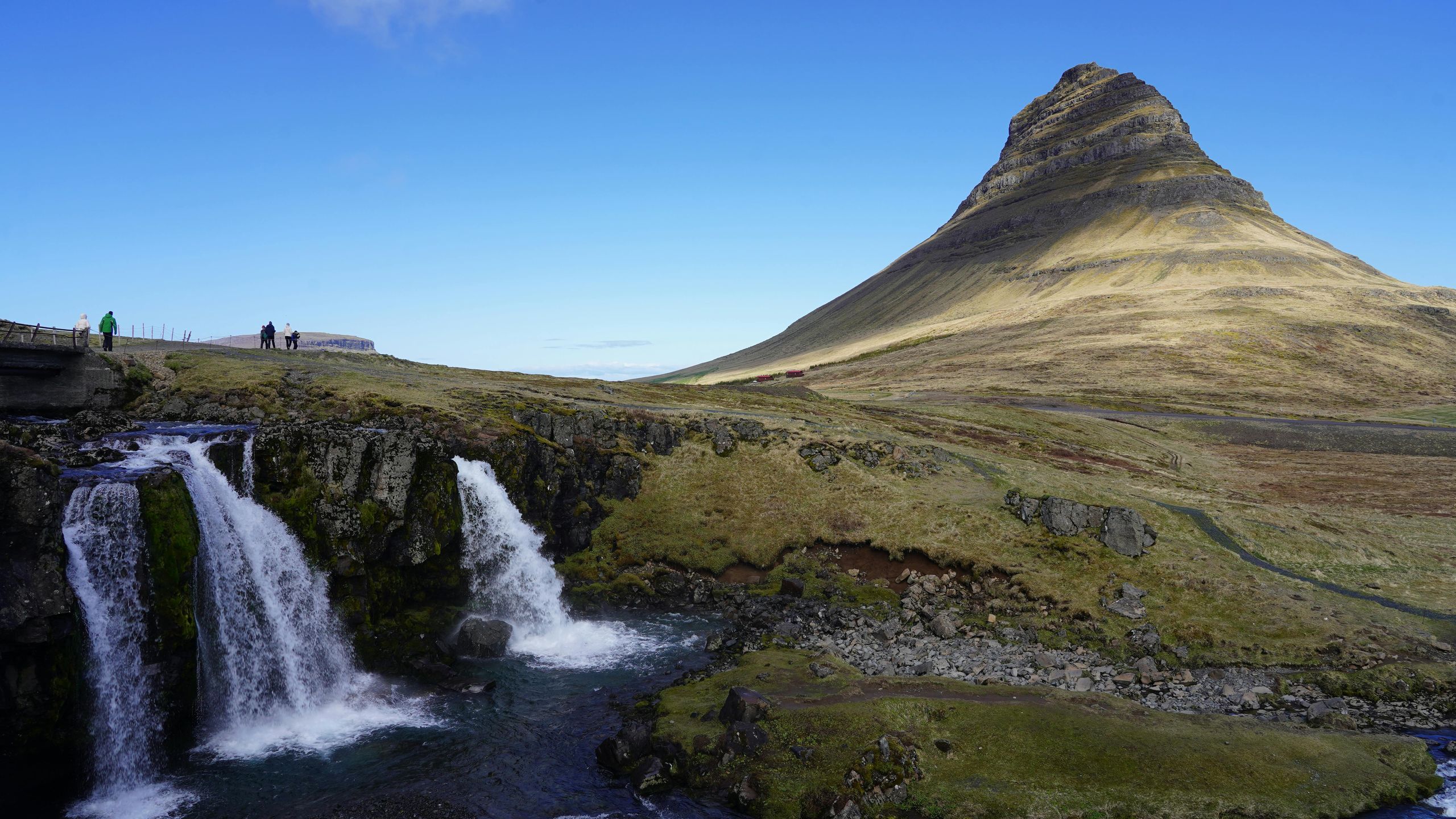
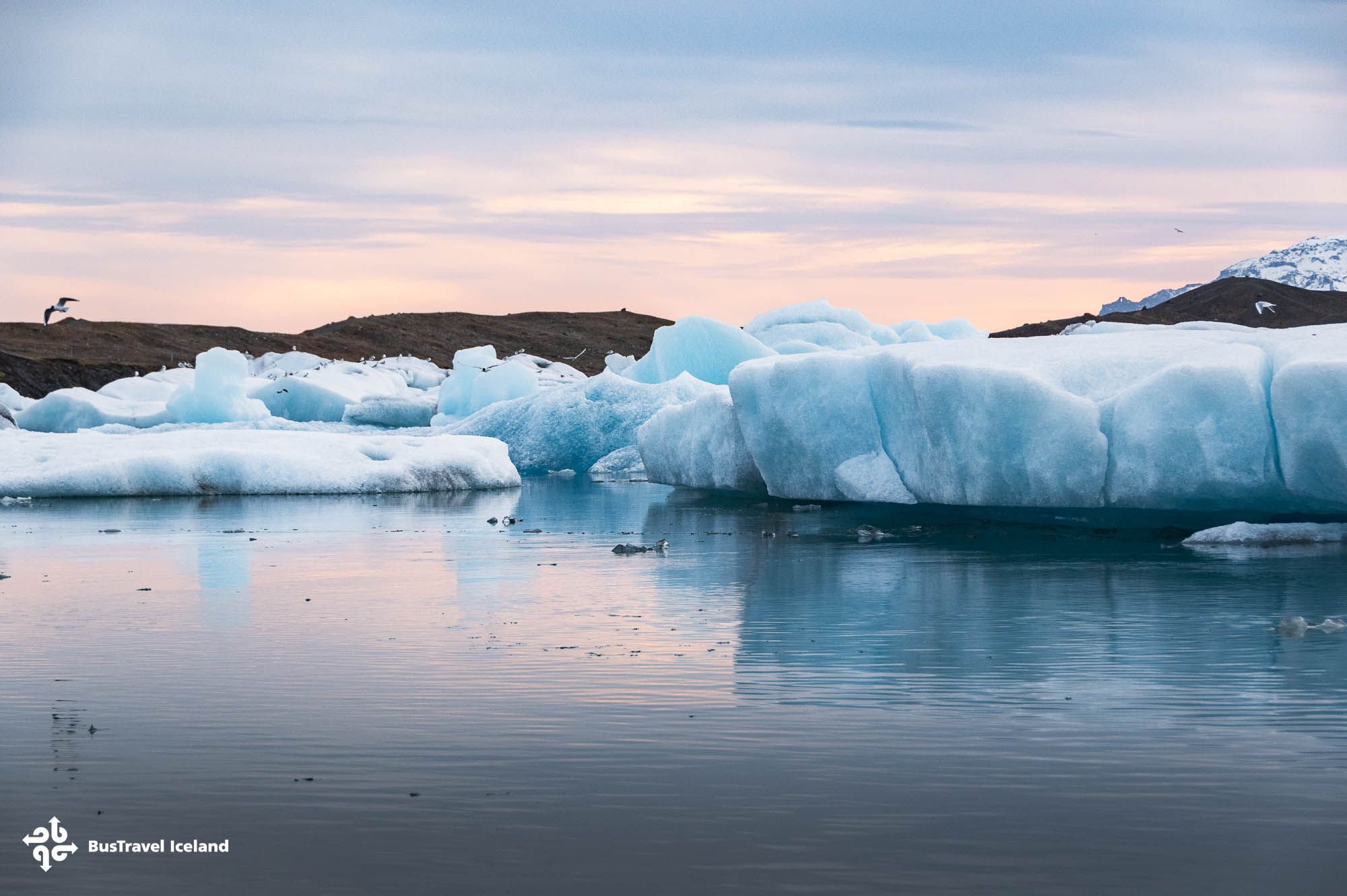
Here's what changes when you do this: the rhythm slows down. The South Coast gives you Iceland's drama — waterfalls (Seljalandsfoss, Skógafoss, Svartifoss), black-sand beaches (Reynisfjara), glaciers (Sólheimajökull), and the iconic Jökulsárlón glacier lagoon. Snæfellsnes gives you variety in one compact peninsula — lava fields, seal colonies, Kirkjufell mountain, fishing villages, and volcanic craters.
The Golden Circle (Þingvellir, Geysir, Gullfoss) is still worth doing, but it's the most touristy route in Iceland. Do it early morning or late evening to avoid the crowds, or skip it entirely if you're doing the South Coast — you'll get better waterfalls and fewer buses.
Days 1–2: South Coast intensive (Vík, Reynisfjara, glacier lagoon). Days 3–4: Snæfellsnes Peninsula loop (Kirkjufell, Arnarstapi, Djúpalónssandur). Day 5: Golden Circle early morning, then Blue Lagoon sunset. Days 6–7: Reykjavik decompression + Northern Lights hunt (winter) or midnight sun hike (summer).
Vibe Check: What Kind of Iceland Are You Actually Here For?
Iceland has wildly different personalities depending on season and route. Decide your primary mood first, then build around it.
The Adventure Iceland (hiking, glaciers, wild landscapes)
You want glacier walks, volcano hikes, lava caves, and that "I'm exploring another planet" feeling. Summer (June–August) is best for access and weather, but spring/fall offer fewer crowds and moody atmospheres.
Plan like: Car rental + hiking boots + flexible itinerary for weather.
The Northern Lights Iceland (winter magic, ice caves, auroras)
You want the Northern Lights, ice caves, winter landscapes, and that "frozen wonderland" energy. November–March is aurora season, but be prepared for short daylight, brutal cold, and limited road access.
Plan like: Winter-safe car + warm gear + patience (auroras aren't guaranteed).
The Relaxed Iceland (hot springs, culture, food, gentle pace)
You want geothermal pools, Reykjavik cafés, local food, and a trip that feels like a reset, not a marathon. Any season works, but spring (April–May) and fall (September–October) offer the best balance of weather and value.
Plan like: Reykjavik base + day tours + hot spring hopping.
Iceland in Four Seasons: Same Country, Completely Different Planet
Iceland's seasons aren't subtle — each one transforms the entire experience. Choose wrong, and you'll miss what you came for.
🌸 Spring (April–May): The Sweet Spot
- Weather: Unpredictable but manageable (0°C–10°C). Snow melting, roads opening, longer daylight.
- Crowds: Low to moderate. Tourist season hasn't peaked yet.
- Prices: Shoulder-season rates — significantly cheaper than summer.
- Northern Lights: Possible in April, unlikely by May (too much daylight).
- Best for: Budget travelers, photographers (dramatic light), waterfall hunters (snowmelt = massive flow).
- Challenges: Weather swings wildly, Highlands still closed, some F-roads inaccessible.
☀️ Summer (June–August): Peak Everything
- Weather: Best conditions (10°C–15°C, occasionally 20°C). Near 24-hour daylight (midnight sun).
- Crowds: High. Expect tour buses, packed accommodations, and crowded hotspots.
- Prices: Peak season — highest rates for everything (hotels, cars, tours).
- Northern Lights: Not visible (too much daylight).
- Best for: Hiking, camping, Ring Road trips, Highlands exploration, families.
- Challenges: Expensive, crowded, book months ahead or face availability issues.
🍂 Autumn (September–October): Photographer's Dream
- Weather: Cooling down (5°C–10°C), increasing storms, early snow possible.
- Crowds: Moderate to low. Tourists thinning out after summer.
- Prices: Shoulder-season rates — good value for accommodations and rentals.
- Northern Lights: Season begins mid-September, excellent by October.
- Best for: Aurora hunters, landscape photographers (autumn colors + moody skies), budget-conscious travelers.
- Challenges: Weather deteriorates fast, Highlands close mid-September, daylight shortens quickly.
❄️ Winter (November–March): The Extreme Season
- Weather: Cold (–5°C to 5°C), short daylight (4–5 hours in December), storms, ice, snow.
- Crowds: Low (except Christmas/New Year). Quietest season.
- Prices: Mixed — some deals, but holiday weeks spike. Ice cave tours premium.
- Northern Lights: Prime season (long dark nights), but weather often blocks views.
- Best for: Aurora chasers, ice cave explorers, winter photographers, adventure seekers.
- Challenges: Brutal weather, limited road access (Ring Road manageable, Highlands closed), short daylight limits activities.
Iceland's weather is notoriously fickle — "if you don't like the weather, wait five minutes" is the local joke. Pack layers year-round, always have waterproof gear, and build flexibility into your itinerary. Plans will change.
Street Smarts: Small Iceland Rules That Save Big Stress
- Never drive off-road. Ever. It's illegal, environmentally destructive, and heavily fined. Stick to marked roads and parking areas.
- Check road.is and safetravel.is daily. Weather and road conditions change constantly. These sites are essential for safe travel.
- Gas up at every opportunity. Stations are sparse outside Reykjavik, and many are unmanned (credit card only). Don't risk running out.
- Respect nature = respect the rules. Stay on marked trails, don't pick moss, don't bathe in protected hot springs. Icelanders take this seriously.
- Grocery stores save massive money. Bónus (pink piggy bank logo) is the cheapest. Stock up for picnics and self-catering.
- Waterfalls are mostly free. The best sights in Iceland cost nothing — waterfalls, beaches, viewpoints. Save money for accommodations and driving.
- Northern Lights aren't guaranteed. Even in peak season, you need clear skies and solar activity. Set realistic expectations.
- Tipping isn't expected. Service is included in prices. Round up if you want, but it's not customary.
- The Blue Lagoon is overrated (and overpriced). Sky Lagoon, Mývatn Nature Baths, or free hot springs offer better value and atmosphere.
- Wind can literally knock you down. Iceland's wind is violent. Hold car doors tight, brace yourself near cliffs, and respect wind warnings.
Iceland doesn't coddle tourists. Nature is raw, weather is harsh, and infrastructure is minimal outside cities. Your job is to prepare properly, respect the environment, and embrace the unpredictability.
Logistics Lite
Iceland becomes manageable when you handle the modern basics up front: entry rules, currency, driving, power, and "how to stay safe."
Entry rules & the Schengen reality
Iceland is part of the Schengen Area (but not the EU). For most visitors from visa-exempt countries (US, UK, Canada, Australia, etc.), you can stay up to 90 days within any 180-day period across the entire Schengen zone without a visa. Always confirm your personal situation based on nationality.
Visas & entry requirements (site guide)Border tech changes (EES / ETIAS)
The EU is rolling out the Entry/Exit System (EES) for automated border checks, and ETIAS authorization will eventually be required for visa-exempt travelers. This means biometric data collection at entry and a small pre-authorization fee. Check official updates closer to your departure.
Money (Icelandic króna) & everyday pricing
Iceland uses the Icelandic króna (ISK or kr). Cash is rarely needed — Iceland is nearly cashless (cards everywhere). Prices are high: budget meals kr 2,000–3,500 (~$15–$25), mid-range hotels kr 15,000–30,000 (~$110–$220), gas kr 300/liter (~$2/L), groceries expensive. Your biggest costs: accommodations, car rental, food.
Power + emergencies + the "save this now" list
Iceland uses Type C and F plugs (European standard), 230V / 50Hz. Pack a universal adapter if coming from outside Europe. Mobile coverage is excellent on main routes (Síminn, Vodafone, Nova).
- General emergency: 112
- ICE-SAR (rescue): 112 (same number, specify rescue)
- Safetravel hotline: 1717 (English-speaking, 24/7 safety advice)
Getting around: Car rental is king
Renting a car is essential for experiencing Iceland properly. Public transport exists but is minimal (mostly Reykjavik city buses + occasional long-distance routes). Most travelers rent a car in Reykjavik and drive the Ring Road (Route 1) or South Coast. Book early (months ahead in summer) for best prices.
Driving: Essential tips for Iceland roads
Drive on the right side. Speed limits: 50 km/h urban, 80 km/h gravel roads, 90 km/h paved highways. Headlights on 24/7 (required by law). One-lane bridges are common (yield to oncoming traffic if they're closer). Winter driving requires extreme caution: ice, snow, darkness. Consider winter tires (mandatory Nov–Apr) or avoid winter driving entirely.
F-roads (mountain roads) require 4WD and are closed most of the year. Never attempt F-roads in a 2WD car — it's illegal and voids insurance. Highlands open June–September only, and conditions change daily.
Base Plans: 3 Simple Ways To Build an Iceland Trip That Doesn't Destroy Your Budget or Sanity
Pick one. Iceland is expensive and weather-dependent — so your "base plan" is really a choice about risk tolerance and budget.
Plan A: Ring Road loop (10–14 days)
- Why: You see the full Iceland — all major regions, varied landscapes, iconic stops.
- Do: Rent car, drive Route 1 clockwise or counter-clockwise, stay in guesthouses/Airbnb, mix self-catering with restaurant meals.
- Rule: Don't rush. 10 days minimum, 14 days comfortable. Add buffer days for bad weather.
Adventurers, road-trippers, nature lovers, anyone doing Iceland "properly."
Plan B: South Coast intensive (5–7 days)
- Why: You get Iceland's greatest hits without the full Ring Road commitment or cost.
- Do: Reykjavik (1–2 nights) → South Coast loop (Vík, Jökulsárlón, waterfalls) → Golden Circle → Snæfellsnes Peninsula.
- Rule: Don't try to see everything. Accept that you're missing the North and East, and go deep on what you do see.
Shorter trip = lower costs, fewer driving days, easier to manage weather disruptions.
Plan C: Reykjavik + day tours (3–5 days)
- Why: You avoid car rental, driving stress, and weather anxiety. Let tours handle logistics.
- Do: Stay in Reykjavik, book day tours (Golden Circle, South Coast, Northern Lights, whale watching). Walk the city in between.
- Rule: This is the most expensive per-day option, but lowest total cost (short trip). Best for first-timers or non-drivers.
No car rental, no navigation stress, guides handle everything. You sacrifice freedom for convenience.
Costs & Pace: What Actually Moves the Needle in Iceland
Iceland is expensive, and there's no magic hack. But your spending is dictated by pace, season, and how much you self-cater.
Let's be honest: Iceland will test your budget. A "cheap" day in Iceland is expensive by European standards. However, you have control over three major levers: accommodations (camping vs. hotels), food (grocery stores vs. restaurants), and season (shoulder vs. peak).
- Accommodation strategy: Camping kr 1,500–2,500/night (~$11–$18), hostels kr 5,000–8,000 (~$36–$58), guesthouses kr 12,000–20,000 (~$87–$145), hotels kr 20,000–40,000+ (~$145–$290+).
- Food strategy: Grocery stores (Bónus, Krónan) for self-catering — budget kr 2,000–3,000/day (~$15–$22). Cheap restaurants kr 2,500–4,000/meal (~$18–$29). Mid-range kr 5,000–8,000 (~$36–$58). Fine dining kr 10,000+ (~$73+).
- Transport strategy: Car rental kr 8,000–15,000/day (~$58–$110) including insurance. Gas kr 20,000–30,000/week for Ring Road (~$145–$220). Day tours from Reykjavik kr 12,000–25,000 (~$87–$182).
- Activity costs: Most nature is free (waterfalls, beaches, viewpoints). Paid attractions: Blue Lagoon kr 12,000+ (~$87+), glacier walks kr 15,000+ (~$110+), ice caves kr 20,000+ (~$145+).
- Daily average: Budget kr 15,000–25,000/day (~$110–$182), Mid-range kr 30,000–50,000/day (~$218–$364), Comfortable kr 60,000–100,000/day (~$436–$728).
Iceland doesn't get cheaper — it gets more expensive every year. Your job is to decide what matters most: comfort, flexibility, or budget. You can't optimize for all three.
🇮🇸 Iceland Daily Rhythm Comparison
How your pace shapes your day (and your spend)
Prices are illustrative (ISK / kr) to show the relationship between pace and spend — not a quote. USD conversions ~$1 = kr 137 (Feb 2026).
Un-Googleable Iceland: Tiny Choices That Change the Whole Trip
These aren't "hidden gems." They're the small behaviors that make Iceland feel like an adventure, not a checklist.
Visit Seljavallalaug pool (not the Blue Lagoon)
This free, semi-abandoned hot pool sits in a remote valley near Seljalandsfoss waterfall. It's a 15-minute hike, rustic as hell, and completely authentic. No crowds, no admission fee, just you and the mountains. Bring a towel and embrace the local vibe.
Eat a gas station hot dog (seriously)
Icelandic gas station hot dogs (pylsur) are a cultural institution. Cheap (~kr 400), surprisingly good, and available 24/7. The "one with everything" (eina með öllu) is the move: remoulade, ketchup, mustard, fried onions, raw onions. It's Iceland's street food.
Drive slowly and stop often
Iceland rewards the wanderer. Don't just hit the "main" stops — pull over at random viewpoints, walk unmarked trails, explore lava fields. Some of my best Iceland moments happened at places with no names or parking lots.
Download offline maps before you leave
Cell service is spotty outside Reykjavik. Download Google Maps offline or use maps.me. GPS works without data, but you need the maps saved. This single tip prevents hours of frustration.
Bring snacks everywhere (Iceland prices are brutal)
A sandwich at a tourist stop can be kr 2,500 (~$18). Pack snacks from Bónus: dried fish, skyr yogurt, chocolate, fruit, nuts. Your car becomes your mobile pantry, and you'll save hundreds of dollars over a week.
Watch the weather forecast, not the clock
Icelanders plan around weather, not schedules. If the forecast shows a clear day, rearrange your itinerary to maximize it. If it's stormy, embrace cozy indoor time (museums, hot springs, cafés). Fighting the weather in Iceland is a losing battle.
Gap Analysis: Is Iceland Right for Your Kind of Trip?
Iceland is spectacular — but it's not for everyone. Here's the honest part (with fixes, not judgment).
You'll love it if…
- You want dramatic, otherworldly landscapes that feel like another planet.
- You're comfortable driving in challenging conditions (or willing to learn).
- You embrace weather unpredictability as part of the adventure.
- You appreciate raw, untouched nature over manicured parks.
- You can handle higher costs for a once-in-a-lifetime experience.
- You're chasing specific experiences (Northern Lights, glaciers, volcanoes).
Plan around it if…
- You need guaranteed sunshine (solution: visit June–August, accept that rain still happens).
- You're on a strict budget (solution: camp, self-cater religiously, visit shoulder season).
- You hate driving (solution: stay in Reykjavik, book day tours, accept higher costs).
- You need guaranteed Northern Lights (solution: manage expectations — auroras require luck).
- You want beach resorts and hot weather (solution: Iceland isn't this — reconsider your destination).
Iceland is best for travelers who value nature over comfort and adventure over convenience. If you want predictability and luxury, this isn't your place.
Iceland FAQs
Quick answers to the stuff people actually worry about.
Is Iceland expensive?
Yes, Iceland is one of the most expensive countries in the world. Expect to spend 2–3x more than mainland Europe on accommodations, food, and activities. Budget travelers can manage with camping and self-catering, but it's still pricey. Mid-range travelers should budget $150–$250/day per person.
Do I need a 4WD vehicle in Iceland?
For the Ring Road and main tourist routes in summer, a 2WD is fine. For winter driving, F-roads, or Highlands exploration, you need 4WD. If you're doing a basic summer South Coast trip, save money with 2WD. For adventurous routes, upgrade to 4WD.
When can I see the Northern Lights?
Northern Lights season is mid-September through mid-April (peak: November–February). You need dark skies, clear weather, and solar activity — all three are unpredictable. Even in peak season, you might see nothing for a week. Check aurora forecasts (vedur.is) and chase clear skies. Patience required.
How many days do I need for Iceland?
Minimum 5–7 days for South Coast + Golden Circle. Ideal 10–14 days for the full Ring Road. If you only have 3–4 days, stick to Reykjavik + day tours. Iceland rewards slow travel — rushing defeats the purpose.
Is the Blue Lagoon worth it?
Honestly? It's overpriced and overcrowded. If you want the experience, book far ahead (it sells out) and go early morning or late evening. Better alternatives: Sky Lagoon (near Reykjavik), Mývatn Nature Baths (North Iceland), or free natural hot springs (Reykjadalur, Seljavallalaug).
What should I pack for Iceland?
Layers are everything. Base layers (merino wool), fleece mid-layer, waterproof/windproof outer shell. Waterproof hiking boots, warm hat, gloves, buff/scarf. Sunglasses (glacier glare), swimsuit (hot springs), and a headlamp (winter). Pack for all four seasons in one day — Iceland weather is insane.
Can I drink the tap water?
Yes! Iceland's tap water is some of the purest in the world — straight from glaciers. Never buy bottled water. Bring a reusable bottle and fill up everywhere. Hot water smells sulfuric (geothermal), but it's safe — just don't drink it (cold tap only).
Is Iceland safe to travel solo?
Very safe. Crime is extremely low, people are friendly, and infrastructure is reliable. The biggest risks are nature-related: weather, icy roads, sneaker waves, unstable ground near geothermal areas. Follow safety warnings, check road.is and safetravel.is daily, and respect nature's power.
Join the conversation
Are you visiting Iceland for the Northern Lights, summer midnight sun, Ring Road adventure, or a quick South Coast escape? Share your rough itinerary and what you're most excited (or nervous) about — and if you've got practical tips (especially money-saving hacks or weather survival stories), help the next traveler conquer Iceland smarter.