Practical Travel Guide • Customs Around the World
Cultural Etiquette: A Country-by-Country Guide
Because your excellent manners may need a little translation.
By Rob Wheatley – Program Director & traveler
Published 24 April 2025 · Updated 11 October 2026
You can travel with impeccable manners and still put your foot in it. Sometimes literally, if you have walked into a room where everybody else’s shoes are enjoying a quiet afternoon outside.
Then comes the moment: the conversation pauses, someone looks at your feet, and your confident world-traveller expression begins quietly packing for home.
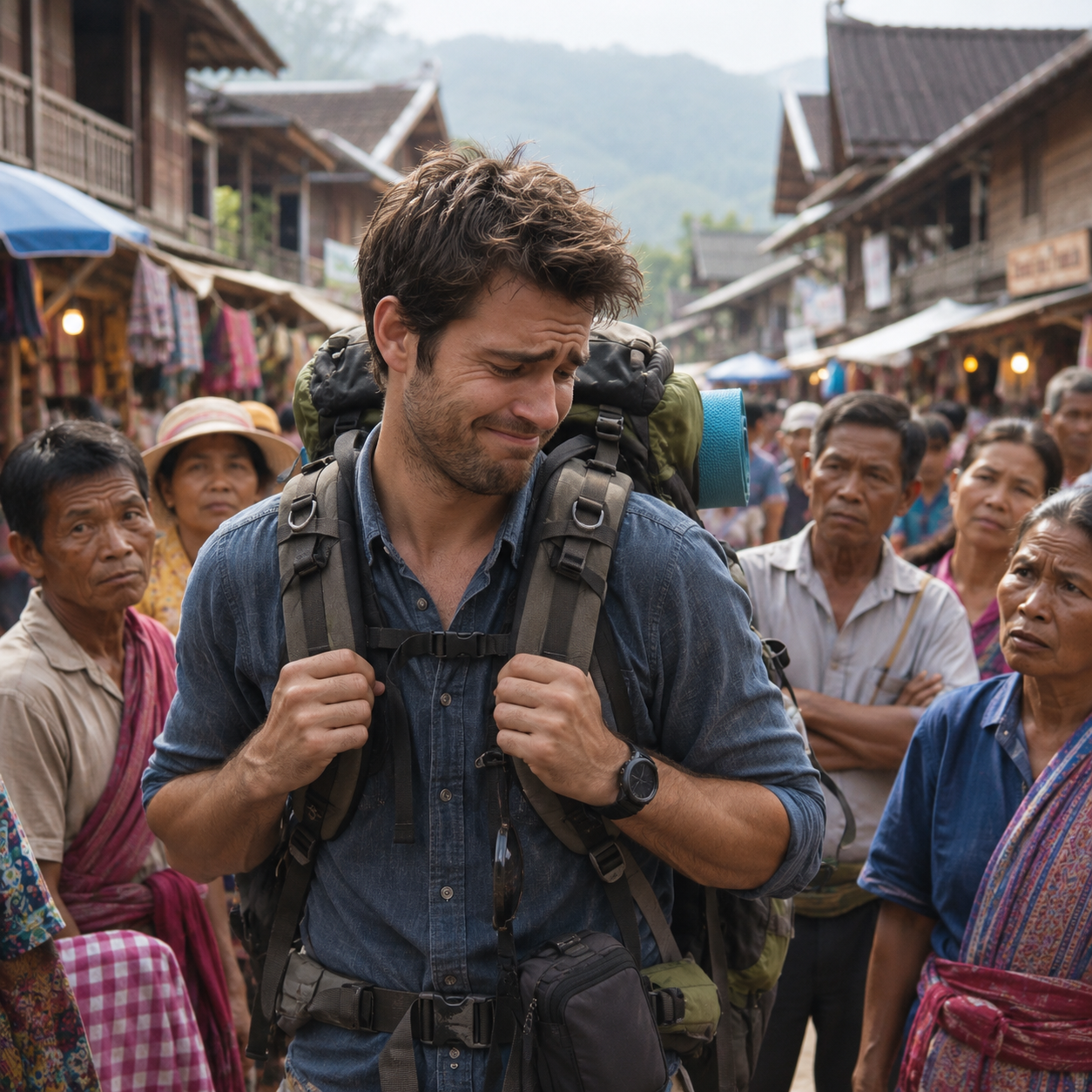
The useful answer: Cultural etiquette varies by country, community and setting. This guide offers practical starting points for greetings, meals, home visits, sacred sites and tipping across 22 destinations. Use the country finder, check the linked sources and follow your host’s or venue’s instructions. When unsure, ask politely rather than treating a general custom as an absolute rule.
This is a practical reference guide: what to notice, what to ask and what to do in common travel situations. For the wider question of understanding and respecting other traditions, read Cultural Sensitivity in Action. You can use the two together without reading the same article twice.
Five checks before you enter, eat or enthusiastically greet
Use these when you do not yet know the local custom. They are cautious starting points, rather than claims that every community follows the same rules.
- Greet before asking. Learn hello, please, thank you and excuse me. A little effort helps; a theatrical accent is optional and usually unhelpful.
- Let the other person lead physical greetings. Do not assume a handshake, hug or cheek-kiss is welcome. A spoken greeting gives you time to see what follows.
- Pause at the threshold. Look for shoe racks, dress notices, barriers and instructions. Other visitors can be mistaken too, so prioritise staff and signs.
- Ask before photographing people or worship. Accept a refusal without negotiation. A good composition is not permission.
- Clarify the practical details. Ask when to arrive, what to bring, whether service is included and where to sit.
Countries contain different religions, regions, generations and personal preferences. A home, a business meeting and a tourist restaurant may work differently. If a disability or health need makes a custom difficult, explain briefly and ask about an alternative. Being a considerate guest does not require ignoring your own needs.
Find your destination
Jump to the place you need. Each entry gives a few useful starting points and a source for checking the details. This is a selection of destinations, not a complete guide to every country or community.
Asia: cultural etiquette by destination
Japan Shoes, chopsticks and a thank-you
- Remove shoes where your host or the entrance indicates; some places provide indoor footwear.
- Do not leave chopsticks upright in rice or pass food directly between pairs of chopsticks.
- Tipping is not customary in ordinary Japanese service settings. Thank the staff instead; check specialist tour arrangements separately.
A polite greeting and attention to instructions will take you further than an enthusiastic imitation of every bow you have ever seen.
Check the details: JNTO customs guide.
South Korea Two hands and attention to your host
- Offer and receive gifts or objects with two hands as a respectful default.
- Remove shoes before entering a home, following the arrangements at the door.
- At a hosted meal, take your cue from older guests and the host about when to begin.
These starting points are particularly useful in formal company. Friends and younger groups may be more relaxed. You can politely decline alcohol; respect does not require drinking beyond your wishes.
Check the details: Cultural Atlas: South Korea.
China A hosted meal is a social occasion
- Use two hands when presenting or receiving a gift in a formal setting.
- At a hosted meal, wait for guidance about seating and when to begin.
- A modest gift such as tea or fruit may be appropriate for a home visit; ask someone who knows the host.
Practices differ between regions, generations and households. Do not automatically apply a rule learned for another East Asian country, or turn dinner into a competitive examination of everyone’s manners.
Check the details: Cultural Atlas: China.
India Check the household and the place of worship
- Where people eat with their hands, the right hand is generally used; wash before eating.
- Follow the host’s shoe-removal practice. Ask about footwear, head coverings and permitted belongings at religious sites.
- Check dietary preferences before bringing food or alcohol as a gift.
India’s religious and regional diversity makes a single national rulebook inadequate. A Sikh gurdwara and a Hindu temple can have different requirements. Ask about the place you are entering.
Check the details: Cultural Atlas: India.
Thailand Temple visits need preparation
- Wear clothing covering shoulders and knees for temple visits; check the particular site’s requirements.
- Remove shoes before entering temple buildings where instructed, and step over raised thresholds.
- When sitting near a Buddha image, direct your feet away from it. Do not obstruct worshippers for photographs.
The beach wardrobe has a perfectly good job. It simply has not been appointed to temple duty. Keep a suitable layer handy, lower your voice and let worship take priority.
Check the details: Tourism Authority of Thailand: temple etiquette.
Indonesia, especially Bali A temple is more than a photo location
- At Balinese Hindu temples such as Lempuyang, expect a sarong and sash; check what is supplied or must be brought.
- Choose modest clothing and follow instructions about permitted areas.
- Ask staff before joining a ritual or entering a restricted area for a photograph.
This entry concerns Balinese temple visits, not every Indonesian community. Indonesia is culturally and religiously diverse; one temple’s arrangements do not establish rules for another island.
Check the details: Indonesia’s official tourism guide: Lempuyang.
Singapore Leave the hawker table ready
- After eating at a hawker centre, return your tray and crockery to the designated point and clear table litter.
- Follow signs and the particular dining area’s arrangements; specialised equipment may be cleared by dedicated staff.
- Ask where to order or collect food if the process is unclear.
Tray return is more than an optional flourish of manners: public-dining cleanliness rules apply. Follow the official guidance, including assistance arrangements if you cannot clear a tray yourself.
Check the details: National Environment Agency: clean tables guidance.
Europe: cultural etiquette by destination
France Bonjour before the request
- At a shop or service counter, greet the person with bonjour before asking for help.
- Say merci to thank someone and au revoir when leaving an interaction.
- Let the other person lead social cheek-kissing; do not launch yourself at a stranger.
Bonjour takes a second. Opening with a rapid demand can skip the acknowledgement expected before the transaction. The number of social kisses is not something to improvise at speed.
Check the details: Cultural Atlas: France.
Germany Names, invitations and the right bin
- In a formal German-language interaction, use Sie unless invited to use du.
- A small gift, such as flowers, can be appropriate for a social home visit.
- Follow local recycling instructions; bins and collection arrangements differ.
Ask how someone wishes to be addressed. Your accommodation host can explain the rubbish system, which is preferable to conducting a personal referendum beside three coloured bins.
Check the details: Deutschland.de: German etiquette.
Italy & Vatican City Dress for the site
- For churches and religious attractions, check the venue’s dress code; carry clothing covering shoulders and knees.
- Vatican visitor rules prohibit sleeveless or low-cut garments, shorts above the knee, miniskirts and hats.
- Follow photography instructions. The Sistine Chapel prohibits photography and requires silence.
Vatican City is a separate state, included here because visitors often combine it with Rome. Do not assume every Italian church has identical rules. Read the notice and follow staff instructions.
Check the details: Vatican Museums: official visitor rules.
Spain Check the clock before declaring dinner missing
- Many restaurants serve lunch around 13:00–16:00 and dinner around 20:00–23:30, according to Spain’s tourism guidance.
- Check the actual restaurant’s hours; individual businesses and tourist areas differ.
- For a private meal, ask what time your host expects you.
At six in the evening, the restaurant may not be refusing to feed you. It may simply not have reached dinner yet. Plan a snack if your stomach has a stricter timetable.
Check the details: Spain.info: opening and meal times.
United Kingdom The queue’s order matters
- Join the queue and wait your turn. If the order is unclear, ask who is next.
- At a restaurant, check for an included service charge before leaving another tip.
- Use please, thank you and excuse me; keep requests clear and courteous.
A queue need not be beautifully arranged to exist. People at a counter may still know who arrived first. Avoid discovering this through an outbreak of concentrated silence.
Check the details: Oxford Brookes: UK culture and etiquette.
Türkiye & the Gulf: cultural etiquette by destination
Türkiye Active mosques are places of worship
- Dress modestly when visiting a mosque or religious shrine.
- Check the specific mosque’s visitor entrance, visiting hours, shoe-removal and head-covering instructions.
- Ask about photography, keep out of worshippers’ way and follow staff directions.
An open door is not a universal invitation to enter a prayer area. Visitor arrangements differ. Pause at the entrance and read before proceeding.
Check the details: FCDO: Türkiye dress guidance.
United Arab Emirates Match clothing and camera to the setting
- Choose modest dress in conservative areas and public settings; check mosque-specific requirements.
- Ask permission before photographing people.
- Keep beachwear for the appropriate beach or pool setting; consult venue guidance before going elsewhere.
A resort, shopping centre, historic district and religious site can have different expectations. Check current official guidance rather than assuming another Gulf country’s rules apply.
Check the details: UAE Government: social responsibility.
Africa: cultural etiquette by destination
Morocco Shared meals and site-specific permission
- When eating by hand, use your right hand. At a communal dish, eat from the portion in front of you unless offered otherwise.
- At a home visit, follow the host’s lead about removing shoes.
- Check mosque admission before approaching the entrance: many sites restrict non-Muslim access.
Dress expectations vary by setting. Do not treat a rule from Türkiye or Dubai as automatic permission here. Religious-site access needs a local answer.
Check the details: Rough Guides: Morocco customs.
South Africa Ask what to bring to the braai
- If invited to a braai, ask whether to bring food, meat, drinks or anything else.
- Follow the household’s greeting and dining customs; South Africa has many cultural traditions.
- Thank your host and offer help where appropriate.
A braai invitation is excellent news, but it is not a single national catering contract. ‘What can I bring?’ beats discovering that you were the sausage department.
Check the details: Cultural Atlas: South Africa.
The Americas: cultural etiquette by destination
United States Allow for restaurant tipping
- Tipping is customary at full-service restaurants; Brand USA suggests 15–20% for a sit-down meal.
- Read the bill for an included gratuity or service charge before adding another amount.
- Check dress requirements and tell staff clearly about allergies or dietary needs.
The terminal’s suggested buttons do not explain every transaction. Table service, counter service and an automatic charge are different situations. Ask what a charge covers if the bill is unclear.
Check the details: Brand USA: dining and tipping.
Canada Courtesy and the restaurant bill
- Please, thank you and excuse me are useful everyday defaults.
- At full-service restaurants, tipping is customary; Cultural Atlas gives 15–20% of the pre-tax bill as a common range for good service.
- At a hosted meal, you can politely decline more food when you have had enough.
Check for charges already included. These are ordinary starting points, not a national test of whether you have apologised often enough.
Check the details: Cultural Atlas: Canada.
Mexico Give the greeting and goodbye time
- Use con permiso—excuse me—when you need to interrupt.
- At a home visit, thank your host and say goodbye rather than disappearing directly after the meal.
- Tell your host or server about dietary needs and your tolerance for chilli before eating.
A social meal may continue into conversation after plates are cleared. If you need to leave at a particular time, mention it early. Chilli tolerance is also better discussed before it becomes visible.
Check the details: Cultural Atlas: Mexico.
Brazil Coffee can be an offer of hospitality
- A cafezinho, a small black coffee, can be a gesture of welcome; acknowledge the offer warmly.
- If you cannot or do not want to drink it, decline politely.
- For a private invitation, clarify the expected arrival time with your host.
Social timing can differ from a formal appointment. That does not make tours, transport or reservations optional. Ask about the particular invitation and let the host lead greetings.
Check the details: Cultural Atlas: Brazil.
Australia & New Zealand: cultural etiquette by destination
Australia Tipping is a choice
- Tipping is generally not expected in most venues, according to Tourism Australia.
- You may choose to tip for good service; do not assume US restaurant practices apply.
- For a hosted meal or activity, ask what to bring and follow the organiser’s instructions.
This is a payment difference, not a reason to be casual about someone’s work. A considerate thank-you remains useful whether the terminal requests a tip or keeps its opinions to itself.
Check the details: Tourism Australia: practical facts.
New Zealand A marae visit follows the hosts’ protocol
- Visit a marae through an invitation or an arranged visitor experience; follow the welcome instructions.
- Remove shoes before entering the wharenui, the meeting house.
- Do not take food or drink into the wharenui, and seek permission before photographs.
Protocols differ between marae. Do not copy a ceremony from a video and assume you now direct proceedings. Your hosts or guide will explain what to do; listening is an excellent qualification.
Check the details: Tourism New Zealand: marae visits.
Tipping: check the service and the bill
There is no universal travel tipping rate. These examples concern ordinary restaurant service; guides, drivers, hotels and specialist experiences can have different arrangements.
| Destination | Useful starting point | Before adding money |
|---|---|---|
| Japan | Tipping is generally not customary. | Thank the staff; check any unusual or specialist arrangement. |
| United States | Brand USA suggests 15–20% for a sit-down meal. | Read for an included gratuity or service charge. |
| Canada | 15–20% of the pre-tax bill is a common range for good full-service dining. | Check what has already been charged. |
| United Kingdom | Service charge may be included; additional tipping is less automatic. | Read the bill and ask if necessary. |
| Australia | Generally optional, and not expected in most venues. | Choose according to the service and setting. |
Sources: the country links above and VisitBritain’s tipping guidance. Suggested amounts are conventions, not a universal requirement.
Also, a payment screen is not a cultural authority. It may present several percentages without explaining what the business already charged. You are allowed to read, ask and make an informed decision while the machine waits politely for once.
Sacred sites: check this particular entrance
A place can be an important visitor attraction and an active place of worship at the same time. Treat worship as the main event; the visitor experience fits around it.
| Check | Ask or look for | Avoid assuming |
|---|---|---|
| Admission | Whether visitors may enter, and which areas are open | That an open door means unrestricted entry |
| Clothing | Coverage, footwear and any head-covering requirements | That rules are identical across a religion or country |
| Timing | Visitor hours, services and temporary restrictions | That sightseeing can continue through worship |
| Photography | Camera, flash, phone and filming instructions | That taking pictures is allowed because others are doing it |
| Participation | Whether an activity is open to guests and how to join | That a ritual is a visitor demonstration |
Carry a suitable clothing layer when religious sites are on the itinerary, but check the venue beforehand: a scarf does not automatically solve every dress requirement. Similarly, shoe removal can apply to a particular building rather than the entire grounds.
Your guide or the site’s staff can explain the local arrangement. “Could you show me what is appropriate here?” is considerably more useful than confidently quoting a rule from a temple you visited three years ago.
Home visits, gifts and invitations
Ask your host what to bring. Food, flowers and alcohol are not universally suitable gifts, especially where dietary rules, personal preferences or import restrictions matter. A small, appropriate gift is more useful than an expensive surprise that creates work.
Clarify timing, too. “Seven” might mean arrival, dinner or the start of a larger event. Do not use a generalisation about relaxed social time as an excuse to miss an appointment.
At the table, start with a manageable portion and ask about unfamiliar serving arrangements. You can decline food or alcohol courteously. Explain allergies or important dietary restrictions clearly; good manners do not require eating something unsafe.
And please retire the rule that you must always clean your plate—or always leave a little. That depends on the household, meal and situation. Thank your host, pay attention and ask rather than attempting a diplomatic calculation involving two peas.
If you get it wrong: apologise, adjust, continue
Most ordinary mishaps do not need a speech. If someone corrects you, stop, offer a brief apology and change what you are doing. “Sorry—I didn’t realise. What should I do?” gives the other person room to help.
However, do not dismiss a serious restriction as “just etiquette.” Some photography, access, public-conduct or clothing rules can be legal or formally enforced. This guide does not replace current official travel advice, local law or a venue’s instructions.
Avoid turning your embarrassment into a joke about the people correcting you. The traveller is the comic character here. The community is simply getting on with its day while you negotiate a pair of shoes.
If language is the obstacle, the language tips for travellers can help you prepare a few useful phrases. You do not need fluency to ask a considerate question.
Cultural etiquette questions
What is cultural etiquette?
It is the practical expectations around behaviour in a community or setting, including greetings, meals, clothing and guest conduct. These expectations vary within countries as well as between them.
Should I copy everything people around me do?
No. Observe, but prioritise your host’s guidance, posted instructions and staff advice. Other visitors may be mistaken, and a local person’s access or role may differ from yours.
Is tipping polite everywhere?
No. It is customary in some restaurant settings and generally unnecessary in others. Check the country, the type of service and whether a charge is already included. The comparison above provides examples.
How should I greet someone if I am unsure?
Start with a polite verbal greeting and allow the person to lead any physical contact. Do not assume that a handshake, hug or cheek-kiss is appropriate for everyone.
Can I refuse food or alcohol without being rude?
Yes. A warm thank-you and a polite explanation are useful. Be clear about allergies, health needs and dietary restrictions; you do not have to consume something to prove respect.
What should I check before visiting a religious site?
Check admission, visitor hours, dress, footwear, photography and any restricted areas. Follow the specific site’s instructions rather than a rule remembered from another country.
What custom caught you out?
Tell us the country, the situation and what you learned. Useful local corrections are welcome too—especially the kind that might save the next traveller from a very long moment at the doorway.