Milan City Guide
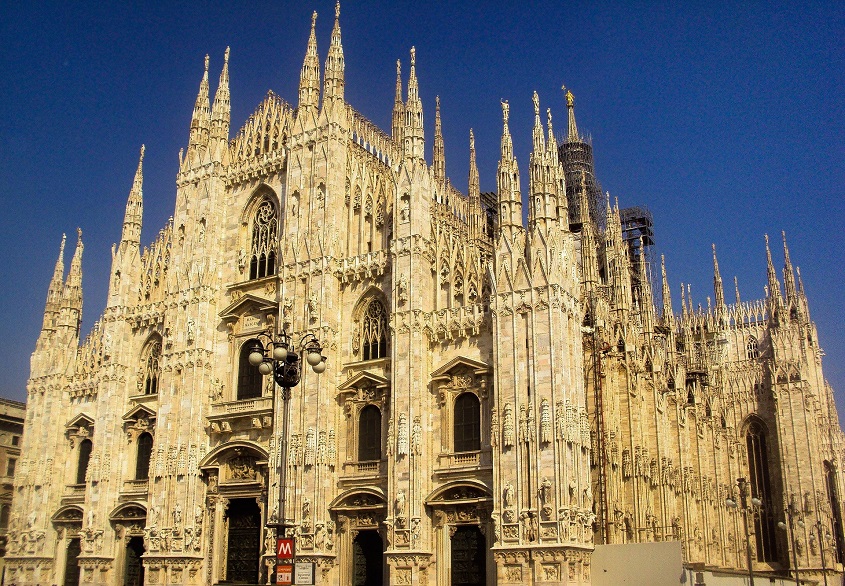
Milan is Italy’s working city with a remarkable habit of hiding beauty in plain sight. Start with the Duomo, make time for Leonardo, then leave space for the neighbourhoods and evenings that make the city feel like itself.
Use this guide for the practical decisions: which airport you’re flying into, what deserves booking first, how much time to allow, and where to go next.
Which Milan airport should you use?
“Milan” can mean three different airports. Check the airport code on your ticket before choosing a transfer or hotel. Distances and journey times below are approximate; schedules, traffic and service patterns can change, so check the operator’s current information on your travel date.
| Airport | What to expect | Getting into the city |
|---|---|---|
| Malpensa (MXP) | The main international airport, about 45 km from central Milan. | Malpensa Express runs to Milano Cadorna and Milano Centrale. Published journey times are roughly 37 minutes to Cadorna and 51 minutes to Centrale, depending on the service. Check the live timetable and terminal before buying. |
| Linate (LIN) | The closest airport, about 7 km from the centre. | Metro M4 connects Linate with San Babila in roughly 12–15 minutes. Check ATM service information and the last train for your arrival time. |
| Bergamo Orio al Serio (BGY) | About 50 km from Milan; it is in Bergamo, not in the city. | Shuttle coaches run to Milano Centrale. Allow about an hour in normal conditions, plus time for traffic, waiting and the walk to your final address. |
Official references: YesMilano airport overview, Trenord Malpensa Express, ATM M4 information. Checked 16 November 2026; always recheck before travel.
One practical point: the cheapest flight is not always the cheapest arrival. Add the coach or train fare, late-night options and the time needed to reach your accommodation before deciding.
The sights worth planning around
The Duomo
Give the cathedral and its rooftop terraces enough time to enjoy them. Ticket types and access options differ; read what each ticket includes, and check the official accessibility information if stairs or step-free access matter to you.
The Last Supper
Reservations are required for every visitor. The museum currently allows 15 minutes in the room and asks visitors to arrive 30 minutes before their booked slot. Build your day around the ticket you actually secure.
Castello Sforzesco and Brera
Pair the castle and Parco Sempione with a later wander through Brera if that suits your pace. Brera’s galleries, lanes and cafés can take longer than a quick walk-through.
The Galleria Vittorio Emanuele II sits beside the Duomo and is worth looking up in. The Navigli canals make a natural evening destination if you enjoy lively restaurants and bars. Neither needs to become a compulsory stop if it isn’t your sort of day.
How many days do you need in Milan?
One day
Choose one central area and one priority sight. A tight schedule can work as a taste of the city, but it leaves little room for delays or a relaxed meal.
Two days
A good first visit: allow time for the Duomo and central sights, then choose either a museum-and-castle day or a slower neighbourhood evening.
Three or more days
You can give the Last Supper its own timed visit, explore Brera or another neighbourhood at an easier pace, and leave room for a day trip only if that is what you want.
These are planning shapes, not rules. Arrival and departure times, mobility, interests and how much you enjoy museums will change what feels comfortable.
Getting around Milan
Milan’s metro, trams and buses make it possible to combine areas without relying on taxis for every journey. The historic centre is also walkable for many visitors, but distances add up and some paving is uneven. Check the current ATM map, service notices and ticket rules before setting off.
For Linate, M4 is the direct metro connection to San Babila. For Malpensa, use the airport rail or coach details that match your terminal and destination station. From Bergamo, remember that the shuttle ends at Centrale; you still need to reach your hotel from there.
If you have luggage, limited mobility or a late arrival, check the entire route from the airport to the hotel door—not simply the airport-to-city leg. Ask the accommodation about lifts, steps, paving and the nearest practical drop-off point.
A flexible first Milan plan
Day one: centre and cathedral
Settle in, then visit the Duomo and Galleria if your arrival time allows. Keep the rest light. Choose a meal and a walk rather than adding a timed attraction to a day already shaped by travel.
Day two: your priority booking
If you have a Last Supper reservation, let that appointment anchor the day. Add nearby plans only after checking the time and location. If you do not have a ticket, choose Brera, the castle and park, or another interest instead.
Day three: a neighbourhood, not another checklist
Pick the area that fits your mood: Brera for art and lanes, Navigli for the canals and evening life, or Porta Venezia and Isola for different sides of modern Milan. Compare the areas in my Milan neighbourhood guide.
A few useful details
Book first: check official Last Supper availability before building your dates around it. Duomo tickets and rooftop options should also be checked through the official site.
Choose the hotel by the whole journey: look at the airport transfer, the final walk with bags, your evening plans and any early train departure.
Leave room in the day: queues, weather, tired feet and a good lunch have a way of editing ambitious itineraries.
Check current details: travel times above are indicative, not guarantees. This guide does not calculate live traffic, disruptions, exact hotel walking routes or current attraction availability.
From Milan to the rest of Italy
Rob’s Milan story is the invitation; this page is the planning reference. Start the next step with the map and build your wider Italy shortlist around the places that interest you.
Official transport and attraction information linked above was reviewed on 16 November 2026. Operators and venues can change schedules, access arrangements and ticket rules.