
Free Spirit Travel
Free Spirit Travel
Around The World With Rob
Free Spirit Travel

How to Plan a Family Vacation


A cheap fare can look rather different when you need five of them. Then there’s the room that sleeps four, the transfer that needs a bigger car and the late arrival that turns tomorrow morning into a write-off.

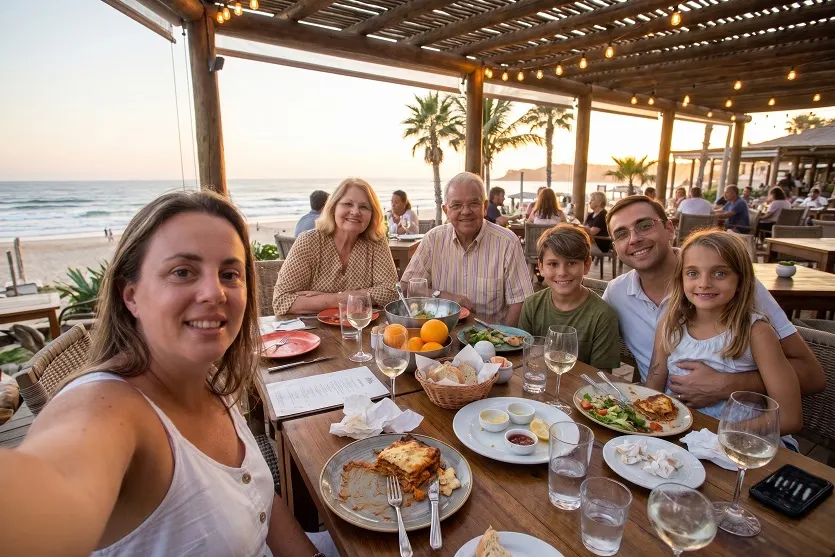
Three generations of a family sharing a meal at a seaside restaurant.

My advice is to start with an ordinary day on the trip. Picture breakfast, getting out the door, doing one thing everyone came for and getting back when someone has had enough. If that day works for the children, the adults and any grandparents coming along, you’ve got a good candidate.

1. Choose a destination for the family you’re taking

Shortlist two or three places. For each one, pick one thing the children would look forward to, one thing the adults want to do and one easy fallback for a wet day or a tired afternoon. Then see how far apart those things are.

  • Babies and toddlers. Look for short transfers, a room you can get back to for naps, and somewhere nearby to pick up food and supplies.
  • School-age children. Let each child pick one thing for the trip. Check how much waiting in line, walking or travel each choice adds to the day.
  • Teenagers. Give them a say in the neighborhood, food or activities. Ask whether they’d rather explore one city properly or move around more.

Two places can look equally good on paper. Try plotting a morning out, lunch and the trip back to your accommodation. The easier day may decide it for you.

2. Count the days you can actually use

A family takes a snack break outside the Louvre pyramid in Paris.

Put arrival, departure and every change of hotel on the calendar first. For example, a six-night trip with an evening arrival and a morning departure leaves five full days. Change bases halfway through and part of one of those five goes on checking out, moving luggage and checking back in.

For a short trip, I’d start with one base. Build each day around one outing that matters, then put an optional stop nearby. Leave a stretch of time open for a slow lunch, a nap or the discovery that the playground is considerably more popular than whatever you paid to see.

Make room for different priorities

Ask everyone for one thing they’d love to do and one thing that would make the trip harder for them. Use those answers to plan the day. A teenager can have their big outing, a grandparent can take the morning off, and everyone can meet for lunch.

3. Find a place that fits everyone

Hotel room with a large bed and an extra mattress on the floor beside it.
Ask what the extra bed looks like when it’s set up, and how much room you’ll have left for bags and getting around.

Search with the actual number of adults and children and enter the children’s ages where asked. Check the listing’s maximum occupancy and the bed layout. “Sleeps five” is useful information, but you still need to know where person number five is sleeping.

  • Compare the real options. Price a family room, two rooms and an apartment for the same dates. Include breakfast, parking, cleaning fees and anything you’d pay extra for.
  • Confirm what matters in writing. Ask whether connecting rooms are guaranteed if you need them. Check the elevator, stairs, kitchen setup or crib availability where relevant.
  • Check the walk home. Map a nearby meal, a grocery stop and the route back from your main outing. A well-located room may save enough on transport and time to justify a higher nightly price.

Next step. Compare neighborhoods with the Neighborhood Finder before you shortlist a hotel or apartment.

4. Compare the full cost before you book

Price the same number of travelers and nights for each option. Use the total you’d pay at checkout, in the same currency, and compare door to door.

  • Flights. Include fares for everyone, baggage and any seats you plan to pay for.
  • Rooms. Include every room for every night, plus taxes, fees and extras.
  • Meals. Estimate a daily total for everyone. Allow for travel days and check which breakfasts are already included.
  • Transfers and getting around. Include both ends of the trip, local transport, parking and any larger vehicle you need.
  • Activities and buffer. Add your must-do tickets and some room for unplanned expenses.

Test the trip from your front door

For each option, write down when you’ll need to leave home, how many changes you’ll make and when you can actually get into your room. A cheaper flight can lose its appeal if it gets everyone in after bedtime or leaves you waiting hours for check-in.

Compare two family trips

Replace the sample prices with totals for everyone traveling. Use the same currency and number of nights for both trips. Enter 0 for any cost that doesn’t apply.

CostTrip ATrip B
Flights, bags and seats
Accommodation
Meals
Transfers and local transport
Activities and buffer
Total$3,800$3,480

Trip B costs $320 less overall.

5. Make the booking decision together

Before paying, ask whoever’s coming to look at the same four things.

  • Do the arrival and departure times work for everyone?
  • Do we know where everyone will sleep and how we’ll get there?
  • Can we afford the whole trip, including what we’ll spend once we arrive?
  • Do we know which bookings we can change if plans shift?

Once you can answer those, pick your base and price the flights again with the bags and seats you’ll actually need. You can decide what to do on Thursday after you’ve worked out how to get everyone there.

Family Vacation Planning FAQs

How far in advance should I book a family vacation?

If you’re tied to spring break, Thanksgiving, or a specific summer week, start comparing options several months ahead. I’d book as soon as the part with the fewest alternatives fits your dates and budget. That might be a family room, a nonstop flight at a sensible hour, or a cabin that sleeps everyone.

If you can shift dates and have several places you’d happily stay, you can give yourself more time to shop around.

Should I book flights or the hotel first?

Check both for the same dates before paying for either. If the room is the hard part, hold a refundable room while you finalize the flights. If there are plenty of rooms but only one flight you’d take with the kids, lock in the flight once you’ve confirmed a place to stay. Check the cancellation deadline and local time zone on any booking you’re holding.

Is a family vacation package cheaper than booking separately?

Sometimes. Price the same flights and room separately, then compare the bundle at checkout. Use the same room type, baggage and seat options, and add any charges you’ll pay at the property. Then check what happens if one part changes. I’d think twice about a small saving if changing the flight means rebooking the whole trip.

Facebook
WhatsApp
X

Next in the series

If your family trip involves a flight, here’s what to check before you book and how to make airport day easier, from seating to car seats and strollers.

Read Flying with Kids →