The Caribbean · Cuba
Cuba travel guide: curiosity, culture and a realistic plan
Cuba makes me curious about the people behind the music and the streets beyond the photograph. It also calls for some patient reading before booking. In this Cuba travel guide, work through the current conditions and travel requirements first, then look at the bases and cultural visits that interest you.
By Rob Wheatley
Practical information checked 31 October 2026
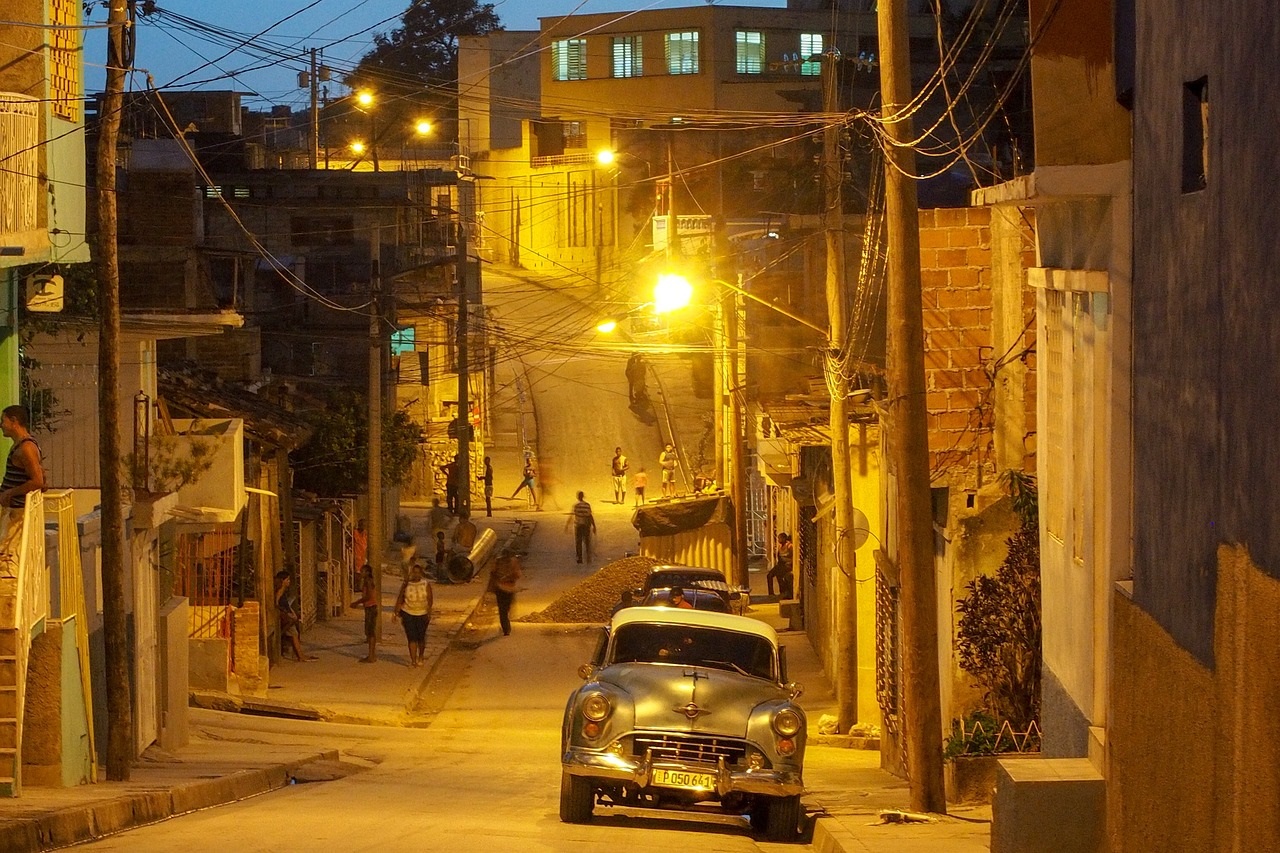
Rob’s take
Curiosity and a flexible plan belong together here. Calling unreliable services “part of the charm” doesn’t charge a flat phone. Check the practical arrangements with your accommodation, and read the permitted travel requirements if you’re subject to U.S. rules. That small print deserves a proper chair at the table.
Should you travel to Cuba right now?
Checked 31 October 2026: the UK advises against all but essential travel to Cuba. Australia advises reconsidering travel because serious fuel shortages are affecting essential services.
U.S. guidance also describes unreliable electricity, shortages and disruption to transport and basic services. So check current advice, your airline and your insurer before committing.
If you already have a booking, ask the provider about current operations and your options. Then get the answer in writing. A generator on a facilities list still needs fuel.
U.S. travel advice ↗ · UK travel warning ↗ · Australian travel advice ↗
Can Americans travel to Cuba?
U.S. rules do not permit travel-related transactions for ordinary tourism. Authorised travel has specific conditions. These rules can apply to U.S. citizens and residents abroad as well as people within the United States.
First, check the current OFAC rules for your circumstances. Then verify the activities, accommodation, payments and records required for the applicable authorisation before booking.
Also, check current restrictions on entities and accommodation. OFAC changed several travel authorisations in September 2026, so an older blog itinerary may be misleading.
Current OFAC travel authorisations ↗ · Tourist travel prohibition ↗ · Support for the Cuban people: official conditions ↗
Havana, Viñales or Trinidad: what would each add?
For future planning, choose places around the experience you want. However, heritage listings describe cultural value; they do not establish whether accommodation or transport is operating today.
Havana: city and cultural history
I’d investigate Havana for architecture, city life and cultural interests. Old Havana and its fortifications form a UNESCO World Heritage site.
The planning question: can your chosen accommodation provide essential services, and can you reach the places on your itinerary? First, confirm current operations.
Viñales: a different landscape
Viñales Valley combines rounded limestone hills with an agricultural landscape. I’d consider it for a contrast with city days, once travel conditions support the journey.
The planning question: how will you get there and back? Also, ask about the actual walking and current local services.
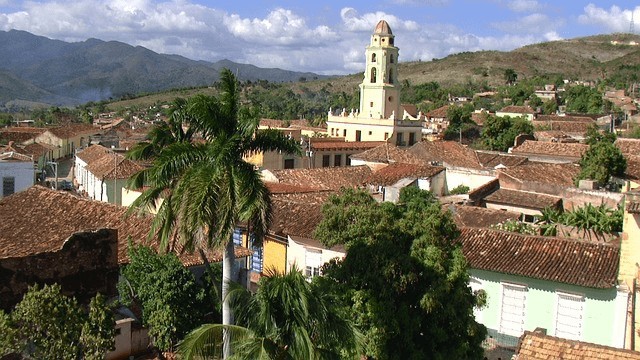
Trinidad: look beyond the colourful streets
Trinidad and the Valley de los Ingenios are recognised for their historic landscape and buildings linked to the sugar industry. So I’d make room for the history behind the attractive façades.
The planning question: does adding another base justify the journey? Then ask which sights and services are currently accessible.
A note from Rob
Keeping the wheels turning
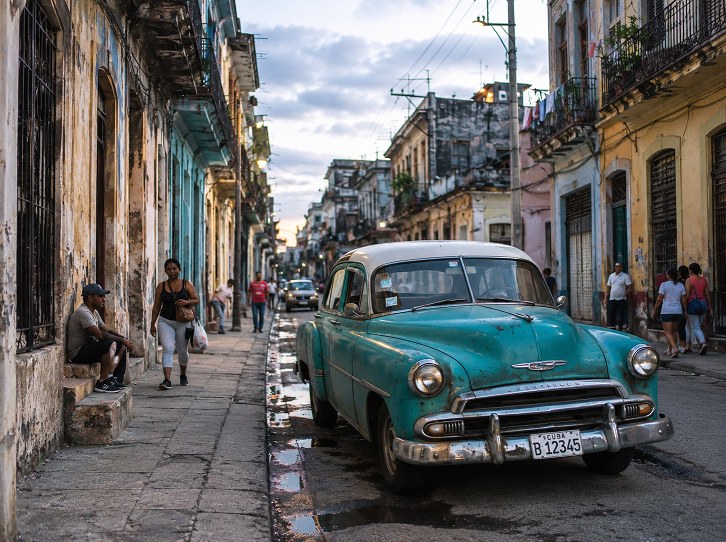
Cuba’s 1950s cars aren’t relics, they’re proof of what people can do with ingenuity when the world stops sending spare parts.
Every rattling Chevy is a rolling reminder that when you can’t replace something, you learn to love it enough to keep it alive.
Casa particular or hotel: what should you ask?
A casa particular is privately run visitor accommodation, often in a home or guesthouse. However, the name alone tells you little about the room, service or reliability.
First, ask about water, backup power, meals and communication during outages. Then confirm the cancellation terms, lawful payment options and how you will reach the property.
- The room: steps, ventilation and the facilities you need.
- Daily essentials: drinking water, food and backup arrangements.
- The journey: a current transport plan and a contact who can help.
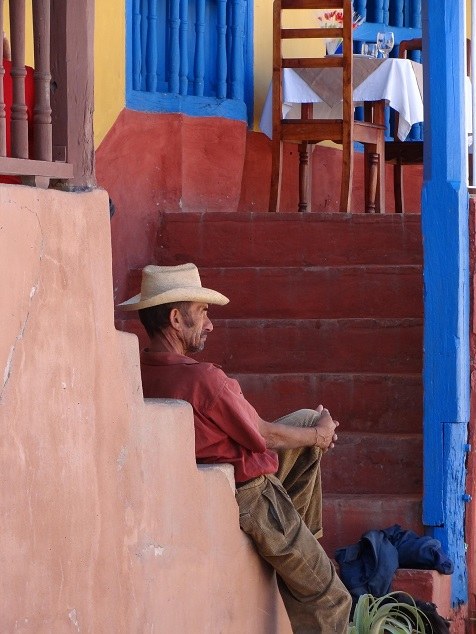
Cuban rumba: more than background music
Cuban rumba brings together music, movement, singing and percussion. Its roots are strongly associated with African culture, alongside Antillean and Spanish influences.
UNESCO recognises it as a living tradition passed through families and communities. So I’d approach a performance with curiosity about the people and practice, rather than treating it as a soundtrack for my photographs.
If a cultural visit becomes practical, ask about the performance, the musicians and the arrangements. Then settle the price and return transport beforehand.
Look a little closer
Colour that refuses to whisper
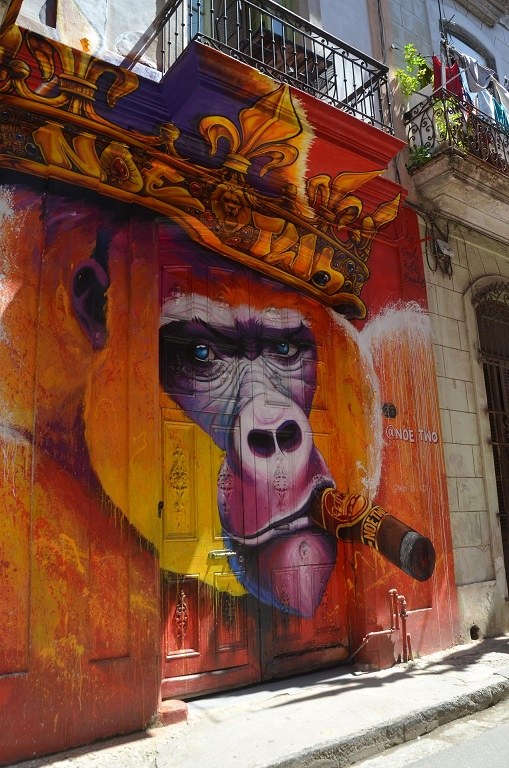
Some walls settle for a sensible coat of beige. This one has gone for a crowned gorilla, a cigar and absolutely no interest in blending in.
For me, that’s a reason to leave a little room for looking. However, ask before photographing people or entering private spaces. A street can be interesting without becoming our personal film set.
Will your bank cards work in Cuba?
Do not rely on international cards. Current UK and Australian advice reports that Visa and Mastercard are no longer accepted. U.S.-issued credit and debit cards do not work in Cuba.
Some tourism information still describes older card arrangements. However, I’d use the latest official advice and verify payment directly with every provider before departure.
Also, use authorised currency-exchange services and confirm which currency each price uses. For U.S.-regulated travellers, payment arrangements must comply with applicable restrictions.
Current official payment advice ↗ · Australian advice on cards and cash ↗
Power, water and internet: plan for interruption
Current official advice warns that outages can affect water, communications, healthcare and transport. So a charged phone and a screenshot of the booking are only part of the preparation.
- Ask your host: what is working now, and what backup is available?
- Keep information offline: booking details, contacts and return arrangements.
- Check essential needs: safe water, food, medication and access to care.
- Agree a contact plan: tell someone how you’ll communicate if service fails.
If you depend on powered medical equipment or temperature-sensitive medication, discuss the destination with your clinician and insurer before booking. Then assess whether the necessary support can actually be guaranteed.
Getting around: don’t build a fuel-dependent fantasy
Fuel shortages can disrupt journeys even when you have a reservation. First, confirm your provider’s current service and contingency plan.
Then reduce unnecessary moves and leave space before your departure flight. Also, check the latest airline information: published routes are not proof that your flight will operate.
For self-driving, read the current road advice and consider fuel availability, insurance and emergency assistance. However, don’t assume hiring a car removes the logistical problems.
Is Cuba cheap? Compare a trip you can actually take
A useful budget starts with current availability and lawful payment options. So I’d avoid a daily spending figure that assumes everything can be bought whenever you need it.
- Arrival and departure: confirm operating flights and change terms.
- Accommodation: verify the final price and essential services.
- Meals and transport: confirm availability, currency and payment method.
- Cover and reserves: allow for disruption, medical needs and a delayed departure.
What documents do you need for Cuba?
Check Cuba’s current requirements for your nationality and arrival route. Official tourism guidance lists a valid passport, the appropriate visa, medical travel insurance, return travel and the D’Viajeros arrival form.
Visa and arrival procedures can change, and official sources differ on the form’s submission window. So follow the live government portal and confirm the airline’s current instructions before departure.
Then save the completed documents and QR code offline. Also, keep Cuban entry permission separate from any U.S. authorisation: meeting one set of requirements does not satisfy the other.
Cuban entry information ↗ · Official eVisa portal ↗ · Official D’Viajeros form ↗
When should you consider visiting?
First, resolve whether current conditions make the trip appropriate. A favourable weather forecast cannot fix disrupted services.
For future planning, Atlantic hurricane season runs from June through November. Then consider your chosen area and activities, with flexibility around weather-dependent plans.
Also, check your policy carefully against official travel advice and your itinerary. If cover or essential services are uncertain, I’d postpone.
My Cuba planning checklist
- I’ve read current official advice and considered postponing.
- I understand the travel rules that apply to me.
- I’ve verified operating flights and return options.
- I know how I can lawfully pay for the full trip.
- I’ve checked power, water, essential supplies and medical support.
- I’ve confirmed documents, insurance and provider change terms.
For a future first visit, I’d favour a small number of useful bases over an ambitious loop. However, I wouldn’t set a fixed itinerary until the practical questions had satisfactory answers.
Sources and details to recheck
My perspective draws on years cruising and sailing around the Caribbean. Current official sources support the practical information here. However, Cuba’s travel conditions and regulations need checking again before any commitment.
Cuba: what would you like to understand?
Planning ahead, reconsidering a booking or sharing a practical lesson from a recent visit? Tell me what you’re working through. If you share information about services, include when and where you visited.
Back to top ↑